
Rabbits are known for their playful and joyful personalities, but sometimes they can feel a bit down too. As a caring rabbit owner, you must recognize the signs of a depressed rabbit. A rabbit that is feeling blue may show changes in appetite, energy levels, and social interaction. By being attentive to these behaviors, you can help your furry friend feel better.
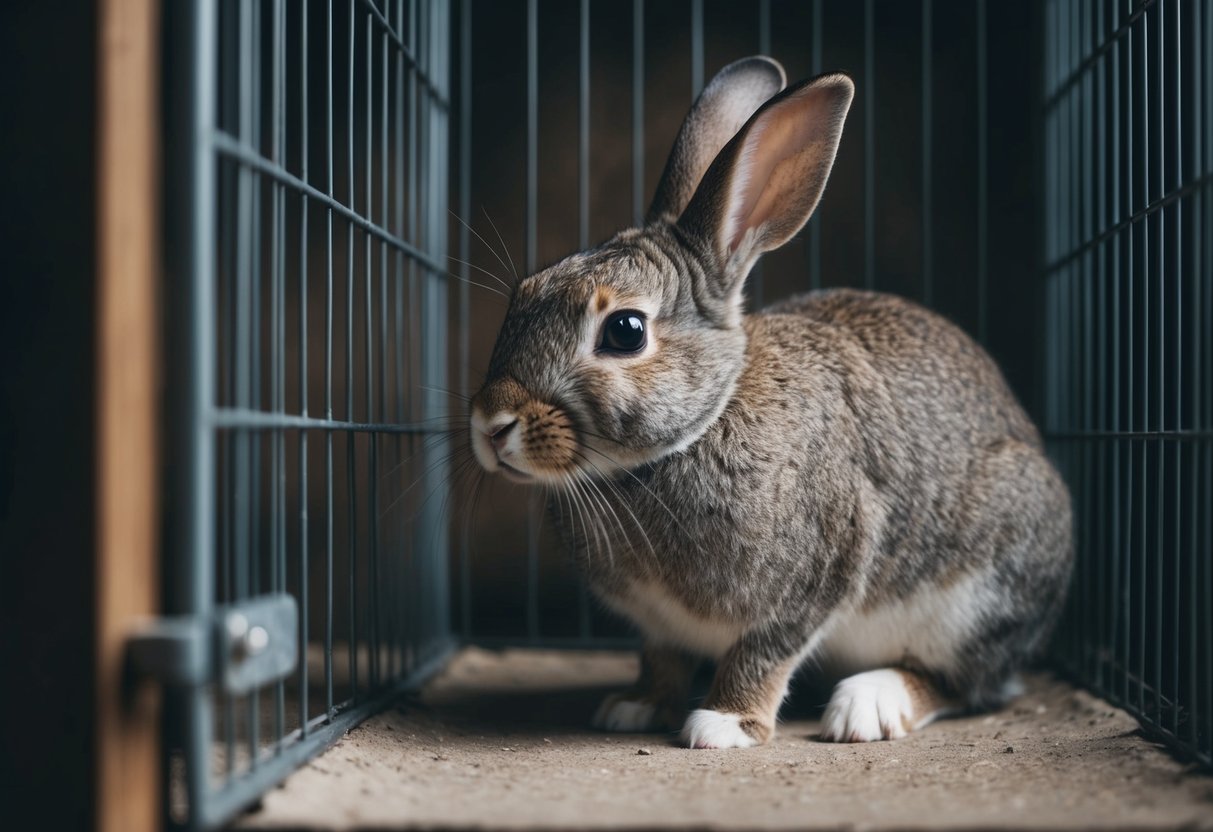
You might notice that your rabbit is less active or even withdrawn. These changes could mean they are struggling with feelings of sadness. Understanding how to tell if your rabbit is depressed will allow you to take the necessary steps to improve their well-being.
Taking the time to observe your rabbit’s daily habits can make a big difference. Keeping an eye out for subtle changes helps ensure that your pet stays happy and healthy. After all, a little extra care goes a long way in rabbit care!
Recognizing Signs of Depression in Rabbits
When caring for your rabbit, it’s important to watch for signs of depression. Recognizing these signs can help you address any issues early.
Changes in behavior, physical symptoms, and variations in social interactions are key indicators that your rabbit may be feeling unhappy or lonely.
Changes in Behavior
A depressed rabbit often shows noticeable changes in behavior. You may find your rabbit becoming more withdrawn or less active than usual. Instead of hopping around and playing, your rabbit might spend more time lying down or hiding.
Look out for a decreased interest in activities like chewing toys or exploring new areas. If your rabbit stops grooming itself, this can also be a sign of feeling down. Frequent aggression or irritability is another behavior change that may indicate your rabbit is not happy.
Physical Symptoms
Physical signs can also reveal if your rabbit is feeling depressed. Loss of appetite is a common issue to monitor. If your rabbit is not eating as much as usual, this can lead to serious health problems.
Additionally, weight loss or a change in weight may suggest sadness. Another physical symptom to consider is a lack of grooming. Rabbits typically groom themselves regularly. If you notice your rabbit’s fur becoming matted or dirty, it may be an indicator of an unhappy rabbit.
Variations in Social Interactions
Social behavior is crucial for a rabbit’s happiness. If your rabbit used to enjoy spending time with you or other pets but suddenly seems disinterested, it may be feeling lonely.
Pay attention to how your rabbit interacts during playtime. An unhappy rabbit may avoid your attention or be less responsive. When rabbits feel depressed, they might not seek affection as they normally would. This withdrawal can lead them to feel even more isolated, which can worsen their mood.
Common Causes of Rabbit Depression

Understanding the reasons behind your rabbit’s sadness is important. Several factors can contribute to a depressed rabbit, including loneliness, environmental stress, and health problems. Each of these causes requires your attention to help improve your rabbit’s mood and well-being.
Loneliness and Lack of Companionship
Rabbits are social animals that thrive on interaction. If your rabbit spends too much time alone, it may feel lonely and unhappy. This sense of isolation can lead to depression.
To prevent this, consider getting another rabbit as a companion. Make sure they are properly introduced to avoid conflicts. If getting another rabbit isn’t possible, spend more time playing and bonding with your rabbit. Your attention can significantly boost its mood.
Environmental Stressors
The environment where your rabbit lives plays a crucial role in its happiness. Loud noises, too much clutter, or changes in routine can stress your rabbit. These stressors may cause anxiety and lead to depression.
Ensure your rabbit’s space is comfortable and safe. Provide hiding places for it to retreat to when feeling stressed. Also, try to maintain a consistent daily routine to help your rabbit feel secure.
Health Issues
Health problems can often lead to sadness in rabbits. Illness or discomfort from injuries can make your rabbit less active and less interested in activities.
Keep an eye on your rabbit’s behavior. Changes in eating habits or energy levels might signal a health issue. If you notice anything unusual, consult a vet. Addressing health problems early can improve your rabbit’s happiness and overall quality of life.
Supporting Your Rabbit’s Mental Health

Taking care of your rabbit’s mental health is just as important as their physical care. By creating a stimulating environment and fostering strong social bonds, you can help ensure your rabbit remains happy and healthy.
Creating a Stimulating Environment
A stimulating environment can greatly improve your rabbit’s mood. Start by providing ample space for them to hop and explore. Aim for a minimum of 32 square feet when they are out of their cage.
Incorporate variety in their space. Use boxes, tunnels, and toys to encourage play. Rotate their toys regularly to keep things fresh. You might also consider planting rabbit-safe herbs for them to nibble on.
Make sure your rabbit has access to different rooms occasionally. This not only stimulates their senses but allows them to explore new smells. A happy rabbit is an active rabbit, so give them opportunities to be curious and playful.
Bonding and Socializing
Rabbits are social animals and need companionship for good mental health. Spend time each day interacting with your rabbit. You can simply sit with them, pet them gently, or talk to them softly.
Consider adopting a second rabbit for companionship. Before doing so, make sure to introduce them properly. This can help reduce feelings of loneliness and encourage playful behavior.
It’s important to understand your rabbit’s unique personality. Some rabbits enjoy more attention, while others prefer quiet time. Make sure to respect their boundaries while offering support and love. Building this bond can make your rabbit feel secure and valued.
When to Seek Veterinary Care
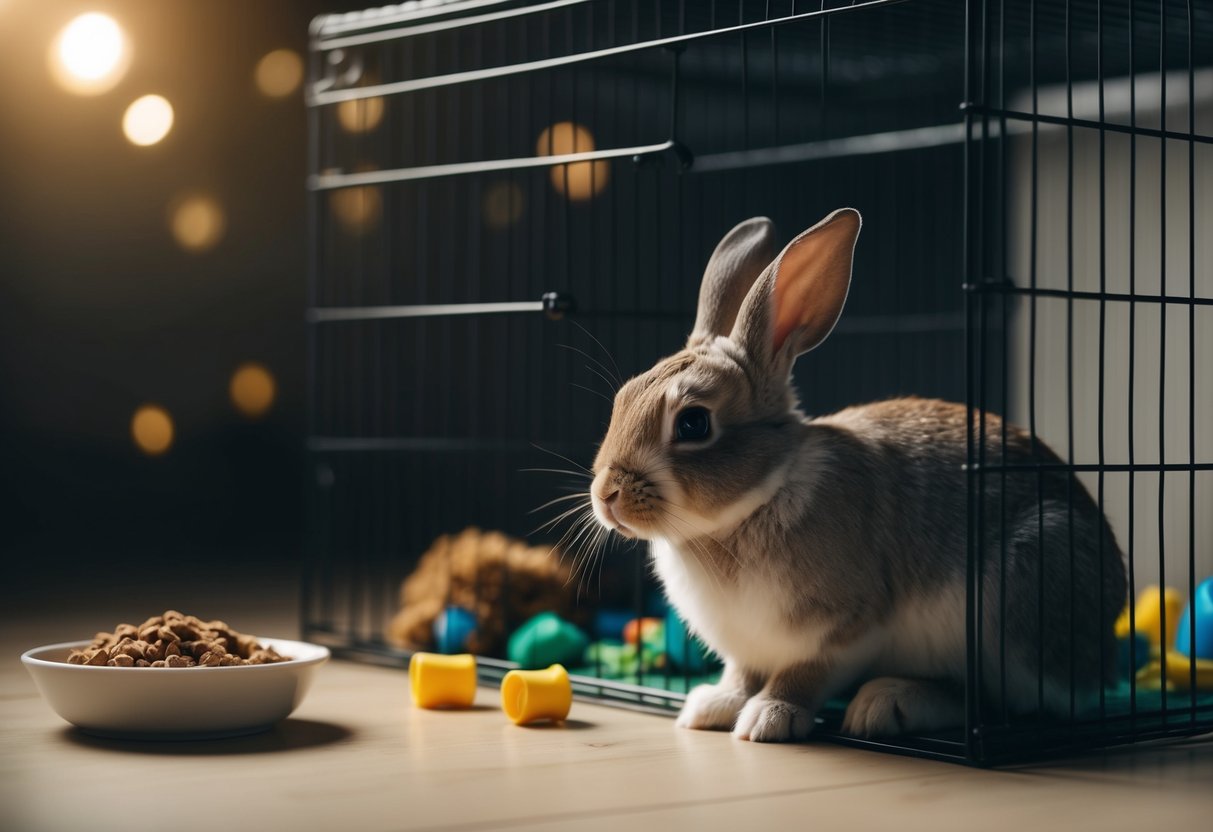
If you notice signs of depression in your rabbit, take them seriously. Your bunny’s happiness and health are vital.
Here are some key signs that mean it’s time to visit the vet:
- Loss of Appetite: If your rabbit stops eating or drinking for more than a day, seek help.
- Lethargy: A lack of energy or unusual sleeping can indicate problems.
- Changes in Grooming: If your rabbit is not self-grooming, it may be a sign of distress.
- Social Withdrawal: If your bunny is hiding or avoiding you, this could mean something is wrong.
- Behavior Changes: Sudden aggression or unusual behaviors warrant attention.
You should also consult your vet if your rabbit shows physical symptoms such as:
- Diarrhea
- Difficulty breathing
- Weight loss
Arrange for a check-up to rule out any medical issues.
Veterinarians who specialize in rabbits have the training to provide the best care. Regular visits can help catch problems early, ensuring your pet stays healthy and happy.
Don’t hesitate to reach out if you’re unsure. Your vet can offer guidance tailored to your pet’s needs. Caring for rabbits means being attentive to their emotional and physical well-being.


