
Caring for a pet rabbit can be a rewarding experience, but it also comes with responsibilities. To ensure your bunny thrives, you need to provide proper housing, a balanced diet, and regular health care. Domestic rabbits have specific needs that differ from other pets, making it essential to understand how to meet those needs effectively.
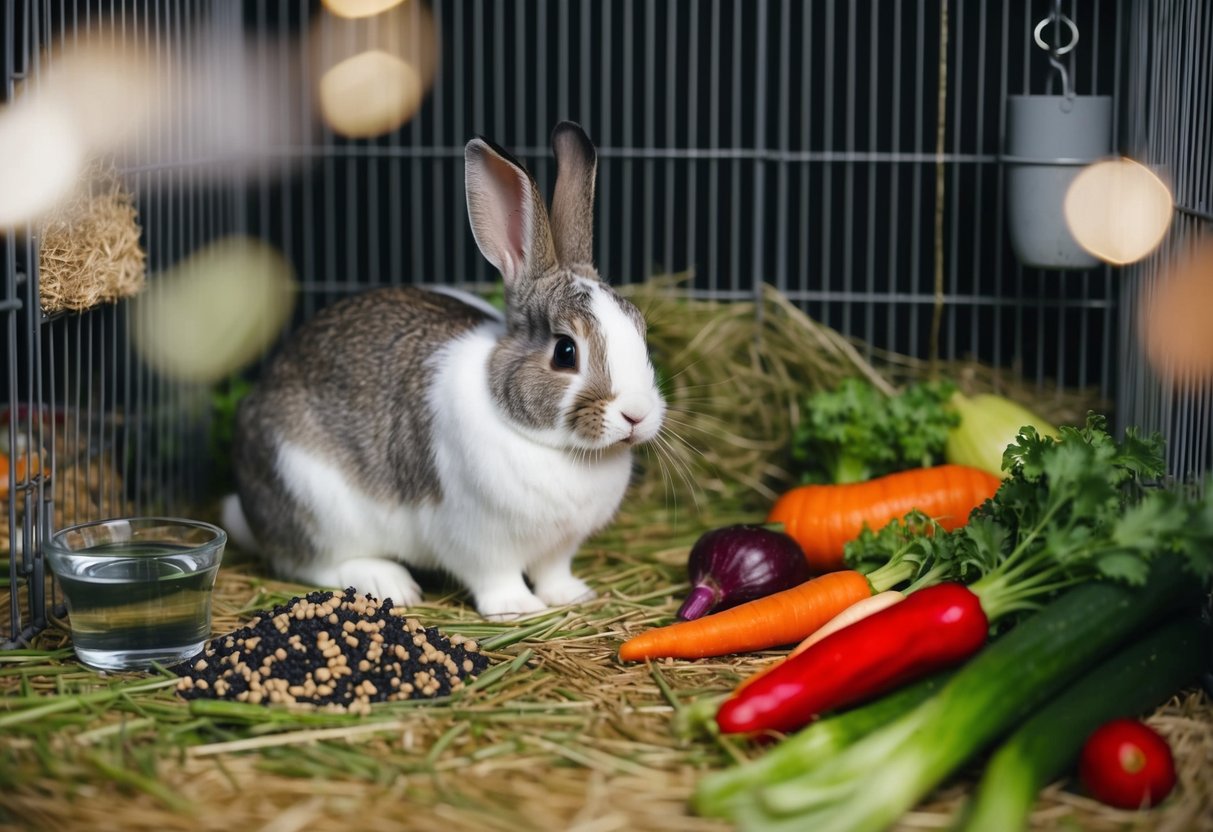
Before bringing your bunny home, it’s important to create a safe and comfortable living space. This includes choosing the right type of enclosure and providing plenty of room for exercise.
Additionally, knowing what to feed your pet rabbit is crucial for their health. A diet rich in hay, fresh vegetables, and specially formulated pellets is key to keeping your bunny happy.
As a beginner, you might be unsure where to start. Taking the time to learn about rabbit behavior and care routines will help you build a strong bond with your new friend. Whenever you face challenges, remember that there are many resources available to guide you.
Getting Started with Rabbit Care
Caring for a bunny is a rewarding experience that starts with the right choice of rabbit and understanding their behavior. Knowing these basics will help you build a strong bond with your new pet.
Choosing the Right Rabbit
When selecting a rabbit, consider adopting from a shelter or rescue. This gives a home to a bunny in need and helps control the pet population.
Look for a rabbit that matches your lifestyle. Different breeds have unique traits. For example, small breeds like the Holland Lop are great for apartments, while larger breeds, such as the Flemish Giant, need more space.
Make sure to spend time with the rabbit before adopting to ensure a good match with your personality. Check for signs of good health, like bright eyes and a clean coat.
Understanding Rabbit Behavior
Understanding rabbit behavior is key to a happy pet. Rabbits are social animals and thrive on interaction. They may exhibit different signs, like thumping when upset or binkying when happy.
To communicate with your rabbit, observe their body language. Ears up often mean curiosity, while flattened ears indicate fear.
Providing toys and social enrichment keeps your rabbit engaged. Litter training is also important. Place a litter box in their designated area and reward them for using it. Remember, patience is key as they learn.
Creating a Safe and Welcoming Environment

Creating the right environment for your bunny is key to their happiness and health. This includes setting up safe housing and taking steps to rabbit-proof your space.
Essentials of Rabbit Housing
Your rabbit’s housing is their home base. It needs to be safe, comfortable, and spacious.
Choose a rabbit cage that is at least four times the size of your bunny when fully stretched. Bunnies require plenty of room to hop around and play.
Along with the cage, set up a dedicated play area. Use soft bedding like hay or fleece to keep your bunny cozy.
Ensure the cage has proper ventilation, and avoid wire-bottom cages. These can hurt your bunny’s feet. You want to ensure that your rabbit feels secure in their space.
Also, include hiding spots, like cardboard boxes or tunnels. These give your bunny a sense of safety and a place to explore.
The Importance of Rabbit-Proofing
Rabbit-proofing your home is crucial. Bunnies love to chew and explore. To keep them safe, remove hazards.
Start by hiding or securing electrical cords. Next, check for toxic plants and small objects that could be dangerous. It’s important to remove anything your bunny might try to eat.
You can use baby gates to block off areas that are off-limits. Consider using playpens to create a safe space for your bunny to roam. These can help keep your home bunny-friendly while preventing accidents.
Nutrition and Feeding

Feeding your rabbit the right diet is crucial for its health and happiness. Rabbits have specific dietary needs that should be met to ensure they thrive. Below are key components of rabbit nutrition.
Feeding Your Rabbit the Right Diet
Your rabbit’s diet should primarily consist of high-quality hay, fresh vegetables, and a small amount of pellets. Aim for a mix of around 80% hay, 10% pellets, and 10% fresh greens.
Choose timothy hay as the main type of hay. It is great for digestion and helps wear down your rabbit’s teeth.
Fresh vegetables like romaine lettuce, cilantro, and parsley can be included but avoid starchy or sugary options like carrots.
Pellets should be a high fiber variety, specifically designed for rabbits. Limit the amount to a small handful each day. Since rabbits can be sensitive to sudden changes, introduce new foods slowly to avoid upset stomachs.
The Role of Hay in a Rabbit’s Diet
Hay is the cornerstone of a rabbit’s diet. It should be available at all times.
Timothy hay is rich in fiber, which is essential for healthy digestion. It keeps your rabbit’s gut moving and helps prevent dangerous conditions like gastrointestinal stasis.
In addition to timothy hay, you may also offer other grass hays, such as orchard grass or meadow hay. These can provide variety and keep your rabbit interested in their food.
Rabbits love to nibble and chew, so providing hay encourages natural behaviors. Not only will this promote dental health, but it also supports their mental well-being. Always check that the hay is clean and free from mold or dust before offering it to your bunny.
Daily Care and Health Management
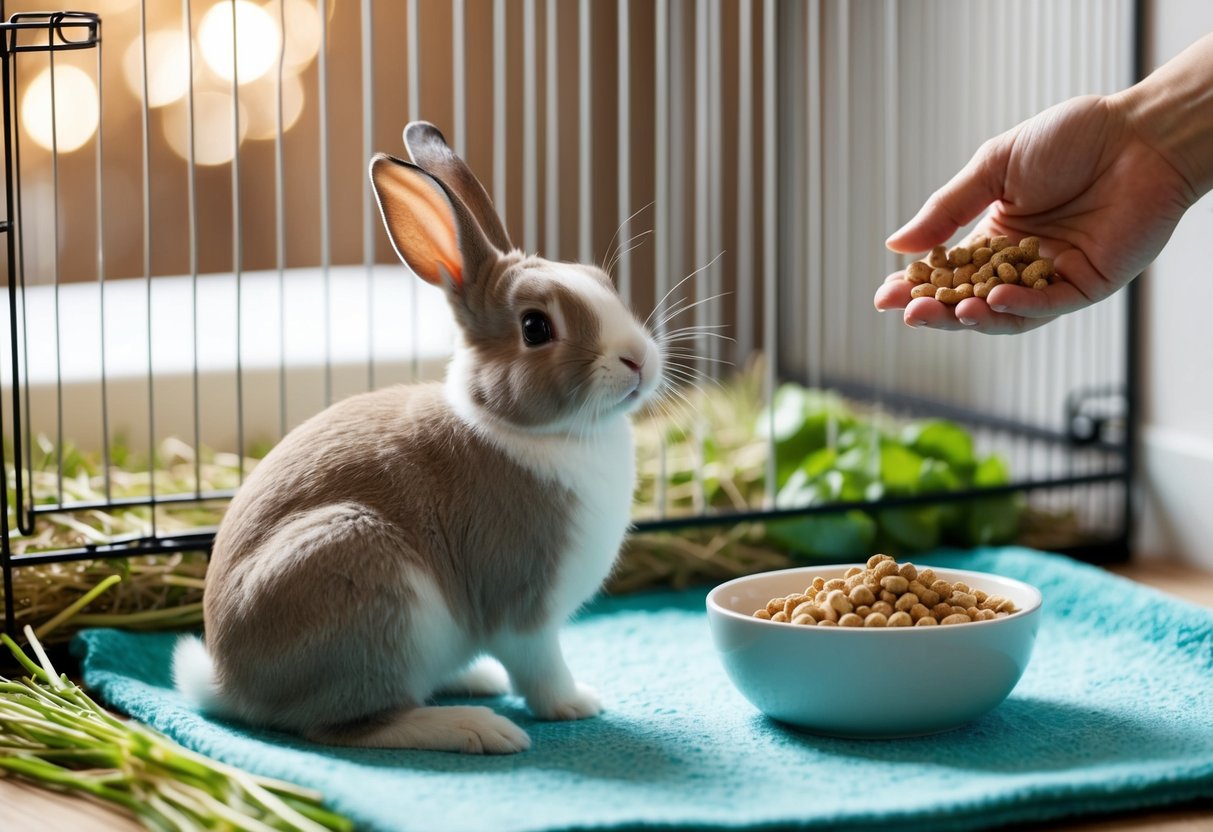
Taking care of a bunny involves daily routines that keep them happy and healthy. You need to focus on their basic needs, health issues to watch for, and how to make litter training effective.
Routine Daily Care for Your Rabbit
Your rabbit needs a consistent daily routine to feel secure. Start by providing fresh water every day. Change it daily to ensure it stays clean.
Feeding your bunny is vital. Make hay the main part of their diet. It helps their digestion and keeps their teeth healthy. You can also give them pellets and fresh greens. Create a feeding schedule to keep their diet balanced.
Don’t forget to set aside time for exercise. Rabbits need at least 3-4 hours outside of their enclosure daily. Play and hop around with them to keep them active and engaged.
Common Health Issues and Prevention
Being aware of common health issues can help you take care of your bunny better. One major concern is dental problems.
Rabbits’ teeth grow constantly, so they need hay to chew on. This activity helps wear down their teeth naturally.
Another issue is gastrointestinal stasis, where their digestive system slows down. Ensure they eat enough fiber from hay and greens to avoid this problem.
Signs of illness include not eating or being less active, so keep an eye on their behavior.
Regular vet check-ups are important. This helps catch any health issues early and ensures your bunny stays healthy.
Litter Training Your Bunny
Litter training your bunny can make your life easier. Start by choosing a specific spot in their enclosure for the litter box. Then, place some of their droppings in the box to encourage them to use it.
Use a rabbit-safe litter that absorbs well. Avoid clay or cat litter, as they can be harmful to bunnies. Also, clean the litter box daily, which keeps the area fresh and reduces odors.
Be patient while training your bunny. It may take some time to get them used to the litter box. Reward them with treats when they use the box correctly to reinforce good behavior.


