
Rabbits are wonderful companions, but sometimes they may not show their true feelings. Understanding how your rabbit feels is key to keeping them happy and healthy. You can tell if your rabbit is unhappy by observing their behavior and body language for subtle signs of distress.

Changes in your rabbit’s habits can indicate unhappiness. For example, if your bunny suddenly stops grooming or loses interest in favorite activities, these are red flags.
Watching for these signs will help you ensure your pet gets the care and attention they need.
Every rabbit is unique, and knowing what makes yours tick will help you keep them content. By recognizing when something is off, you can take steps to improve their mood and well-being.
This post will guide you through the key signs of an unhappy rabbit, helping you support your furry friend effectively.
Recognizing Unhappy Rabbit Behavior
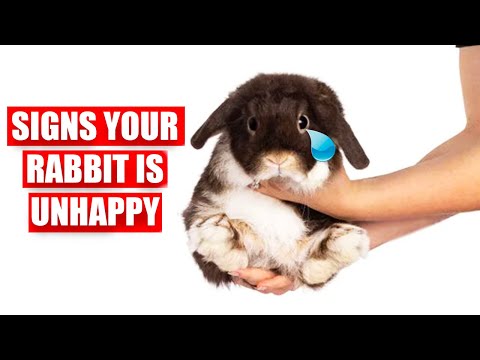
It’s important to pay attention to your rabbit’s behavior. Changes in their normal activities, signs of destructive behavior, and any unusual physical symptoms can help you identify if your rabbit is feeling unhappy or even depressed.
Changes in Normal Behavior
Watch for shifts in your rabbit’s usual habits. For example, if your normally active rabbit becomes lethargic and spends more time hiding, this can be a sign of distress.
Additionally, a loss of interest in favorite activities, like playtime or exploring their space, is concerning. If your rabbit seems less social or avoids interaction with you or other pets, take note.
Sudden changes are often a signal that something isn’t right. An underlying issue could be the cause, so careful observation is key.
Signs of Destructive Behavior
Rabbits may express their unhappiness through destructive behaviors. If you notice your rabbit chewing on furniture or digging excessively, they might be trying to cope with their feelings.
These actions can indicate boredom or frustration. For instance, if your rabbit starts digging in their litter box or throwing their food, they may be seeking attention or trying to express their discomfort.
Managing their environment can help reduce these destructive tendencies. Providing toys and engaging activities is crucial to keep your rabbit happy and stimulated.
Spotting Abnormal Physical Symptoms
Physical signs can also indicate that your rabbit is not feeling well. Look for changes in eating and drinking habits. If your rabbit is eating less or drinking noticeably more than usual, it could be a red flag.
Other signs include changes in posture or grooming behavior. A rabbit that neglects grooming might be feeling depressed.
Additionally, pay attention to any unusual movements or vocalizations. Thumping, growling, or squealing can point to distress. Regular vet check-ups are essential to rule out any medical issues contributing to these changes.
Understanding the Causes of Unhappiness in Pet Rabbits
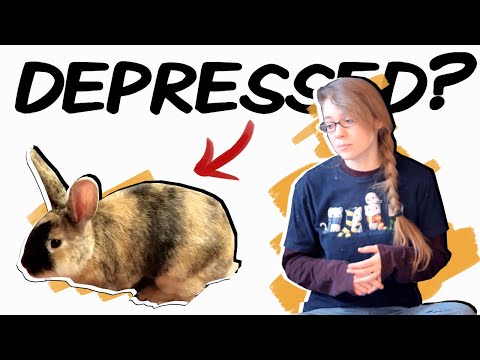
Your pet rabbit’s happiness is closely tied to their environment and social needs. Recognizing what might be causing their unhappiness is essential for their well-being. Two common causes are a lack of social interaction and boredom due to inadequate stimulation.
Lack of Social Interaction
Rabbits are social animals that thrive on interaction. If your rabbit feels isolated, they may become unhappy or stressed.
- Companionship: Consider having more than one rabbit. They often enjoy the company of their kind.
- Daily Interaction: Spend time with your rabbit every day. Gentle petting, talking, or playing can lift their spirits.
- Signs of Loneliness: Look for signs like excessive hiding or withdrawn behavior, which indicate your rabbit may need more social time.
By prioritizing social interaction, you can help your bunny feel more secure and content.
Boredom and Inadequate Stimulation
Boredom is another significant factor affecting your rabbit’s mood. Without enough activities, they can easily lose interest in their surroundings.
- Toys and Enrichment: Provide a variety of toys. Chew toys and tunnels can keep them engaged.
- Room to Explore: Allow your rabbit space to hop and explore safely. Changing their environment occasionally can spark curiosity.
- Interactive Play: Spend time engaging with your rabbit using toys or by teaching them simple tricks.
Addressing boredom by adding stimulation can greatly improve their happiness and reduce signs of depression.
Enhancing Your Rabbit’s Well-being

Improving your rabbit’s well-being is essential for their happiness and health. By focusing on their care and creating a stimulating environment, you can help ensure they are content and thrive.
Improving Rabbit Care
Good care is the foundation of a happy rabbit. First, provide a balanced diet with plenty of hay, fresh vegetables, and high-quality pellets. This helps maintain their digestive health.
Next, regular veterinary check-ups are important. They can catch any early signs of illness. Additionally, ensure their living space is clean and safe.
Understanding your rabbit’s behavior is key. Look for signs of unhappiness, like lack of activity or hiding. If their routine changes, such as moving or new pets, this can stress them. Pay attention to their needs during these times.
Creating a Stimulating Environment
A lively environment helps keep your rabbit engaged. Start by providing toys they can chew or toss. This encourages natural behaviors and prevents boredom.
Hide treats around their space to stimulate foraging. This mimics their behavior in the wild and keeps them entertained.
Consider companionship. Rabbits are social animals and often feel happier with another rabbit. Make sure both rabbits get along before introducing them.
Finally, set up playtime outside their cage. Supervised time in a safe area can help them exercise and explore. This can greatly enhance their well-being and happiness.


