
Rabbits are fascinating creatures that often capture our hearts with their playful nature. The full scientific name for a rabbit is Oryctolagus cuniculus, which refers specifically to the European rabbit. This species is the most recognized and widely kept as a domestic pet across the world.
Belonging to the family Leporidae, rabbits are classified as mammals and can be found in various habitats.
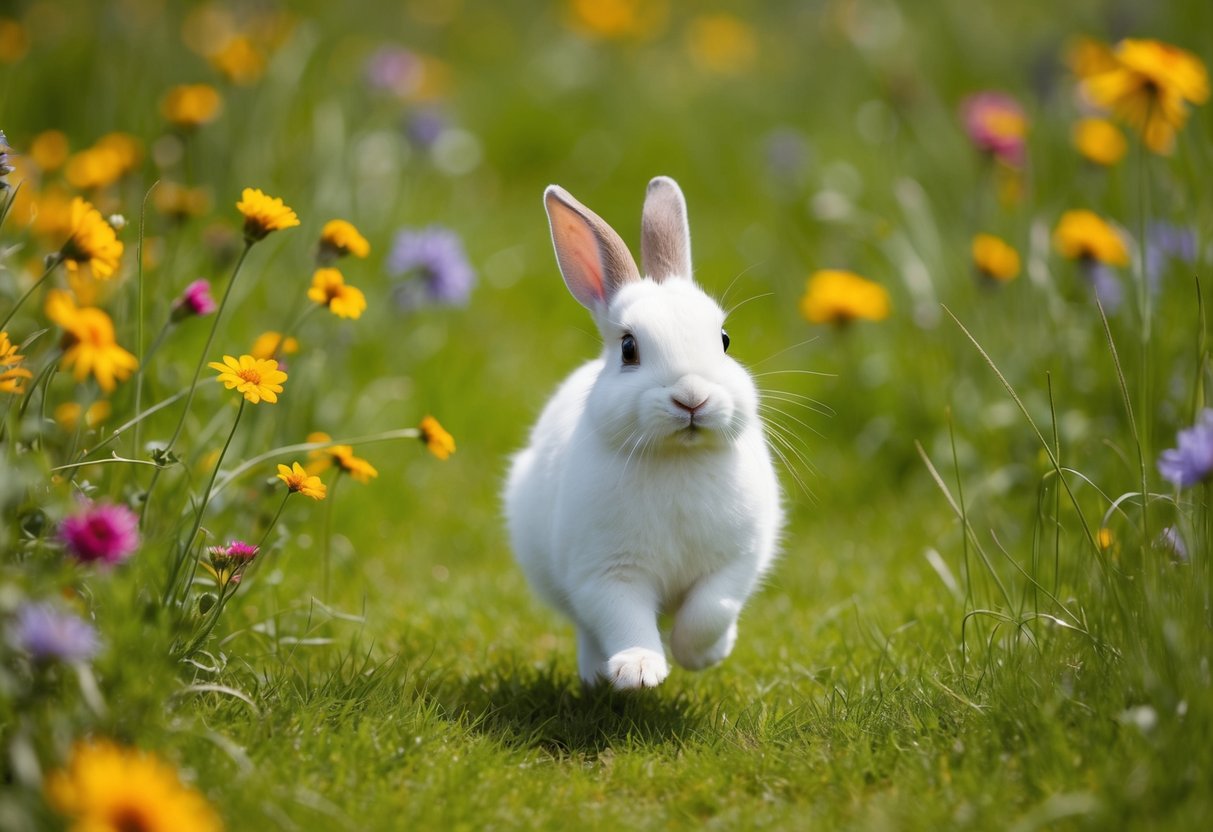
When you think about rabbits, you might picture the fluffy companions that hop around your home or the wild ones bounding through fields. Understanding their full name helps you appreciate the diversity within this species and the many breeds that exist today. Whether you are a current rabbit owner or simply a fan of these adorable mammals, there’s always more to learn about their characteristics and care.
Understanding Rabbits
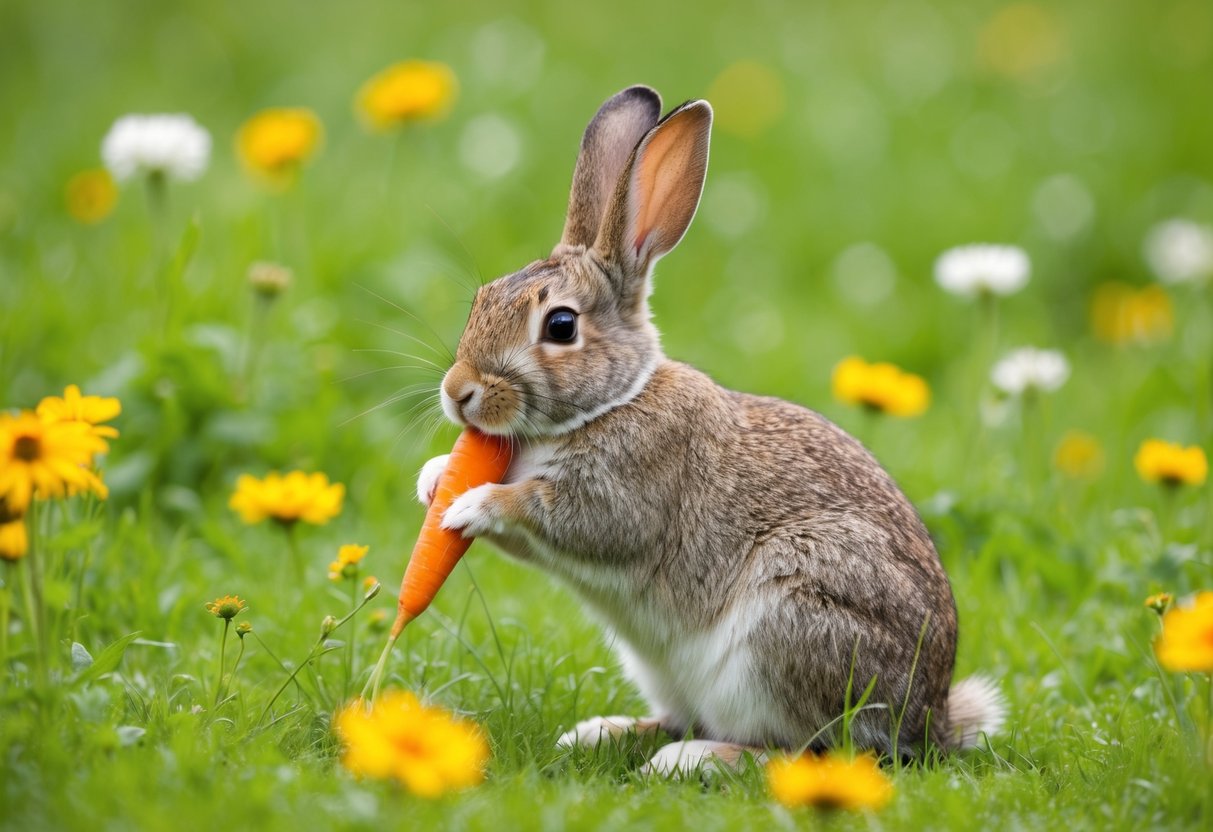
Rabbits are fascinating creatures with unique traits. They belong to the order Lagomorpha and the family Leporidae, which includes various species such as hares. You will discover their classification, physical features, and behaviors that make them interesting animals.
Classification and Species
Rabbits are classified into different species within the family Leporidae. Some of the most well-known types include domesticated rabbits and wild rabbits. Wild rabbits like the cottontail rabbit belong to the genus Sylvilagus.
Other species include the jackrabbit, which is known for its long ears and legs, and the pygmy rabbit, one of the smallest species. The volcano rabbit and the hispid hare are also notable but found in specific regions. Each species has adaptations that help them survive in their environments.
Physical Characteristics
Rabbits have distinct physical traits that vary by species. They are known for their long ears, which can help them detect predators. Their hind legs are powerful, allowing them to leap quickly when they feel threatened.
Their fur, or pelage, comes in many colors and patterns, depending on the species. Wild rabbits often have camouflage to blend in with their surroundings. Domesticated rabbits come in a wider range of appearances due to selective breeding.
Size varies too, from the small pygmy rabbit to larger breeds like the Flemish giant.
Behavioral Traits
Rabbits display interesting behaviors that reflect their adaptations. They are primarily nocturnal, meaning they are most active at night. In the wild, they often live solitary lives, but domesticated rabbits can enjoy company.
Rabbits are territorial and can mark their space with scent glands. They have a unique digestive system, featuring a cecum that helps them process tough plant materials. Their diet mainly consists of hay, vegetables, and fresh greens, necessary for their health.
Understanding these behaviors helps you care for a rabbit or appreciate their wild counterparts.
Rabbit Habitats and Diet
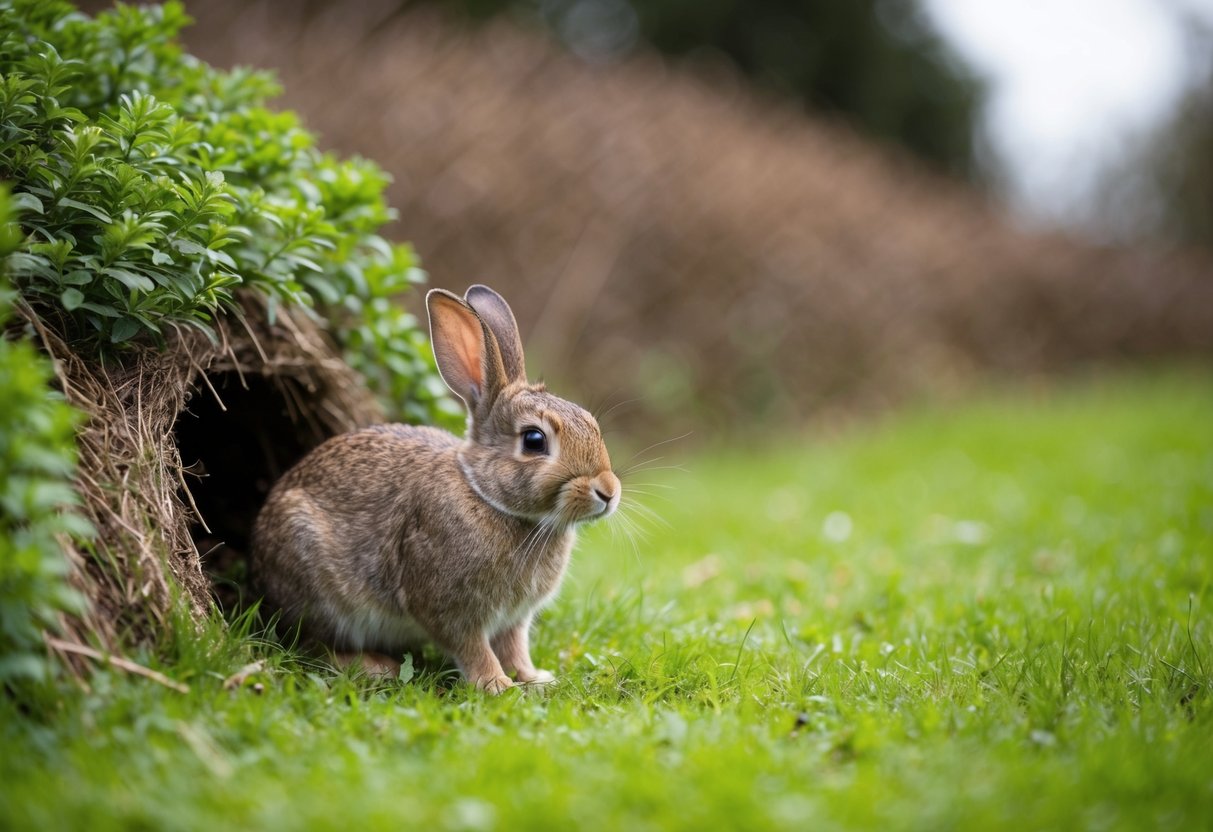
Rabbits thrive in various environments and have specific dietary needs. Understanding where they live and what they eat can help you appreciate these fascinating animals even more.
Natural Environments
Rabbits inhabit a wide range of environments. These include meadows, grasslands, and woodlands. You may also find them in deserts and tropical forests.
Wild rabbits, like the European rabbit, prefer to live in habitats that provide cover and food. They often make burrows or warrens in the ground. These structures offer safety from predators and a place to raise their young, called kits.
Domestic rabbits need suitable habitats too. They thrive in homes with space to explore and play, mimicking their natural habitats. You can create a comfortable environment for your rabbit by providing tunnels, hiding spots, and textures to chew on.
Feeding Habits
As herbivores, rabbits mainly eat plant material. Their diet consists of grasses, leaves, and vegetables.
Wild rabbits have strong teeth for grinding tough plant matter, important for digesting cellulose.
Rabbits need a high-fiber diet to support their digestion. Fresh hay is crucial for their nutrition. You can offer your pet rabbit a mix of hay, pellets, and fresh veggies to keep them healthy.
Keep in mind that some plants can be harmful to rabbits. It’s good to know which foods to avoid, ensuring your rabbit enjoys a safe and nutritious diet. A balanced diet contributes to their well-being and prevents health issues.
Rabbit Reproduction and Care
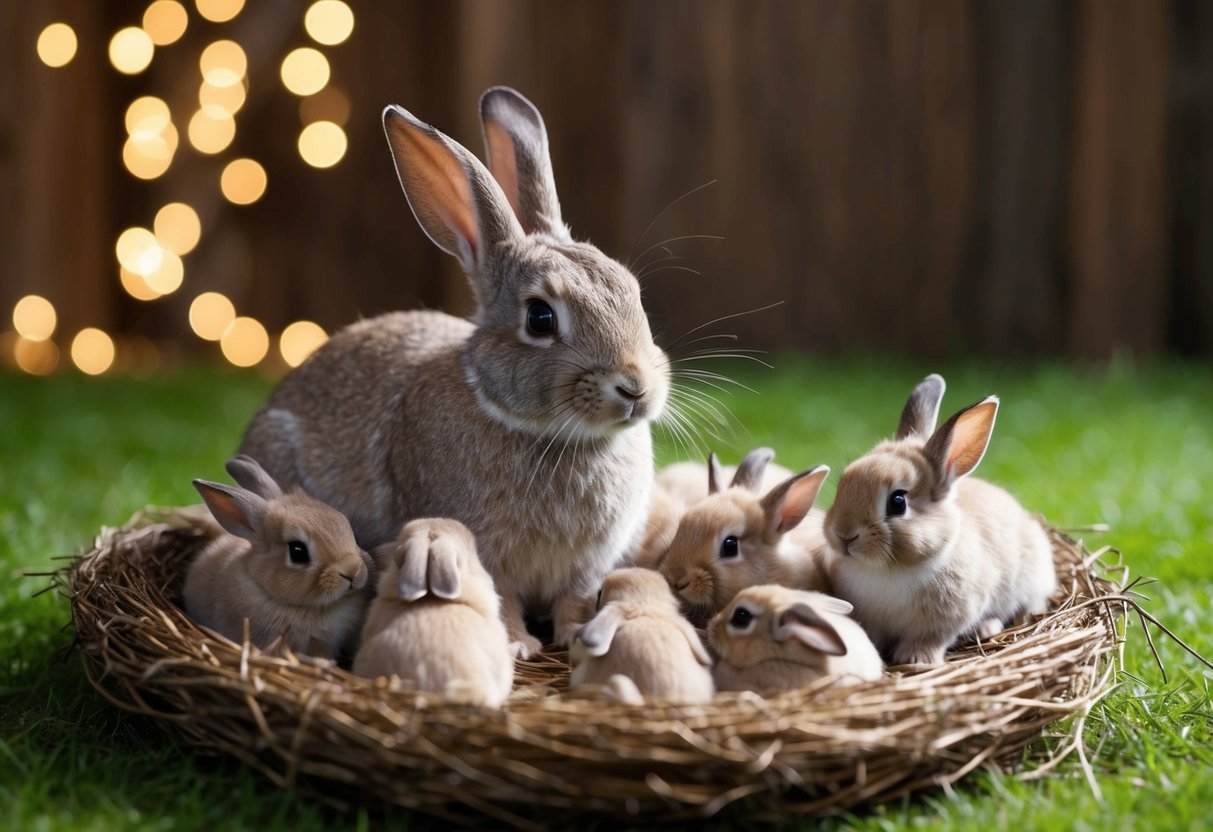
Understanding rabbit reproduction and care is key to raising happy, healthy bunnies. Knowing how breeding works and what your rabbits need during pregnancy can make a big difference in their wellbeing.
Breeding Habits
Rabbits belong to the family Leporidae and are known for their unique breeding habits. A rabbit can reach sexual maturity as early as 3.5 to 4 months old, although this can vary by breed. Female rabbits, called does, can breed often and are induced ovulators, meaning they release eggs during mating.
The typical gestation period for a rabbit is about 28 to 32 days, after which they give birth to a litter, usually consisting of 3 to 12 kits. These babies are born altricial, meaning they are hairless and dependent on their mother’s care. It’s important to allow does to rest between litters for their health.
Raising Rabbits
When raising rabbits, especially for breeding, proper care is vital. Make sure your doe has a safe, comfortable nesting area to give birth.
Providing a balanced diet with plenty of hay and fresh greens will support her health during pregnancy.
After giving birth, you’ll need to monitor the doe and her kits. Kits rely on their mother for warmth and food until they are about 8 weeks old, when they can start to eat solid food.
Always handle them gently to socialize them but avoid too much disturbance.
Taking care of your bunnies includes ensuring they have good living conditions and a proper diet, which helps them grow into strong adult rabbits. This attention to detail can lead to a rewarding experience in cuniculture.
Threats and Conservation
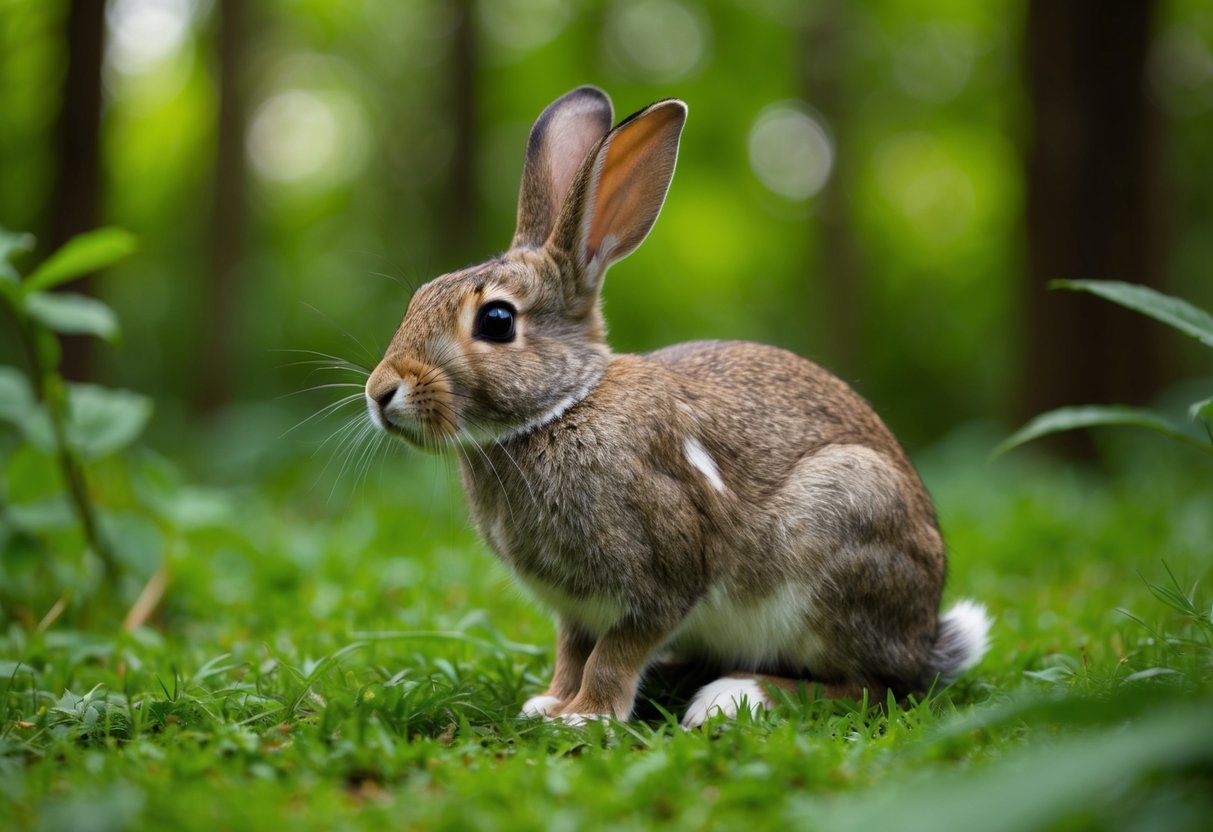
Rabbits face various threats that affect their populations and conservation efforts. Understanding these challenges can help you appreciate the need for protection and conservation measures.
Predators and Diseases
Rabbits are prey animals and have many natural predators. Some of their main predators include foxes, hawks, and coyotes. These animals play a role in the ecosystem but can significantly impact rabbit populations.
In addition to predators, diseases pose another serious threat. One of the most notorious is myxomatosis, which can devastate rabbit communities. This virus is transmitted by fleas and mosquitoes, causing severe suffering and high mortality rates.
Pet rabbits, like the American Fuzzy Lop or other domesticated breeds, are also at risk for certain diseases. Regular veterinary care is essential to keeping companion rabbits healthy.
Human Impact and Protection
Human activities have a major impact on rabbit populations. Urban development often leads to habitat loss, making it difficult for rabbits to find food and shelter. Pollution can further harm their environment, affecting their overall health.
Conservation efforts are vital for protecting both wild and domesticated rabbits. You can support these efforts by being mindful of your actions. For example, you can preserve natural habitats and opt for sustainable practices. Many organizations work to protect endangered species, like the Amami rabbit, which is confined to specific areas in Japan. By becoming aware of these challenges and supporting protective measures, you can contribute to the conservation of these fascinating animals.


