
Badgers are fascinating animals that capture our curiosity. As omnivores, they have a varied diet that allows them to thrive in different environments. The main staple of a badger’s diet is earthworms, which can make up about 80% of what they eat.
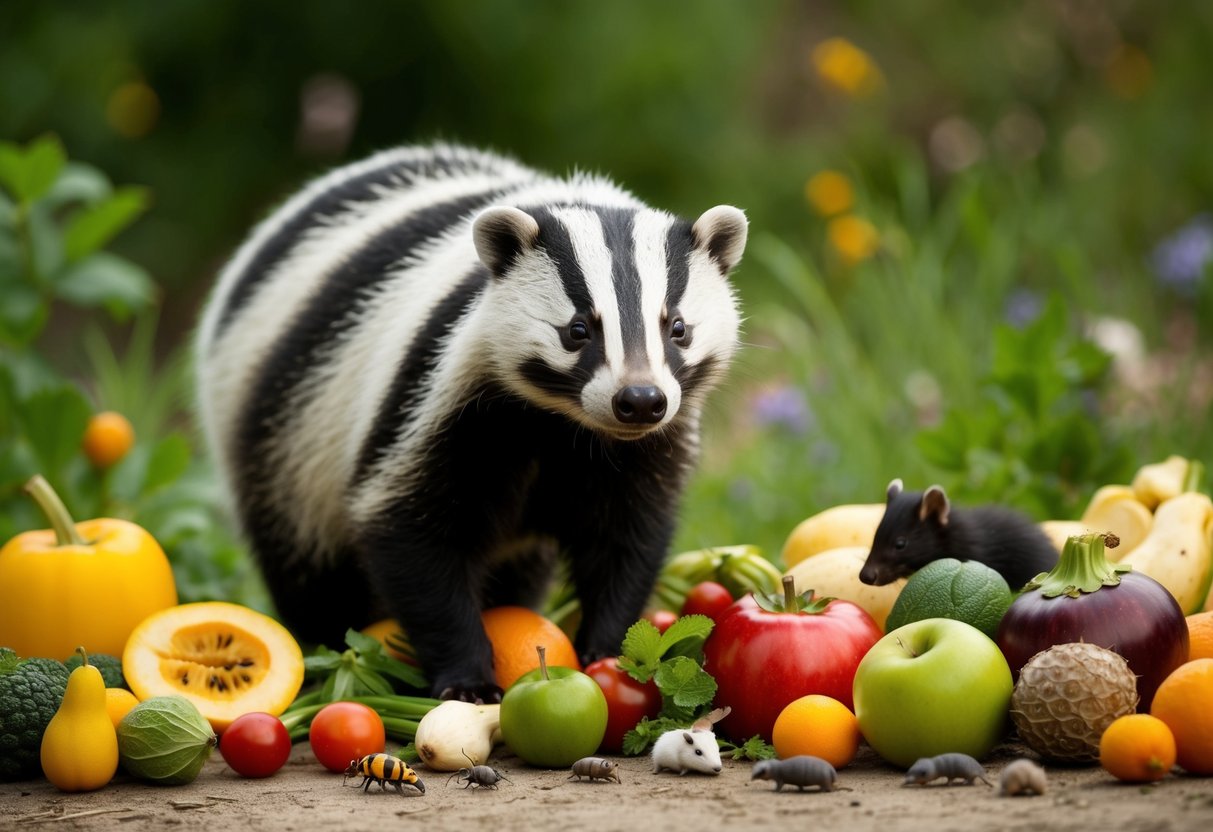
In addition to worms, badgers enjoy a mix of fruits, nuts, seeds, and even small animals like rodents and rabbits. Their eating habits are quite flexible, adapting to the food that’s available around them.
Exploring the diet of badgers opens up a window into their behaviors and habitats. Whether you’re a nature enthusiast or just curious about wildlife, understanding their eating habits can deepen your connection to the natural world.
Dietary Habits and Food Preferences

Understanding what badgers like to eat helps you appreciate these fascinating animals. They have a varied diet, including fruits, small creatures, and different hunting strategies.
Fruits, Nuts, and Plant Materials
Badgers enjoy a range of plant foods. They particularly like fruits such as apples, berries, and cherries. These natural snacks provide essential vitamins.
Nuts, like acorns, are another favorite, especially during autumn when they are easily available.
You might spot them foraging for roots and tubers. Badgers dig up root vegetables, which add variety to their diet. Corn and legumes are also on the menu, especially in agricultural areas. They will take advantage of farmers’ fields, snacking on crops when they can.
Invertebrates and Small Creatures
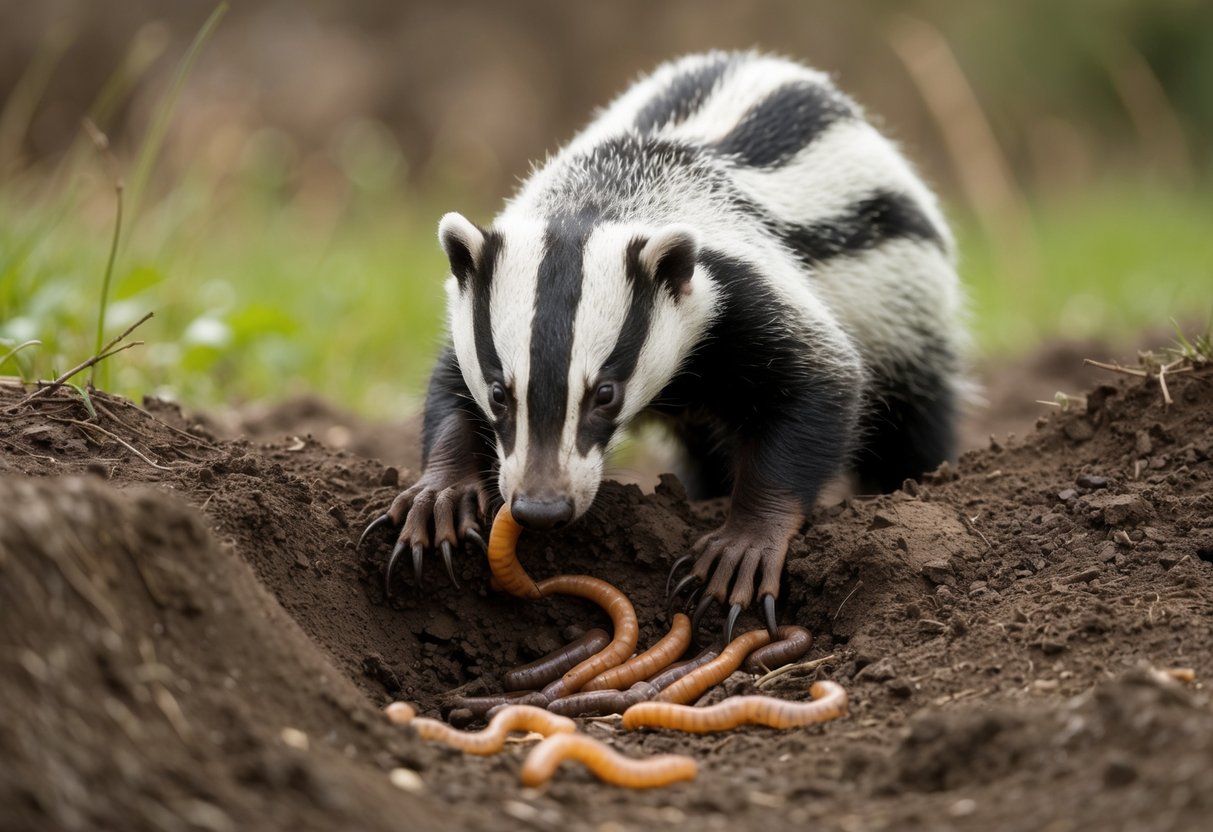
Invertebrates are a significant part of their diet. Badgers often hunt for insects, including grubs, slugs, and earthworms. A large portion of their meals consists of earthworms, making them essential for their nutrition.
Small mammals like mice, voles, and rabbits also attract their attention. Badgers use their excellent digging skills to find these animals. You may see them digging up rodents in their burrows or searching in tall grass.
Hunting Strategies and Prey
When hunting, badgers are cunning and determined. They can be solitary or work in pairs to catch their prey. Their strong sense of smell helps them locate food hidden underground.
They often target small mammals and even take advantage of carrion when the opportunity arises. Badgers are skilled at ambushing animals like rabbits and other small creatures. They will adapt to the availability of food, showcasing their flexible and varied eating habits.
Badger Species and Their Diets
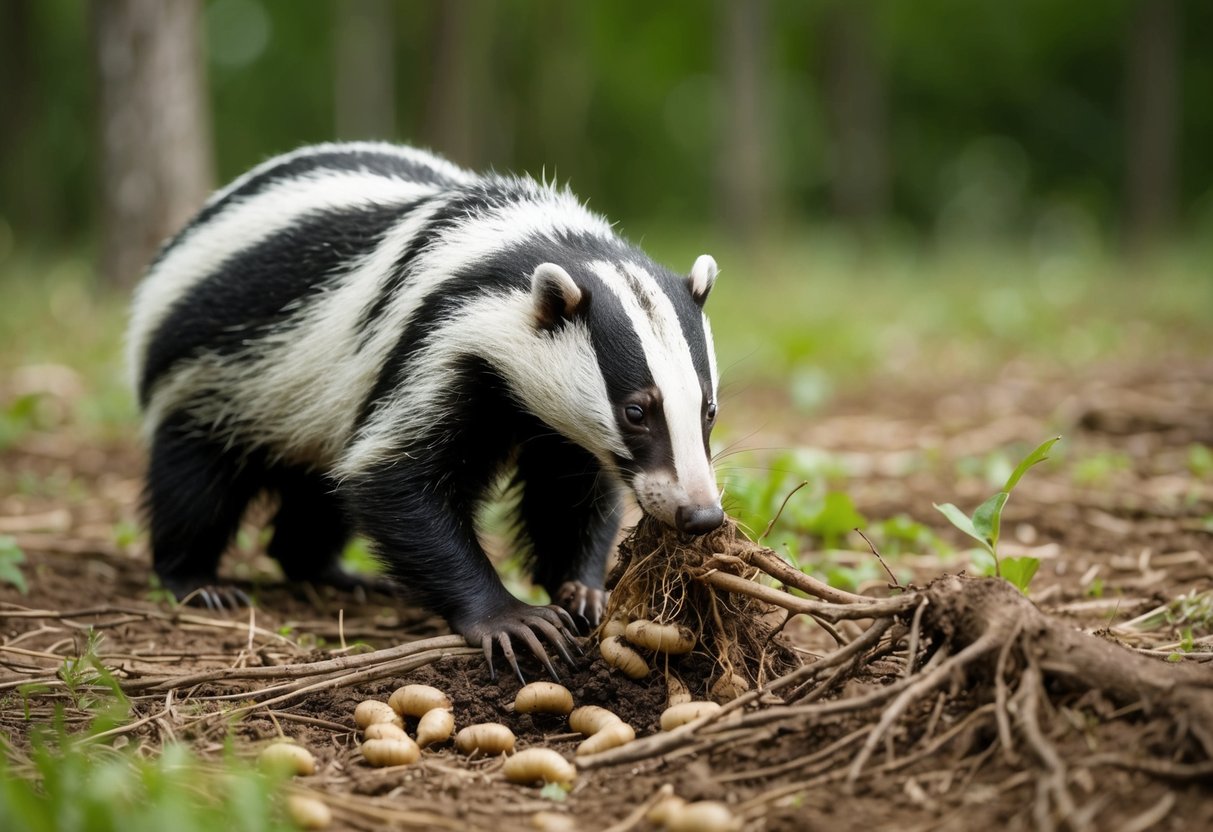
Different badger species have distinct diets based on their habitats and food availability. You’ll find a variety of foods in their meals, ranging from insects to small mammals, adapting to their surroundings.
European Badger
The European badger primarily eats earthworms, which make up about 80% of its diet. They are nocturnal and can consume several hundred worms each night.
You will also find them munching on small mammals, like rodents, and occasionally eating reptiles and amphibians.
European badgers are distributed across Europe, mostly in woodlands and farmlands. They are social animals living in family groups known as setts. The species is currently listed as Least Concern on the IUCN Red List, thanks to their adaptable nature and stable population in many areas. However, habitat loss does threaten some local populations.
American Badger
The American badger has a varied diet that includes small rodents such as prairie dogs and ground squirrels. They are excellent diggers, using their strong claws to excavate burrows in search of their prey.
In addition to rodents, they may also eat insects, birds, and even the occasional reptile.
This species is found primarily in the grasslands and plains of North America. American badgers are generally solitary animals. They are not currently at risk, making them a species of Least Concern based on their IUCN classification. Their population remains stable, but they can face threats from human activity, like road construction.
Honey Badger
The honey badger, or ratel, stands out due to its fearless nature and diverse diet. You might be surprised to learn they eat a variety of prey including venomous snakes, scorpions, and even hedgehogs.
Their strong skin and resistance to venom make them effective hunters of dangerous prey.
These badgers are mainly found in Africa, Southwest Asia, and India. Honey badgers tend to be solitary and are known for their resourcefulness when foraging. Although classified as Least Concern on the IUCN Red List, they face habitat loss and human-wildlife conflict, impacting their populations.
Badger Behavior and Lifestyle
Badgers have unique behaviors and lifestyles that help them survive in their environment. They are primarily nocturnal and tend to live solitary lives. Additionally, their burrowing habits play an important role in their habitat and reproduction.
Nocturnal and Solitary Nature
Badgers are primarily nocturnal, meaning they are most active at night. This behavior helps them avoid many predators, like coyotes and other larger animals.
You might spot them digging or foraging during dusk or dawn. Living a solitary lifestyle allows them to hunt independently for food, such as small mammals and insects.
Though they are solitary hunters, badgers sometimes form unusual partnerships with coyotes. They have been observed hunting together, which can be beneficial for both species. When faced with danger, badgers can be brave and will fight to defend themselves, despite their smaller size.
Burrowing and Habitat
Badgers are well-known for their burrowing abilities. They dig extensive tunnel systems called burrows, which serve as homes and nesting sites.
These burrows provide protection from harsh weather and predators.
Their habitats vary but usually include grasslands, forests, and open fields. Badgers prefer areas with loose soil, making it easier for them to dig. Inside their burrows, you might find chambers where they rest and raise their young.
The conservation status of badgers varies across species. While some, like the American badger, are stable, others may face threats from habitat loss and human activity.
Reproduction and Lifespan
Badgers have a defined life cycle. They usually mate in late winter. The female has a gestation period of about six to eight weeks. After this time, she gives birth to a litter of cubs, typically ranging from two to five.
These cubs are born blind and helpless, relying on their mother for care. They begin to explore outside the burrow at about eight weeks. Badgers can live for several years, but their lifespan may be shorter in the wild due to predators and environmental threats. Therefore, knowing about their reproductive habits is essential for understanding their population dynamics and conservation efforts.


