
Badgers are fascinating nocturnal creatures that roam the night in search of food and adventure. In the UK, these animals have a unique way of exploring their habitat, making them a joy to observe. If you’ve ever wondered how far badgers travel during their nightly forages, you’re in for an interesting answer.
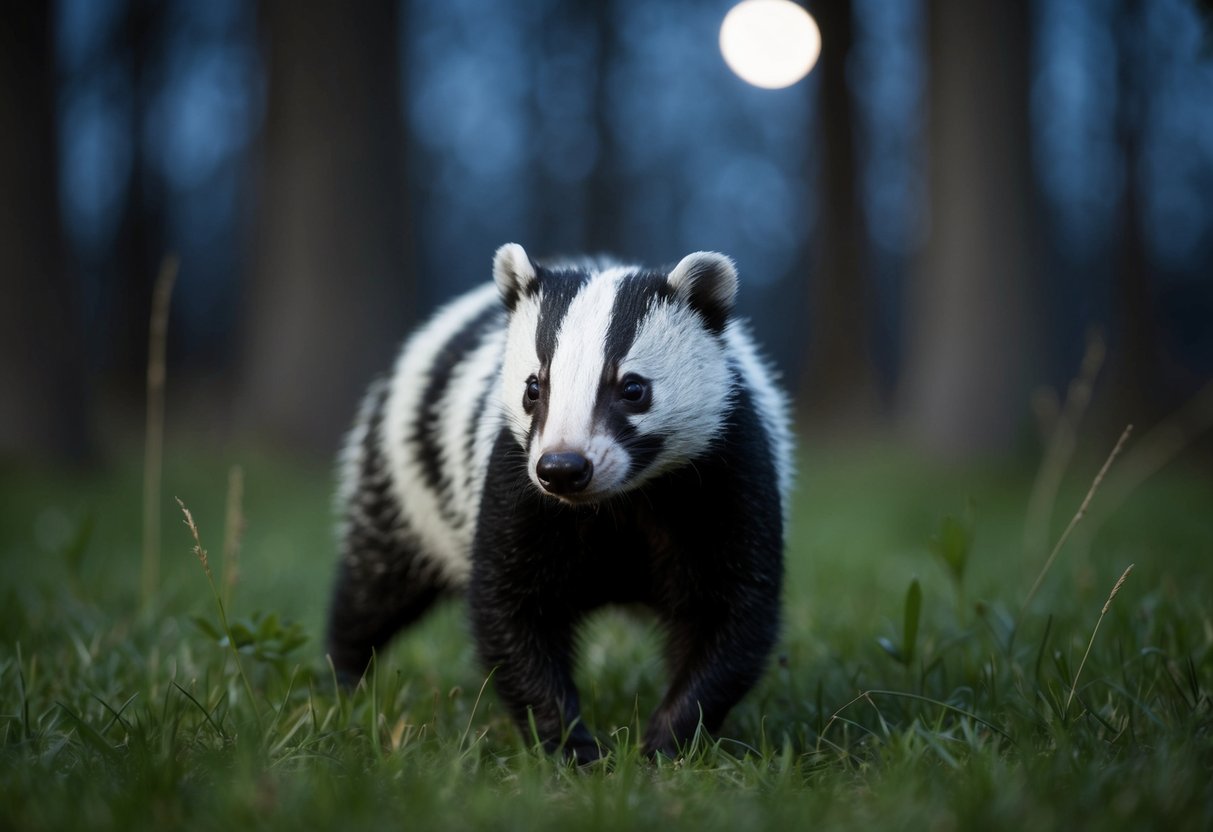
Badgers typically roam between 1 to 2 kilometers each night, but this distance can vary based on food availability and habitat conditions. Their keen sense of smell guides them as they seek out tasty treats like worms, insects, and fruits. Understanding their roaming habits helps you appreciate their role in the ecosystem and can even enhance your night-time wildlife watching experience.
Curious about how badger movements can change with the seasons? Or what signs to look for to know they’ve been in your area? Keep reading to learn more about these remarkable animals and how to spot them in the wild!
Badger Habitats and Territories
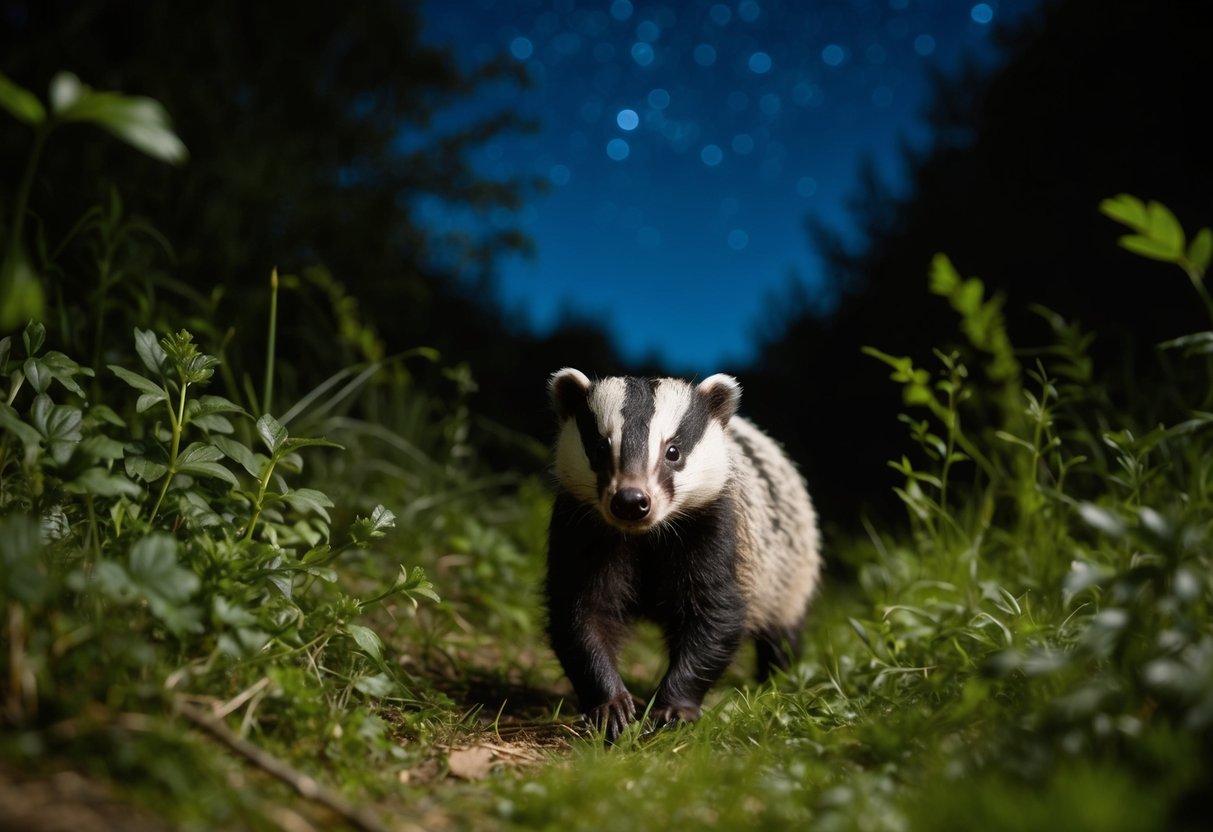
Understanding badger habitats and their territories is key to knowing how these animals live and roam at night. Badgers require specific locations for their setts and maintain territories to thrive in the wild.
Understanding Sett Locations
A badger sett is an intricate network of underground burrows. These burrows are usually found in woodlands, grasslands, or even open fields. Badgers prefer areas with soft soil that allows for easy digging.
Your chances of spotting a badger increase near their setts, particularly at dusk when they emerge to forage. The entrance to a sett can often be spotted by its distinctive shape, which may have a slight mound of soil around it. Badgers choose wooded areas for cover and safety, making them less vulnerable to predators.
Territory Size and Boundaries
Badgers are territorial animals, with each group occupying a specific area. The size of these territories can range from 20 to 50 hectares (49 to 124 acres) in rich habitats. In poorer areas, territories can even expand up to 150 hectares (370 acres).
Each clan marks their territory using scent and physical signs. These boundaries help reduce conflicts with other badger groups. You might notice pathways worn by badgers leading to feeding grounds, which indicate the areas they roam.
This combination of sett locations and territorial boundaries is vital for their survival and social structure. Knowing this will enhance your understanding of how far badgers travel at night and where to look for them.
Foraging Behavior and Diet
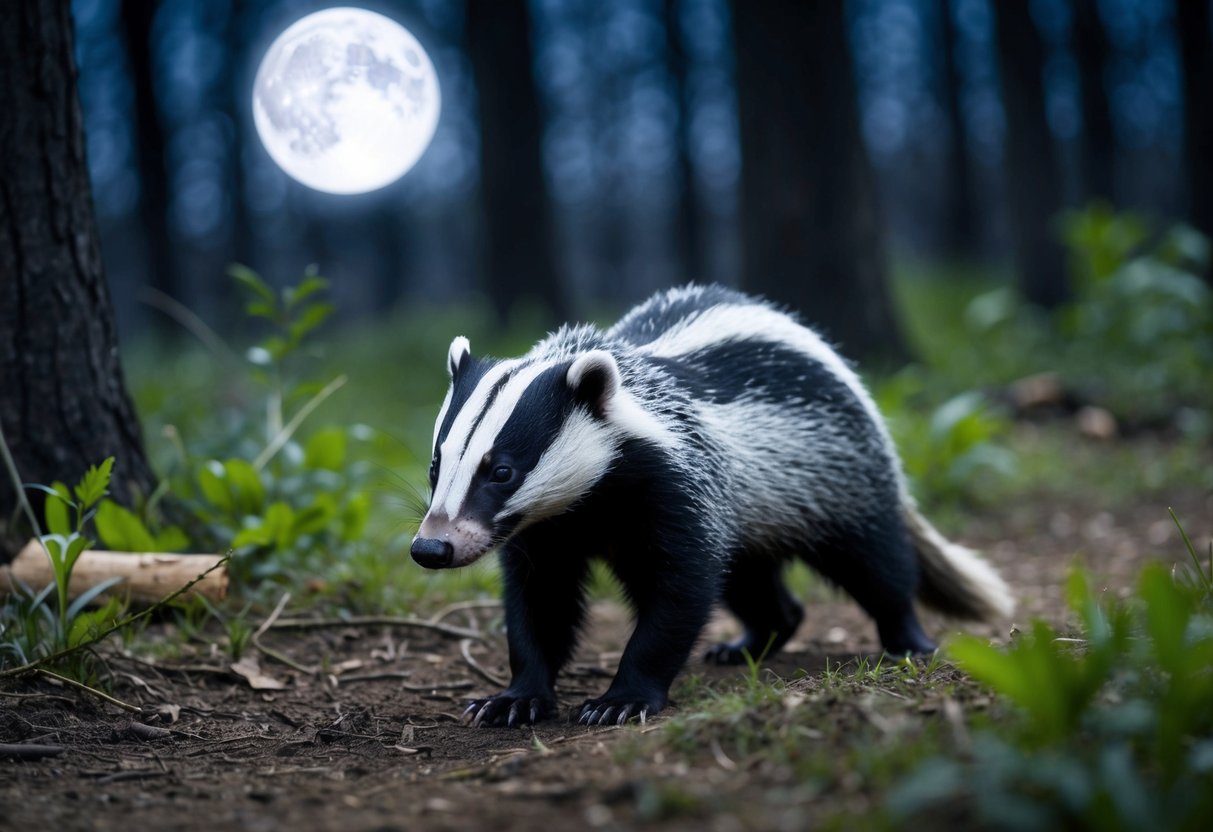
Badgers are active foragers at night, searching for food to support their varied diet. They roam large distances and adapt their eating habits based on what is available, making their foraging strategies quite interesting.
Nightly Ranges in Search of Food
When foraging, badgers can travel about 1 to 3 miles each night. This distance may vary depending on food availability and the time of year. You might spot them in fields, gardens, or nearby woodlands.
Their nighttime activities are critical for finding enough food. Badgers are most active during warm, damp nights, which are ideal for digging up earthworms. They often visit the same locations regularly, creating well-worn paths.
Dietary Preferences and Seasonal Changes
Badgers have a diverse diet, mainly because they are omnivores. Earthworms are a staple, making up to 80% of their diet during certain times. In addition to worms, they enjoy insects, seeds, and even small mammals.
Seasonal changes affect their food choices. In autumn, badgers eat more fruits and berries, such as blackberries and apples. They also dig for bulbs and roots to sustain them through winter. This adaptability helps them thrive in various environments.
Badger Social Structure
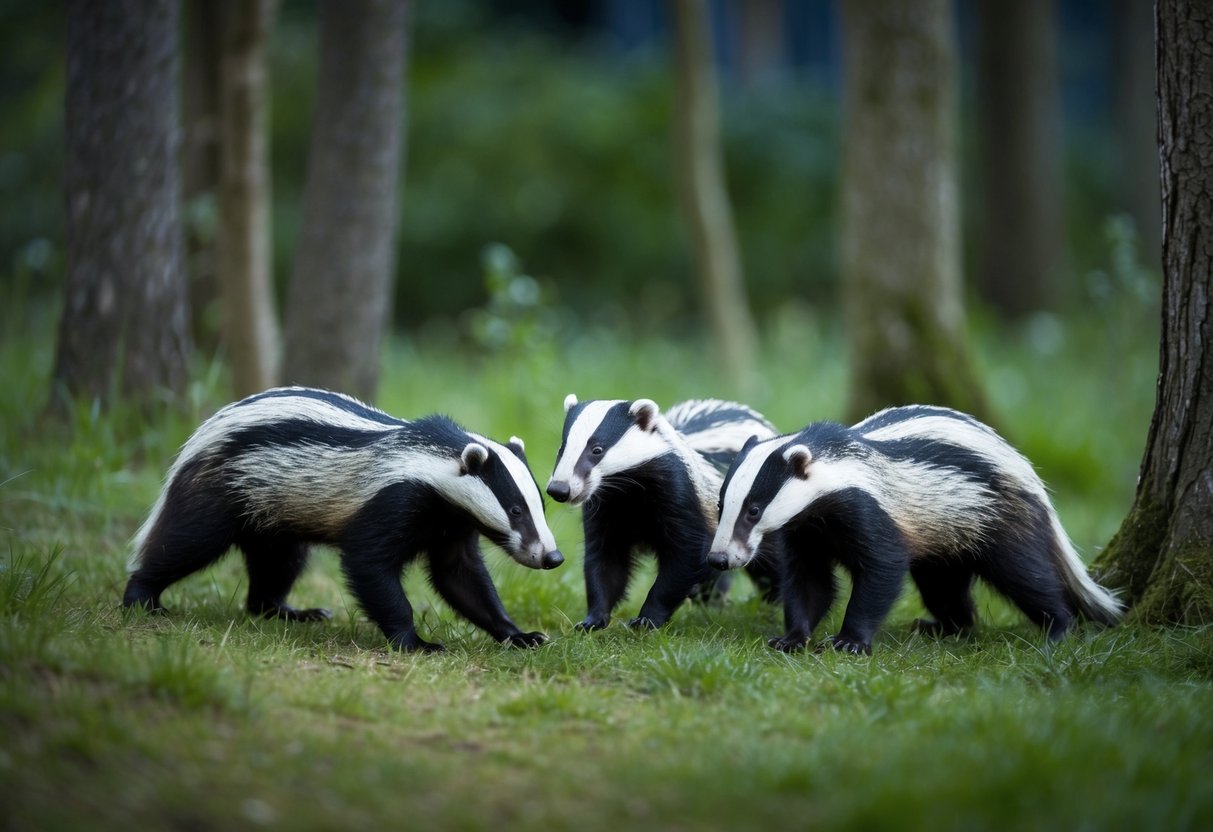
Badgers have a unique social structure that helps them thrive in their environment. They form family groups called clans, which play a crucial role in their social interactions and communication.
Clan Organization and Social Interactions
In the UK, badgers live in social groups known as clans. A typical clan consists of around four to eight badgers, though numbers can vary. These clans are made up of sows (females), boars (males), and their young, called cubs.
Within the clan, you will find strong bonds. Members protect each other and cooperate in foraging for food. They often play together and engage in social grooming, which strengthens their ties. Mating usually occurs within the clan, and cubs are born in the spring, further fostering a close-knit environment.
Scent Marking and Communication
Badgers communicate in various ways, with scent marking being one of the most important methods. They have scent glands located near their tails, which they use to mark their territory. You may notice them scratching trees or shrubs to leave their scent.
This scent marking helps badgers recognize one another and establish boundaries with other clans. They also use vocalizations, like growls and snorts, to convey different messages, whether it’s a warning or an invitation to play. Through these methods, badgers maintain their social structure and find security within their clans.
Conservation and Wildlife Protection
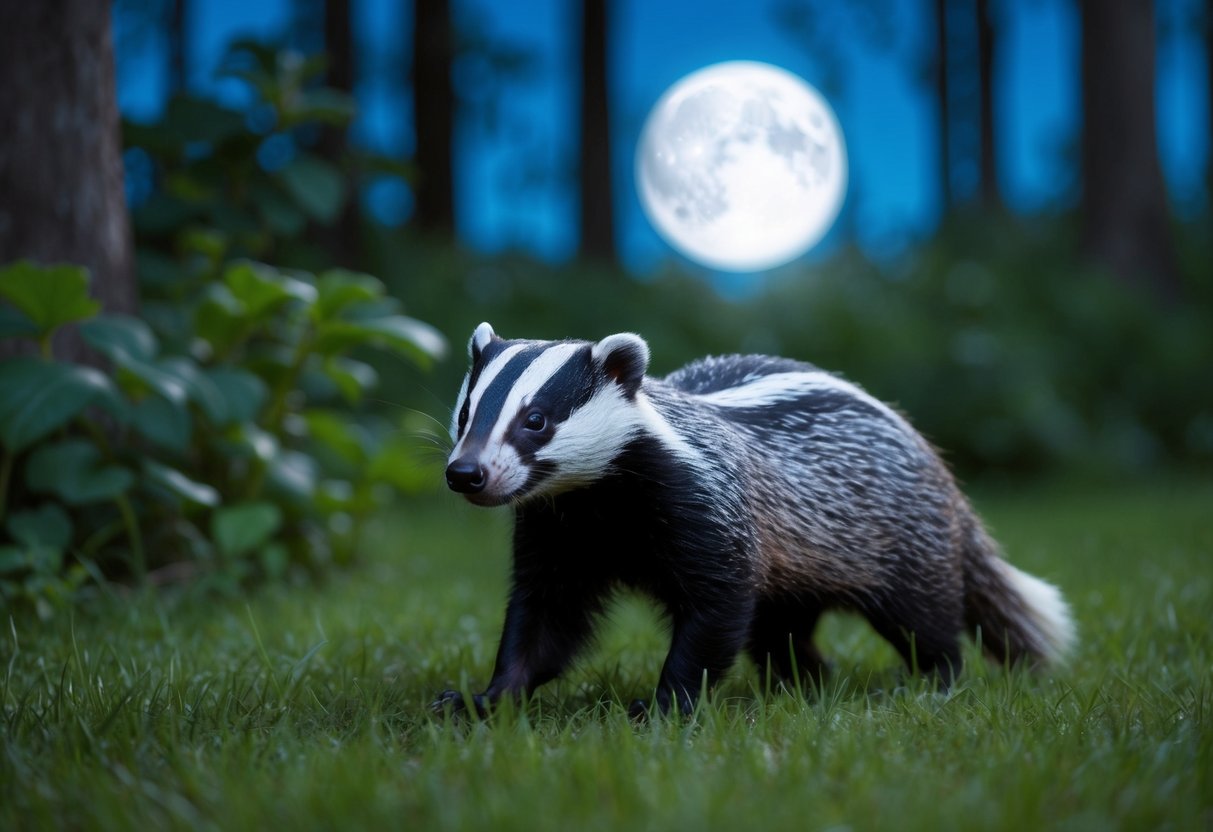
Badgers are a vital part of the UK’s wildlife, but they face several challenges. Understanding how to protect them and their habitats is crucial for their survival. You can help support their conservation and appreciate these fascinating creatures.
Threats to Badger Populations
Badgers encounter multiple threats that can harm their populations. One major issue is habitat loss, which occurs due to urban development, agriculture, and road construction. This reduces their living space and food sources.
Additionally, badgers are at risk from road accidents, as they often roam at night, searching for food. Another significant danger comes from diseases such as bovine tuberculosis (bTB). This disease can spread within badger populations and even affect livestock, leading to controversial culling practices.
These threats can greatly impact the native badger population. By understanding these dangers, you can take action to support their survival.
Legal Protection and Conservation Efforts
The Protection of Badgers Act 1992 and the Wildlife and Countryside Act 1981 protect badgers in the UK. These laws safeguard them from hunting and disturbance, allowing badgers to thrive in their natural habitats.
Various conservation groups work tirelessly to monitor badger populations and promote awareness. They organize events like badger watching, which lets you witness these animals in their natural environment without causing harm.
Protecting badgers also means educating the public on their importance to the ecosystem. Sharing resources like badger videos can help raise awareness and inspire others to get involved.
Supporting these efforts helps ensure that badgers continue to be a cherished part of the UK’s wildlife.


