
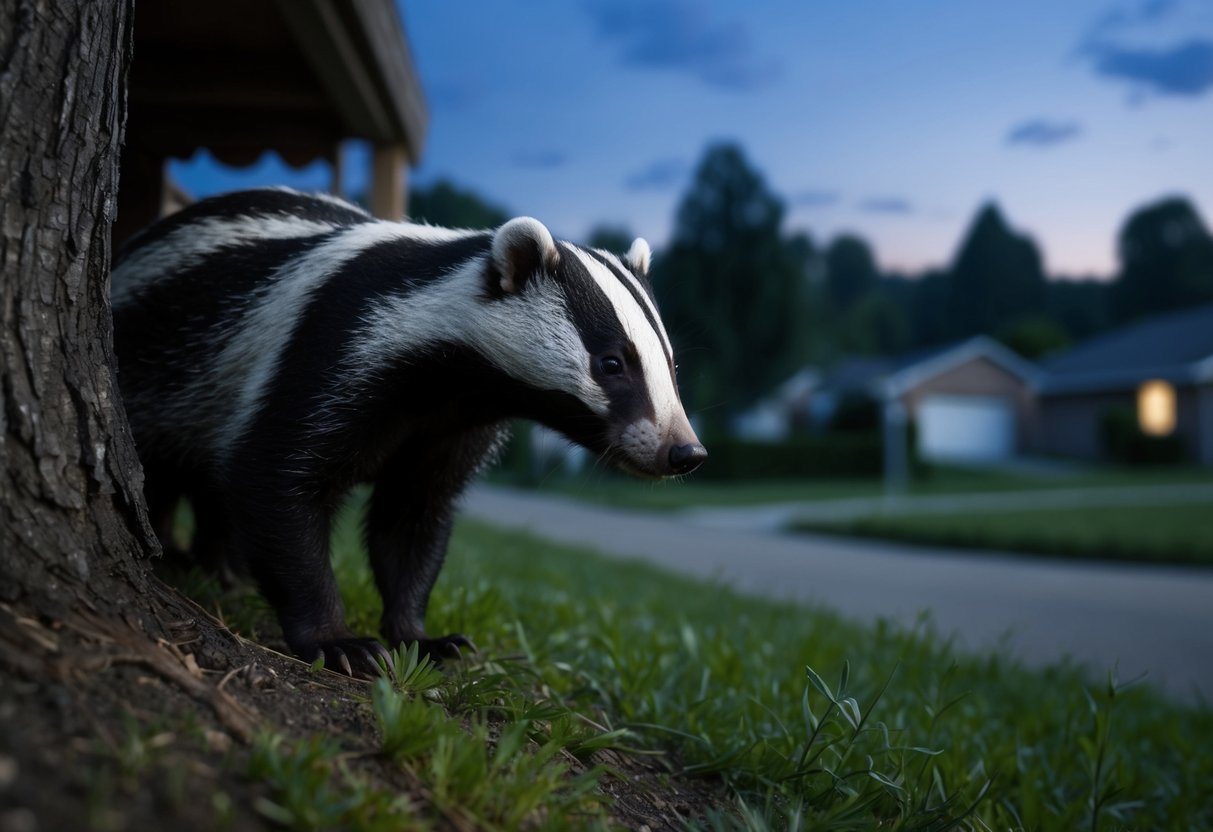
Badgers are fascinating creatures that are often spotted in various habitats, but you might wonder if they venture into urban areas. Yes, badgers do come into towns, especially in search of food and shelter. As cities expand, these animals adapt and find ways to coexist with human populations, leading to more frequent badger sightings in suburban and urban environments.
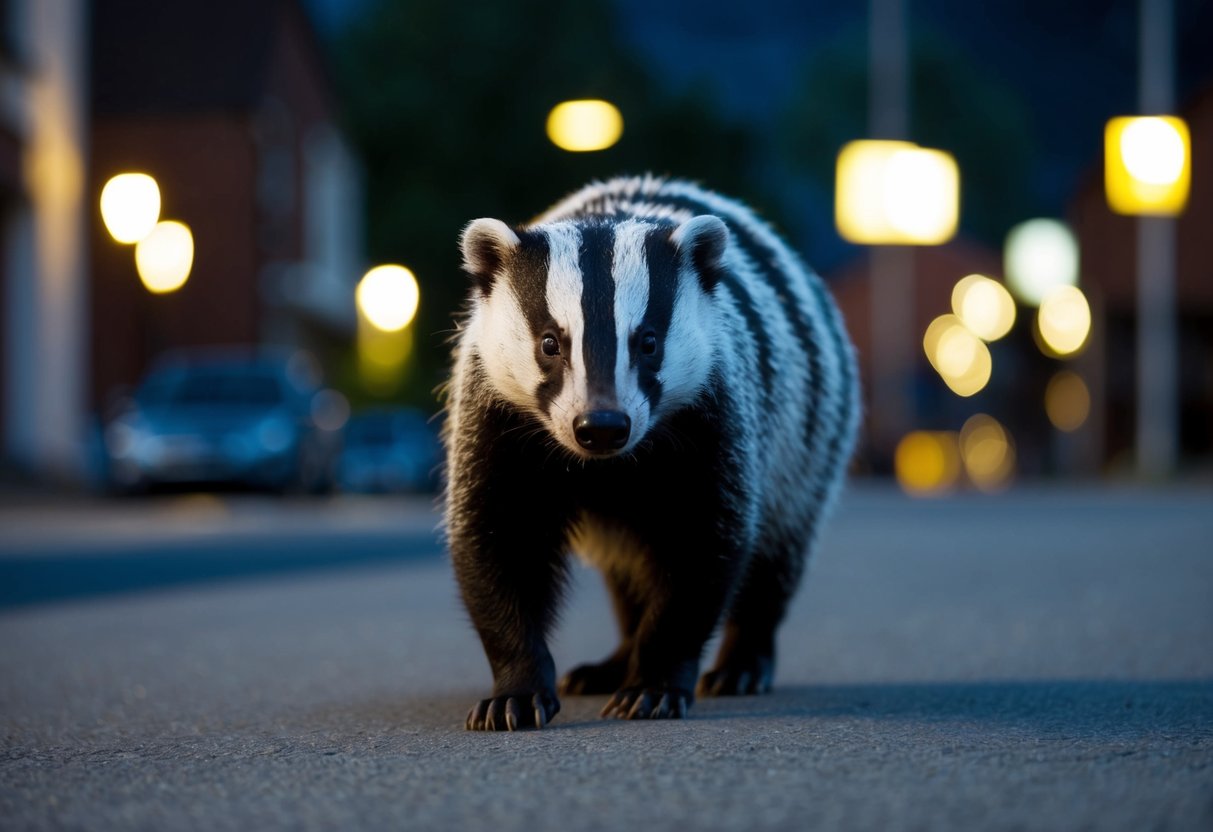
When badgers enter towns, they may rummage through gardens, parks, and other green spaces. Their presence can spark curiosity as well as concerns among residents. You might notice them in the evenings and nights when they are most active. Understanding their behavior can help you appreciate these intriguing animals and the role they play in your local wildlife.
Living near badgers can be an interesting experience. Observing their habits and finding ways to coexist can enhance your appreciation for nature. Whether you’re a wildlife lover or simply curious about local creatures, knowing more about badgers can deepen your connection to the environment around you.
Badgers and Their Habitats
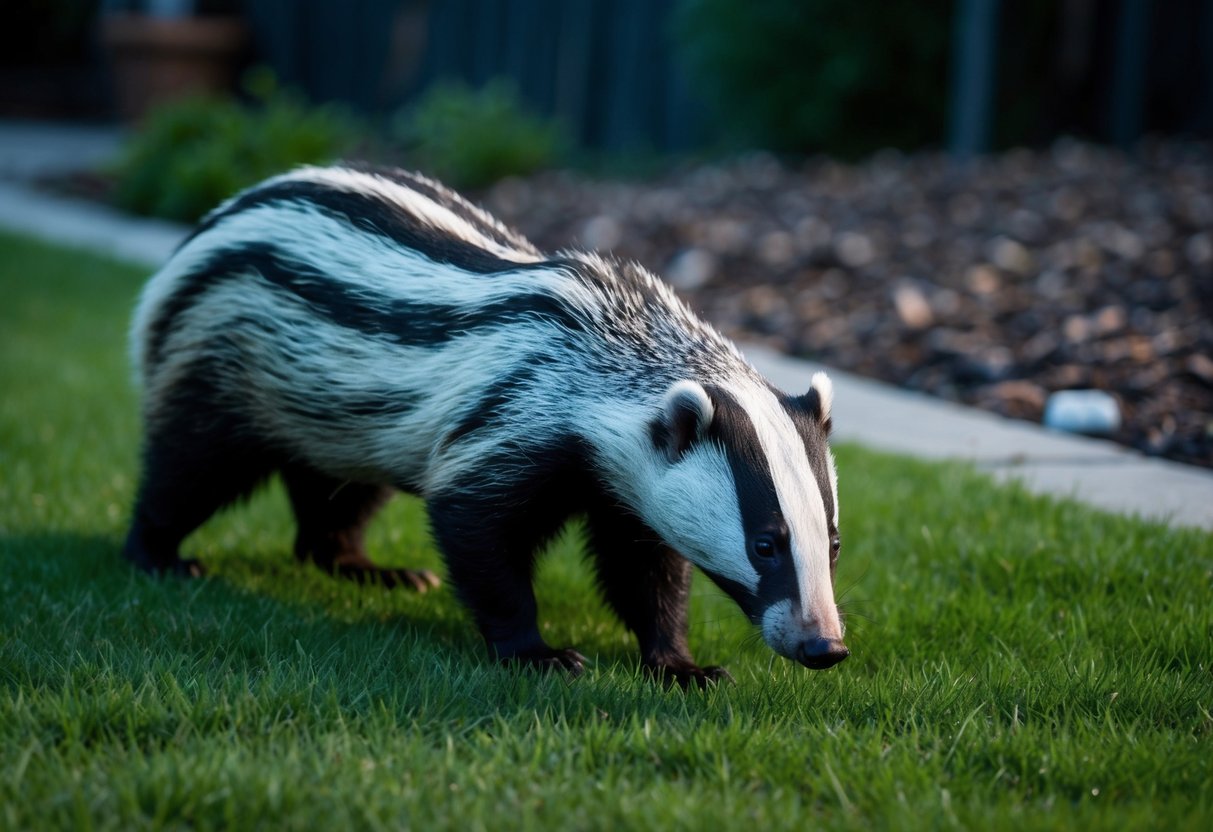
Badgers are adaptable creatures that can live in various environments. Their habitats play a crucial role in their survival and daily activities. You will learn about the characteristics of badger habitats and the impact of habitat loss due to urbanization.
Understanding Badger Habitats
Badgers prefer specific habitats like grasslands, woodlands, and scrublands. They create homes called setts, which are burrows dug into the ground. These setts can have multiple entrances and serve as places to sleep, rear young, and store food.
Badgers play a vital role in their ecosystems. Their digging habits help aerate the soil. This activity enhances plant growth and promotes biodiversity. They primarily feed on small mammals, insects, and plants, helping to maintain the ecological balance in their habitats.
Habitat Loss and Urbanization
As towns expand and landscapes change, badger habitats face threats. Urbanization leads to habitat loss, which can disrupt their natural living conditions. Roads, buildings, and other structures can isolate badger populations.
This loss impacts biodiversity. When badgers lose their homes, it can affect other species in the ecosystem as well. Fewer badgers can lead to an imbalance in the population of their prey.
To help badgers thrive, it is essential to preserve natural habitats and create wildlife corridors. These solutions can protect their habitats while allowing badgers to roam safely between areas.
Behavioral Traits and Lifestyle
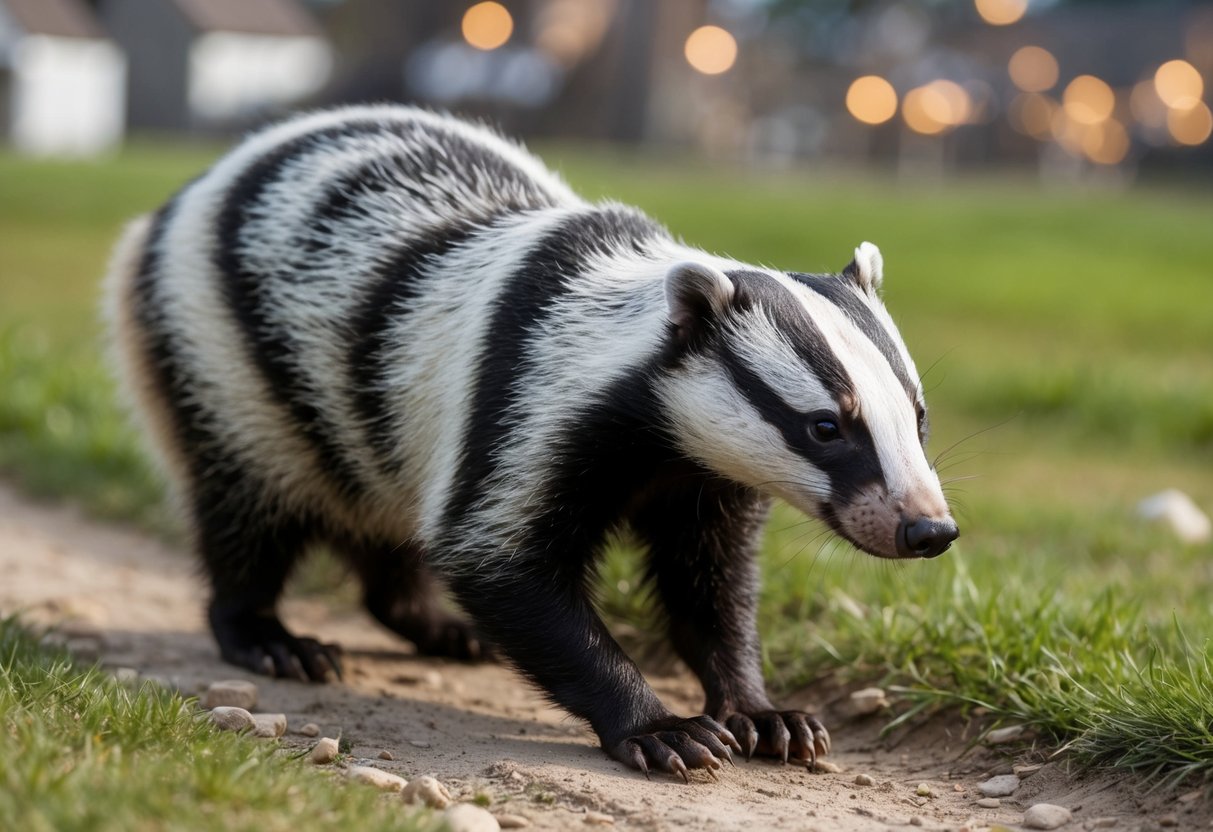
Badgers have unique behaviors and lifestyles that help them adapt to their surroundings. They are primarily nocturnal, have interesting feeding habits, and maintain a complex social life. Let’s explore these traits in detail.
Nocturnal and Burrowing Behaviors
Badgers are nocturnal animals, meaning they are most active at night. They emerge from their burrows at dusk to search for food. Their strong digging claws allow them to create complex underground tunnels that serve as homes.
These burrows provide shelter and protection from predators. A badger’s fur helps with camouflage, allowing them to blend into their surroundings. You might notice them foraging for their favorite snacks, such as earthworms, insects, and small mammals. Their digging behavior is not just for food; it also helps them maintain and expand their living spaces.
Diet and Prey
As carnivorous mammals, badgers have a varied diet. They enjoy hunting for earthworms, small rodents, and insects. Their keen sense of smell helps them locate prey hidden underground.
Badgers are opportunistic feeders, which means they will eat whatever is available. This flexibility in diet helps them thrive in urban areas where food sources may differ from their natural habitats. Their strong claws are perfect for digging up prey, and their nocturnal habits make them skilled hunters at night.
Social Structure and Mating
Badgers typically lead a solitary lifestyle. While they may interact with others during the mating season, they prefer to stay alone most of the time. Mating occurs primarily in late winter, and females undergo delayed implantation. This means the fertilized eggs don’t develop right away.
When spring arrives, females give birth to cubs in their burrows. The mother cares for her young and teaches them how to dig and hunt. Cubs usually stay with their mother for several months before venturing out on their own. Even though badgers are known to be aggressive when threatened, they are caring mothers who protect their young.
Badgers Around the World
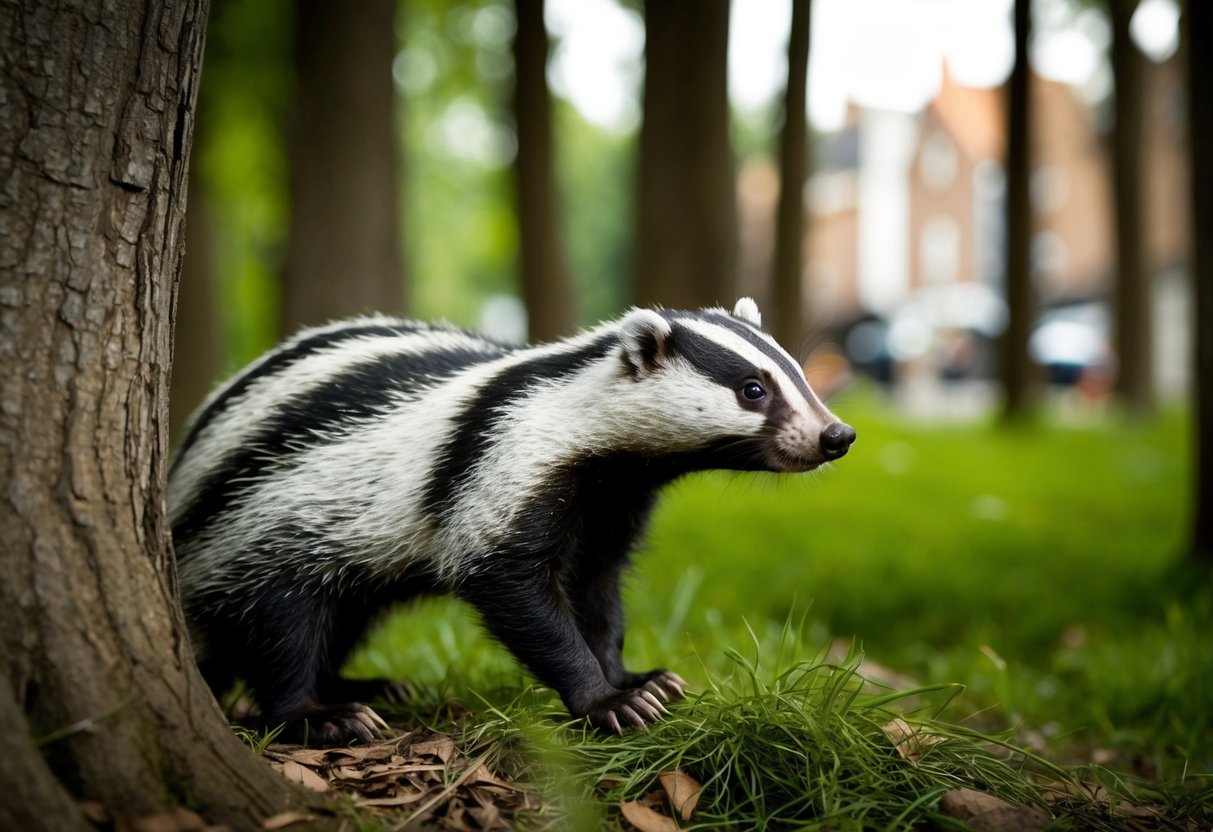
Badgers are fascinating creatures with a wide variety of species spread across different regions. Understanding their diversity, habitats, and unique characteristics can help you appreciate these animals more. Let’s explore some key badger species and where they can be found.
Species Diversity and Distribution
There are several badger species, each with its unique traits and habitats. Badgers belong to the family Mustelidae and vary in size, color, and behavior. Some of the prominent species include the American badger, European badger, and honey badger.
These animals mostly prefer open landscapes like grasslands, forests, and even urban areas. They can adapt to various environments, which helps explain their global distribution. For example, the American badger can be found in North America, from California to Wisconsin, also known as the Badger State.
The American Badger
The American badger (Taxidea taxus) is a stout, powerful animal. You can recognize it by its grayish-brown fur with distinct white facial markings. They are well-adapted to burrowing, making them excellent diggers.
American badgers primarily inhabit grasslands, open plains, and some agricultural areas. You might encounter them in states like California and Wisconsin. Their diet consists mainly of small mammals, making them an important part of the ecosystem.
With a stable population, the conservation status of the American badger is generally favorable. However, habitat loss remains a concern, especially as urban areas expand.
The European Badger
The European badger is another widely recognized species, easily identified by its black-and-white striped face. These animals are larger than their American cousins and have a robust build.
European badgers live in sets, which are burrows dug into the ground. They thrive in woodlands, farmlands, and even suburban areas, showcasing remarkable adaptability. You can find them throughout most of Europe, including the UK.
Their diet mainly includes earthworms, insects, and fruits. Though their population is relatively stable, certain regions face threats due to habitat destruction and culling practices. Conservation efforts are in place to safeguard their habitats and ensure their survival.
The Honey Badger
Honey badgers are smaller than their American and European counterparts but are known for their fierce nature. Found in Africa, parts of the Middle East, and some regions like Saudi Arabia, they have a reputation for being fearless.
These badgers have a stocky build with coarse, grayish fur and are renowned for their intelligence and tenacity. Along with hunting small animals, they are famous for digging up bee nests for honey. This diet makes them unique among badger species.
Despite their tough reputation, honey badgers face threats from habitat loss and poaching. Their conservation status varies by region, making it essential to monitor their populations to ensure their future.
Conservation and Human Impact
Badgers play a vital role in their ecosystems. They can affect local agriculture and face numerous conservation challenges. Understanding these impacts can help you appreciate how to coexist with badgers.
Badgers and Agriculture
Badgers, as members of the mustelid family, can influence agricultural settings. They sometimes create burrows that may damage crops or lawns. Farmers might see this as a problem, but badgers also control pests like insects and rodents, which can benefit your garden.
It’s essential to balance these roles. Ensuring a healthy habitat for badgers fosters mutualism, where both badgers and farmers can benefit. When you approach farming with an understanding of local wildlife, including badgers, you support a sustainable ecosystem that can lead to higher yields and a healthier environment.
Conservation Efforts and Challenges
Conservation efforts aim to protect badgers and their habitats. Programs focus on habitat preservation and reducing conflicts between badgers and humans.
You may hear about badger culling, a practice that has faced criticism because it disrupts local ecosystems.
Organizations work to promote awareness about the importance of badgers as ecosystem engineers. They help aerate soil and control pest populations.
Urban development poses another challenge as it limits their natural habitats. Supporting local conservation groups allows you to contribute positively to the preservation of these important animals.
Together, we can find ways for badgers and humans to thrive alongside each other.


