
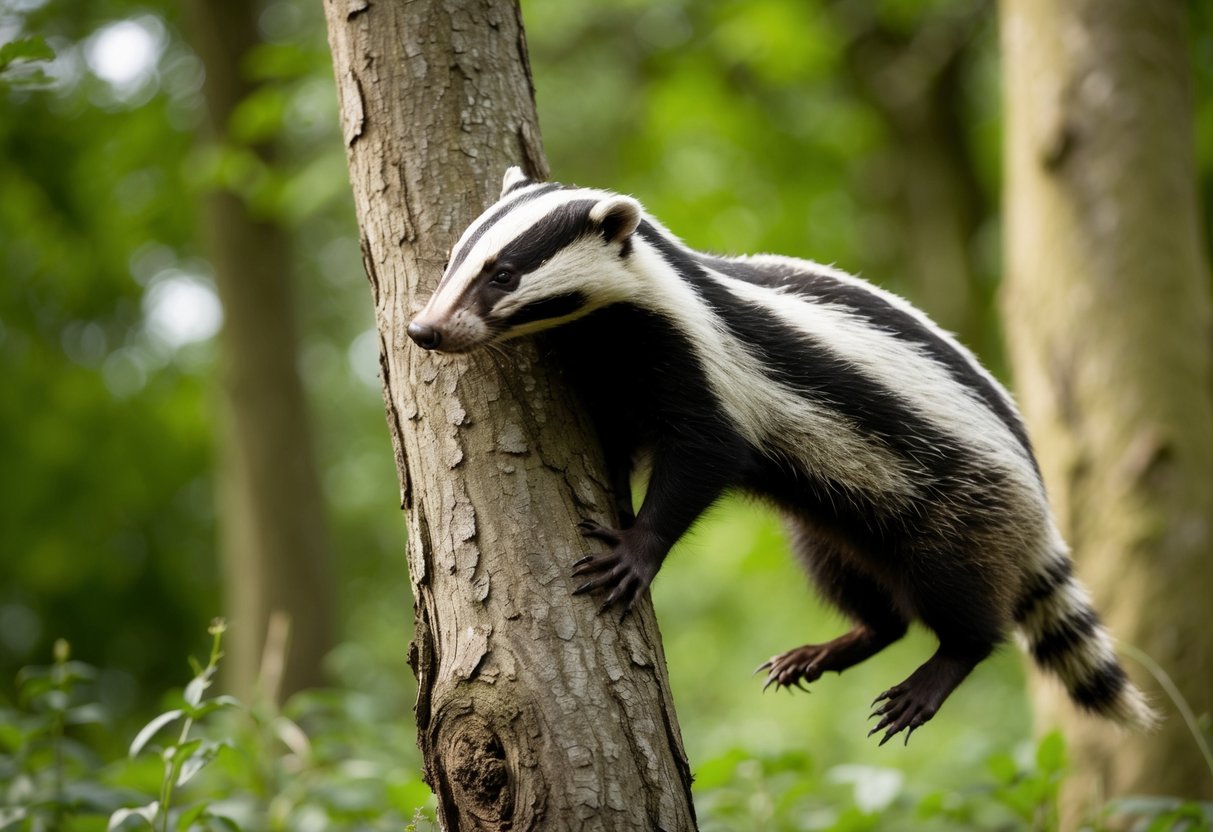
Badgers are fascinating creatures that you might spot in gardens or woods across the UK. Many people wonder about their agility, especially when it comes to tree climbing. Yes, badgers can climb trees! While they are not as skilled as some other mammals, they have been known to scale tree trunks and navigate branches when needed.
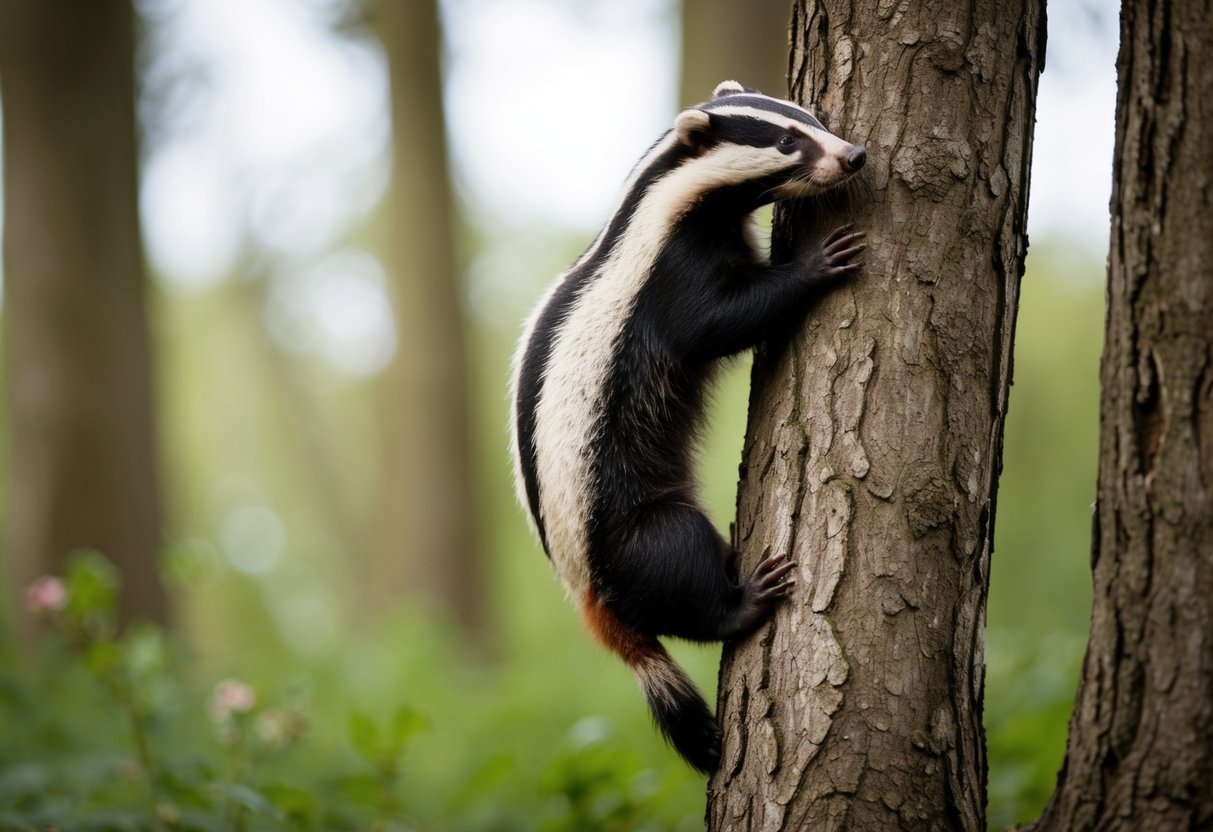
These UK mammals are primarily ground dwellers, often digging habitats called setts. When you think about badgers, their strong connection to their territories and ground behavior usually comes to mind. However, their ability to climb does demonstrate their adaptability, whether they’re chasing food or escaping predators.
If you’re lucky enough to see badgers in your area, you might find them exploring both the ground and the trees. Their playful nature and willingness to climb can be quite charming.
Keep reading to learn more about badgers and their interesting behaviors in the wild!
Badger Habitats and Behaviors
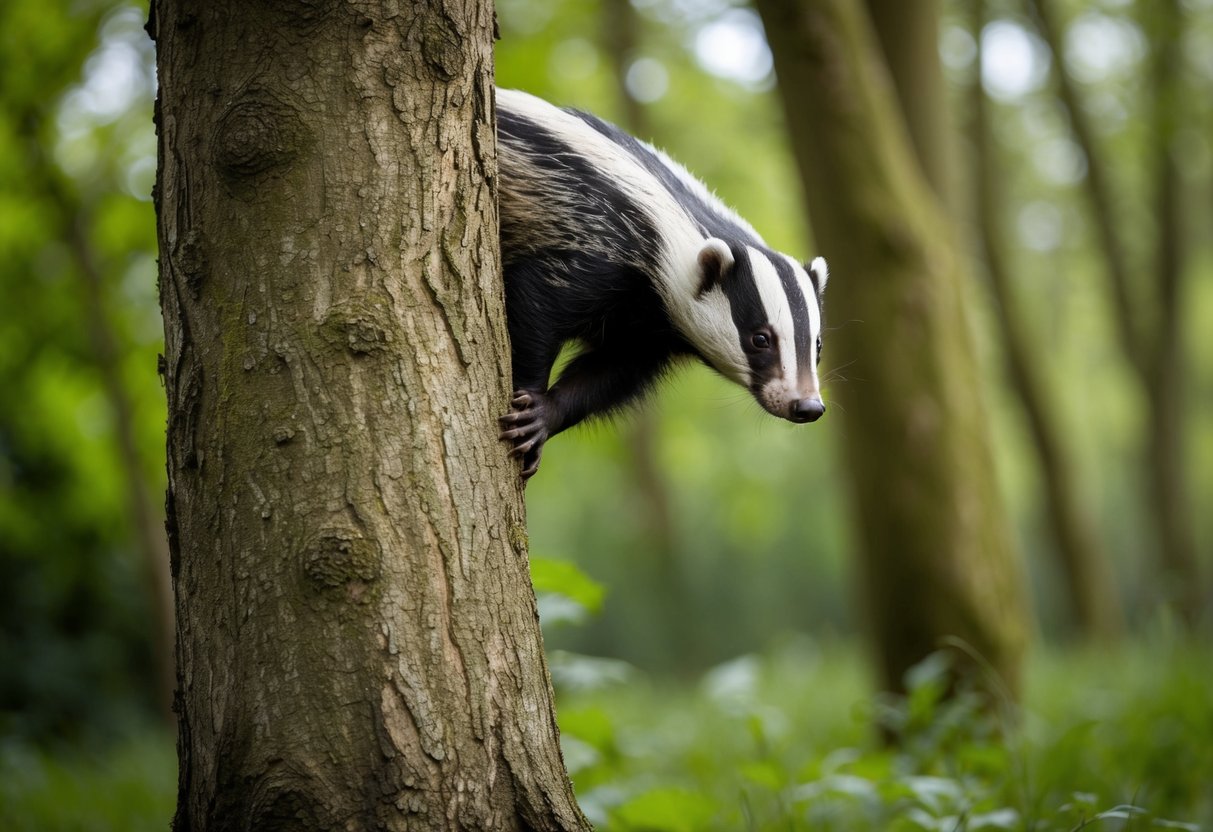
Badgers are fascinating creatures that have unique habitats and behaviors. Understanding these aspects can help you appreciate their role in the ecosystem.
Sett Construction and Maintenance
Badgers create intricate underground homes called setts. These setts consist of a network of tunnels and chambers that provide safe places for sleeping and raising young. A typical badger sett can have multiple entrances and may be quite expansive.
These animals often choose locations in woodlands or open countryside, which offer cover and access to food. They are expert diggers, using their strong claws to excavate soil. Once a sett is established, badgers continuously maintain it by digging and expanding their tunnels as needed.
In your garden or local area, you might spot signs of a sett. Look for fresh digging or flattened grass.
Protecting badger habitats is crucial, as many are threatened by human activities. Your local conservation group can provide advice on how to help.
Foraging Patterns and Diet Preferences
Badgers are primarily nocturnal, coming out at night to forage. They have an excellent sense of smell that aids them in finding food. Their diet mainly consists of earthworms, insects, and plant matter, making them important for soil health.
Foraging usually involves digging. You might notice snuffle holes in your lawn, which are small pits made by badgers searching for worms. These holes can indicate badger activity in your area.
Depending on their territory, badgers can travel quite far in search of food. They are known to be opportunistic eaters and will adapt their diet based on seasonal availability. This flexibility is vital for their survival, especially in changing environments.
Social Structure and Territorial Markings
Badgers live in social groups called clans, typically consisting of a few adults and their young. These clans share a territory marked by latrines, which are specific areas where badgers leave droppings to signal presence.
These latrine sites help establish territorial boundaries. You may notice scat in a defined area if you observe badger behavior. Badgers are generally protective of their territories and may be aggressive toward intruders, particularly during the breeding season.
In the UK, badgers are legally protected under the Protection of Badgers Act 1992. This legislation helps ensure their habitats remain intact. Supporting local badger groups can aid in conservation efforts and promote the welfare of this native wildlife.
Badger Diet and Feeding Habits
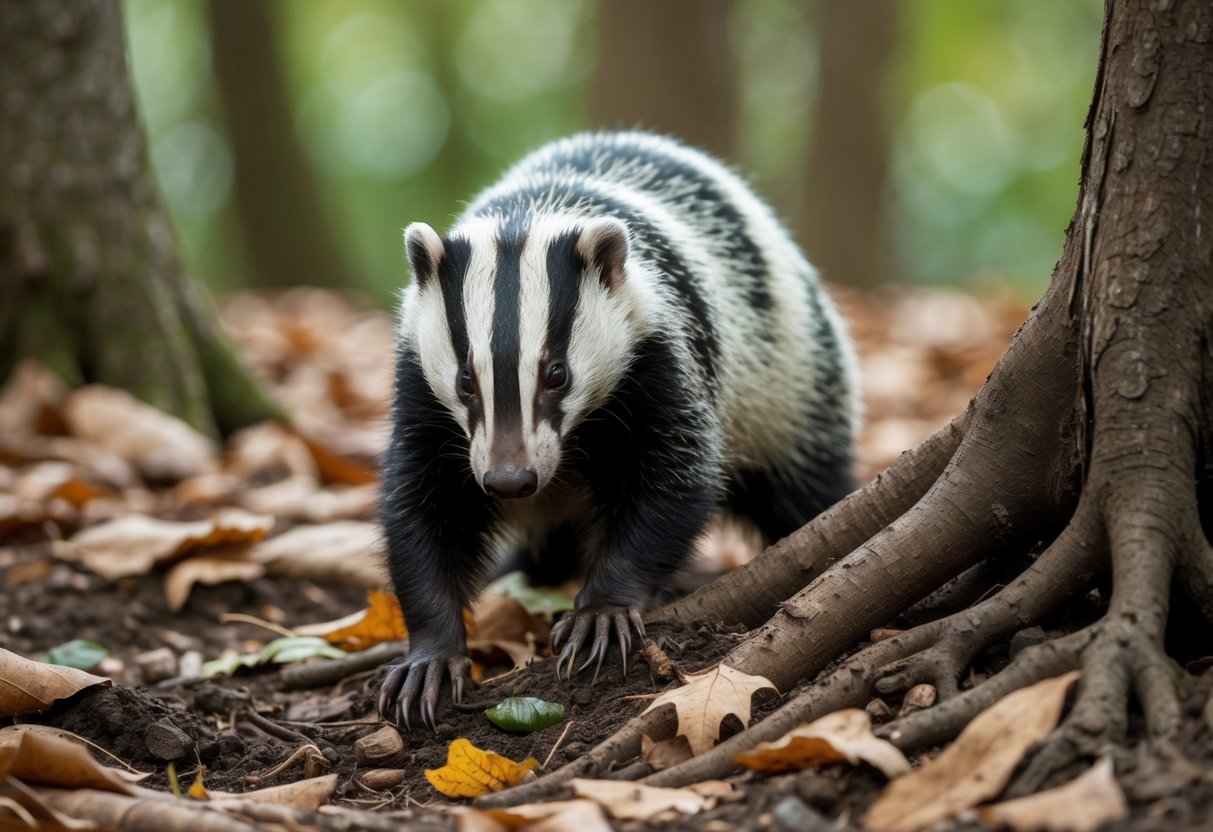
Badgers are fascinating omnivores with a diverse diet. They forage for various food sources and play an important role in their ecosystems. Understanding what badgers eat can help you appreciate their impact on local wildlife.
Preferred Food Sources
Your typical badger diet includes a variety of food items. About 80% of their meals consist of earthworms, which they can consume in great quantities. In one night, a badger might eat over 200 worms.
They also enjoy slugs, grubs, and other invertebrates. Fruits like pears, apples, plums, and elderberries are seasonal favorites, adding sweetness to their diet.
Badgers are known to hunt smaller animals too, including hedgehogs, which they can easily catch due to their strong claws and thick skin.
Impact of Feeding on Local Wildlife
Feeding badgers can influence local ecosystems. When they consume large amounts of earthworms, they help aerate the soil, benefiting plant growth. Their foraging habits also control populations of slugs and other pests.
However, if badgers rely heavily on artificial food sources, it might alter their natural behaviors. It’s essential to feed them with caution, as improper feeding can create dependency and affect their survival skills in the wild.
Identifying Signs of Badger Presence
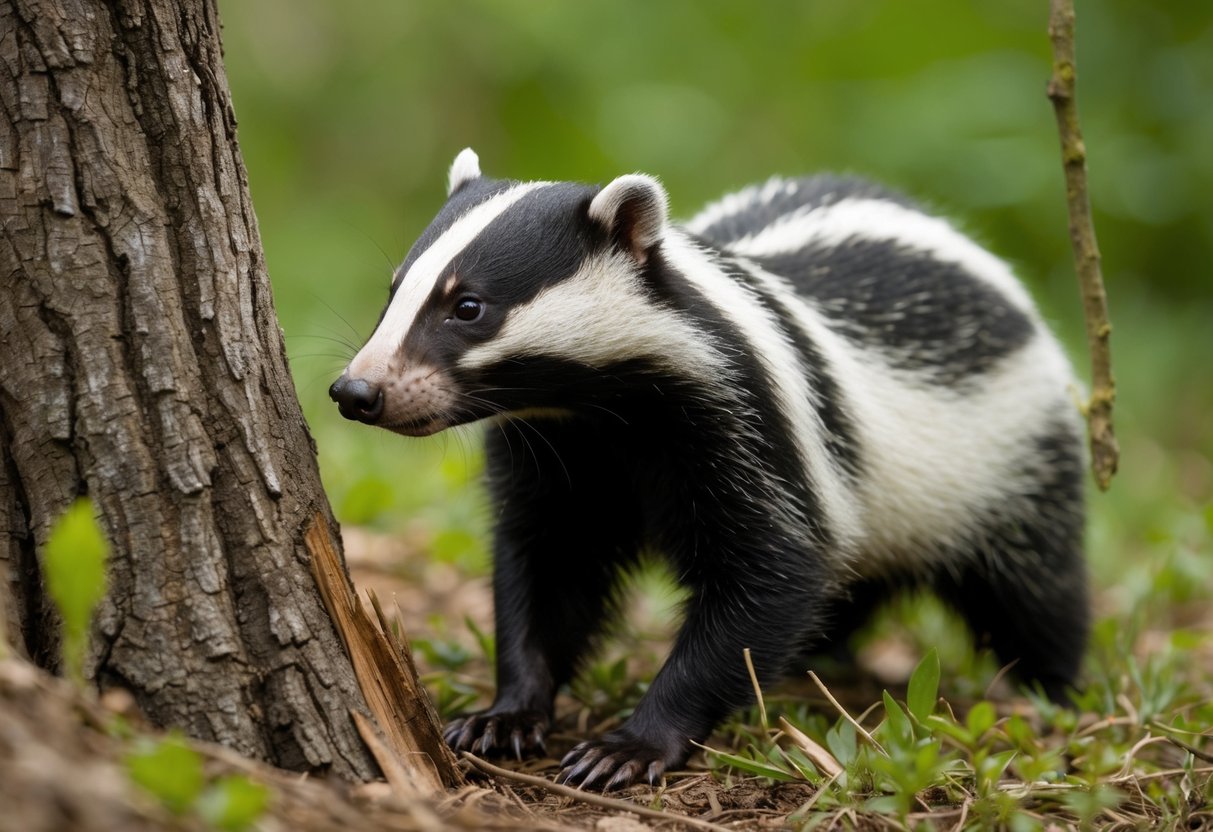
Recognizing the signs of badger presence can help you understand their habits and whether they frequent your area. There are specific indicators that reveal their activity, which can range from tracks and tunnels to unique markings.
Tracking and Observation Techniques
Look for badger tracks in muddy or soft ground. They have five toes visible in their footprints. Their sharp claws often leave deep gouge marks, making it easier to identify their journey.
Observe badger setts, which are their burrows. These can be located near gardens or fields. A sett entrance may show signs of activity, such as freshly dug soil.
Using a wildlife camera can help capture images of badgers at night. This is a great way to confirm their presence without disturbing them. Additional signs include badger hair caught on branches or fences.
Indications of Badger Damage and Mitigation
You might see snuffle holes in your garden. These small pits are where badgers dig for food like earthworms. They can tear up your lawn, so keep an eye out for these signs of foraging.
Badger dung can also reveal their presence. Look for dung pits in your garden, often found near territorial boundaries. The dung is usually dark and has a strong smell.
If you notice scratches or gouges on trees, this could indicate badger damage. To mitigate issues, consider using barriers or repellents in areas where badgers are frequent.
Understanding Badger Conservation and Protection
Badgers play an important role in the ecosystem, helping control pest populations and maintaining soil health. Protecting them is essential, particularly given the challenges they face from disease and human activities. Here’s a closer look at how badgers are conserved and the legal measures in place to protect them.
Legal Framework and the Protection of Badgers Act
In the UK, badgers are protected under the Protection of Badgers Act 1992. This law prohibits the deliberate killing or harming of badgers, as well as the interference with their setts, which are their underground homes. Violating this law can lead to substantial fines or even imprisonment.
The Act also allows for the creation of badger gates, which are openings that enable badgers to move safely through areas like electric fencing. This helps reduce human-wildlife conflict and allows badgers to access food sources, including invertebrates and small mammals that are vital to their diet.
Efforts to Prevent Disease and Reduce Human Conflict
One significant concern for badgers is bovine tuberculosis (bTB), which can be transmitted to cattle. Various efforts aim to control the spread of this disease while also protecting badgers.
For example, vaccination programs are in place to immunize badgers against bTB. This helps keep both wildlife and livestock healthy.
To minimize human conflict, conservationists suggest using electric fencing around pastures. This helps keep badgers away from agricultural areas, preventing damage that may occur as they search for food.
It’s essential to understand that badger scat can also reveal information on their feeding habits, which helps guide conservation efforts.
By creating a balanced environment, you play a role in the protection of badgers and the ecosystem they inhabit.


