
Badgers are fascinating creatures that play an important role in their ecosystems. Many people are curious about what illnesses they might carry and how these diseases can affect other wildlife, including livestock. The most significant illness associated with badgers is bovine tuberculosis (bTB), a contagious disease that can spread from badgers to cattle.

As you explore this topic, you’ll discover how badgers can serve as carriers of this disease without showing symptoms themselves. Understanding the relationship between badgers and bovine tuberculosis is crucial for farmers and wildlife enthusiasts alike. This information can help you appreciate the balance between protecting wildlife and managing health risks in domestic animals.
Join us as we dive into the epidemiology of bovine tuberculosis and examine the implications of badger interactions with other species in the wild. You’ll gain insights into how these furry animals can impact both the environment and agricultural practices.
Understanding Bovine Tuberculosis
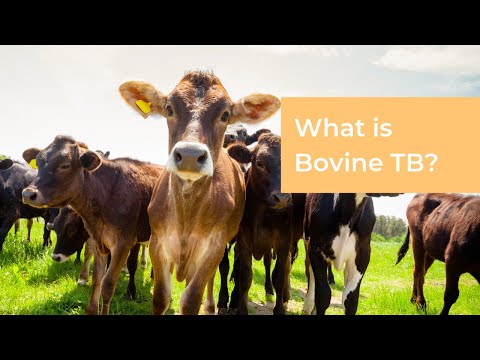
Bovine tuberculosis (TB) is an important disease that affects both badgers and cattle. Learning about this illness can help you understand how it spreads and its impact on these animals.
What Is Bovine Tuberculosis?
Bovine tuberculosis is caused by the bacterium Mycobacterium bovis. This disease primarily affects cattle but can also infect a range of other animals, including badgers. In some regions, bovine TB is considered endemic, meaning it is regularly found among local wildlife and livestock.
The disease spreads primarily through respiratory droplets when infected animals cough or sneeze. Additionally, it can be transmitted through contaminated food or water. In cattle, symptoms may not show until the disease is quite advanced. This makes regular testing essential for early detection and control.
How TB Affects Badgers and Cattle
In badgers, TB often causes chronic respiratory problems. Many infected badgers may not show obvious signs until serious illness occurs. Badger TB can lead to weight loss and eventual death if untreated.
For cattle, TB can result in significant production losses. Infected cattle may experience coughing, weight loss, and reduced milk production. Due to this disease, many farms face restrictions or even culling of infected herds.
Control measures often involve culling badgers to limit the disease’s spread. Yet, studies show this can also make badgers roam further and possibly spread the bacteria more widely. Thus, managing bovine TB requires careful consideration of its effects on both badgers and cattle.
Transmission and Epidemiology

Understanding how tuberculosis (TB) spreads among animals and the role of badgers in this process is crucial. This section focuses on the pathways through which TB is transmitted and highlights the significance of badgers as reservoirs of the disease.
How is TB Transmitted between Animals?
TB mainly spreads through respiratory secretions. When an infected animal coughs or sneezes, pathogens can become airborne. Other animals inhaling these droplets risk catching the disease. This is a common issue in crowded conditions, such as farms with cattle.
Direct contact can also contribute to transmission. Infected animals may shed the bacteria in their saliva, urine, or feces. Healthy animals that come into contact with these bodily fluids can become infected.
The transmission is not limited to badgers and cattle. It can occur between various species in wildlife reservoirs. Cross-species transmission is a concern, especially in areas where different wildlife and livestock interact. Monitoring these interactions is essential in managing TB outbreaks.
The Role of Badgers as Reservoirs
Badgers are known to be significant reservoirs for Mycobacterium bovis, the bacteria that causes bovine TB. They can harbor the infection without showing symptoms, making it hard to detect.
When badgers come into contact with cattle, they can transmit the disease in several ways. For instance, they may share grazing areas, increasing the chances of exposure.
Additionally, badgers can affect the spread of TB in cattle populations. Studies have shown that regions with high badger populations often report more bovine TB cases. Understanding the badger’s role is vital for developing effective strategies to control the spread of TB among livestock.
Prevention and Control Strategies

Managing the health of badgers and minimizing the spread of diseases they carry requires careful planning. You will find different approaches ranging from vaccination efforts to culling strategies, each with its own impacts on wildlife and agriculture.
Vaccination Efforts
Vaccination is a key strategy for controlling diseases like bovine tuberculosis (bTB) in badgers. Programs aim to vaccinate badgers in specific areas to reduce the transmission of this disease to cattle herds.
Badger vaccination involves baiting with specially designed vaccines. These vaccines are administered through oral methods, making it less stressful for the animals. The goal is to create a barrier of immunity that protects both badgers and cattle.
Studies suggest that well-implemented vaccination programs can significantly lower the incidence of bTB among badgers. As a farmer, supporting these programs can benefit your livestock’s health.
Badger Culling and Its Controversy
Badger culling is a controversial strategy used to manage the spread of bTB. Proponents argue that culling reduces the population of infected badgers, thus lowering bTB rates in cattle. Some studies indicate a reduction of up to 56% in bTB among cattle when culling is practiced.
However, culling also has drawbacks. It can drive remaining badgers to roam further, increasing the potential for disease spread. This leads to heated debates among farmers, wildlife advocates, and policymakers.
Understanding this balance is crucial. You might find that while culling may provide short-term relief, the long-term effects could complicate matters.
Other Disease Control Measures
In addition to vaccination and culling, there are other important disease control measures. Enhancing biosecurity on farms is vital. This includes proper hygiene practices, restricted access to cattle sheds, and regular health checks for livestock.
Cattle vaccination is another tool in your arsenal. Vaccinating cattle against bTB helps protect your herds from contracting the disease, reducing the risk of outbreaks.
Incorporating comprehensive disease monitoring and rapid response protocols is essential. This allows you to identify and manage any potential outbreaks quickly, keeping both your cattle and the local badger population healthier.
Impact and Management

The presence of badgers and the diseases they carry have important effects on public health, the economy, and wildlife conservation efforts. Understanding these impacts helps in managing the risks associated with badger populations.
Effects on Public Health and Economy
Badgers can carry diseases like bovine tuberculosis (bTB), which can affect cattle and, indirectly, human health. If bTB spreads among livestock, it may lead to significant economic losses for farmers. The cost of testing and culling infected cattle can add up quickly. In the UK, efforts to control bTB often focus on badger culling, raising concerns about public health, animal welfare, and ethics.
When you consider public health, bTB is also a zoonotic disease, meaning it can potentially affect humans. While cases in people are rare, the need for control measures remains vital.
Wildlife Conservation and Management
Conservation efforts may be hindered by badger control policies. For instance, culling can disrupt social structures within badger populations, leading to increased movement and possible disease spread. It is essential to maintain a balance between managing bTB and preserving badger populations.
DEFRA (Department for Environment, Food & Rural Affairs) often studies the relationship between badgers and bTB to inform management strategies. Vaccination efforts for badgers have been implemented in some areas. These efforts aim to mitigate disease transmission without resorting to culling.
Legislation and Public Policy
Legislation plays a crucial role in managing badgers and the diseases they carry. Public opinion and scientific research influence policies regarding culling and vaccination. The implementation of animal welfare standards is essential in shaping these policies.
Public discussions about badger management can lead to changes in laws that affect not only badger populations but also the agricultural practices of farmers. Balancing conservation with the need to control diseases requires thoughtful legislation that considers all stakeholders.


