
Seeing a badger in the wild can be an exciting experience. These nocturnal creatures are part of the weasel family and play an important role in their ecosystems. If you come across a badger, reporting the sighting can help conservation efforts and provide valuable data on their populations.
Understanding the importance of your observation is key. When you report a badger sighting, you assist organizations dedicated to wildlife protection. This information helps them track badger populations and monitor trends, which is vital for ensuring their survival.
If you witness any wildlife crime, such as poaching or illegal trapping involving badgers, it’s crucial to report it. This helps protect these animals and ensures that proper actions are taken against any illegal activities.
Understanding Badgers
Badgers are fascinating creatures with unique biology and behaviors. Knowing about them can help you identify their habitats and understand their role in the ecosystem. Here’s a closer look at the important aspects of badgers.
Badger Biology and Behavior
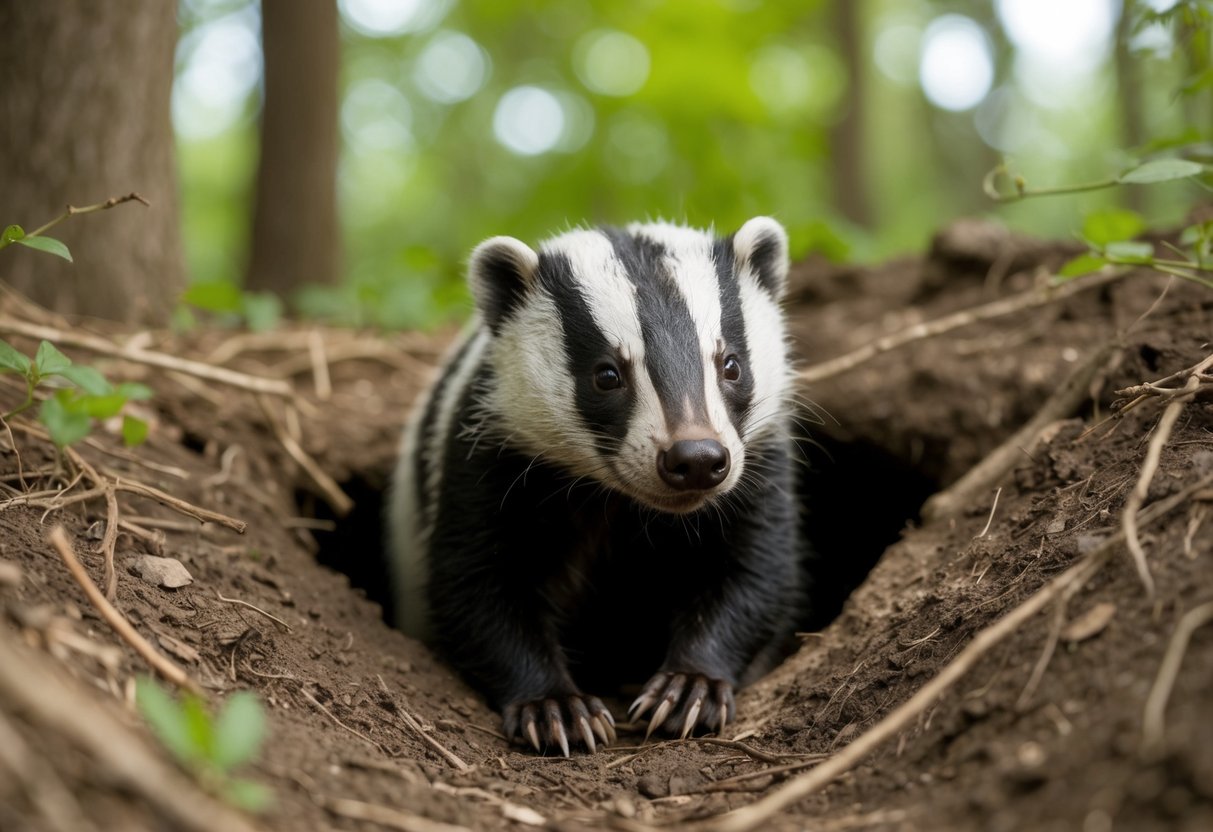
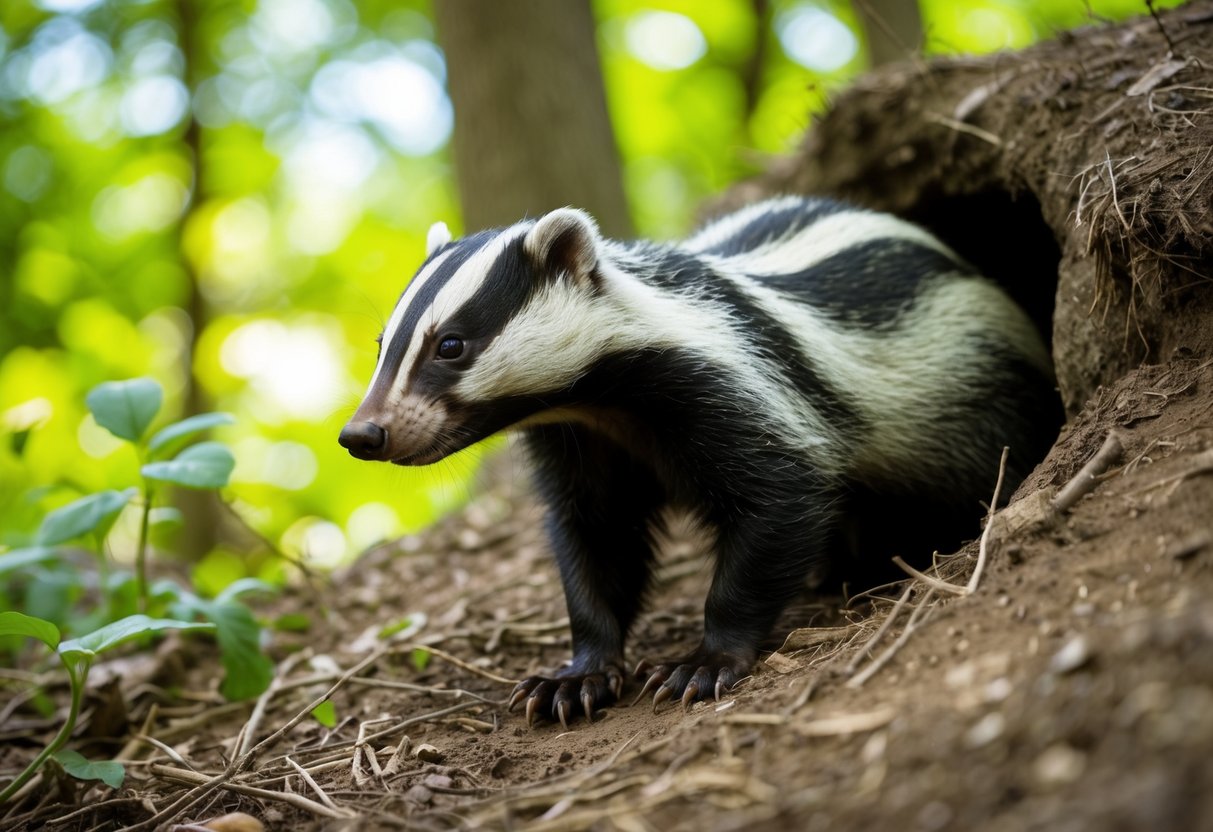
Badgers belong to the weasel family and are known for their strong digging abilities. They are nocturnal, primarily active during the night, which makes them harder to spot. Badgers have a distinctive appearance, featuring a stocky build, short legs, and a distinctive black-and-white face pattern.
One interesting fact is about their reproductive strategy called delayed implantation. After mating, the fertilized egg can delay developing until the following spring. This timing ensures that the young are born when food is plentiful. Badgers mainly prey on small rodents, ground squirrels, gophers, rabbits, and snakes.
Identifying Badger Habitats
You can find badgers in a variety of environments, from grasslands to open forests. They prefer areas with loose, diggable soil, which helps them create their homes, known as setts. Look for signs such as fresh digging or large holes to identify their presence.
Landmarks like hedgerows and stone walls can also be good indicators of badger habitats. These areas provide shelter and are often rich in the food sources that badgers need. If you spot signs of badger activity, it’s a good idea to report them to local wildlife organizations.
Badgers and the Ecosystem
Badgers play an important role in their ecosystems. As predators, they help keep populations of small rodents in check. This control helps maintain a balanced environment for other species.
Their digging activities also benefit the soil. By turning it over, badgers aerate the ground and create opportunities for new plants to grow. This is beneficial for the overall health of their habitats. Protecting badgers is crucial for conservation efforts, as they contribute to the biodiversity of the areas they inhabit.

The Importance of Reporting Sightings
Reporting badger sightings is crucial for many reasons. It supports conservation efforts, helps track badger populations, and ensures public safety. When you report a sighting, you contribute valuable information that benefits both wildlife and your community.
Tracking Badger Populations
Every badger sighting you report helps experts understand where these animals are living. This information can show population trends in different areas. The Badger Trust uses these reports for important studies.
By tracking populations, conservationists can identify regions where badgers need more protection. Reports can also help uncover signs of disease or changes in behavior. This information is vital for developing and changing conservation strategies as needed.
Your efforts can lead to bigger insights that help in understanding the health and safety of the badger population.
Report a Sighting with Badger Watch App
Using the Badger Watch App makes reporting sightings simple and effective. The app allows you to submit sightings quickly, providing details like location and time. This direct method helps conservation teams respond and gather data efficiently.
By using the app, you’re actively participating in a community of badger supporters. Your reports can help protect badger habitats and inform local efforts to manage wildlife diseases. Keeping records of sightings helps maintain public safety too.
With this app, you can easily join other wildlife advocates working to help these amazing animals thrive.
Threats to Badger Welfare
Badgers face several serious threats that impact their welfare. These include habitat loss due to human activities, hazards related to roads, and direct persecution. Understanding these threats can help you recognize the importance of reporting badger sightings and contributing to their conservation.
Habitat Loss and Human Interference
Habitat loss is a major concern for badgers. As urban areas expand, natural spaces like fields and woodlands are destroyed. This limits places for badgers to dig and raise their young.
Human interference further complicates matters. Development projects can disrupt badger setts, forcing these animals to relocate. When badgers dig in gardens or yards, conflicts can arise, leading to negative responses from people.
Creating wildlife corridors and preserving green spaces are crucial for improving badger habitats. Engaging in community efforts can make a big difference.
Road Safety and Badgers
Roads pose a significant risk to badgers. Vehicle collisions are a common cause of death. Many badgers venture onto roads while searching for food or new territories. Unfortunately, their nocturnal habits often place them in danger during nighttime.
You can help by being alert while driving, especially in areas known for badger populations. Signs indicating wildlife crossings can remind you to slow down and watch for these animals. Supporting local campaigns for better road signs can also enhance safety.
The Issue of Badger Persecution
Badger persecution remains a troubling problem. Some people view these animals as pests, leading to illegal actions against them. This can include trapping and harming badgers, which is not only cruel but against the law.
In certain areas, badger culling has been used to combat supposed threats to livestock. These actions usually lead to more issues than they resolve, such as disrupting local ecosystems. Reporting instances of badger persecution is vital to protect these creatures.
Your awareness can help prevent badger crimes and support legal protections for their populations.
How to Report a Badger Sighting

Reporting a badger sighting is important for the conservation of these animals. Knowing how to provide the right information can help wildlife officials understand badger populations and their behavior.
Contact Information
If you spot a badger, it’s essential to report it properly. Start by gathering specific details about your sighting. Include the location, date, and time of the observation. If possible, take a photo or a video to document the sighting.
You can report your sighting to local wildlife authorities. For example, in British Columbia, you can visit the report a badger page for guidance. Inquiries can also go to DNR through their report a mammal section. Each region may have a different process, so always check local regulations.
Protecting Badger Privacy
When you report a badger sighting, make sure to respect the privacy of these animals. Badgers are sensitive creatures and might be disturbed by excessive human presence.
Therefore, avoid sharing exact details of the badger’s sett location online. Instead, provide general information to help authorities assess the situation.
Include factors like the sighting’s proximity to populated areas or potential threats. This helps in monitoring badger populations while keeping them safe.
By cooperating with authorities, you assist in their conservation efforts while ensuring the badgers can thrive in their natural habitat.


