
If you’re facing issues with badgers digging up your garden, you might wonder if lion dung can help deter them. Many people have turned to unconventional methods for pest control, and lion dung has gained some attention as a potential solution. Lion dung may actually help keep badgers away, due to their natural instincts and sense of smell.
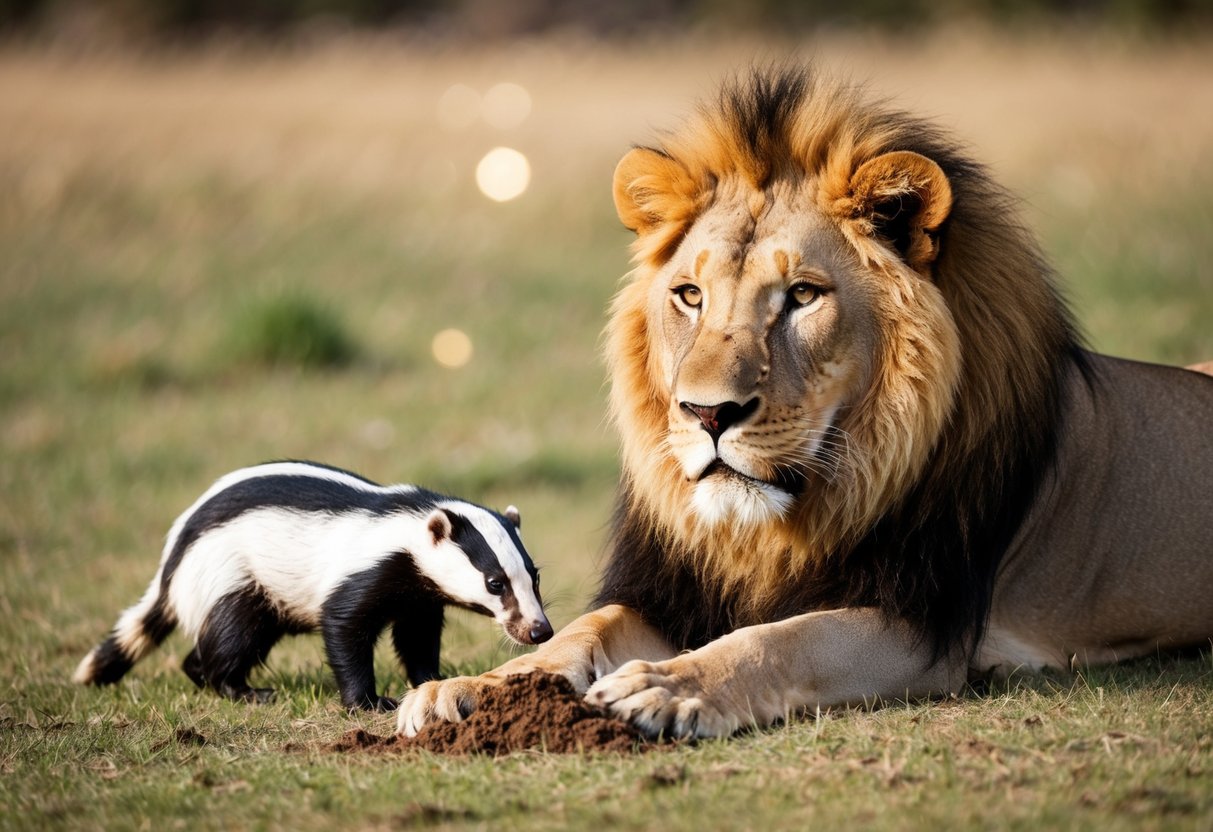
The idea is simple: badgers rely heavily on their sense of smell to navigate their environment. Strong odors can irritate their noses and discourage them from coming around. Lion dung, with its powerful scent, could provide the deterrent you need to protect your plants and keep your garden intact.
In this blog post, you’ll learn how effective lion dung can be in keeping badgers at bay. You’ll also find tips on how to use it properly and explore other methods to manage badger activity in your outdoor space. Get ready to discover friendly and natural ways to maintain your garden’s beauty!
Understanding Badger Behavior
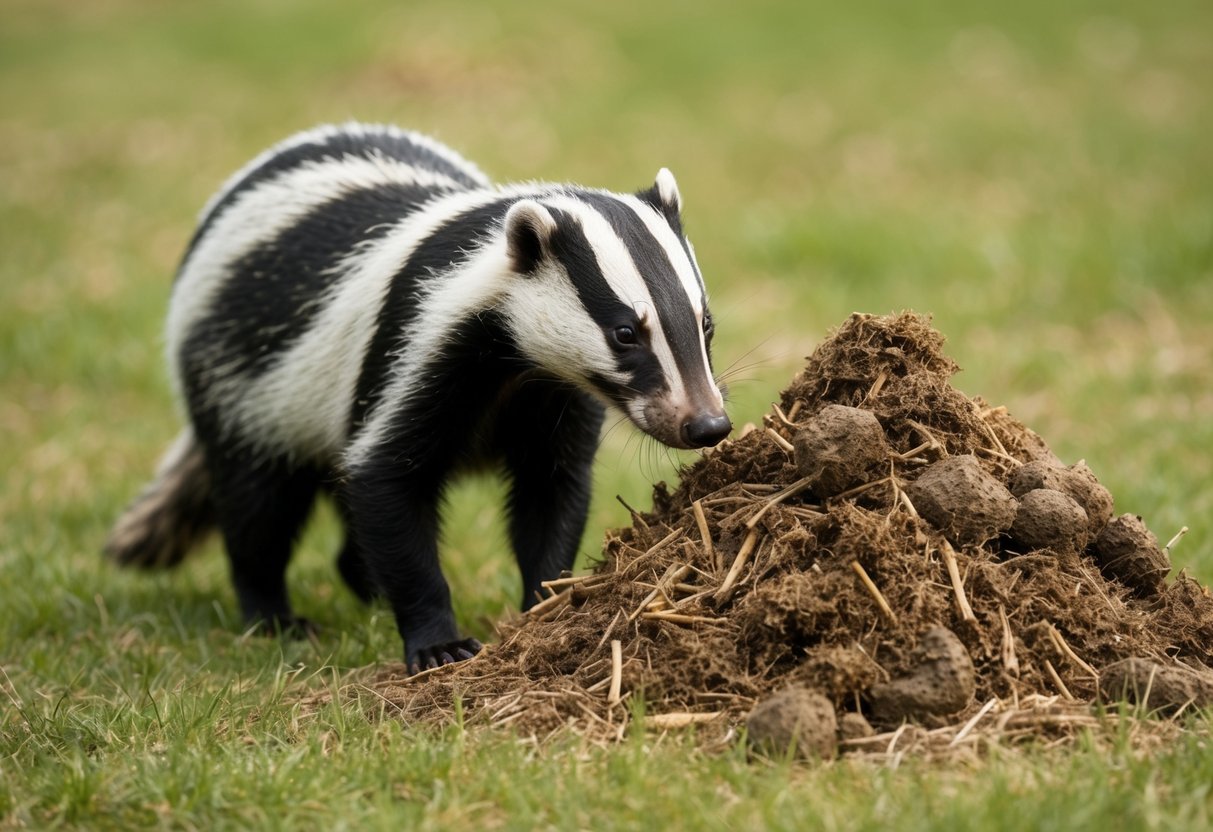
Knowing how badgers behave can help you identify their presence and understand their habits. Badgers are fascinating creatures with unique living patterns, and recognizing signs of their activity can be both educational and useful.
Natural Habits of Badgers
Badgers are mostly nocturnal animals, meaning they are active at night. These creatures tend to forage for food in fields, woodlands, and meadows. They love to dig for earthworms, insects, and small rodents.
A badger’s home is called a sett, which can have multiple entrances and tunnels leading to underground living spaces. Badgers can be quite social and often live in groups called clans. Each clan may have its own territory marked by scent markings, which are vital for keeping other badgers away.
Their ability to adapt to different environments helps them thrive in various habitats. They are skilled diggers and can create complex burrows to stay safe from predators and the weather.
Signs of a Badger Presence
If you suspect badgers are in your area, look for key signs. Badger setts are the most obvious indicators. These setts often have a distinctive entrance, which is usually large and rounded.
You may notice fresh digging around the sett, as badgers frequently enhance their homes. Additionally, badger droppings, known as scat, can be found near the sett or along trails. Their droppings are dark and often contain remnants of their diet.
Other signs include flattened grass or disturbed soil, which can show where badgers have traveled. These signs help you determine if they are nearby and if their behavior is affecting your environment.
Repellents and Deterrents for Badgers
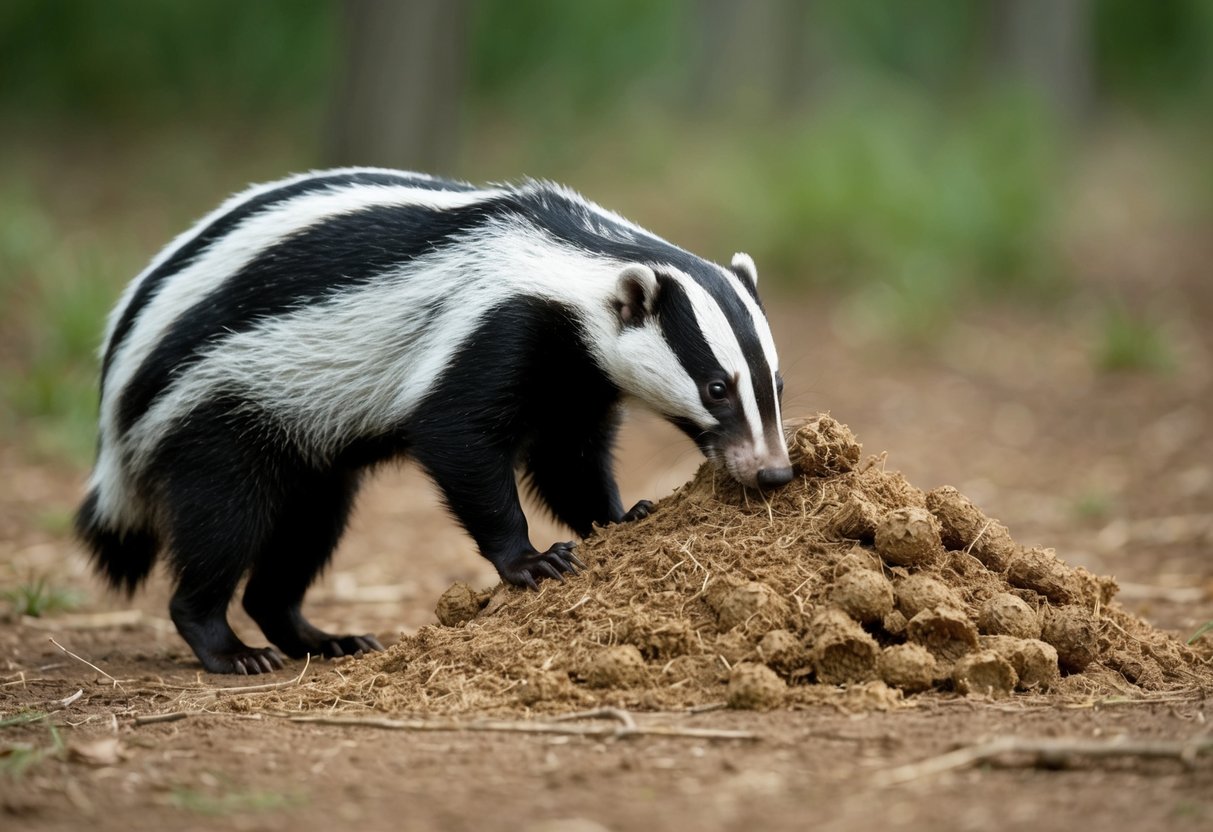
When it comes to keeping badgers away, using the right deterrents can make a big difference. Different methods can either appeal to their senses or create barriers. Here are some effective strategies you can try.
Chemical vs. Natural Deterrents
You might consider chemical deterrents like citronella oil or commercial sprays designed to ward off animals. These products can be effective but may need frequent reapplication, especially after rain.
Natural options are also available. Using human male urine can be a surprisingly effective way to deter badgers, as they tend to avoid areas marked by other animals. Scotch bonnet peppers can be another choice to discourage them. These peppers are strong-smelling and irritating to the sensitive noses of badgers.
While chemical deterrents can provide targeted results, natural options often have fewer side effects on the surrounding environment. You may find it helpful to experiment with both to see what works best for you.
The Role of Scents in Badger Deterrence
Badgers rely heavily on their sense of smell. This means you can use scents to your advantage. Strong odors, such as those from citronella oil or scotch bonnet peppers, can disrupt their comfort in your garden.
You might also consider using sonic deterrents that emit noises annoying to badgers. These sounds can create an unpleasant environment that drives them away without harming them. Such devices are easy to set up and can be effective during their nocturnal activity.
Combining different scents can maximize the impact. You could create a blend of these scents with a spray bottle, applying it around your garden for extra protection.
Electric Fencing Solutions
Using electric fencing is one of the most effective ways to keep badgers at bay. Setting up a fence that delivers mild shocks can deter badgers from entering your property.
It’s best to turn the fence on at night, as badgers are nocturnal and more active during this time. Ensure the electric fence is tall enough and installed securely to keep them from burrowing underneath.
Regularly check the functionality of your fencing to ensure it works efficiently. You might also consider combining electric fencing with other deterrent methods for better results. This multitiered approach helps create a comprehensive barrier against any unwanted badger visitors.
Wildlife and Deterrence Ethics
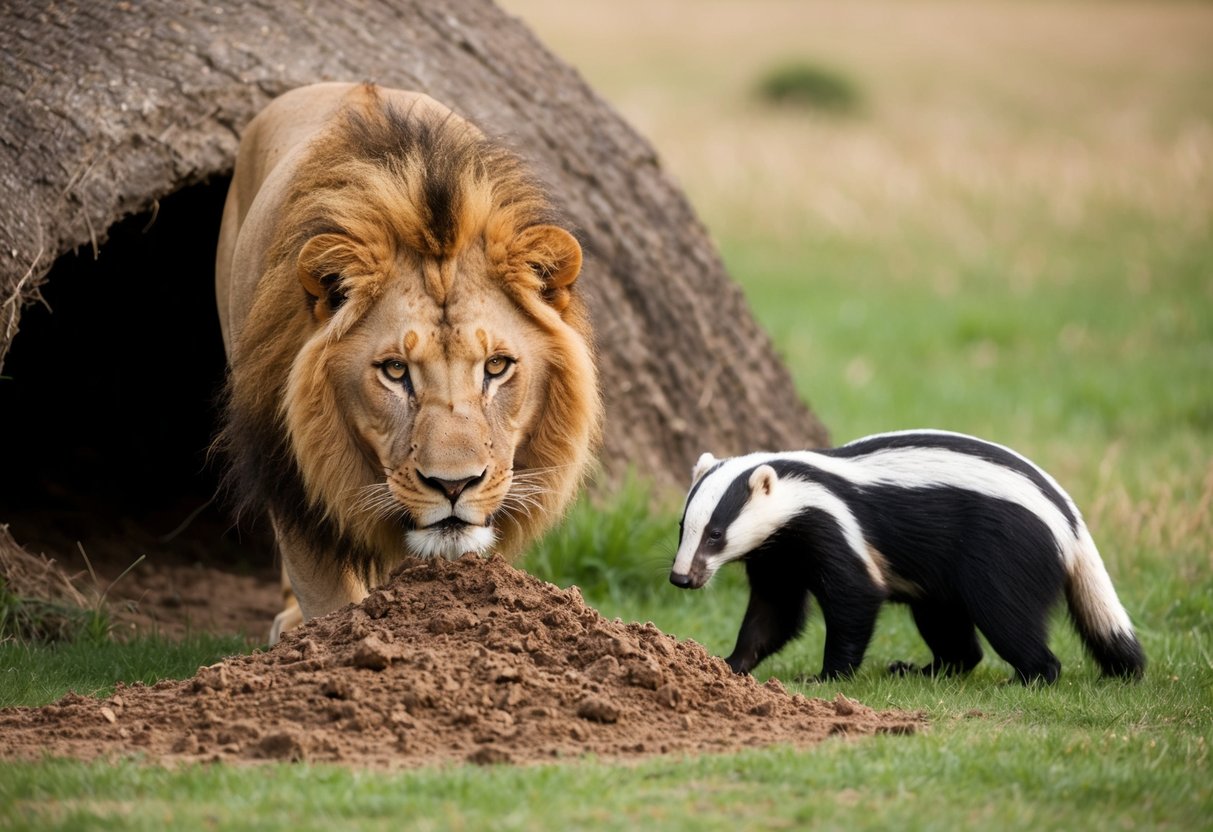
When thinking about deterring badgers, it’s important to consider both human needs and wildlife protection. You want to find effective methods that keep unwanted critters away without harming them or upsetting the local ecosystem.
Balancing Human and Wildlife Interests
You may want to stop badgers from raiding your garden or causing damage. Using natural deterrents like lion dung can be a good option. This method may help keep badgers at bay while minimizing harm to them.
Consider how your actions can impact badgers and other wildlife. Respecting their habitat is essential. Ideally, you should employ non-lethal deterrents. Techniques like motion-activated lights can encourage badgers to stay away without causing them distress.
A balance is crucial. You aim to protect your property while allowing wildlife to thrive. Using humane tactics can contribute to healthier ecosystems. The goal is to coexist peacefully with nature.
Regulations and Recommendations
In many areas, there are strict guidelines around wildlife control, including how to deter badgers. For instance, the use of lion dung as a repellent might fall under regulations governing pesticides.
In the UK, products like lion dung are not approved as pesticides, complicating their use. Always check local laws before applying any deterrent methods. This ensures you’re compliant and not unintentionally harming wildlife.
You should also look out for recommended practices from wildlife organizations. These groups often provide insights into effective and ethical badger control. Adhering to their guidance can help you choose the right strategy for your situation while being kind to your animal neighbors.
Evaluating the Effectiveness of Lion Poo
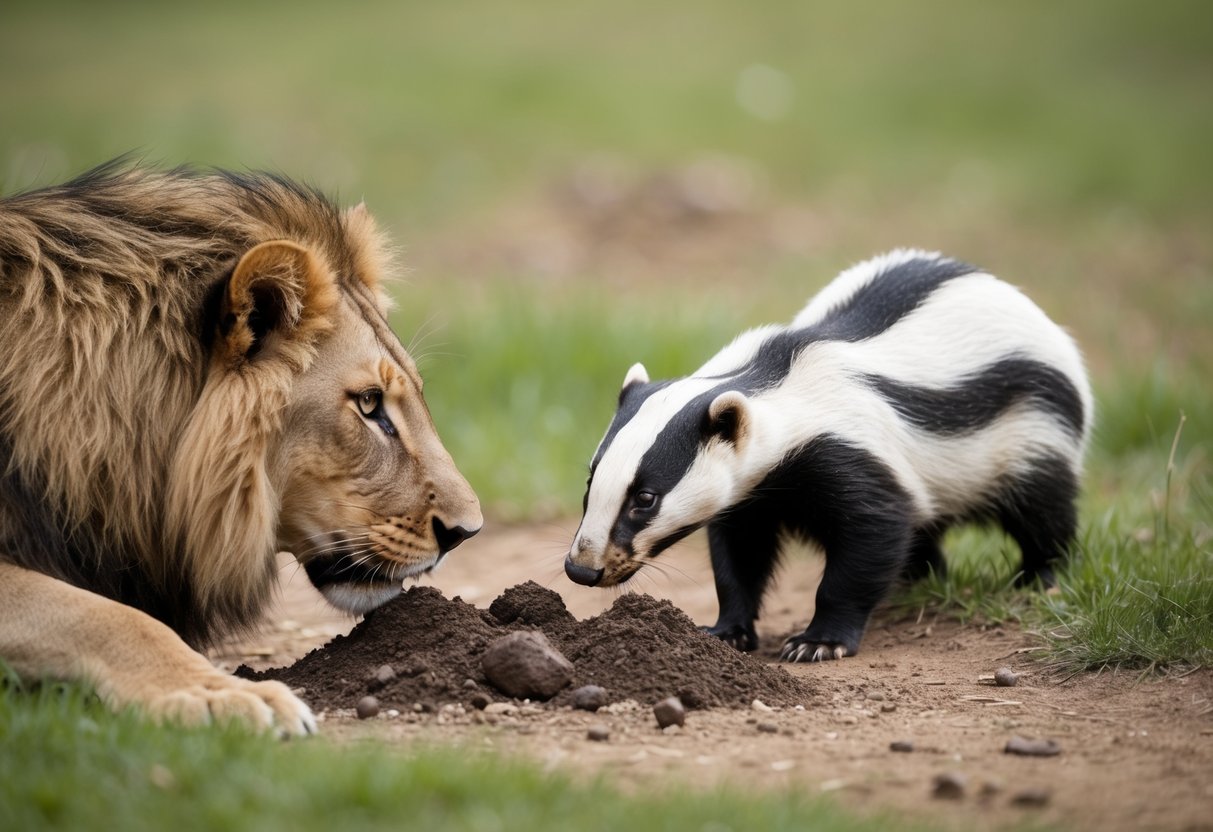
When it comes to deterring badgers, it’s important to look at the role of lion dung and its effectiveness. Many believe that the smell can keep unwanted animals away. Below, we explore how lion dung works as a natural repellent, alternative methods, and current evidence supporting its use.
Lion Dung as a Natural Deterrent
Lion dung is considered a strong natural deterrent for various animals, including badgers. The scent mimics that of a predator, which can trigger fear responses in smaller animals. When using lion manure, you typically sprinkle it around areas you want to protect.
How to Use:
- Sprinkle it around your garden or yard.
- Reapply after rain, as water can wash away the scent.
It’s also important to note that lion dung has shown effectiveness in zoo settings, where it has successfully kept badgers and other pests away. Many users find that consistent application can yield better results.
Alternative Natural Deterrents
If lion dung doesn’t seem appealing or effective, there are other natural deterrents you can try. Here are a few options:
- Citrus Peels: Badgers dislike the smell of citrus. Placing orange or lemon peels around the garden can help repel them.
- Vinegar: Spraying vinegar around the perimeter may deter badgers and other animals.
- Predator Urine: Using urine from foxes or coyotes can create a similar effect by simulating the presence of a natural enemy.
Each of these options can be used alone or in combination with lion dung for a more potent deterrent strategy.
Assessing the Evidence
The effectiveness of lion dung is primarily anecdotal, but not without merit. Some studies have noted positive outcomes in using lion dung to repel pests like badgers and even otters. For instance, a trial revealed that it could work within hours of application.
However, results can vary based on the specific animal and environment. Some individuals report success in keeping cats and other pests away as well.


