
If you’ve noticed foxes wandering through your garden or backyard, you might be wondering how to keep them at bay. Urban foxes have adapted well to human environments and can be quite bold. They often come into gardens looking for food or a safe place to rest.
The best deterrent for foxes is a combination of physical barriers and sensory repellents.

One effective strategy is to install a tall fence with buried wire mesh to prevent foxes from digging underneath. Additionally, using motion-activated lights or sprinklers can startle them and encourage them to move on.
Scents that foxes dislike, like pepper or strong-smelling deterrents, can also help keep your garden safe from these clever animals.
By knowing the right methods to deter foxes, you can protect your garden and appreciate the wildlife around you without unwanted visitors. Learning how to manage these urban foxes is essential for keeping your outdoor spaces enjoyable and secure.
Understanding Fox Behavior

To effectively deter foxes, it’s essential to understand their unique behaviors and habits. Their territorial nature, dietary preferences, and breeding practices significantly influence how they interact with their surroundings.
Territorial Habits
Foxes, especially red foxes, are highly territorial animals. They can cover a large area, which may range from 2 to 5 square miles for a single fox. They mark their territory with scent markings, such as urine, to signal to other foxes that the area is occupied.
If you notice frequent visits from foxes, it’s likely they are establishing their territory. Creating a lively environment in your yard can help dissuade them.
Things like motion-activated lights or sprinklers will startle foxes, making your space feel less inviting.
Dietary Preferences
Understanding what foxes eat can help you manage their presence. Foxes are omnivores and will consume a variety of food sources. Their diet mainly includes small mammals, birds, fruits, and insects.
If they find easy food sources in your yard, such as pet food or birdseed, they will stay nearby.
Secure your trash and remove any pet food from outdoor areas. Also, planting certain herbs can help since foxes often dislike strong smells.
Breeding and Den Locations
The breeding season for red foxes typically occurs in late winter, with cubs being born in early spring. They prefer to create dens in secluded, quiet areas. These dens can be located in bushes, old tree stumps, or abandoned burrows.
If a den is nearby, you may notice increased activity around your property. It’s crucial to avoid disturbing their dens during this time.
Instead, use appropriate deterrents to keep them at bay while ensuring the cubs have a safe environment to grow.
Effective Fox Deterrent Strategies
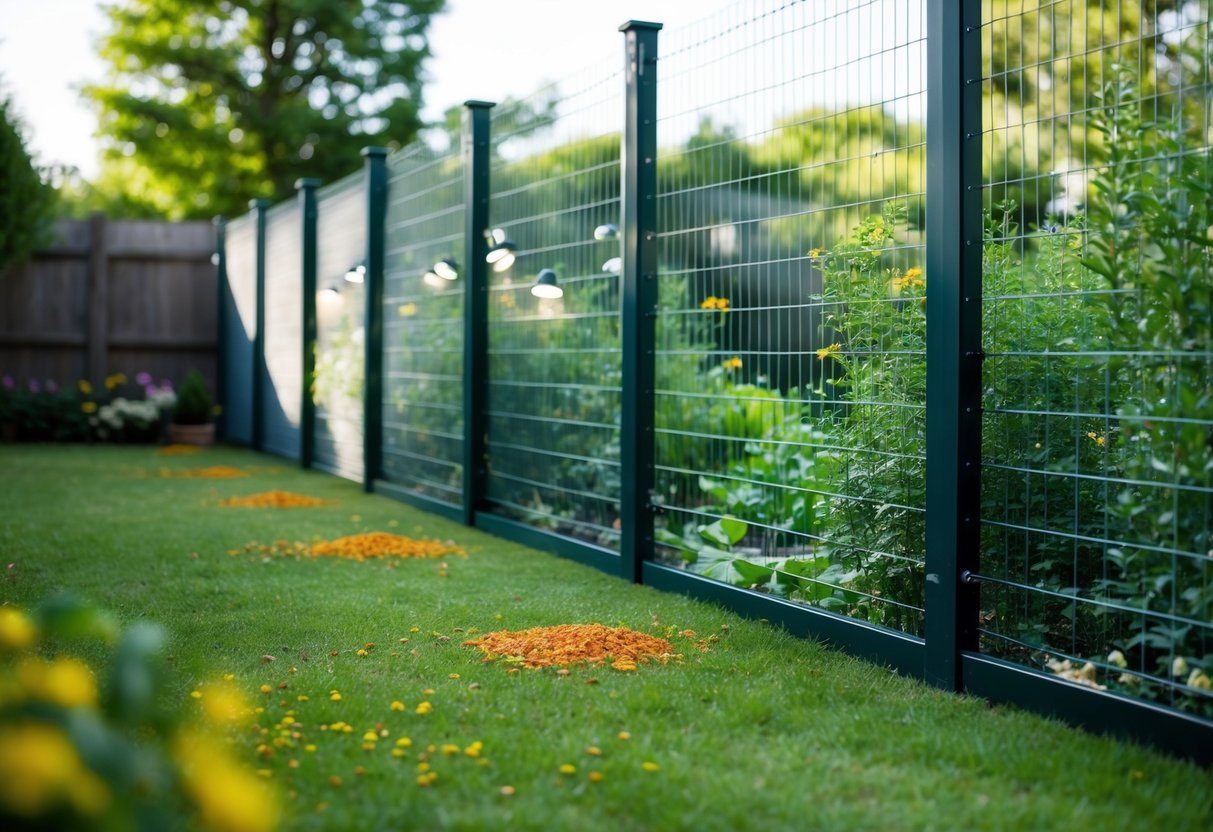
Keeping foxes away from your property can be accomplished through various methods. Physical barriers, scent and taste repellents, and auditory and visual deterrents are key strategies that can help you protect your yard and garden.
Physical Barriers
Creating a strong physical barrier is one of the best ways to deter foxes. You should use fences at least 6 to 8 feet tall. Make sure to bury the bottom of the fence with galvanized wire mesh. This prevents foxes from digging underneath.
A fence should be sturdy and smooth, as foxes are excellent climbers. You can also add an electric wire along the top or middle part. This offers an extra deterrent when they come into contact with the wire.
Scent and Taste Repellents
Using strong smells can help keep foxes from visiting your yard. Garlic and chili peppers are effective because foxes dislike the scent.
You can mix garlic powder or chili flakes with water to create a spray. Apply it around your garden and yard.
Another effective repellent is ammonia. Soak rags in ammonia and place them in areas where foxes enter.
Additionally, using coyote urine can create a sense of danger for foxes, making them avoid your property.
Auditory and Visual Deterrents
Noises and lights can also deter foxes. Ultrasonic deterrents emit high-frequency sounds that are unpleasant for foxes but cannot be heard by humans. These devices can effectively keep them away.
Foxlights, which flash intermittently, mimic predator movements and create a sense of danger. Motion-activated sprinklers can surprise foxes, discouraging them from sticking around.
You could also use other sound deterrents, like recorded predator calls, to reinforce the idea that your yard is not a safe place for foxes.
Garden and Yard Maintenance
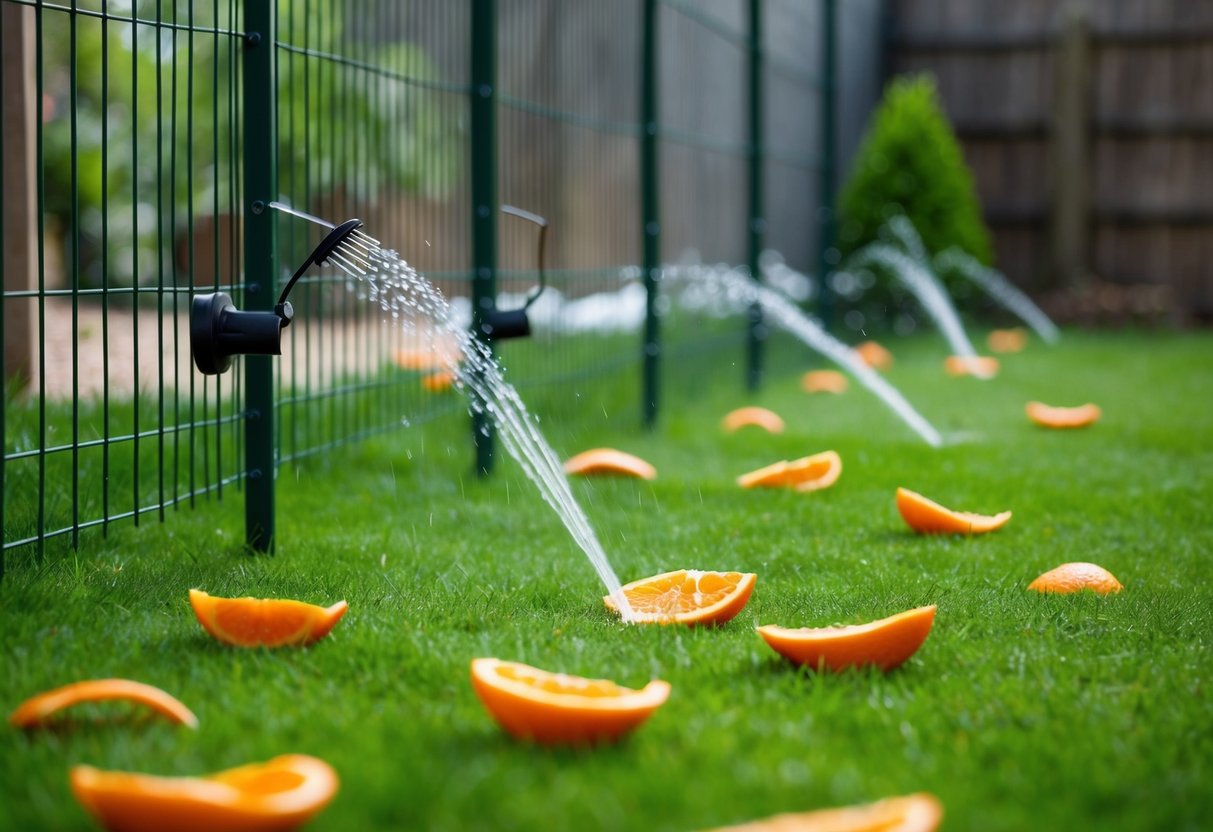
Keeping your garden and yard well-maintained can greatly reduce the likelihood of foxes making a home nearby. Focusing on securing food sources, landscaping wisely, and using effective fencing can help you keep these clever animals at bay.
Securing Potential Food Sources
To deter foxes, it’s essential to remove or secure any potential food sources. Store your garbage in locked, air-tight containers to prevent any tempting smells.
If you have fruit trees, promptly pick up any fallen fruit. Fallen fruits can attract not just foxes but other wildlife as well.
Additionally, avoid leaving pet food outside, especially at night. This is crucial if you have chickens or rabbits in your yard, as foxes may see them as an easy meal.
Landscaping to Deter Foxes
Your landscaping choices can influence whether foxes decide to enter your yard. Keep your garden tidy by regularly trimming bushes and maintaining the lawn. Dense vegetation can provide cover for foxes, giving them a safe space to hide.
Consider using plants that foxes dislike. Strong scents like lavender or rosemary can act as natural deterrents.
Additionally, using thorny plants or prickly bushes can make your garden less inviting for foxes.
Fencing and Safety Measures
A sturdy fence is one of the most effective ways to keep foxes away. Ensure your fence is at least six feet high and extends underground to prevent digging. Adding fence spikes at the top can also discourage foxes from jumping over.
Make sure there are no gaps or holes. Regularly inspect your fence for any damage.
For extra security, consider installing motion-activated lights or sprinklers near the fence. The sudden movement and noise can frighten off any fox attempting to enter your yard.
Reviewing the Effectiveness of Deterrents
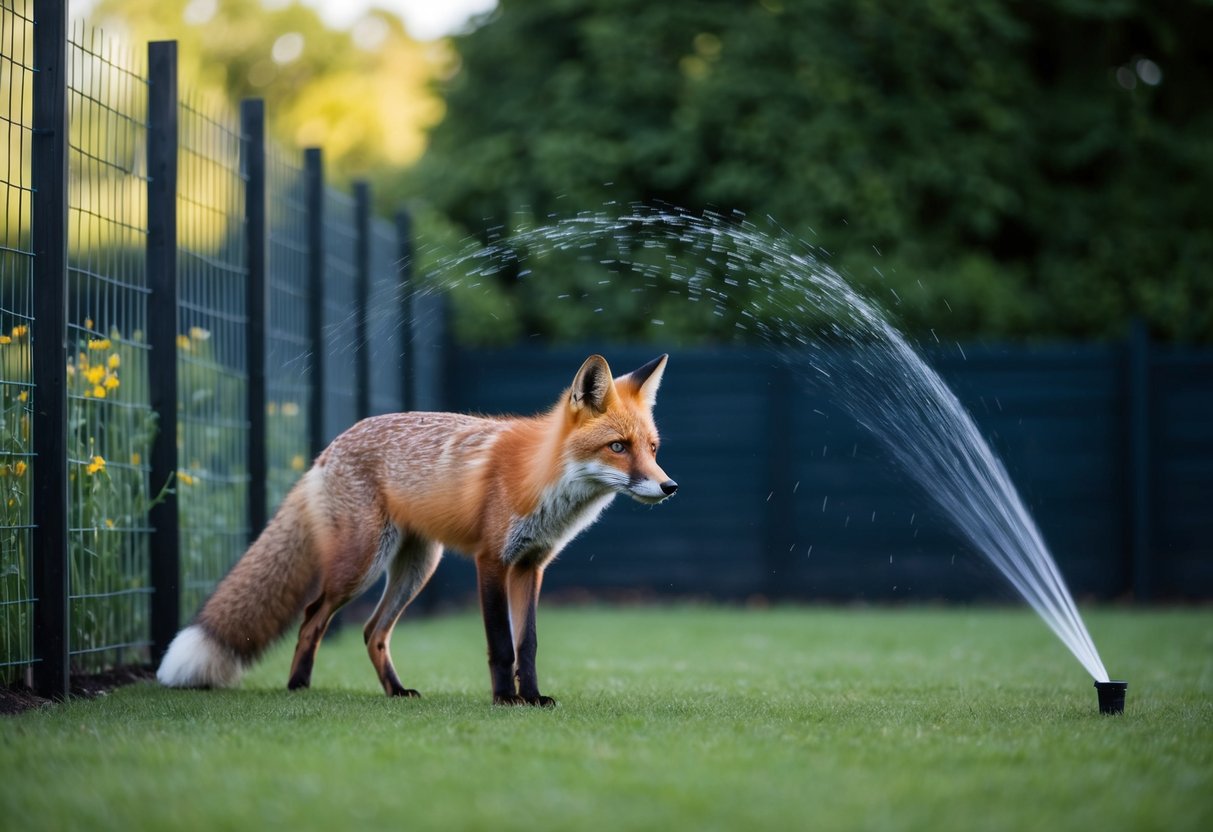
When trying to keep foxes away, understanding how different deterrents work is key. You can choose from a variety of methods, each with distinct effectiveness, adaptability, and professional options. Here’s what you need to know.
Comparative Analysis
Different fox deterrents vary in how well they work. Motion sensors are popular because they activate lights or sprinklers when a fox gets close. This sudden change can startle them and encourage them to leave your yard.
Ultrasonic devices emit high-frequency sounds that humans can’t hear but irritate foxes. While they are humane and easy to set up, their effectiveness can be questionable if the foxes become accustomed to the sound.
You might also consider using predator pee, which can create a natural fear. The smell of wolf or coyote urine can signal danger, making foxes think twice about entering your space.
Adaptation and Persistence
Foxes are clever animals. They can quickly adapt to deterrents, so regularly changing your methods can keep them effective.
Using a mix of smells, like predator urine and spicy sprays, along with visual deterrents, can help. If they associate your yard with unpleasant experiences, they may decide it’s not worth the risk.
Remember to always stay consistent with your efforts. Regularly checking and updating your methods is crucial in keeping those crafty foxes at bay.
Professional Approaches
Sometimes, hiring professionals can be the best solution. Wildlife control experts offer methods tailored to your area.
They can assess how foxes behave in your surroundings and recommend the best deterrents for your specific needs.
They might suggest using more advanced sprinkler systems that activate with motion to scare foxes away effectively. These pros often know tricks that are not common for homeowners.
Professional help ensures that you get rid of foxes without harming them. This approach is ideal if you have persistent issues or if your efforts seem to fail.


