
If you’re considering keeping foxes out of your yard, you might wonder about their digging abilities. Foxes can indeed dig under fences, so it’s important to understand how to effectively prevent them from entering your space.
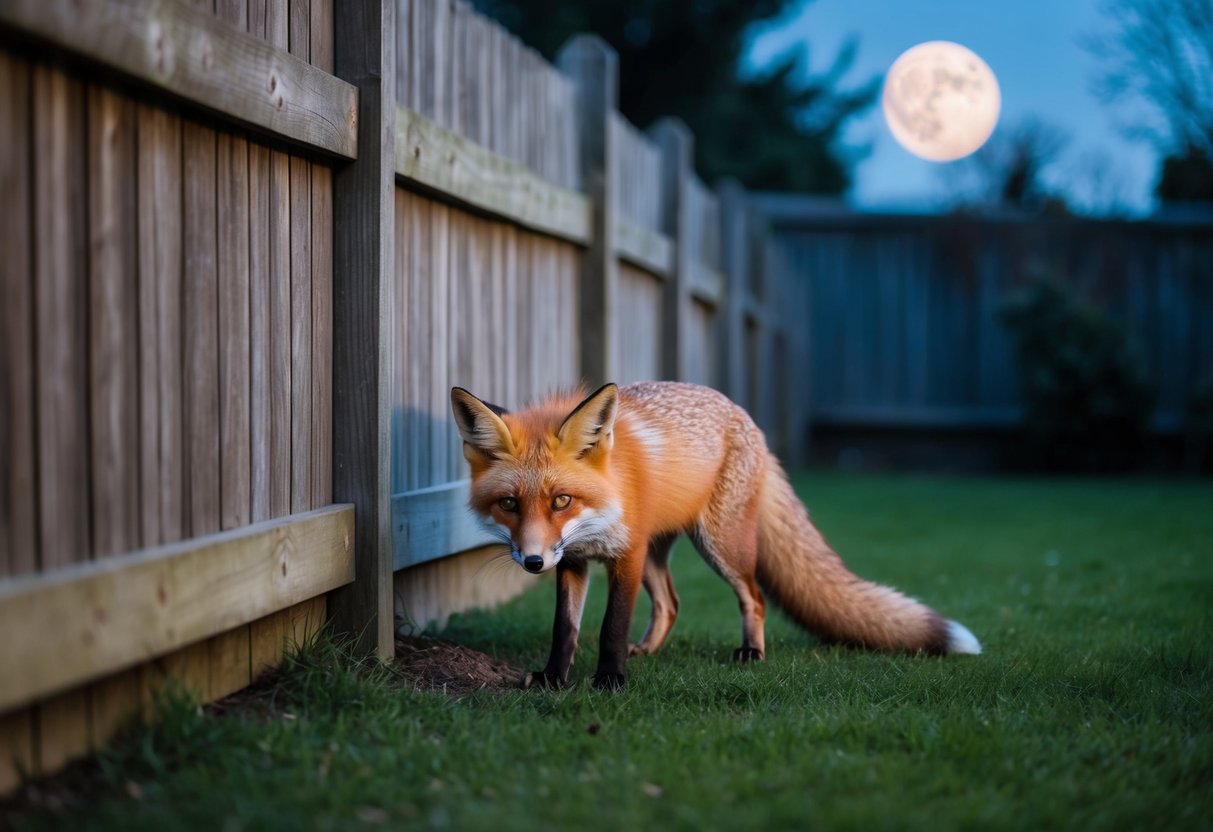
These clever animals are excellent diggers, often using their skills to find a way under barriers. You may notice that traditional fencing alone is not enough to keep them out, especially if it doesn’t address their digging habits.
Protecting your garden or pets means taking a few extra steps to ensure your fences are secure.
By knowing how foxes operate, you can implement strategies that help keep your yard safe from these curious creatures.
Understanding Fox Behavior
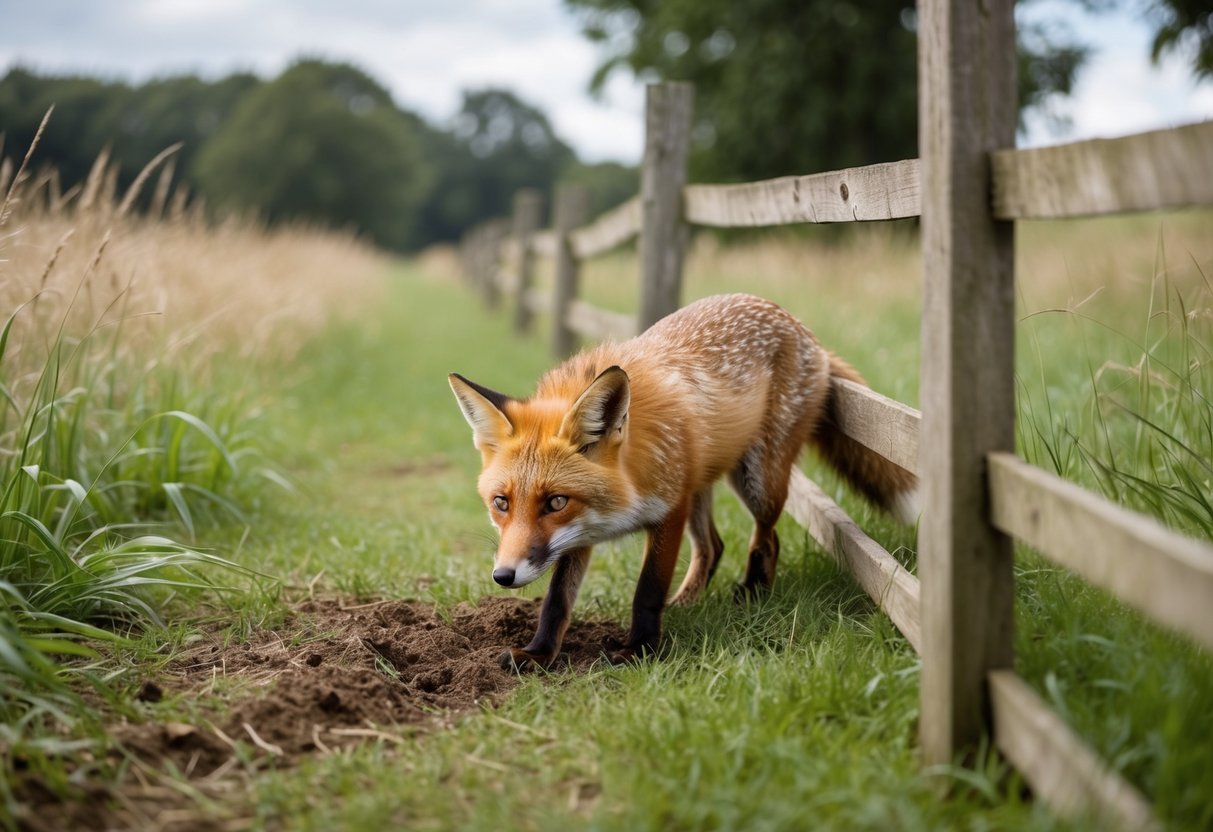
Knowing more about fox behavior helps you understand how they operate in your yard or garden. Two key aspects to consider are their territorial habits and their foraging and feeding preferences.
Territorial Habits
Foxes are very territorial animals. They often establish a home range that they will defend from other foxes. This territory can vary in size based on the availability of food and shelter. Urban foxes may have smaller territories compared to rural ones due to higher food availability.
Foxes mark their territory with scent. They use urine and feces to signal their presence to other foxes. This is why you might notice their markings around your property. Being aware of this can help you understand why they are digging and exploring.
Foraging and Feeding Preferences
Foxes are opportunistic feeders. Their diet includes a variety of foods such as earthworms, grubs, rabbits, and small mammals like voles. They may also snack on birds and fruits when available.
When they dig, they are often searching for these food sources. In gardens, you might find them digging to unearth earthworms or grubs hiding in the soil. Urban environments provide them with easier access to food, which can lead to more frequent visits in search of a meal. This behavior is essential for their survival and can sometimes lead them under fences.
Fox-Proof Fencing Solutions
Keeping foxes out of your yard is essential if you want to protect your pets and garden. Choosing the right type of fence and enhancing its security can make a big difference.
Types of Fences
When it comes to fencing options, you have several choices. A solid wooden fence can be a good start but might not be enough on its own.
Consider using a fence that is at least six feet tall to deter climbing.
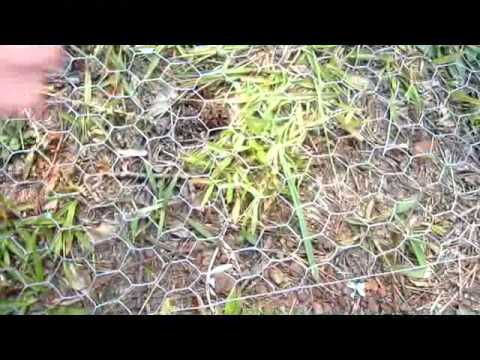
Wire Fencing is an effective solution. Chicken wire is popular but should be buried a foot underground to prevent digging. Similarly, hardware cloth is a durable option, often used for its strength against foxes.
An electric fence can also be useful. These fences deliver a mild shock, which can discourage foxes from entering your property.
Enhancing Fence Security
Once you have chosen your fence type, you can take additional steps to enhance its security.
Make sure to bury the bottom of your fence at least 450 mm underground. This prevents foxes from digging underneath.
Consider adding an outward overhang to your fence. This creates an unusual angle that foxes find hard to navigate.
Regularly check your fence for gaps or weak spots. If there are any, make repairs immediately.
An extra layer of protection, like electric fencing, can act as a strong deterrent. Making your yard less appealing to foxes can also help, so keep trash sealed and remove food sources.
Alternative Deterrent Methods
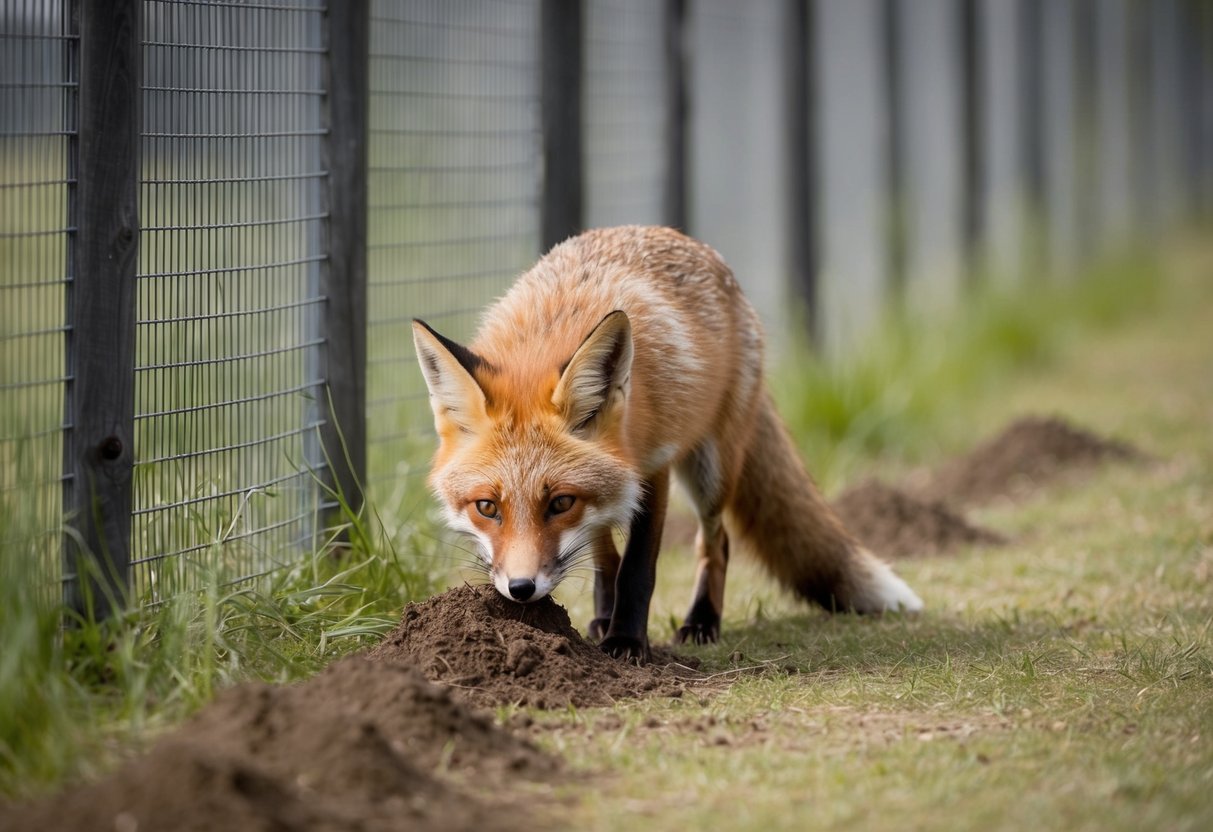
When trying to keep foxes out of your yard, various alternative methods can help deter them. You can use both conventional and natural approaches to create an unfriendly environment for these curious animals.
Repellents and Deterrents
Fox repellents are a popular choice for keeping foxes at bay. You can find chemical sprays that release strong scents, which foxes dislike.
Another option is scoot fox repellent, made from fox urine. This can trick them into thinking a rival is nearby.
Using ultrasonic devices can be helpful too. These devices emit high-frequency sounds that humans cannot hear but can drive foxes away.
You can also consider physical barriers, such as a tall fence topped with spikes.
Guard dogs can be an excellent natural deterrent. Their barking and presence may keep foxes from entering your yard.
Additionally, you might try using a scarecrow or other visual deterrents that move or make noise, reinforcing the idea that your yard is not a safe place for them.
Biological and Natural Deterrents
If you prefer natural deterrents, you have several options.
Certain plants, like lavender and marigolds, may repel foxes due to their strong scents. Planting these in your garden could help keep foxes away.
Another useful method is to remove food sources. Make sure to store pet food securely and clean up any fallen fruits from your garden.
Using a malodor can also be effective. Foxes are known to avoid strong scents, so consider spreading used coffee grounds or citrus peels around your yard.
Lastly, a guard dog can act as a natural protector. Breeds like the Akbash or Maremma Sheepdog are known for guarding properties against wildlife. Their bark and loyal nature can discourage foxes from entering your space.
Protecting Your Garden and Pets
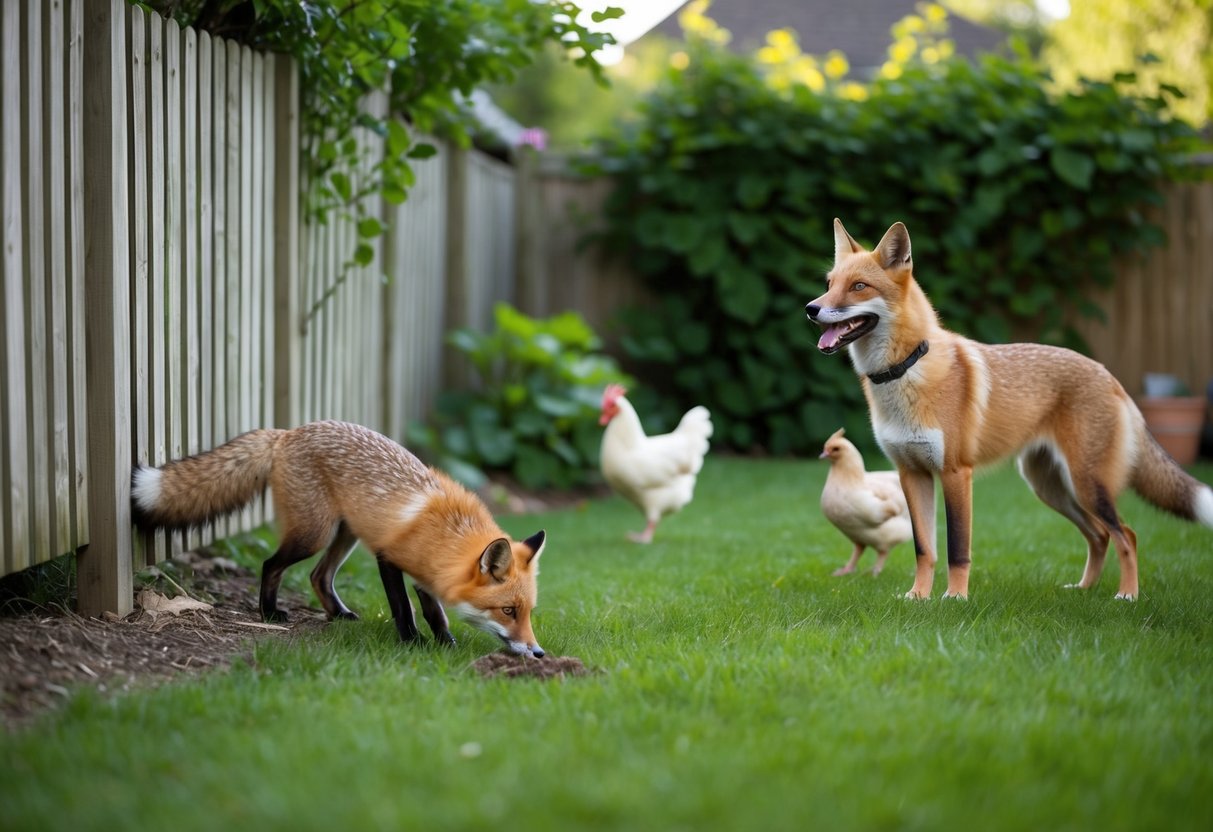
Keeping your garden safe and ensuring your pets are secure requires careful planning. You can take specific actions to protect your food sources and address health concerns related to foxes and other wildlife.
Securing Food Sources and Livestock
To deter foxes, it’s vital to secure food sources in your yard.
Start by keeping pet food inside and not leaving it outside. This makes your home less appealing to foxes.
For gardens, use sturdy fencing. Make sure it is at least 6 feet tall and buried deep to stop digging.
Eliminating potential food sources like fallen fruit or accessible compost can also help.
If you have livestock, secure their pens with strong fencing, ensuring no gaps exist where foxes could squeeze through.
Regular inspections of the areas around your home can help you spot any potential entry points.
Health Concerns and Preventive Measures
Foxes can pose health risks to your pets and garden. They often carry parasites and diseases such as mange that can affect both pets and you.
To reduce these risks, ensure your pets are vaccinated and use treatments for fleas and ticks.
If you suspect foxes are nearby, keep a close watch on your pets. Never leave them unattended outdoors, especially at night.
Regularly check your yard for signs of a fox den, which may indicate their presence. Treating any possible entry points to your property with deterrents can further help keep those curious foxes away.


