
When you think about foxes, you might wonder how they fit into the animal family tree. Are they more closely related to dogs or perhaps even to rats?
Foxes are more related to dogs, as both belong to the Canidae family. This family also includes other canines like wolves and coyotes.
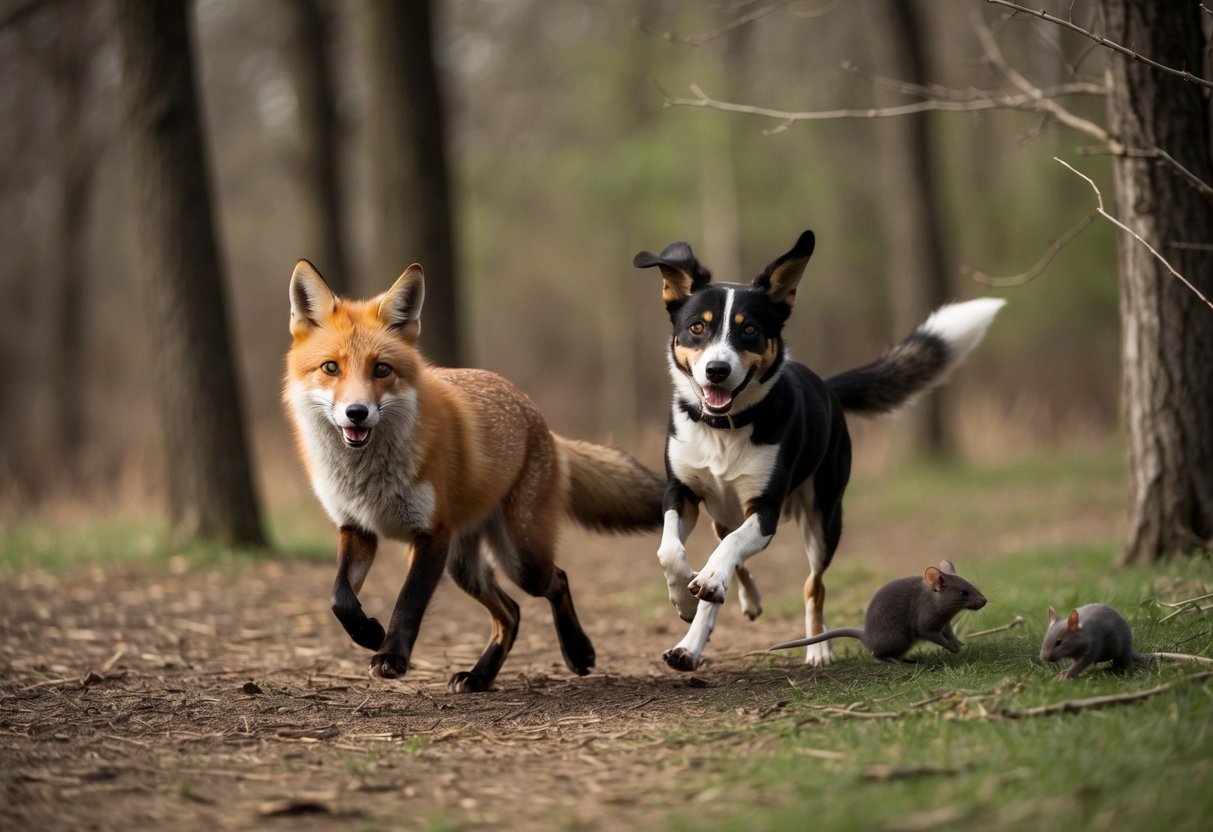
This connection goes deeper than just genetics. Foxes share many traits with dogs, such as social structures and communication styles. Different species of foxes, such as the red fox and the Arctic fox, showcase a variety of behaviors similar to domestic dogs, highlighting their shared ancestry.
While you might find wild rats scurrying around urban settings, foxes are much closer to your beloved canine companions. Understanding this relationship adds another layer to how we view these fascinating wild animals. Curious about the specifics? Let’s dive deeper into the bond between these creatures and discover more about their intriguing connection.
Foxes and the Canidae Family

Foxes belong to the Canidae family, which groups them with other dogs, wolves, and coyotes. Understanding this relationship sheds light on their genetic traits and behaviors.
Genetic Relationship and Ancestry
Foxes, like the red fox and arctic fox, share a common ancestor with domesticated dogs, which are scientifically known as Canis lupus familiaris. This means foxes and dogs fall under the broader family called Canidae. Canids diverged from their common ancestor millions of years ago.
Some of the main canids include:
- Wolves (Canis lupus)
- Coyotes (Canis latrans)
- Foxes (Vulpes species)
Although they share ancestry, foxes are not as closely related to dogs as they are to some wild canids. Their genetic relationship is distant, which is why their behavior and domestication processes differ significantly.
Distinguishing Canidae Members
Canids have diverse physical characteristics adapted to their habitats, whether it’s a forest, tundra, or urban area.
Here are some distinguishing features:
- Foxes: Smaller with pointy ears and a bushy tail.
- Dogs: Variable in size and shape due to domestication.
- Wolves: Larger, with strong bodies built for hunting.
Foxes, particularly the red fox, have developed unique traits such as adapting to different environments, making them highly versatile. In contrast, dogs have been bred for specific traits and tasks, leading to a wide range of breeds and characteristics.
Comparing Foxes and Dogs
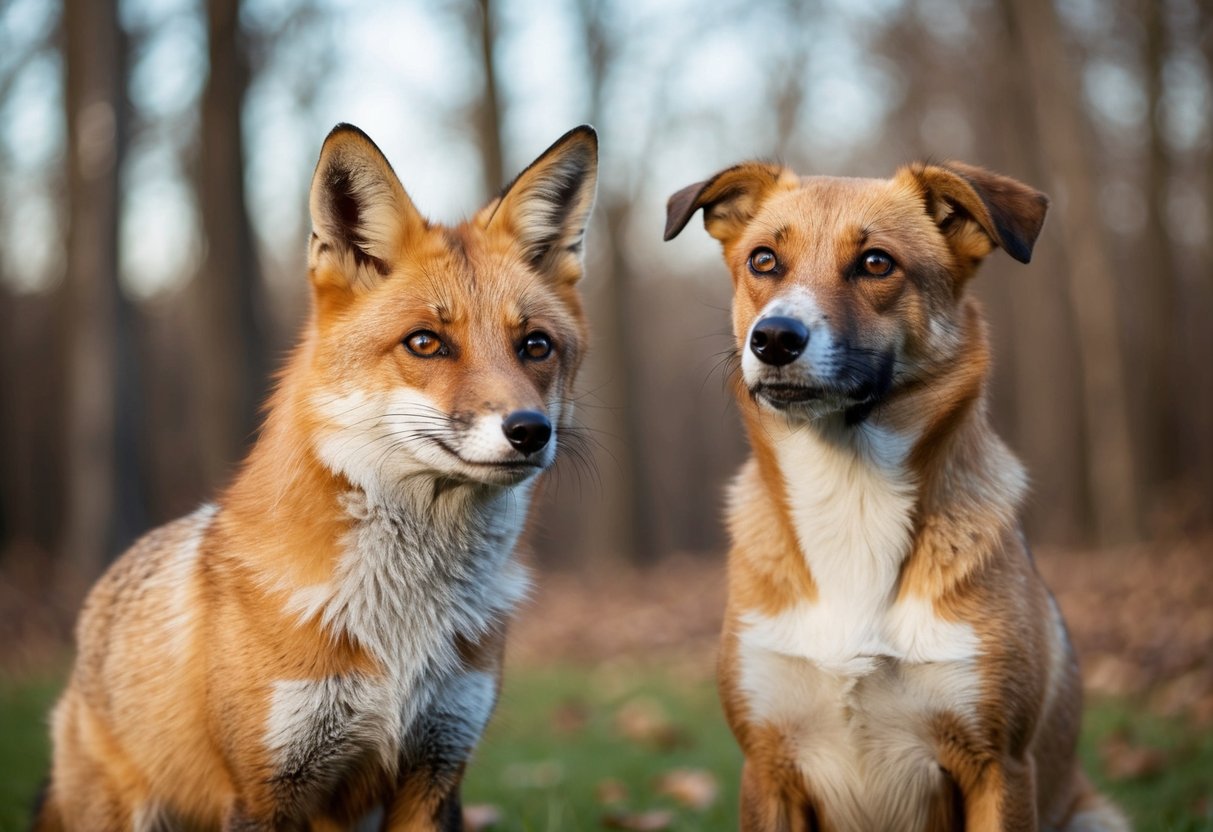
Foxes and dogs share a common ancestry, but their behaviors and interactions with humans differ greatly. Understanding these distinctions can help you appreciate both animals and their unique traits.
Behavioral Similarities and Differences
Foxes and dogs exhibit both similarities and differences in behavior. Both animals are social, but their social structures vary. Domestic dogs typically thrive in packs, reflecting their ancestry from wolves. In contrast, foxes are more solitary, though they can sometimes form small family groups.
Communication styles also differ. Dogs are known for their wagging tails and vocalizations. Foxes, however, use a variety of sounds, body language, and scent marking to communicate with each other. While both species hunt, dogs are often trained to work alongside humans, showcasing a unique collaboration.
Adaptations are crucial too. Dogs have been selectively bred for specific traits, making them diverse and capable in various roles. Foxes, especially wild ones, rely more on instinctual behaviors for survival.
Domestication and Interaction with Humans
The domestication of dogs has led to strong bonds with humans, making them great companions. Dogs have a rich history of working with people in various roles, such as hunting, herding, and service. This close relationship is often built on their ability to understand human cues and commands.
On the other hand, the domestication of foxes is relatively recent. Selective breeding in Russia has produced domesticated foxes that display more docile traits. Despite this progress, domesticated foxes still retain many wild instincts, making them less predictable as pets. Unlike dogs, they may require secure enclosures and specialized care.
Both animals can adapt to urban environments, but the challenges vary. Pet foxes may be more difficult to train than dogs, and their needs often require more careful consideration.
Ecological Role and Conservation
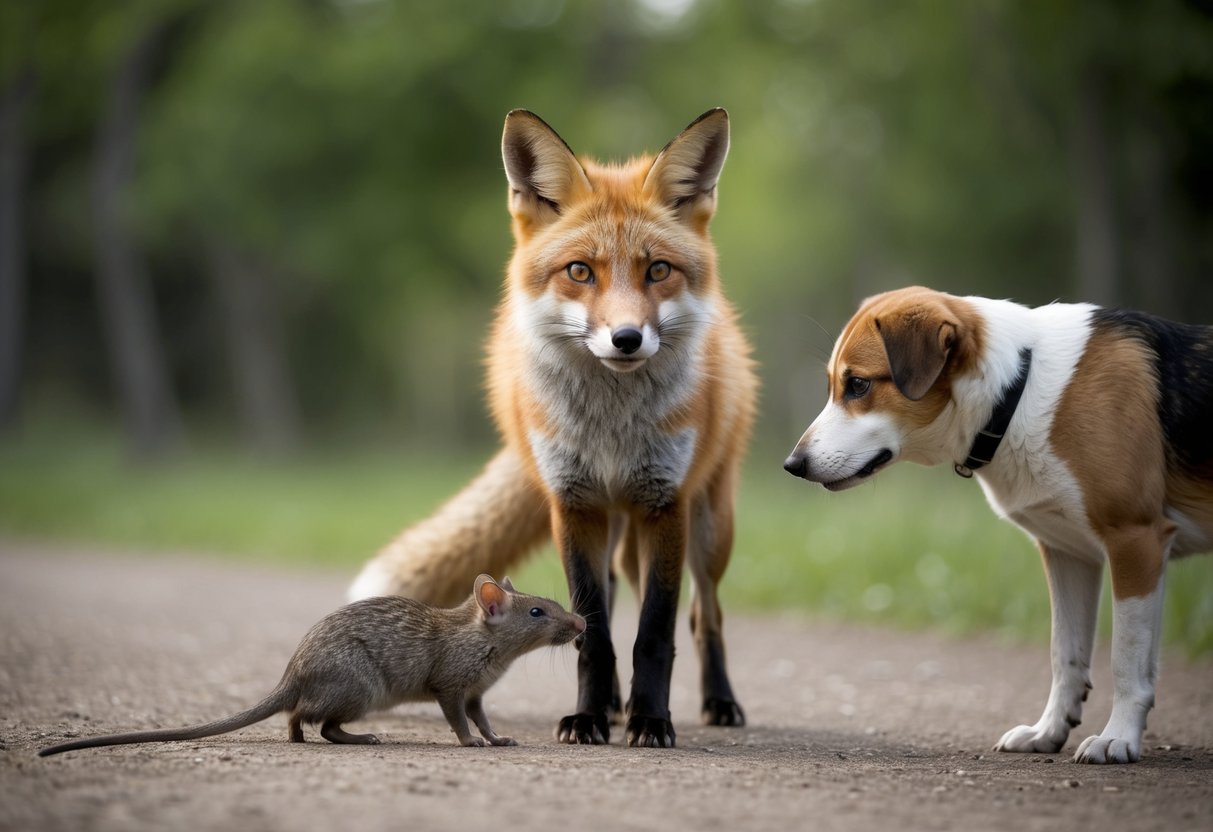
Foxes play an essential role in their ecosystems, influencing both predator and prey populations. Their adaptability allows them to thrive in various habitats, from urban areas to forests. Understanding their ecological role helps in appreciating the importance of conservation efforts aimed at preserving them and the biodiversity they support.
Predators, Prey, and Ecosystem Dynamics
Foxes are carnivores, but they also are omnivorous, which means they adapt their diet based on what is available. They hunt small mammals, birds, and insects while also eating fruits and plants when food is scarce.
Their hunting techniques include stalking quietly and using their keen sense of hearing. By regulating the populations of their prey, such as rodents, foxes help maintain balance in the ecosystem. This balance is crucial for biodiversity, as it prevents any single species from dominating the habitat.
Urban foxes, in particular, show remarkable adaptability, often thriving in cities. They can find food easily in urban environments, which creates unique interactions with humans and other animals.
Threats and Conservation Efforts
Fox populations face several threats, including habitat loss, disease, and urbanization. Diseases like rabies can impact both foxes and nearby animals. Additionally, parasites can weaken foxes and increase their vulnerability.
Conservation efforts focus on protecting their habitats and promoting healthy ecosystems. This includes creating wildlife corridors and preserving green spaces in urban areas. Organizations also work to educate the public about the ecological benefits of foxes, fostering a better understanding.
Supporting conservation initiatives can help protect these valuable creatures and the ecosystems they help sustain.


