
Finding a dead fox can be a surprising and concerning experience, especially for those living near wildlife. If you encounter a dead fox, make sure to handle the situation carefully and responsibly. The best course of action is to contact local wildlife authorities or animal control for guidance on proper disposal. They can provide advice suited to your area, ensuring safety and compliance with local regulations.
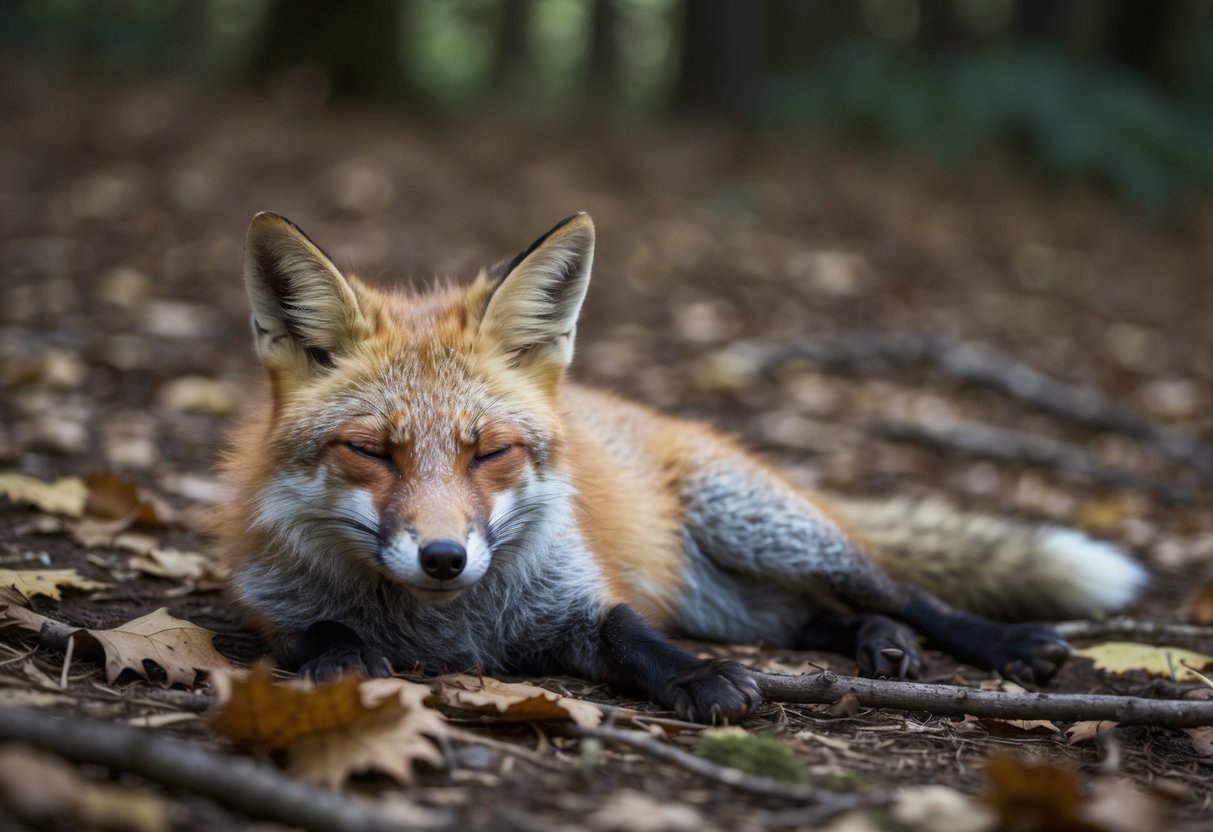
In some cases, you may feel the urge to deal with the situation yourself. However, handling wildlife can pose health risks, especially if the animal is sick. Foxes can carry diseases, and it’s crucial to prioritize your safety and the safety of your pets. Educating yourself about living with foxes can also help you better understand these fascinating creatures and prevent similar situations in the future.
If you notice a dead fox in your area, it’s not just about removal; it’s also an opportunity to learn more about wildlife management. Understanding how to coexist with local wildlife, including foxes, is a valuable skill that enhances your connection to nature.
Assessing the Situation
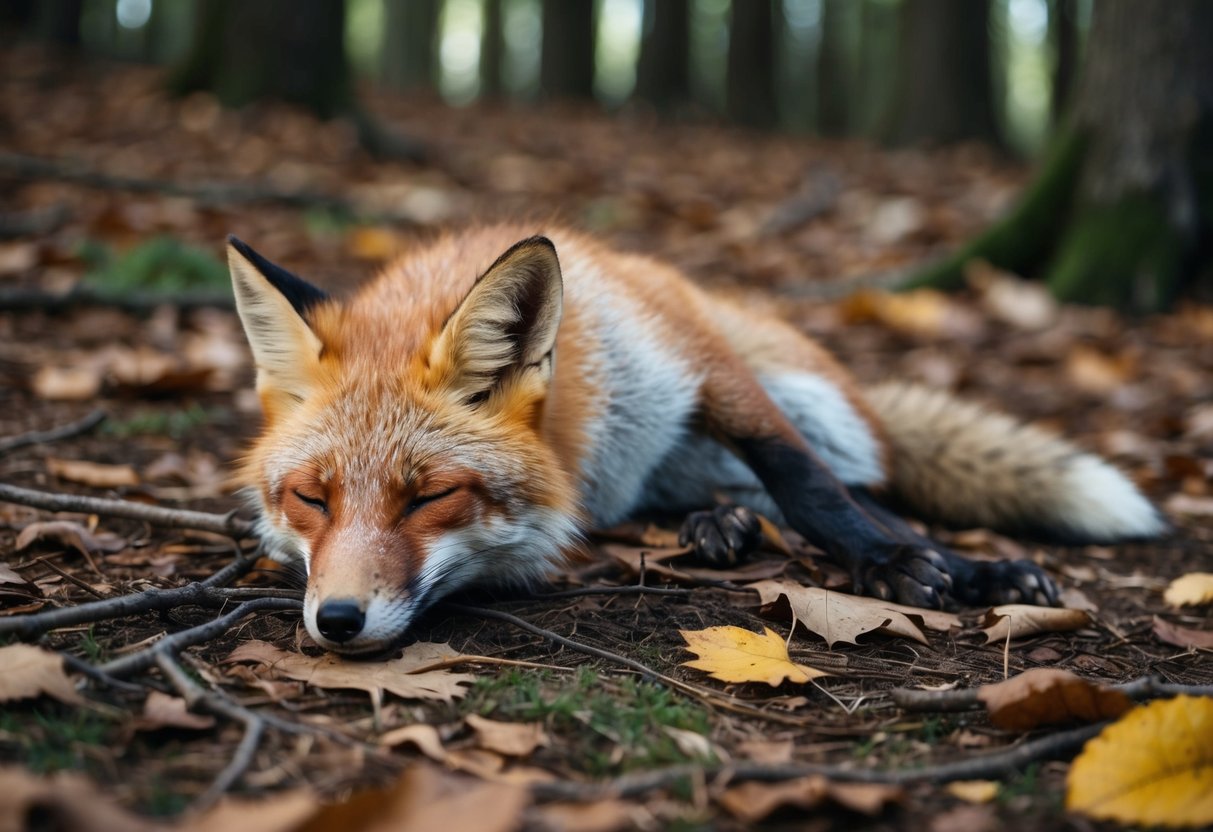
When you encounter a dead fox, it’s important to carefully assess the situation before taking action. Understanding the signs of illness or injury can guide your steps. You should also be aware of potential risks related to disease transmission and consider natural factors that might affect the situation.
Signs of Illness or Injury
To assess a dead fox, look for signs of illness or injury. Check for any visible wounds, such as bite marks or cuts. A sick fox may appear thin, have dull fur, or show signs of distress before death.
If the fox is not too far gone, you might identify symptoms like labored breathing or unusual behavior prior to death. Hypothermia can also play a role, especially in colder months, as it may lead to a fox being less active and more vulnerable. Documenting these signs can be helpful if you need to contact a wildlife rescue organization.
Risks of Disease Transmission
Dead foxes can pose health risks, particularly regarding disease transmission. Certain illnesses, like rabies, can be a concern. Rabies is typically spread through bites or scratches from an infected animal.
While it is rare for the fox strain to infect humans, it’s best to avoid any direct contact. Always wear gloves or use a tool to handle a dead animal. The disease can linger in the air or on surfaces, so be cautious, especially if you have pets that might interact with the area.
Considering Natural Factors
Natural factors may influence the condition of the dead fox and your next steps. Weather conditions can play a significant role in how quickly an animal decomposes. In warm weather, decomposition happens rapidly, while cold temperatures may prolong it.
Additionally, other wildlife may be attracted to the situation. Stay observant for scavengers or predators that might approach the area. It’s a good practice to address the situation sooner rather than later to minimize risks to other animals and yourself. If assistance is needed, contacting local wildlife authorities can help ensure the proper handling of the situation.
Safe Removal and Handling
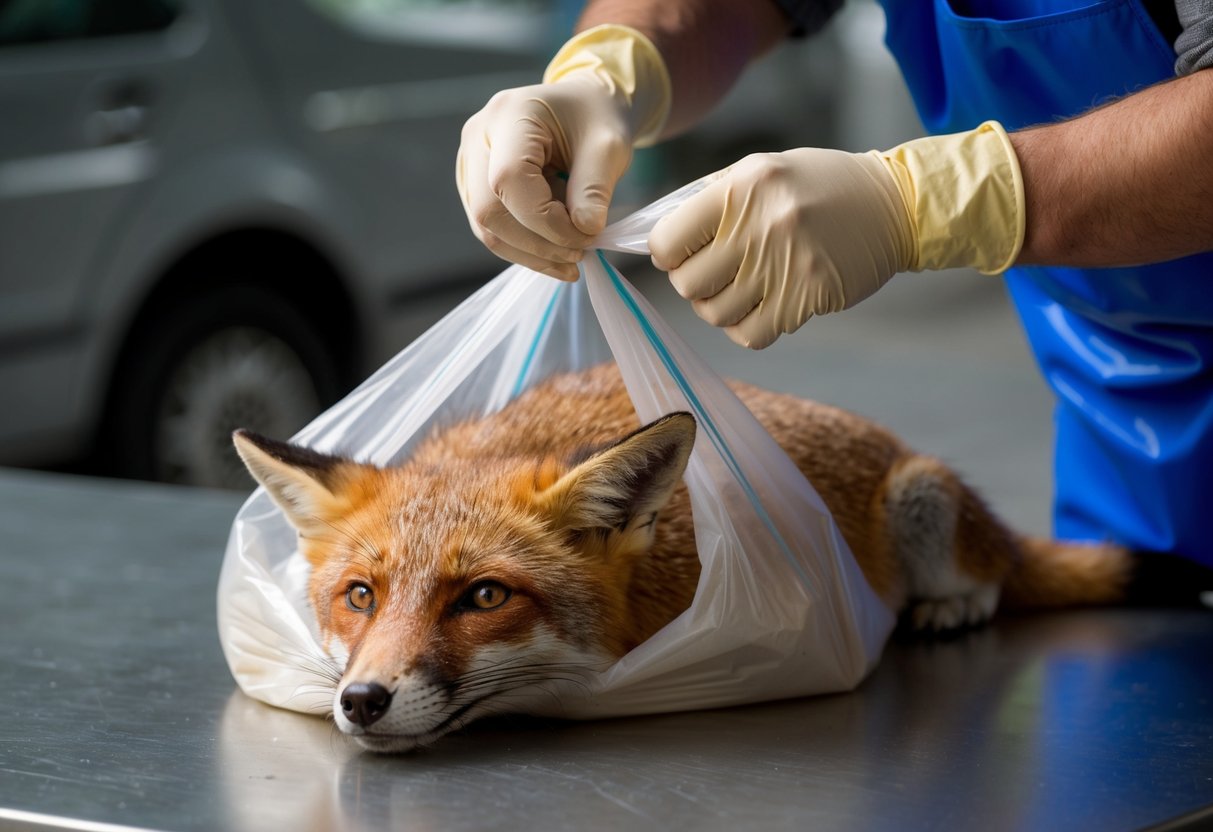
When you find a dead fox, it’s important to handle the situation carefully. Taking the right steps helps protect your health and the environment. Here are key points to consider when removing a fox from your property.
Wearing Protective Gear
Before you approach the dead fox, make sure to wear proper protective gear. This includes gloves, a mask, and possibly goggles. These items help prevent contact with bodily fluids that might carry diseases.
Sarcoptic mange is one illness that can affect foxes, and it can transfer to pets or humans through skin contact. Protecting yourself minimizes any health risks.
Use sturdy clothing and closed-toe shoes to prevent bites or scratches. Make sure to dispose of the gear properly after use, following local guidelines.
Contacting Wildlife Professionals
In many cases, the best step is to contact wildlife professionals for assistance. They have the training and tools needed to safely remove the animal without spreading disease.
Wildlife rescue organizations often help in these situations. They can handle the carcass and assess if there are other foxes in the area that might be affected by diseases like mange.
If you’re unsure about the laws in your area regarding dead wildlife, experts can guide you on what to do next. They will also ensure proper disposal according to local regulations.
Legal Considerations
Handling a dead fox can have legal implications. Some regions have specific laws about wildlife removal. It’s important to research local laws or contact animal control for guidance.
In some cases, it may be illegal to dispose of a wild animal without notifying authorities. Improper disposal can lead to fines or other penalties.
You should also consider that the fox may have been part of a territory that other wildlife uses. Addressing the situation correctly promotes coexistence and safety in your area.
Preventing Future Incidents
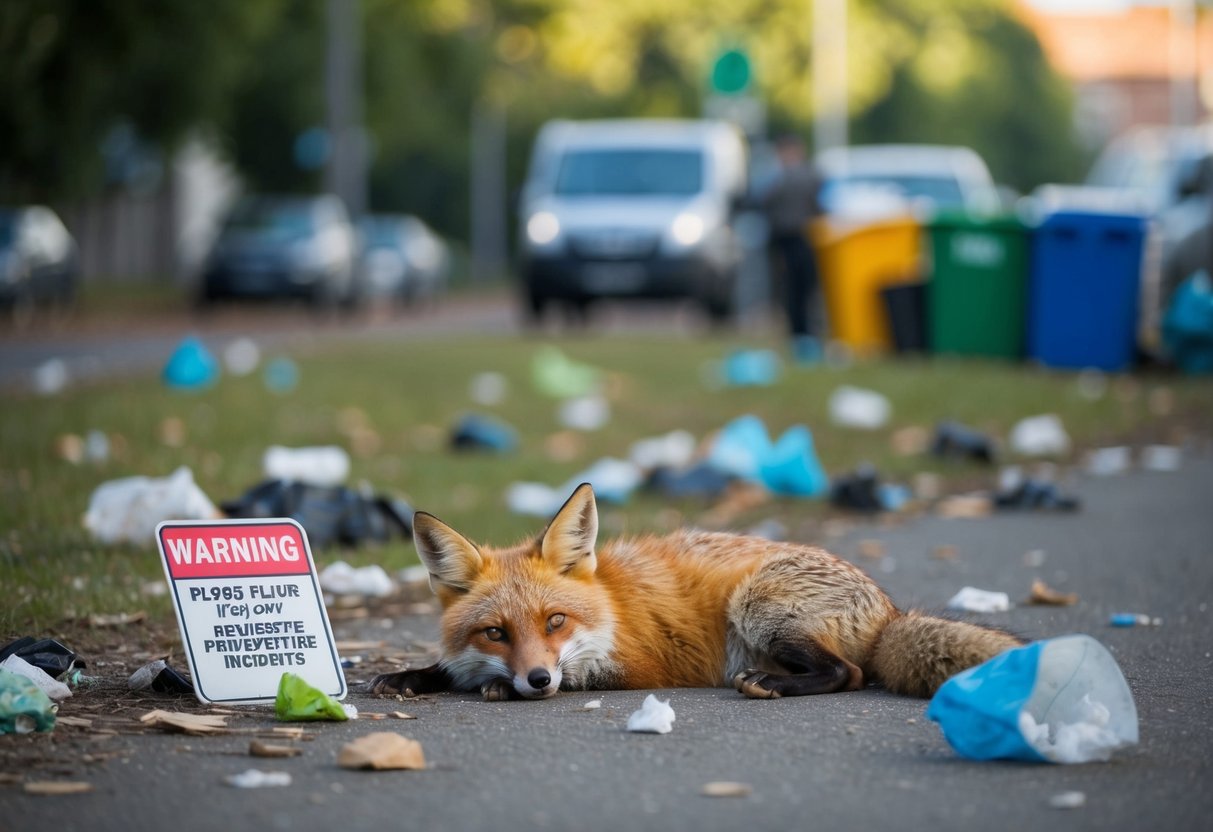
Taking steps to prevent future encounters with foxes can help keep your pets and local wildlife safe. Here are some practical strategies focusing on securing your property and responsible pet ownership.
Securing Your Property
Start by securing your backyard to reduce the chance of foxes wandering in. Fencing is a great way to keep foxes out. Use strong, tall fences, ideally 6 feet high, that extend underground to prevent digging.
Clear away any potential food sources. This includes pet food, birdseed, and fallen fruit from trees. Store garbage in secure bins with tight-fitting lids.
If you have a garden, consider using motion-activated lights to deter foxes and other wildlife. Keeping your yard tidy can make it less inviting for these animals.
Effective Repellents and Deterrents
There are various repellents you can use to keep foxes away. Consider using commercial fox repellents, which often contain smells foxes dislike, such as predator urine. These can be applied around the perimeter of your yard.
Natural deterrents work too. For example, sprinkling black pepper or cayenne pepper in areas where foxes are seen can discourage them.
Some people find success with homemade solutions, like a mixture of apple cider vinegar and water sprayed around the property. Just ensure any repellent used is safe for your pets, especially if you have cats or other animals.
Responsible Pet Ownership
Being a responsible pet owner plays a big role in preventing fox encounters. Always keep your pets on a leash during walks, especially at dawn or dusk when foxes are more active.
Avoid leaving pet food outside, as it attracts not only foxes but other wildlife too. If you have small pets, consider supervising them closely when they are outdoors.
Creating a safe environment for your pets also includes having a secure space for them to play. This could be an enclosed area where foxes cannot enter. With these tips, you can help protect your furry friends and minimize risks in your neighborhood.
Living Harmoniously with Local Wildlife

To live well alongside local wildlife, understanding their behavior and the ecosystem they inhabit is essential. By recognizing the roles of foxes and promoting biodiversity, you can create a peaceful coexistence in your area.
Understanding Fox Behavior
Foxes, whether gray or red, are generally shy and prefer to avoid human interactions. They may roam during the day, especially when searching for food or protecting their young, called kits. Understanding that they are mainly scavengers can help you manage your interactions.
To deter foxes from your yard, secure trash bins, and avoid leaving pet food outside. If you see a fox, it’s best to quietly observe from a distance without approaching, as foxes are territorial and may feel threatened.
The Importance of Biodiversity
Biodiversity is vital for a balanced ecosystem. Just like you, different species thrive by filling unique roles. Foxes help control rodent populations and are a food source for larger predators. This balance supports healthy ecosystems.
Encouraging a variety of wildlife, from insects to small mammals, can enrich your environment. Consider planting native plants, as they provide food and shelter for animals like foxes and insects. A diverse habitat adds beauty to your yard and promotes a thriving ecosystem.
Creating a Wildlife-Friendly Habitat
Creating a wildlife-friendly habitat is a rewarding way to coexist with foxes and other wildlife. Start by providing natural shelter, such as shrubs and bushes.
Avoid using chemicals in your garden, as they can harm local wildlife, including foxes.
Planting native flowers can attract beneficial insects, which contribute to a healthy ecosystem. Also, consider adding a small water feature, as many animals appreciate a reliable water source.
By making these changes, you’ll help support local wildlife while ensuring your own space feels safe and welcoming. Living in harmony with nature enriches your environment and allows for a deeper connection with the creatures around you.


