
If you’ve noticed a fox visiting your garden regularly, you’re not alone. Wildlife, especially urban foxes, often visit gardens because they find food, shelter, and water sources. Understanding what attracts these clever animals can help you decide how to manage their presence.

Foxes are opportunistic eaters and tend to search for easy meals, like pet food, fallen fruits, or even small rodents. If your garden has these tempting items, it might be a favorite stop for the local fox.
Additionally, hiding spots like dense bushes or sheds can provide them with a sense of safety and comfort.
Keeping a fox out can be challenging, but it’s possible. By eliminating food sources and modifying their environment, you can discourage them from visiting your garden. Explore ways to create a more secure space that doesn’t invite these curious guests.
Understanding Fox Behavior
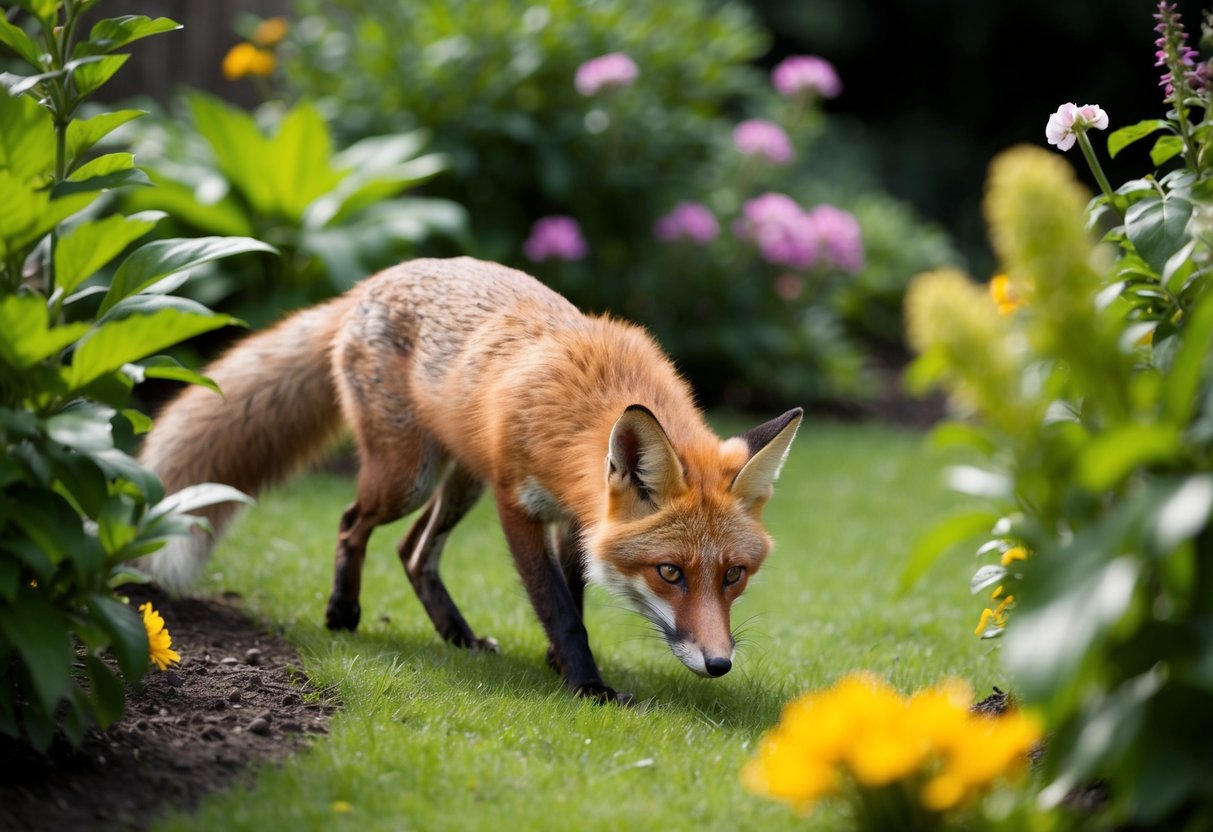
Foxes are curious creatures that often explore neighborhoods. Understanding their behavior can help you see why they might be visiting your garden.
Why Foxes Visit Gardens
Foxes are omnivores that enjoy a varied diet. Your garden may attract them because of the potential food sources. They often dig for earthworms, grubs, or leftover scraps from trash cans.
Additionally, gardens provide a safe space for foxes to hunt. If you have small pets, they might even see them as potential prey. The scent from pet food or bird feeders can also draw them in.
In urban areas, foxes become more adaptable. They learn to navigate easily and rely on gardens for food and cover. Maintaining a clean and secure outdoor space helps reduce these visits.
Fox Dens and Territories
Foxes are territorial animals. They often create dens in safe, quiet areas where they can raise their cubs. If they’ve set up a den nearby, it explains their frequent trips to your garden.
These dens can be found in bushes, under sheds, or even in hollow trees. They use these spaces not just for shelter but also to store food. Fox cubs are playful and may dig around, causing further disturbance.
By understanding their territory, you can take steps to limit fox visits. Block potential denning spots and keep your garden tidy. This way, you can enjoy your outdoor space while allowing wildlife to thrive nearby.
Attractants and Food Sources

If a fox keeps visiting your garden, it’s likely looking for food. Identifying what attracts it can help you manage the situation effectively.
Identifying Food Sources in Your Garden
Start by examining what might be drawing the fox in. Common food sources include:
-
Pet Food: Leaving dog or cat food outside can attract unwanted wildlife. Ensure you bring in any pet bowls after meals.
-
Fallen Fruit: If you have fruit trees, fallen apples or pears can be enticing. Regularly pick up any leftover fruit to avoid attracting foxes.
-
Livestock: If you keep chickens or other small animals, secure their food properly. Foxes are natural predators and will seek out easy meals in a chicken coop.
By addressing these food sources, you can make your garden less appealing to foxes.
Fallen Fruit and Livestock Concerns
Fallen fruit can be a significant attractant. Ripe mangoes, peaches, or berries lying on the ground release scents that can lure foxes. Make it a habit to collect fallen fruit regularly and not let it rot in your garden.
When it comes to livestock, keeping your feed secured is crucial. Use containers that foxes can’t open. Consider adding barriers, like fencing, around your chicken coop to keep your pets safe.
These steps will help ensure that your garden does not unintentionally become a buffet for foxes.
Effective Fox Deterrence
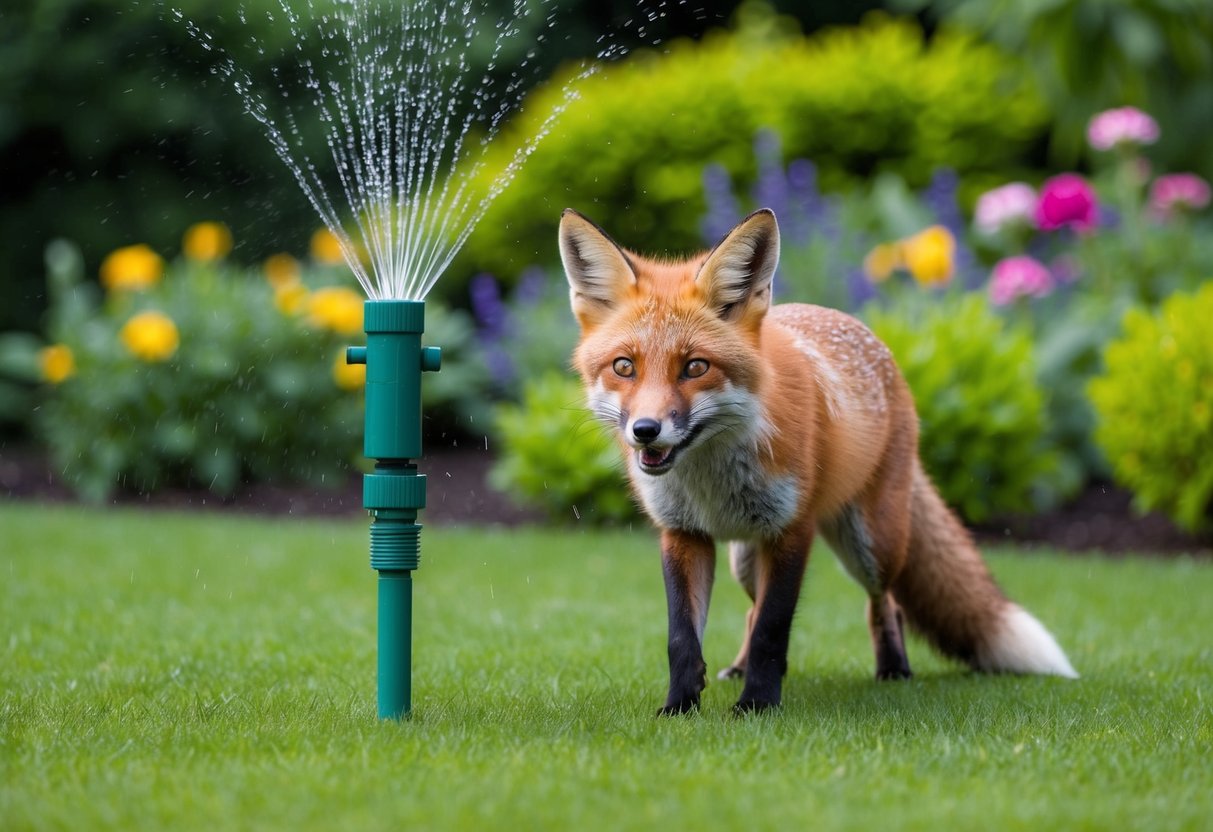
If you find foxes frequently visiting your garden, there are several effective ways to keep them away. By creating physical barriers, using specific repellents, and employing technology, you can deter these curious animals from making your yard their playground.
Creating Barriers with Fences
A solid fence is one of the best ways to protect your garden from foxes. Make sure the fence is at least 6 feet tall to prevent them from jumping over.
Fencing Tips:
- Bury the bottom of the fence: This stops foxes from digging underneath.
- Use materials like chain link or wood: These are sturdy and hard for foxes to climb.
Another option is to consider installing DigStopper prickle strips at the base of your plants. These strips have sharp spikes that make it uncomfortable for foxes to dig.
Keeping your garden enclosed creates a clear boundary that foxes are less likely to cross.
Using Repellents and Deterrents
Several natural repellents can keep foxes at bay. Chilli peppers and garlic are effective when scattered around your garden. The strong smells can make the area unpleasant for foxes.
You might also try sprays like Scoot fox repellent. This product contains scents that foxes associate with danger, encouraging them to stay away from your space.
Making loud noises can also scare foxes off. You can use pots and pans, or even a whistle, to startle them whenever they approach your yard.
Simple actions like these can be very effective and are easy to maintain.
Technological Solutions
Using technology can add an extra layer of protection. Motion-sensor lights are a great way to startle foxes. They activate when a fox walks nearby, creating sudden light that can frighten them away.
Another option is the FoxWatch ultrasonic deterrent, which emits sounds that are uncomfortable for foxes but inaudible to humans. These sounds can deter foxes without harming them.
Together, these technological solutions can create a less inviting environment for foxes. By integrating a mix of barriers, repellents, and tech, you can make your garden a no-go zone for these furry visitors.
When to Contact Animal Control
You may feel threatened if foxes become a regular presence. If so, it may be time to get help. Look for signs of health issues in the foxes, such as unusual behavior. Foxes can carry diseases like rabies, which poses a risk to your pets and family.
Consider contacting animal control if you see a fox den close to your home, or if kits appear. They can safely assess the situation and provide assistance. Be aware that in some cities, relocating wildlife may not be allowed.
Keep in mind that foxes are usually shy and prefer to avoid humans. If they are around more than normal, it may signal a food source nearby. Ensure your garbage and compost are secure to avoid attracting them.


