
If you’ve ever wondered whether a fox could beat a dog in a fight, you’re not alone. Many people find this idea intriguing, especially considering that both animals belong to the Canidae family. In most cases, a dog would likely win due to its size and strength, but various factors like breed and temperament play a significant role.
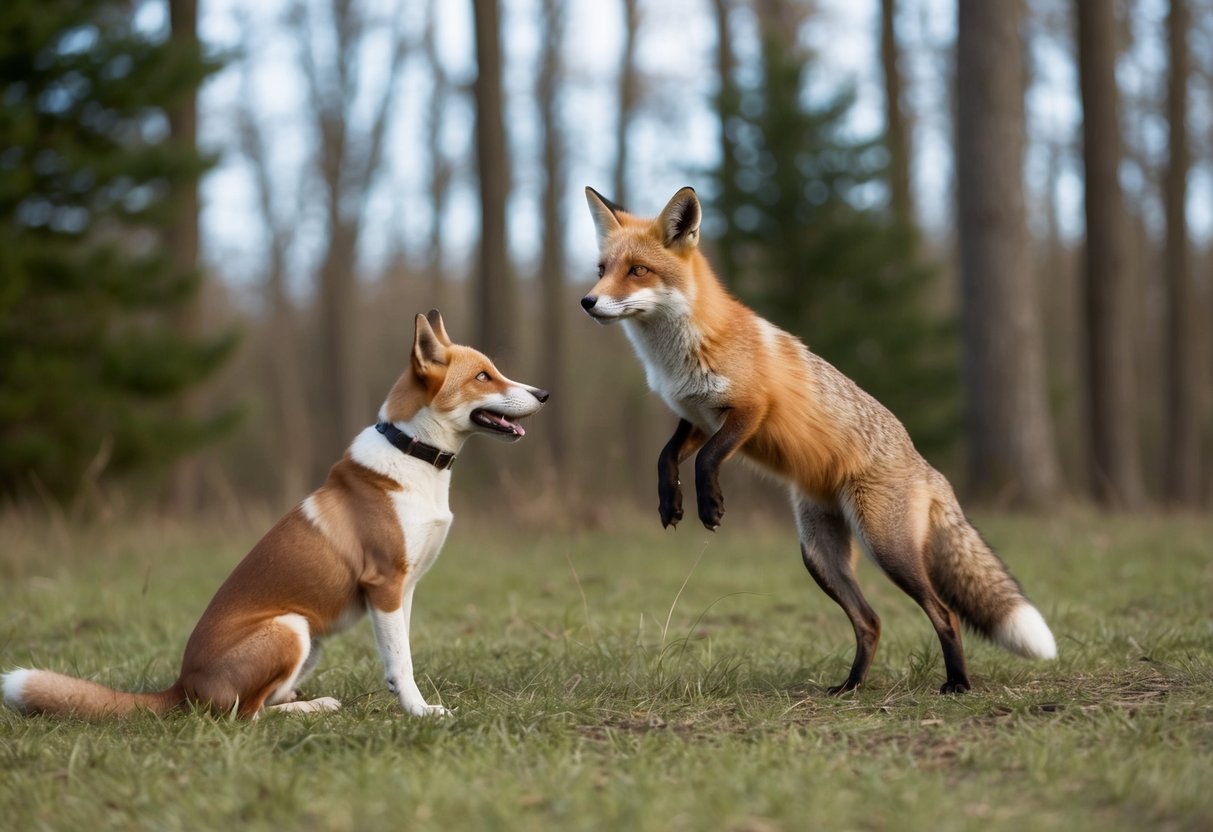
Foxes are smart and agile, which makes them tough opponents. While they might not be as strong as most dogs, their quick movements can help them escape dangerous situations.
Understanding the differences between these animals can provide deeper insight into their behaviors and interactions in the wild.
So, what happens when a fox and a dog cross paths? This article will explore the dynamics of this unusual matchup and what it means for both animals in the animal kingdom. You might be surprised by what you learn!
Comparative Anatomy and Physiology
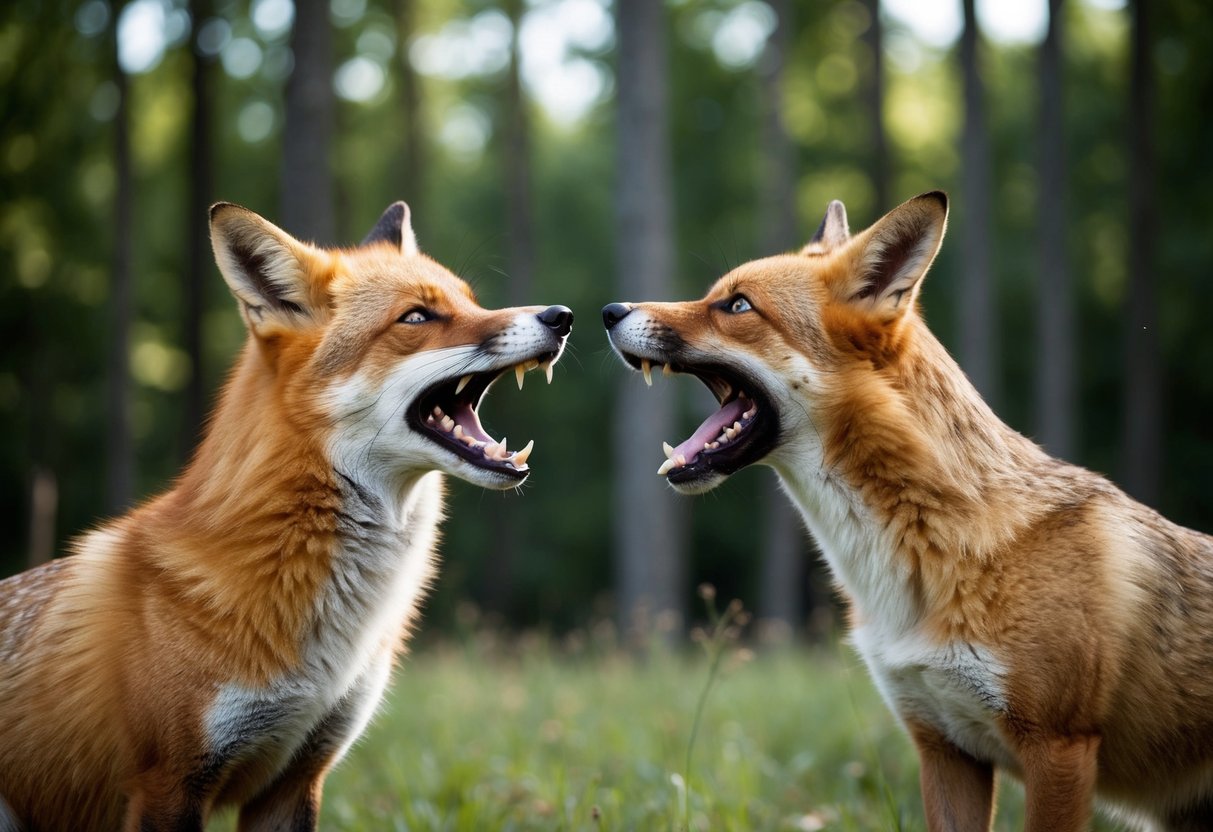
When comparing a fox and a dog, it’s important to look at their physical traits, abilities, and instincts. Each animal has unique characteristics that affect how they might perform in a fight. Below, you will find key aspects that highlight their strengths and weaknesses.
Physical Strength and Size
Foxes are generally smaller than most dog breeds. A typical red fox weighs about 10 to 24 pounds, while many dogs can weigh over 50 pounds. This size difference often gives dogs a strength advantage.
Foxes, however, have strong muscles built for endurance and agility. Their long, lean bodies are designed for quick bursts of speed when chasing prey. Their strength lies in their ability to outmaneuver other animals rather than overpower them.
Dogs, on the other hand, especially larger breeds like German Shepherds or Rottweilers, are built for strength. These dogs can deliver powerful bites and have greater mass behind their attacks.
Agility and Speed
When it comes to agility, foxes have the upper hand. They can twist and turn quickly, allowing them to dodge attacks and navigate through tight spaces. Their long legs help them leap over obstacles with ease.
Foxes can run at speeds up to 30 miles per hour. This speed is useful for escaping predators and catching smaller animals.
Dogs can also be fast, with some breeds like Greyhounds reaching speeds over 40 miles per hour. However, they may not be as agile as foxes. Dogs are usually built for straight-line speed rather than quick directional changes.
Sensory Capabilities
Foxes have sharp senses that help them survive in the wild. Their hearing is excellent, allowing them to detect prey even from a distance. This keen sense can also alert them to potential danger.
Their sense of smell is equally impressive, helping them track down food and recognize other animals. Dogs are known for their extraordinary sense of smell, arguably the best in the animal kingdom. This ability is why dogs are often used in search and rescue operations.
While foxes can see well in low light, dogs also have great night vision due to a reflective layer behind their retinas, called the tapetum lucidum. This feature makes both animals effective hunters, but in different ways.
Intelligence and Behavior
Both foxes and dogs are intelligent, but their intelligence is used differently. Foxes are known for their problem-solving skills, which help them find food and avoid predators. Their adaptability allows them to thrive in various environments.
Dogs, being domesticated, often show intelligence through training and social behavior. They can learn commands and tasks, making them extremely obedient and useful as companions and working animals.
In a fight, a fox might use stealth and cunning to navigate and escape, while a dog may rely on strength and training. This difference in behavioral traits shapes how each animal is likely to respond in various situations.
Interactions and Behavioral Patterns

When considering how dogs and foxes interact, their behaviors reflect their instincts and social dynamics. The following sections will explore territorial behaviors, how they engage in play or predation, and the differences in their social structures.
Territorial and Protective Instincts
Dogs are known for their strong territorial instincts. They often protect their space and family. This behavior is rooted in their ancestry as pack animals.
Foxes, like the red fox, tend to be more solitary and shy. They avoid confrontation unless they feel threatened. If a fox is cornered, it may act defensively. A small dog could be at risk if a fox perceives it as a potential threat or competitor.
Your large dog may exhibit protective behavior, barking or growling when sensing a fox nearby. This shows their loyalty to you and your home.
It’s less common for foxes to intrude into dog territory unless they are very hungry.
Predatory Versus Playful Engagements
Foxes are cunning and primarily nocturnal hunters. They usually hunt small animals, like rodents or even a house cat, rather than engage in fights with dogs. Their predation skills focus on stealth and agility.
Dogs can be playful and might engage a fox in what they see as a game. However, a playful interaction could quickly turn serious if the fox feels threatened. In some cases, dogs and foxes can coexist peacefully, especially if the dog is larger and less inclined to chase.
If a fox perceives a small dog as prey, it may initiate an attack. It is essential to supervise small dogs outdoors to ensure their safety from potential fox encounters.
Social Dynamics in Dogs and Foxes
Dogs are social animals that thrive in packs. They have strong bonds with their human families and with other dogs. This social structure encourages protective behaviors and loyalty.
Foxes are more independent. Their social dynamics are based on survival rather than companionship. Though they can form family groups during breeding season, they generally operate alone.
In interactions, dogs may bark or chase, indicating their excitement or curiosity. Foxes might flee to avoid confrontation.
Historical and Pop Culture References
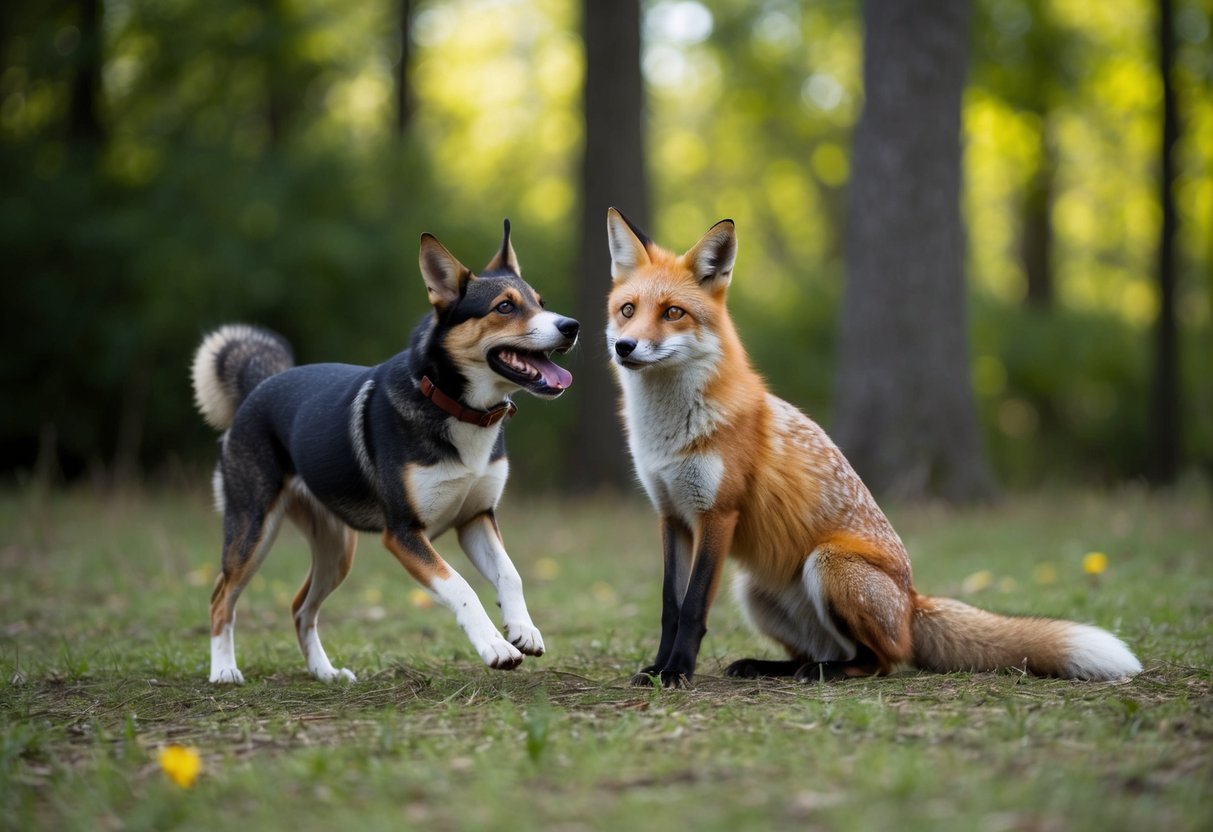
In various cultures, foxes and dogs have taken on significant roles in stories and myths. Their behaviors and characteristics often reflect human traits, making them intriguing figures in folklore. You’ll find that these references shed light on how societies view these animals.
Foxes in Folklore and Myth
Foxes are often depicted as clever and cunning creatures in folklore. Many stories portray them as tricksters, using their wits to outsmart others. In Japanese folklore, the fox, or “kitsune,” is known for being magical, able to shape-shift and possess mystical abilities.
In European tales, foxes can be both villains and heroes. Their agility and sharp minds have made them symbols of resourcefulness. You might recall Aesop’s fables, where the fox often uses deception to achieve its goals. These attributes have crafted a cultural image of the fox as a wild, shrewd animal.
Dogs as Companions and Protectors
Dogs have a rich history as loyal companions and protectors. They are often seen as symbols of loyalty and friendship in many cultures. Throughout history, dogs have served human needs, whether as hunters, guards, or loyal pets.
In mythology, dogs often represent guidance. For instance, the three-headed dog Cerberus from Greek mythology guards the gates of the underworld. This highlights dogs’ role as protectors.
Additionally, many modern stories and films feature dogs as heroic figures. Their bravery and loyalty are celebrated, showing their bond with humans. This strong companionship differentiates dogs from wild animals like foxes, who tend to be more cautious and independent.
Ethical Considerations and Human Impact
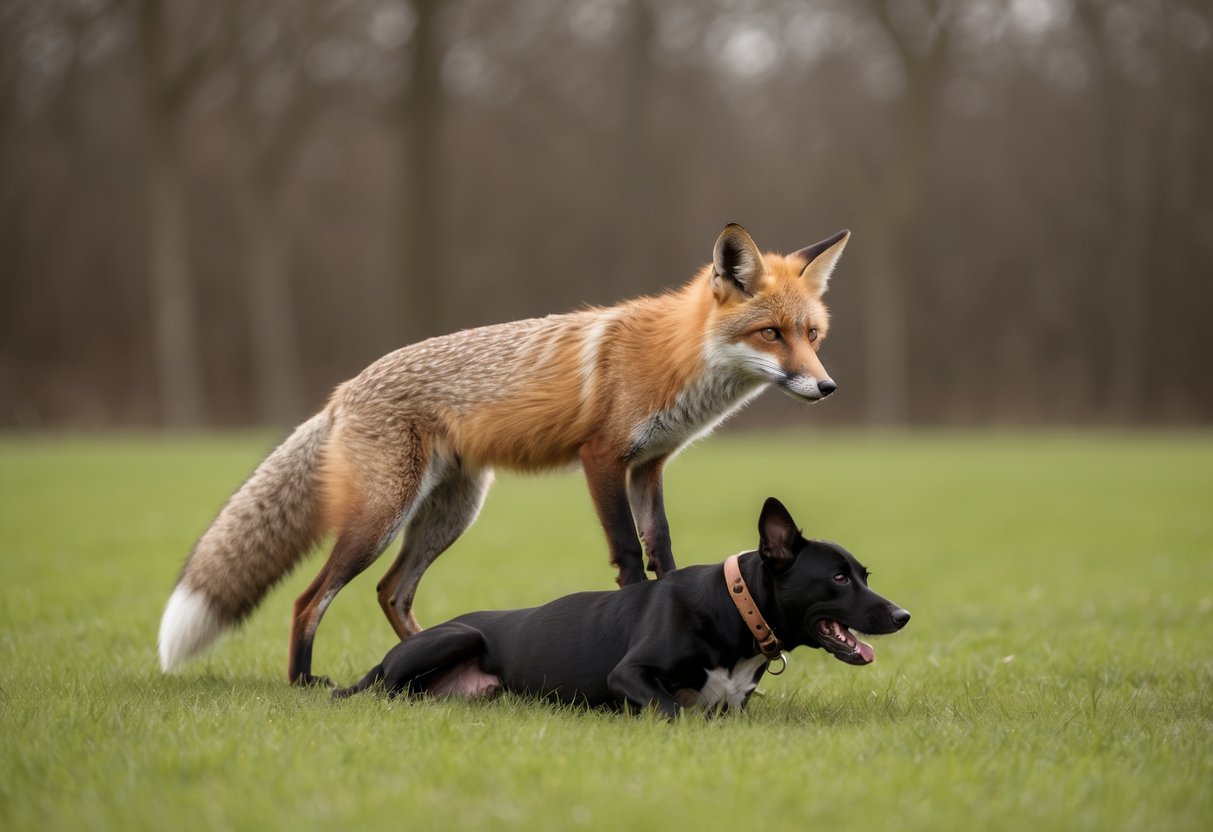
When discussing the potential for a fox to beat a dog in a fight, it’s important to think about the wider ethical issues involved. You should consider the impact on wildlife conservation and how domestic animals relate to their wild counterparts.
Wildlife Conservation and Management
Wild animals, like foxes, play a crucial role in their ecosystems. They help control populations of their prey and maintain balance in nature. When humans interfere, whether through hunting or habitat destruction, it can seriously impact these populations.
Fox hunting raises serious concerns about animal welfare. Critics argue that the methods used in hunting can cause stress and suffering for the animals involved. Understanding the ecological role of the fox can help you see why preserving their natural behaviors is vital.
The ethical implications of harming these animals for sport may outweigh any perceived benefit, emphasizing the need for humane wildlife management.
Domestication and Human Interference
The domestication of animals has changed their behaviors and needs. Dogs are bred for certain traits, which can create differences from their wild relatives. This difference can put them at odds with wild animals like foxes.
Human activities often lead to conflicts in nature. For example, when foxes venture into urban areas, they may face dogs, leading to dangerous encounters. This can be harmful for both species.
By understanding these dynamics, you can see that both dogs and foxes deserve our respect and consideration. Promoting responsible pet ownership ensures that conflicts are minimized, helping to protect both wild and domestic animals in your community.


