
Feeding wild animals like foxes can seem harmless, but it raises important questions about legal responsibilities. Many people wonder, can you face legal repercussions for feeding foxes, depending on your local laws? It’s essential to understand the potential risks and the implications this might have for both you and the wildlife.
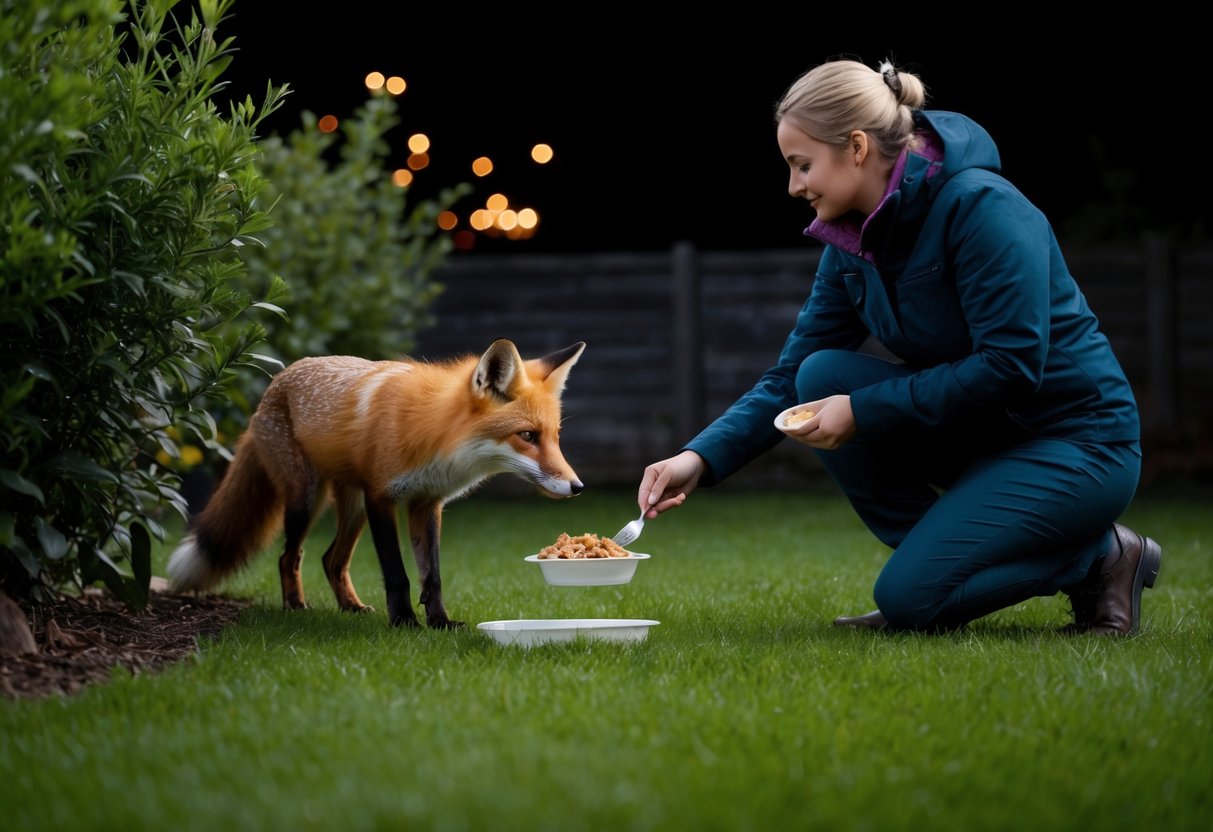
When you feed foxes, you may unintentionally alter their natural behavior, creating a dependency on human-provided food. This not only affects the health of the animals but can also lead to dangerous situations for both you and your neighbors.
Knowing the laws in your area is key, as some places have specific regulations that prohibit feeding certain wildlife.
If you’re considering sharing your food with these curious creatures, it may be best to think twice. Understanding the balance between enjoying wildlife and following the law can help protect you, your community, and the foxes themselves.
Understanding the Law and Its Purpose

Understanding the legal landscape surrounding feeding foxes is important for both you and local wildlife. Different laws are established to protect animals and prevent potential risks to public health and safety.
Wildlife Protection Laws
Wildlife protection laws vary by region but often aim to maintain the ecological balance. Laws like the Hunting Act 2004 and the Wild Mammals (Protection) Act 1996 focus on protecting wild animals from unnecessary harm.
These laws make it illegal to manipulate wildlife in ways that could disrupt their natural behaviors. Feeding foxes may lead to a reliance on humans for food, which could increase their risk of disease and conflicts with domestic animals.
In some places, feeding foxes can fall under nuisance laws, allowing others to report disruptive behavior from wildlife.
Animal Welfare Legislation
Animal welfare legislation, such as the Animal Welfare Act 2006 and the Protection of Animals Act 1911, emphasizes humane treatment of animals. These laws ensure animals are not subjected to unnecessary suffering.
Feeding wildlife such as foxes can unintentionally lead to health problems. Risks include the spread of diseases like rabies. This is why many regions set guidelines or bans on feeding wild animals. You could face legal action if your actions impact the welfare of these animals.
By understanding these laws, you can make informed choices about interacting with wildlife responsibly.
Impact of Feeding Foxes on Ecology
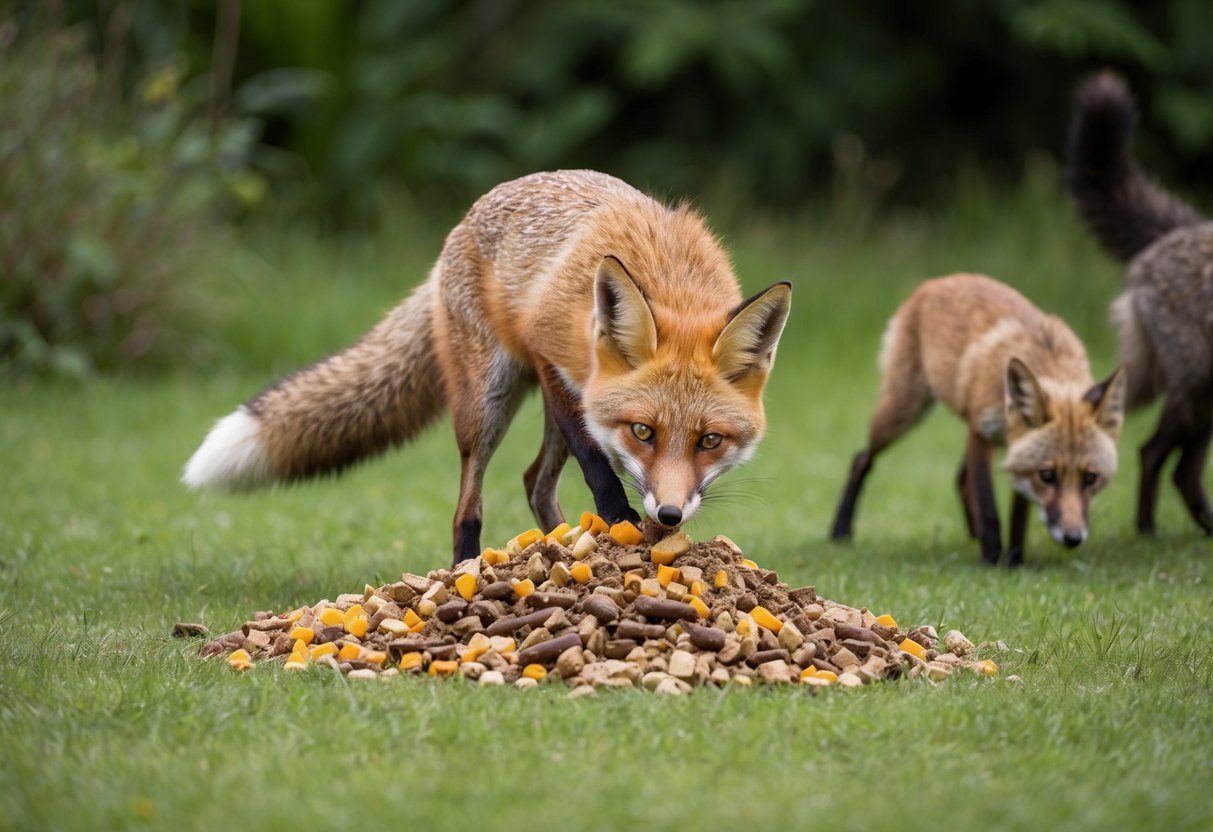
Feeding foxes can have significant effects on the environment and local wildlife. It can disrupt natural behaviors and impact the overall balance of nature. Understanding these impacts helps in making informed decisions about interactions with urban foxes and wildlife conservation.
Conservation and Ecological Balance
When you feed foxes, it can alter their natural foraging behaviors. Instead of hunting for food, they may rely on human handouts. This dependency can lead to changes in fox populations, affecting their role in the ecosystem.
Wildlife conservation efforts aim to protect natural habitats and maintain healthy ecosystems. If foxes are fed, their behavior may disrupt prey populations. This can lead to issues like overpopulation of certain species and a decline in others. A balanced ecosystem is crucial for the health of all animals, including foxes.
Pest Control and Predator Dynamics
Foxes play a vital role in keeping various pest populations in check. They help control rodents and insects that can harm crops and gardens. When you feed foxes, it may interfere with their hunting instincts. This can reduce their effectiveness as predators in urban areas.
A shift in predator dynamics can change the natural balance. For instance, if foxes are less effective hunters, rodent populations might surge. This can lead to increased pest-related problems. Supporting wildlife conservation by avoiding the feeding of foxes can preserve their natural hunting habits, thus supporting both the fox population and the health of your local environment.
Health Risks from Feeding Wildlife
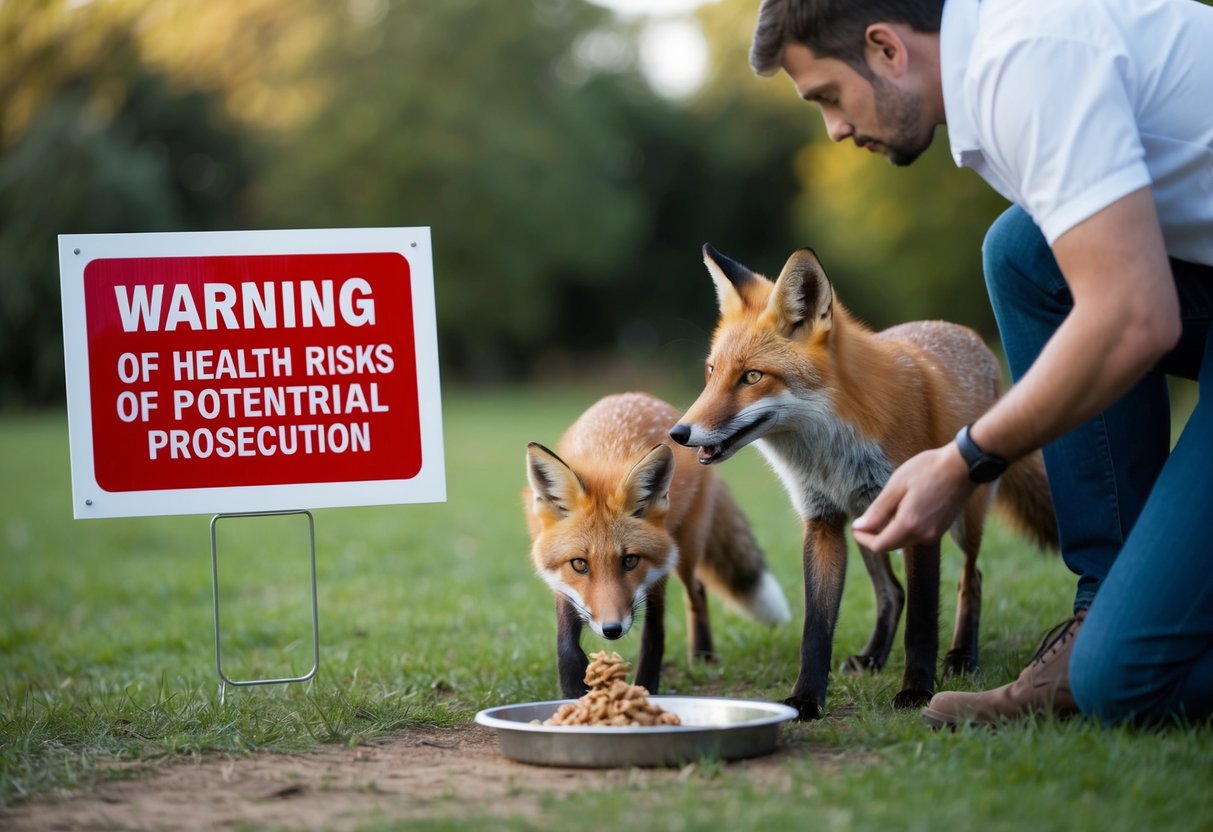
Feeding wildlife, including foxes, can lead to health risks for both animals and humans. How food sources are managed plays a critical role in preventing disease transmission and ensuring public safety.
Disease Transmission and Public Safety
When you feed foxes, you may unintentionally attract them and other wildlife to populated areas. These animals can carry various diseases, which can spread to domestic pets or even humans.
Wildlife authorities warn that interaction between wild animals and people can increase the risk of diseases like rabies and leptospirosis. Rabies, in particular, is a serious viral infection that can be fatal if left untreated.
In addition, considering regulations like the Pesticides Act 1998 is essential, as improper food exposure may lead to wildlife consuming harmful pesticides or toxins. This could present a danger not only to the animals but also to local ecosystems and human health.
Rabies and Other Zoonotic Diseases
Rabies is one of the most concerning diseases associated with feeding wildlife. A wild fox infected with rabies can transmit the virus through its bite or saliva.
Maintaining distance from foxes can minimize this risk. The symptoms of rabies may not show up right away, making it easy for the virus to spread before you notice.
Other zoonotic diseases, like leptospirosis and parasites, also pose threats. Zoonotic diseases are those that can cross between animals and humans. These infections can occur from handling wildlife or contaminated surfaces.
Therefore, it’s crucial to avoid feeding foxes to keep both your family and the wildlife healthy and safe.
Compassionate Practices for Human-Fox Interactions
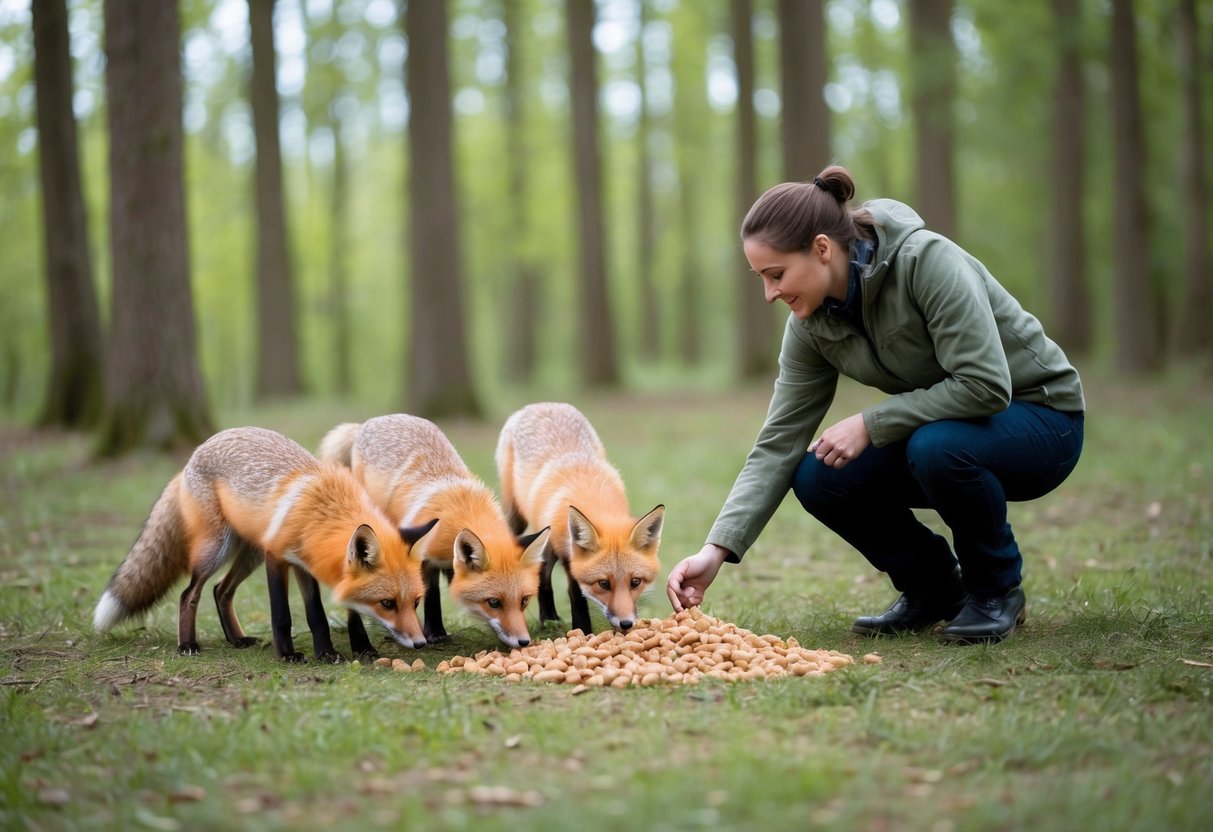
When interacting with foxes, it’s essential to adopt humane practices. You can create a balanced environment that respects their role in nature while avoiding unnecessary suffering.
Humane Deterrence Strategies
If you want to discourage foxes from approaching your property, use non-harmful deterrence methods. Start by securing trash cans and removing food sources that attract them. You can also:
- Use scents: Some natural scents, like vinegar or citrus peels, can help keep foxes away.
- Install motion-activated lights: These can startle foxes and encourage them to stay at a distance.
- Maintain your yard: Trim shrubs and clear debris where foxes might hide.
These humane strategies can keep both you and the foxes safe without causing harm to them or their environment.
Understanding Unnecessary Suffering
It’s vital to recognize actions that lead to unnecessary suffering for foxes. Feeding them might seem kind, but it can create dependency on humans. This dependence can lead to dangerous situations for both you and the foxes.
Avoid:
- Providing human food: It’s not suitable for their diet and can create health issues.
- Leaving out pet food: This invites foxes into your space and disrupts their natural foraging habits.
Instead, focus on observing them from a distance. This promotes healthy wild behavior and ensures they thrive without relying on humans. This also contributes to a safe and harmonious coexistence.


