
When it comes to the question of whether foxes are friendly or not, the answer isn’t black and white. Foxes can indeed display friendly behaviors, especially those raised in captivity. However, remember that they are still wild animals at heart. Their friendly nature can change quickly if they feel threatened or scared.

You might encounter urban foxes that have adapted to living near people, showing curiosity rather than aggression. These animals can be quite fascinating, often found exploring neighborhoods and getting used to human presence.
Learning about their behavior can help you appreciate them as more than just wild creatures.
As you read further, you’ll discover more about the friendly side of foxes and what makes them unique. Understanding these aspects will equip you with insights into their wild nature and how to interact with them safely should the opportunity arise.
Understanding Fox Behavior

Foxes exhibit a range of behaviors based on their environment and upbringing. Knowing about wild and domesticated foxes helps you understand their nature. Their interactions with humans and how they communicate play key roles in their social structures.
Wild Foxes and Solitary Habits
Wild foxes are generally solitary creatures. They prefer to hunt and live alone, although they can form small family groups. Each fox has a defined territory that it marks using scent. This helps communicate to other foxes that the area is occupied.
They are known for their clever hunting skills. Foxes often hunt at dusk or dawn, which is when they are most active. You might find them engaging in playful behaviors, especially younger foxes, who can be quite energetic.
This playful nature is part of their survival tactics, aiding them in both social interactions and hunting skills.
Domesticated Fox Experiments
Domesticated foxes have been studied to understand the effects of genetic selection. Dmitry Belyaev led an experiment in Russia, breeding foxes for friendliness. Over time, these foxes showed less fear of humans and more sociable behaviors.
These domesticated foxes often display traits similar to dogs. They can wag their tails and make soft vocalizations. However, despite their friendly nature, they still retain some wild instincts. Their behavior can still be unpredictable at times, especially in new situations. Understanding their domestication journey helps you see the diversity in fox behavior.
Interactions with Humans and Urban Environments
Urban foxes have adapted to living in cities. They often scavenge for food in parks and gardens, which brings them closer to humans. Many people enjoy watching these clever animals as they navigate urban life.
While urban foxes can appear friendly, it’s important to remember they are still wild animals. They can feel threatened and may revert to defensive behavior. Ensuring a safe distance is always best when you encounter them.
Fox calls can be heard at night, adding a unique charm to urban environments. Their vocalizations include barks and screams, making them quite vocal. Understanding their interactions helps you appreciate their adaptability.
Communication and Social Structures
Foxes communicate through a variety of methods. They use vocalizations, body language, and scent marking to convey messages. Their social structures can be complex, especially in areas where resources are shared.
Playful interactions are common among younger foxes. They engage in games that strengthen their social bonds. Scent marking helps establish territory and communicate boundaries.
Whether in the wild or urban areas, understanding fox communication enhances your knowledge of these fascinating creatures. Their social systems and interactions show how adaptable they can be in different environments.
Fox Diversity and Species Specifics
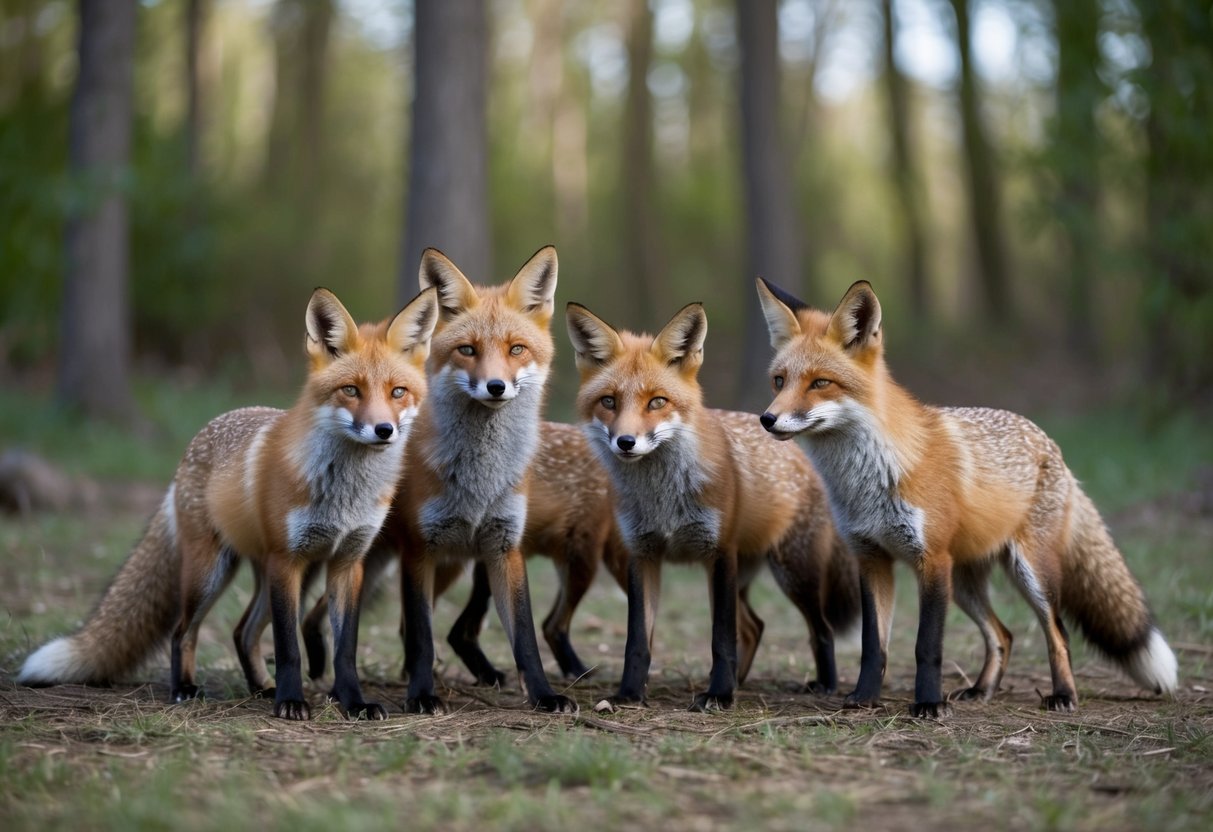
Foxes are a diverse group of animals found in various environments around the world. Understanding specific breeds can help you appreciate their unique traits and behaviors. This section covers notable species, including the common red fox, the adaptable arctic fox, and some rare fox breeds.
Red Foxes: A Case Study
Red foxes are among the most familiar types of foxes. They thrive in a variety of habitats, including forests, grasslands, and urban areas. Their reddish-orange fur helps them blend into many environments.
These foxes are known for their playful nature and social behavior. They can live in family groups, often helping to raise young together.
Red foxes are also quite clever. They adapt their hunting techniques to catch small animals like rodents. Living close to humans, they have become more comfortable around people, showing that they can be quite friendly, especially when raised in captivity.
Arctic Foxes and Adaptation
Arctic foxes are well-adapted to extreme cold. Their thick, white fur provides excellent insulation and camouflage against the snow. In summer, their coat changes to brown or gray, blending in with rocks and tundra.
These foxes are incredibly resourceful. They have a varied diet, eating everything from lemmings to carrion. Their ability to survive in harsh conditions is remarkable.
Living in regions like Siberia, they travel long distances to find food. Their social structures often include tight family units that help each other during the harsh winter months. This teamwork showcases their social nature and adaptability.
Rare Breeds and Geographic Variance
While red and arctic foxes are well-known, there are rare breeds worth mentioning. One example is the silver fox. This variety has a dark, silvery-black coat that makes it sought after in the fur trade.
These foxes share traits with red foxes, including intelligence and adaptability. They are often found in certain parts of North America and Europe.
Foxes can also vary greatly based on location. Indigenous fox populations may have different behaviors and appearances. For instance, the Tibetan fox has distinct markings and a unique hunting style, adapting to its high-altitude environment.
Each species reflects the beautiful diversity of the fox family, showcasing how these animals thrive in their unique surroundings.
The Pros and Cons of Foxes as Pets

Owning a pet fox can seem exciting, but it comes with specific challenges and considerations. This section explores important factors like legality, care needs, and the true nature of fox behavior in a home setting.
Legality and Ethical Considerations
Before thinking about getting a fox, check your local laws. In some areas, owning a pet fox is illegal due to wildlife regulations or concerns around rabies. Always find out if you need a permit.
Ethical considerations also matter. Foxes are wild animals and may not adapt well to a domestic lifestyle. Consider whether it’s fair to keep a fox confined when it naturally roams large territories in the wild.
Fox Care and Habitat Needs
Caring for a pet fox requires a significant commitment. Foxes need a secure outdoor space, often called a fox den, where they can dig and explore. This area must be safe from escape and predators.
Their diet is also special; you should feed them a mix of proteins and fruits to mirror their wild diet. Regular vet visits are essential as foxes can have unique health issues.
Preparing for these needs is crucial before bringing a fox into your home.
The Reality of ‘Friendly’ Foxes in a Domestic Setting
Many people imagine foxes as cuddly companions, but the reality can differ. While some baby foxes may be playful and friendly, adult foxes can act more wild. They have strong instincts and might be playful at times, but they can also exhibit behaviors that might not fit your idea of a friendly animal.
Understanding their natural behavior is key. Be prepared for challenges, such as socialization and training, as they might not respond the same way as dogs.


