
Foxes are fascinating creatures with complex behaviors. You may wonder why they seem to fight so much. The main reasons include protecting their territory, competing for food, and ensuring the safety of their young. Understanding this behavior helps you appreciate the social dynamics of these clever animals.

Communication plays a big role in how foxes interact. They use body language, vocalizations, and scent markings to convey their intentions. When a fox appears aggressive, it is often signaling a need to defend its space or resources.
By recognizing these cues, you can gain deeper insights into the wild world of foxes.
In the wild, conflicts are not always about fighting. Often, they prefer to establish dominance through displays rather than physical confrontations. This behavior helps prevent injuries and keeps their social structure intact, making it an essential part of their survival strategy.
Fox Biology and Social Structure

Foxes, especially red foxes, have interesting social behaviors that influence their fights and interactions. Understanding their social hierarchy and communication methods can help you see why they exhibit certain behaviors, particularly during mating season and when defending territory.
Understanding Fox Social Hierarchy
Foxes have a loose social structure, usually without strict rules like other canids. You may find terms like alpha, beta, and omega used to describe their roles, but foxes often do not form rigid packs.
Instead, red foxes tend to be solitary but can show social behavior during breeding seasons.
During this time, a vixen (female) and a dog fox (male) may come together to raise their young, known as pups or fox kits. Conflicts can arise as males compete for the attention of females. Aggression during these times is common as foxes establish dominance and secure mates.
The Role of Vocalizations and Scent Marking
Communication is key for foxes. They use vocalizations like barks, howls, and screams to express their feelings or warn other foxes. You may hear a loud scream during nighttime, often signaling a call for mates or marking territory.
Scent marking is another critical behavior. Foxes have scent glands that allow them to mark their territory with urine. This marking tells other foxes that the area is claimed, helping to avoid fights.
When a fox enters a marked zone, it may become territorial, leading to confrontations if a rival is present. Understanding these behaviors adds depth to their biology and social interactions.
Territorial Behavior and Aggression
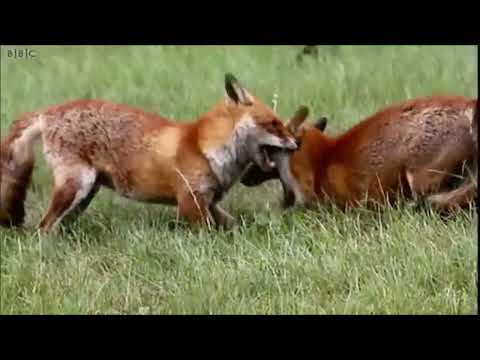
Foxes are known for their complex social structures and behaviors, especially when it comes to territory. Understanding what drives their aggression can shed light on their social interactions. Foxes often fight to protect their territory, establish dominance, and engage in social play.
Aggression Triggers Among Foxes
Aggression in foxes is often linked to territorial disputes. When a fox enters another’s territory, it can lead to confrontations. These disputes are common and usually involve vocalizations, such as gekkering, which includes a series of rapid barks and growls.
Foxes use their sharp claws to defend themselves during fights. The size of their range can also affect aggression; a smaller territory may lead to increased conflicts. Dominance plays a key role as well. A dominant fox may initiate aggressive behavior to maintain its status within the group.
Fox Fights: More Than Just Aggression
Fights between foxes are not always serious. They often engage in playful fighting or wrestling, especially among siblings or pack members. This type of fighting helps them learn important social skills and establish their rank in the group.
While territorial disputes can spark aggression, many encounters are more about communication and social bonding. Different types of aggression include playful nips or displays of strength. These interactions help refine their hunting skills and encourage cooperation among family members, which is crucial for survival.
Life History of the Fox

Foxes have fascinating life histories that include unique mating behaviors and complex family dynamics. Understanding these aspects can help you appreciate their social structure and the challenges they face in the wild.
Reproductive Behaviors and Mating Rituals
When it comes to finding a mate, foxes have distinct behaviors. The female fox, known as the vixen, attracts males through scent markings and vocalizations. Mating typically occurs in late winter, and this is when relationships form.
Foxes engage in playful and affectionate behaviors during courtship. They often groom each other and show tail displays, signaling their interest. Mating can last several days, allowing the pair to strengthen their bond.
After mating, the vixen will give birth to a litter of kits, usually in a den. This is a critical time for both the male and female as they protect the den and prepare for the arrival of the young.
Rearing of Fox Kits and Family Dynamics
Foxes are devoted parents. Once the kits are born, both the vixen and the male fox contribute to their care. The female nurses the kits, while the male brings food to the den.
As the kits grow, family interactions are crucial. The young foxes learn social skills through play and exploring their environment. They groom each other, which helps to build bonds within the family group.
Social hierarchies can develop among the kits, influencing their behavior as they mature. Understanding these dynamics gives insights into how fox society functions, preparing them for life outside the den.
Diet and Hunting Techniques

Foxes have a diverse diet and unique hunting techniques that play a crucial role in their survival. Understanding what they eat and how they hunt can give you insight into their behaviors and interactions with their environment.
The Fox as an Omnivore: What’s on The Menu?
As an omnivore, the fox enjoys a wide variety of food options. You will often find them feasting on rodents, rabbits, and birds, which make up a significant part of their diet.
Additionally, foxes aren’t picky eaters; they consume fruits, insects, and even leftovers from human activities.
This flexibility allows them to adapt their diet based on what is available. For example, in urban areas, they might scavenge from garbage bins or hunt small pets. Their cunning nature helps them find food in diverse settings, from forests to urban environments. Keep in mind that while they have preferences, their ability to change diets helps them thrive wherever they go.
Hunting Strategies and the Importance of Stealth
Foxes are known for their clever hunting techniques, which often rely on stealth. They typically use a combination of stalking and pouncing to catch their prey.
When hunting, they sneak up quietly, keeping low to the ground, and watch for movement. Their keen hearing plays a significant role in locating hidden animals. They can detect sounds made by rodents moving under foliage or through grass.
Once they spot their target, foxes launch themselves into action, displaying incredible agility and speed. This strategy is essential for success, especially when prey may be small and fast.
Moreover, foxes sometimes use the terrain to their advantage, hiding behind bushes or using rocks as cover. This ability to be stealthy and strategic makes them efficient hunters and successful predators in their habitats.


