
Finding a badger sett in your garden can be both surprising and concerning. These creatures are known for their curiosity and digging habits, which can lead to damage in your outdoor space.
Badgers are a protected species in many places, so you must approach the situation carefully and legally.

You may wonder what steps you can take to manage the presence of badgers in your garden without causing harm. There are various strategies to deter them, such as making noise or creating vibrations to encourage them to relocate. Understanding the laws surrounding badgers can also help you determine what actions are appropriate in your situation.
By learning more about badgers and how to handle their presence responsibly, you can protect your garden while respecting these fascinating animals. In the following sections, we will explore effective methods to deal with a badger sett in your yard.
Understanding Badgers and Setts in Gardens

Having a badger sett in your garden can be exciting. It is important to know how to identify these setts and understand the role badgers play in your local ecosystem.
Identifying a Badger Sett
A badger sett is a network of underground tunnels used by badgers for sleeping and raising their young. You can spot signs of a sett by looking for specific features like large, open holes in the ground, often surrounded by fresh soil. If you see snuffle holes, these small pits indicate that badgers are searching for food, like earthworms.
You may also find latrines in your garden. Badgers often use these areas to leave droppings, marking their territory. If you notice any of these signs, it’s a good idea to observe from a distance. Remember, badgers are protected under the Protection of Badgers Act 1992, so avoid disturbing their home.
The Role of Badgers in the Ecosystem
Badgers play a crucial role in maintaining a healthy garden ecosystem. As omnivores, they help control the population of various pests, including insects and small rodents. Their digging helps aerate the soil, promoting healthy plant growth.
By foraging for food, badgers also help disperse seeds, contributing to plant diversity. This is especially important in urban areas, where wildlife habitats are limited. Badgers can even help improve soil fertility as they dig for earthworms and grubs, further benefiting your garden. Being aware of the positive impact badgers have can help you appreciate their presence among your plants and flowers.
Preventive Measures to Protect Your Garden

Keeping badgers away from your garden requires a mix of natural deterrents, proper fencing, and good garden maintenance. By taking these steps, you can help ensure your plants and crops stay safe.
Non-Invasive Deterrents
Using natural scents can be an effective way to deter badgers from entering your garden. You might consider planting herbs, such as citronella, which are known to repel various animals. Other natural repellents include strong scents like vinegar or predator urine, which can signal danger to badgers.
Another tip is to sprinkle these repellents around the perimeter of your garden. You can also use garlic or hot pepper sprays to create an unwelcoming environment. Remember to reapply these scents regularly, especially after rain, to maintain their effectiveness.
Safe Enclosures and Fencing
Building a secure fence can be one of the best defenses against badgers. An electric fence is especially effective. You can install it around the perimeter of your garden, ensuring it is at least 3 feet high. The fence should also extend underground about a foot to prevent badgers from digging underneath.
If you prefer non-electric options, consider using sturdy fencing made from wire or wood. Make sure the fence is tall enough, as badgers are strong diggers and climbers. You could also cover specific areas, like vegetable patches or fruit bushes, with mesh or wire to keep badgers away while allowing beneficial wildlife access.
Maintaining a Clean and Secure Environment
Keeping your garden tidy is crucial in preventing badgers and other pests. Remove any fallen fruits, vegetables, or food scraps that can attract them. This will help eliminate food sources that may entice badgers into your space.
Store any compost or pet food securely, as badgers can be drawn to these. Additionally, consider planting bulbs or crops that are less appealing to these animals. Keeping your garden organized not only protects your plants but also promotes a healthy ecosystem, encouraging wildlife that can balance out pest populations.
Dealing With Badger Damage
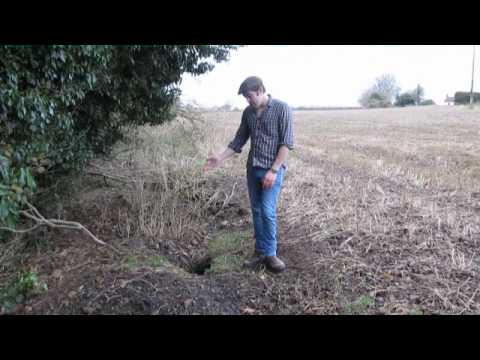
If you find yourself facing damage from badgers in your garden, it’s important to know how to assess and repair the landscape. Badgers can dig extensive holes, affecting your turf and plants. Understanding the steps you can take will help you manage the results of their activity and decide when professional assistance is needed.
Assessing and Repairing Garden Damage
Start by examining the affected areas for any signs of badger damage. Look for large holes that can range from 2 to 9 feet deep. These can be a tripping hazard as well as unsightly.
Steps to Repair:
- Fill Holes: Use soil and compact it down to eliminate gaps.
- Reseed: If the grass is damaged, reseed the area to promote regrowth.
- Fertilize: Adding fertilizer can help your lawn recover and strengthen it against future damage.
Consider temporary barriers to protect newly repaired areas. Regularly check for signs of badger activity. The sooner you act, the better the chances your garden can bounce back.
When to Seek Professional Help
Sometimes, the damage might be too extensive for you to handle alone. If you notice persistent digging and damage, it may be time to reach out for help.
Signs You Need Help:
- Widespread digging affecting multiple areas.
- A sett, or badger burrow, established in your yard.
- Damage to structures such as fences or garden beds.
Contact local wildlife agencies or a badger trust for guidance. They can provide advice on how to get rid of badgers humanely and effectively. Using repellents can help deter badgers, but in severe cases, professional control may be necessary.
Coexisting with Badgers

Having badgers in your garden can be a unique experience. Understanding their behavior, recognizing their role in the ecosystem, and knowing the legal protections in place can help you live harmoniously with these interesting creatures.
Understanding and Respecting Badger Behaviour
Badgers are nocturnal animals, meaning they are most active at night. You may notice signs of their presence, such as badger paths leading to their setts. Look for scratch marks on trees or badger hairs caught on branches.
If you see latrines—special places where badgers leave droppings—it’s a good indicator of their activity. Badgers can dig snuffle holes to find insect larvae and other food underground. In general, respect their space and observe from a distance to avoid disturbing them.
Benefits of Badgers in the Garden
Badgers play a vital role in your garden’s ecosystem. They help control populations of rabbits, rats, and even hedgehogs. Their digging habits aerate the soil and enhance its structure, promoting healthy plant growth.
As they forage for food, badgers also help disperse seeds, supporting plant diversity. Watching them can be fascinating, as they engage in various behaviors to find food and interact with their environment. If you’re lucky enough to have them around, consider it a benefit to your garden.
Legal Considerations for Badger Protection
In the UK, the Protection of Badgers Act 1992 protects badgers. This law makes it illegal to disturb them or damage their setts. Disturbing a badger can lead to fines or legal action.
If you have a badger sett in your garden, you’re required to ensure their safety. This includes not digging near the sett or allowing pets to enter. If you need to manage the situation, consult with local wildlife experts for guidance. They can help you learn how to handle badgers responsibly.
Keeping their habitat safe will ensure they continue to thrive while you enjoy your garden.


