
If you’ve spotted foxes in your garden, you may wonder if you should welcome them or take steps to keep them away. Garden foxes, including the common red fox and gray fox, can bring both charm and challenges to your outdoor space. Many people believe you should allow these urban foxes to roam freely. They can keep pests at bay while adding a touch of nature to your environment.
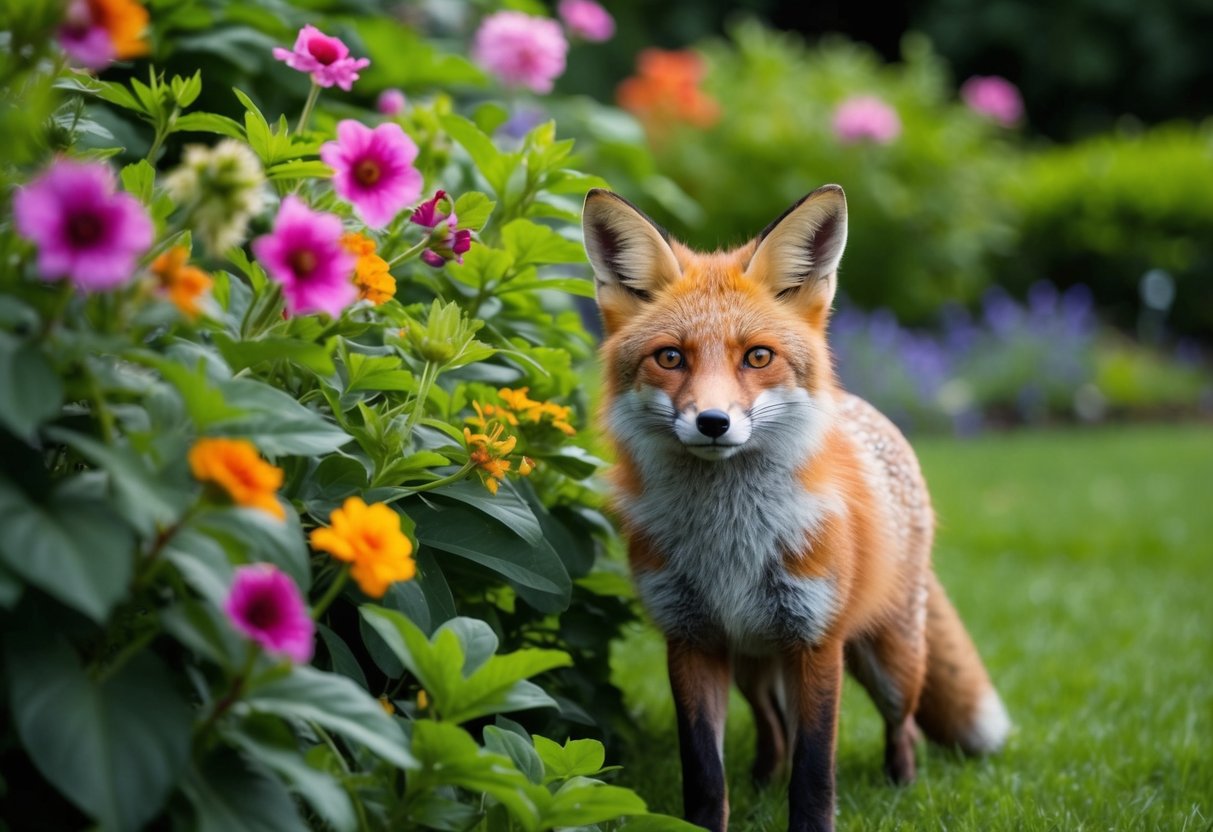
While some people might worry about the potential for destruction or harm, foxes are generally more scared of humans than you might think. Observing them from a distance can be a delightful experience. They can help control small rodent populations, which can be beneficial for your plants. However, you must also consider how their presence affects your garden and pets.
Choosing to allow foxes in your space means managing your garden wisely. With the right precautions, you can enjoy their company while minimizing any unwanted disturbances. By learning more about how to coexist with these fascinating creatures, you can transform your garden into a wildlife-friendly haven.
Understanding Fox Behavior in Urban and Countryside Gardens
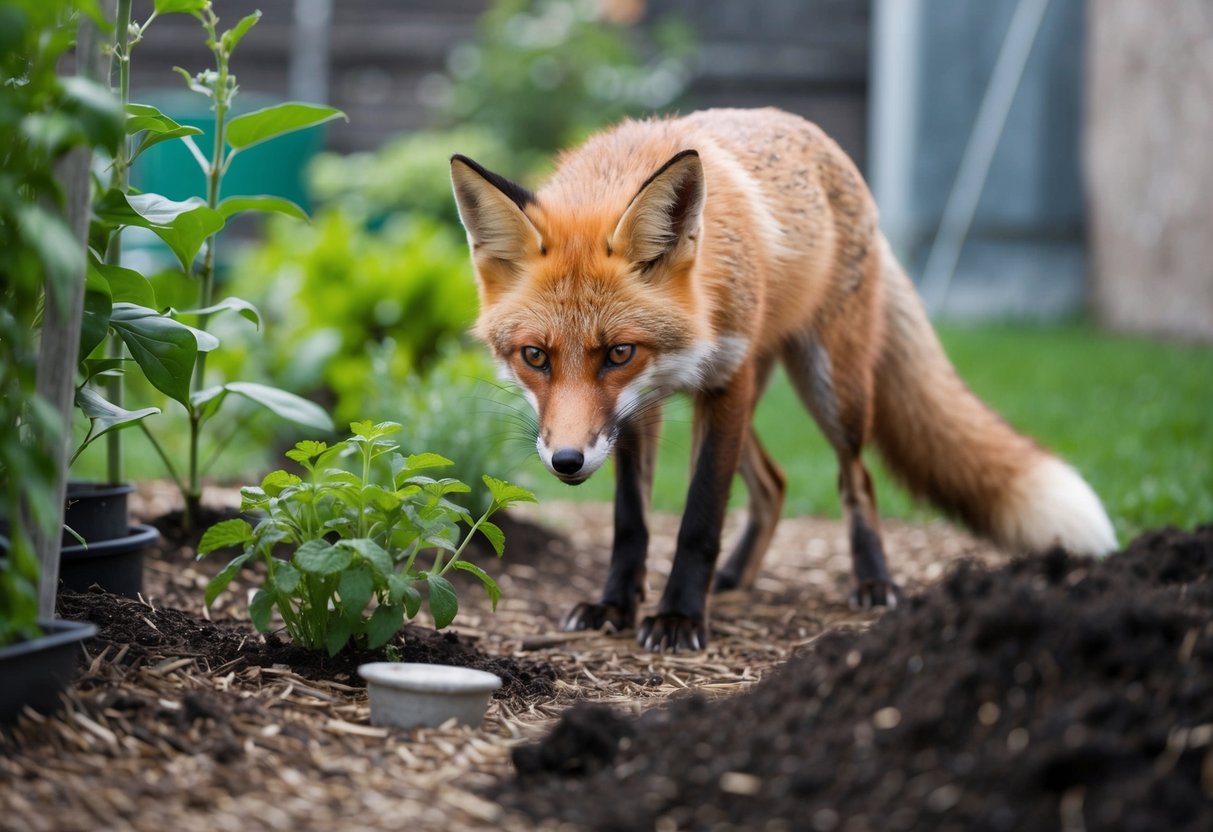
Foxes are clever animals that adapt well to various environments, including urban and countryside gardens. By understanding their behaviors, you can better manage your garden space and the wildlife around you.
Territorial Habits and Home Range
Foxes are known for their strong territorial instincts. They mark their territory using urine and scent glands. This marking helps them communicate with other foxes about the boundaries of their home range.
In urban areas, foxes usually have smaller home ranges compared to those in the countryside. They often overlap with human habitats as they seek food and shelter. Territories can vary in size, commonly ranging from two to seven square miles.
Fox dens are typically located in hidden, safe spots. You might find them in wooded areas, under sheds, or even in your garden. Understanding these habits can help you decide how to coexist with these clever creatures.
Dietary Preferences and Foraging
Foxes are opportunistic feeders, which means they eat whatever is available. Their diet often includes small mammals like rabbits, rats, and mice. They also enjoy insects, earthworms, and grubs, making your garden a potential buffet.
In urban environments, foxes can be quite resourceful. They might scavenge for pet food, fruit, or leftover scraps. They are known to enjoy fruits like pears and may hunt for frogs in wet areas.
If you have chickens or other small pets, you might want to take precautions to protect them. Securing food sources and providing safe spaces can reduce the chances of fox intrusions in your garden.
The Impact of Foxes on Your Garden
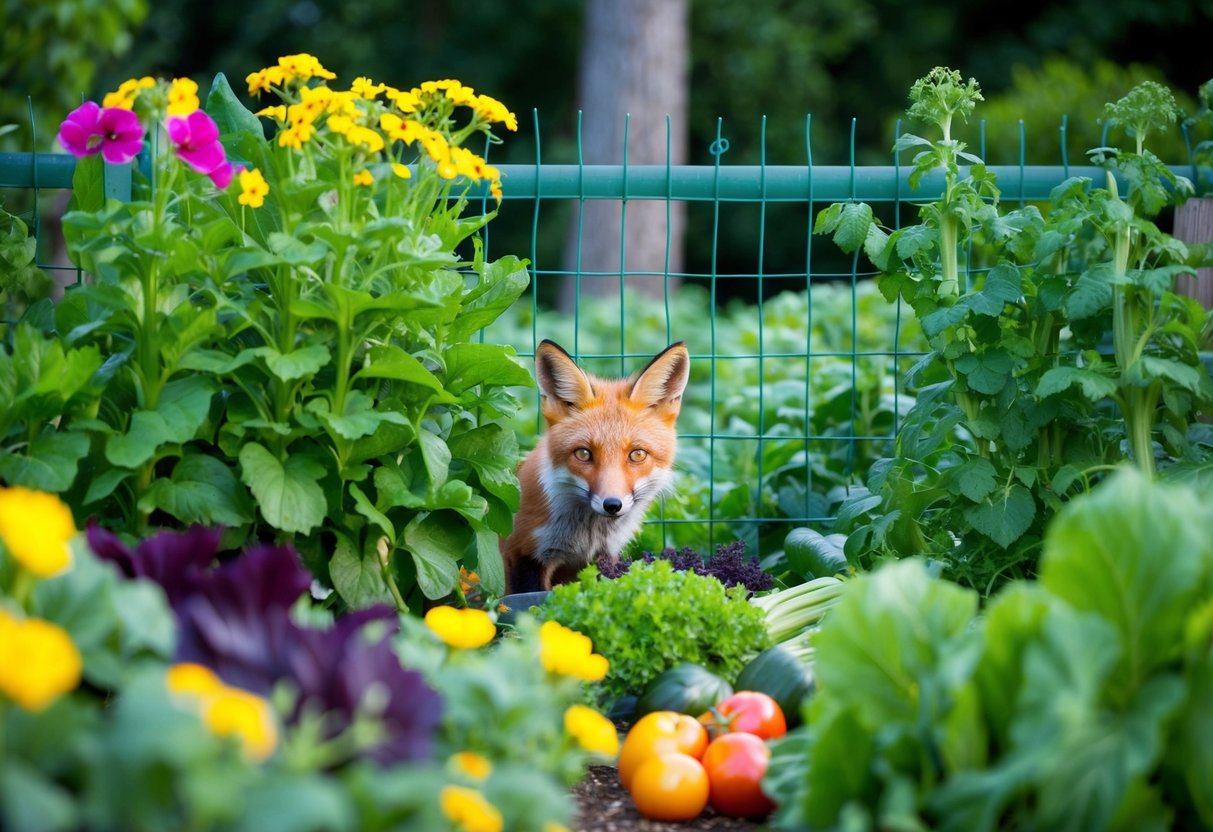
Foxes can greatly influence your garden’s ecosystem. While they may pose some challenges, they can also offer a few unexpected benefits. Here’s a look at both aspects.
Potential Benefits of Foxes
Foxes can help with natural pest control in your garden. They are known to chase away small rodents like mice and rabbits, which can damage plants. By keeping these pests in check, foxes reduce the risk of your plants being eaten.
Additionally, fox droppings can act as a plant-based fertilizer. Their waste contains nutrients that can enrich the soil. This can lead to healthier plants and improved growth over time. You might also notice fewer garden pests if foxes establish a territory in your yard, as they are great at maintaining balance in the local ecosystem.
Common Concerns and Challenges
While foxes can be beneficial, there are common concerns for homeowners. One issue is digging. Foxes love to dig for rodents or to create a den. This can lead to ruined lawns and plant beds. You may also find that they disrupt your garden by digging up bulbs or seedlings.
Another concern involves their droppings. Fox droppings can be unsightly and carry diseases. It’s essential to clean up any mess they leave to keep your garden healthy. If you have bird feeders, be cautious, as foxes may attract other animals that could potentially eat the birds. Providing a consistent water source can also draw them into your garden, leading to more challenges.
Creating a Fox-Friendly Environment

To attract foxes and keep them comfortable in your yard, it’s important to focus on their needs for shelter and water. You can create a welcoming space while also considering the safety of your pets.
Providing Shelter and Water Sources
Foxes need a safe place to live and raise their young. You can create a fox den by providing a quiet area with dense shrubs or tall grasses. This gives them a cozy place to hide from predators and feel secure.
Additionally, having a water source is vital. You can place a small, shallow bowl filled with fresh water in your yard. Make sure it is kept clean to encourage foxes to visit. Consider adding native plants to your garden, as they can attract small animals that foxes like to hunt.
Balancing Fox-Friendly Practices with Pet Safety
While you might want foxes in your yard, keeping your pets safe is important too. Start by monitoring your pets when they are outside. Foxes are generally shy, but pets can provoke them.
Ensure your cats are indoors or supervised when outside. You can set up barriers or fencing to keep pets away from areas where foxes may den. If unwanted encounters occur, consult your local wildlife experts on safe practices to coexist. It’s all about finding a balance that allows you to enjoy the presence of foxes while keeping your beloved pets safe.
Managing and Deterring Unwanted Fox Visits
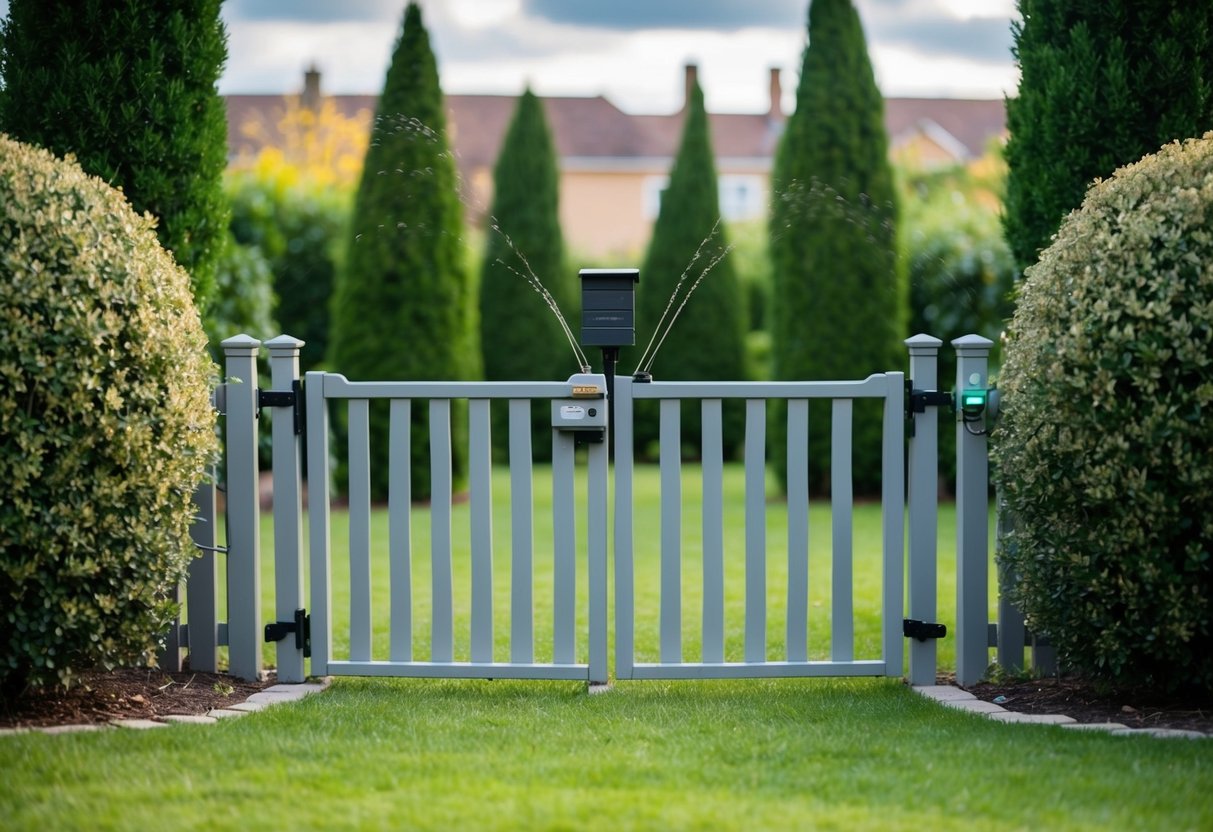
If you want to keep your garden safe from foxes, there are effective strategies you can use. Both humane deterrents and proper practices play important roles in minimizing unwanted visits.
Humane Deterrents and Repellents
Using humane deterrents is a great way to keep foxes away from your space. Motion-activated lights and sprinklers can startle them when they approach.
You might also consider using fox repellent sprays, which you can find at pet stores. These often contain natural ingredients that smell unfavorable to foxes.
Another option is to make noise by using pots and pans or a whistle when you spot them nearby. Remember, never feed foxes, as this can encourage their visits. Avoid leaving out pet food or scraps in your garden, which can attract them.
Best Practices for Discouraging Fox Encounters
Implementing good practices helps deter foxes effectively. First, keep your trash contained. Use bins with tight-fitting lids to stop them from rummaging through.
Make sure compost piles are secured. Foxes can smell food easily, drawing them closer.
Fencing your garden is another layer of protection. Ensure it’s at least six feet tall and buried a foot underground, as foxes can dig.
Watch out for badger food or other wildlife in your yard, as these can attract foxes too. Observing your garden with binoculars can help spot any intruders early.
Lastly, be cautious if you notice any fox cubs wandering nearby. They may be searching for food or exploring their territory.


