
If you’ve found your garden disturbed by nocturnal visitors, you’re not alone. Many gardeners face the challenge of foxes digging up their plants and planting beds.
To stop foxes from digging in your garden at night, you can use motion-activated lights, ultrasonic repellents, and natural deterrents like predator scents.

These clever animals are often searching for food or a place to nest. By making a few changes to your outdoor space, you can discourage them from making themselves at home.
Simple fixes like adding barriers or cleaning up food sources can make a big difference in keeping your garden safe.
Understanding how foxes behave is key to keeping them away. Whether it’s using simple deterrents or modifying your garden, you can enjoy your space without the worry of unwanted digging.
Understanding Fox Behavior

Foxes are clever animals that often explore gardens, especially at night. They are known for digging in search of food. This includes small animals like earthworms and grubs.
In urban areas, foxes may also look for a safe spot to create a den for their cubs. They might dig small holes to store food or mark their territory with scent.
Foxes are naturally curious. They can also dig simply for play. Young fox cubs especially love to dig and explore their surroundings. This behavior can lead them to your garden searching for exciting things.
You may notice that urban foxes adapt well to human environments. They often find food scraps or shelter around homes. If they feel safe in your garden, they might return regularly.
To protect your garden, it’s helpful to understand these habits. Knowing what attracts foxes can help you discourage them. For example, clean up any food sources and block potential dens.
By creating an unwelcoming space, you can enjoy your garden without unwanted visitors. Observing their behavior can also help you appreciate these fascinating animals while keeping your plants safe.
Creating a Fox-Resistant Landscape
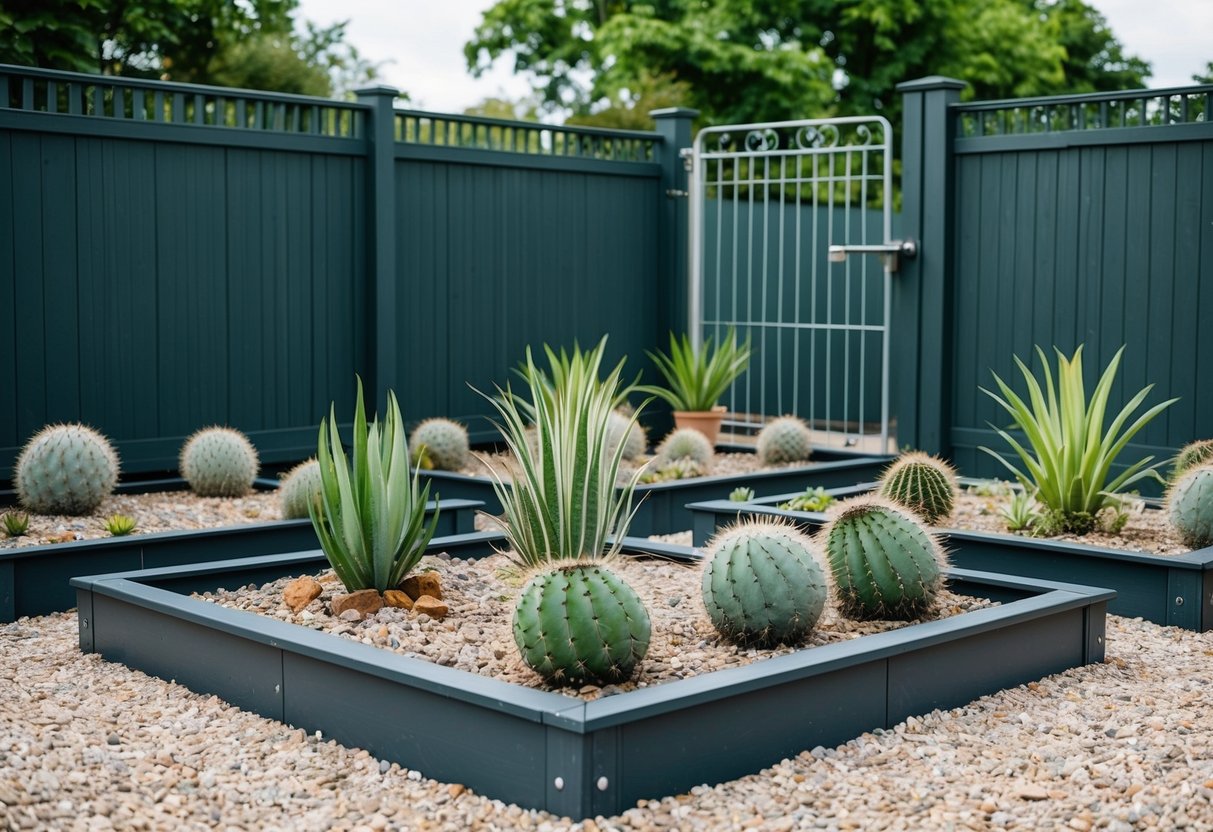
To stop foxes from digging in your garden, it’s important to create a landscape that discourages them. You can do this through effective fencing, choosing specific plants, and keeping your garden tidy. Here are some details to help you achieve this.
Garden Fencing and Boundary Measures
Strong fencing acts as a first line of defense against foxes. Ensure your fence is at least six feet tall and buried at least a foot underground to prevent digging.
Consider using materials like chain link or wooden panels. Repair any gaps or holes right away. Adding an inward slant at the top of the fence can further discourage climbing.
Also, it helps to maintain a clear boundary. Trim plants near the fence to reduce hiding spots for foxes. Regular checks will keep your fencing effective.
Plant Choices to Deter Foxes
Your choice of plants can play a big role in keeping foxes away. Use strong-smelling plants like garlic and spicy ones like chili peppers to deter those curious animals. Plant these around the edges of your garden for the best effect.
Consider integrating prickly plants such as holly or barberry. Their thorns make it uncomfortable for foxes to wander into your space.
You can also use non-edible native plants which offer no food source yet provide habitat for pollinators. Avoid planting fruit trees in open spots, as fallen fruit may attract foxes.
Maintaining a Clean and Organized Garden
Keeping your garden clean can help make it less appealing to foxes. Remove any fallen fruit, especially near boundaries, as this can attract them.
It’s also wise to avoid open patches of soil, which can invite digging. Fill in holes and cover bare areas with grass or ground cover. This lessens opportunities for foxes to dig up the ground.
Lastly, regularly check for food sources, such as unsecured trash or pet food left outside. By keeping your garden organized, you not only help keep out foxes but also create a pleasant space for yourself.
Employing Effective Fox Repellents and Deterrents
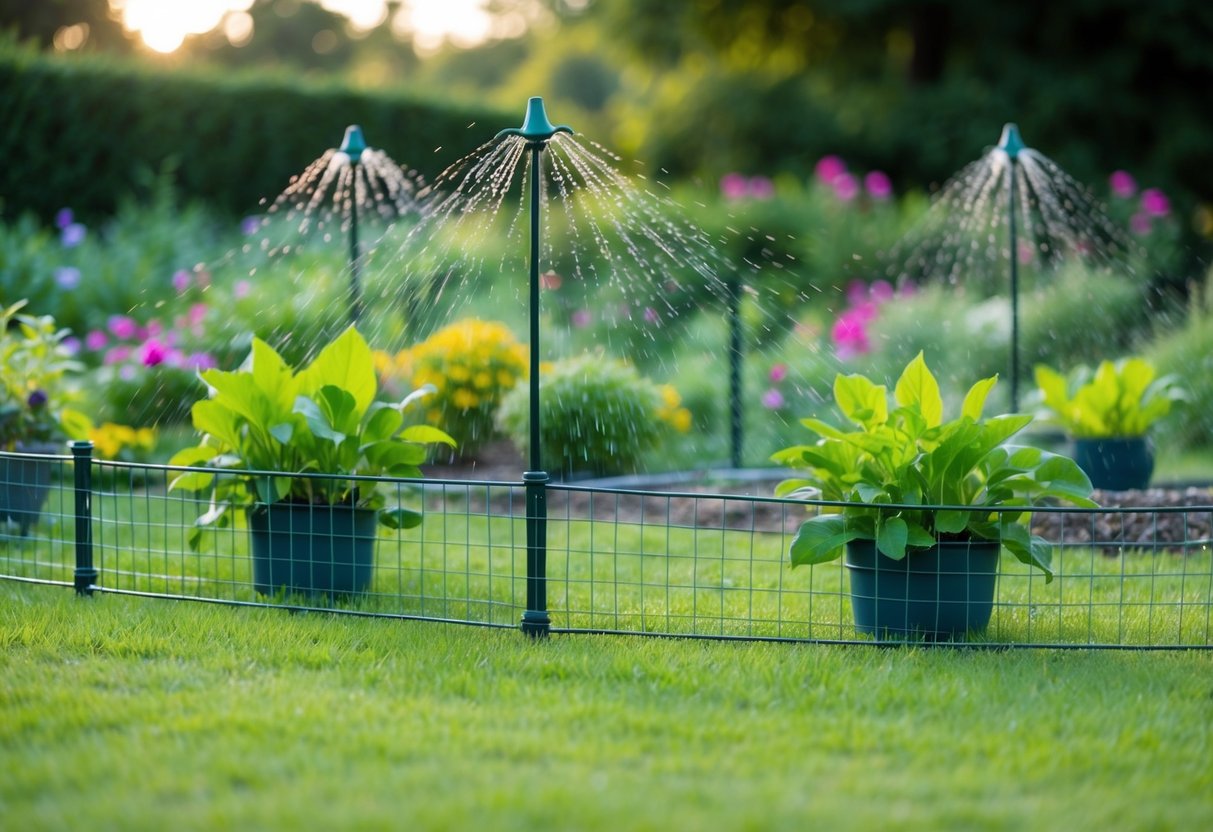
To stop foxes from digging in your garden at night, you can use various methods. This includes natural and chemical repellents, electronic devices, and innovative physical barriers. Each method has its strengths, allowing you to choose what works best for your situation.
Natural and Chemical Repellents
Natural repellents can effectively deter foxes without harming them. Using strong smells is one strategy. For example, foxes find the scent of garlic and vinegar unpleasant. Sprinkling ground black pepper or cayenne pepper around your garden can also help.
Chemical repellents like Scoot Fox Repellent can be effective, as this product mimics the smell of fox urine, making your garden less appealing. Always follow the instructions when using chemical products to ensure safe application.
Electronic and Ultrasonic Devices
Electronic deterrents provide a more high-tech solution. Motion-sensor lights are excellent for startling foxes when they enter your yard. When the lights turn on, it can scare them away.
Motion-activated sprinklers can also be useful. They detect movement and release a burst of water, surprising the fox and encouraging it to leave.
Additionally, ultrasonic fox deterrents like the Foxwatch emit sounds at frequencies that irritate foxes but are inaudible to humans.
Physical Barriers and Innovations
Creating physical barriers can help keep foxes out of your garden. Digstopper prickle strips can be placed around the edges of your garden. These strips are uncomfortable for foxes to walk on and can effectively deter them.
You might also consider installing fencing. Ensure it is tall enough (at least 6 feet) and buried 12 inches deep to prevent digging. Using heavy-duty wire mesh can provide added protection. These methods create a secure environment, reducing the chances of foxes digging in your garden.
Strategies to Minimize Attractants in Your Garden
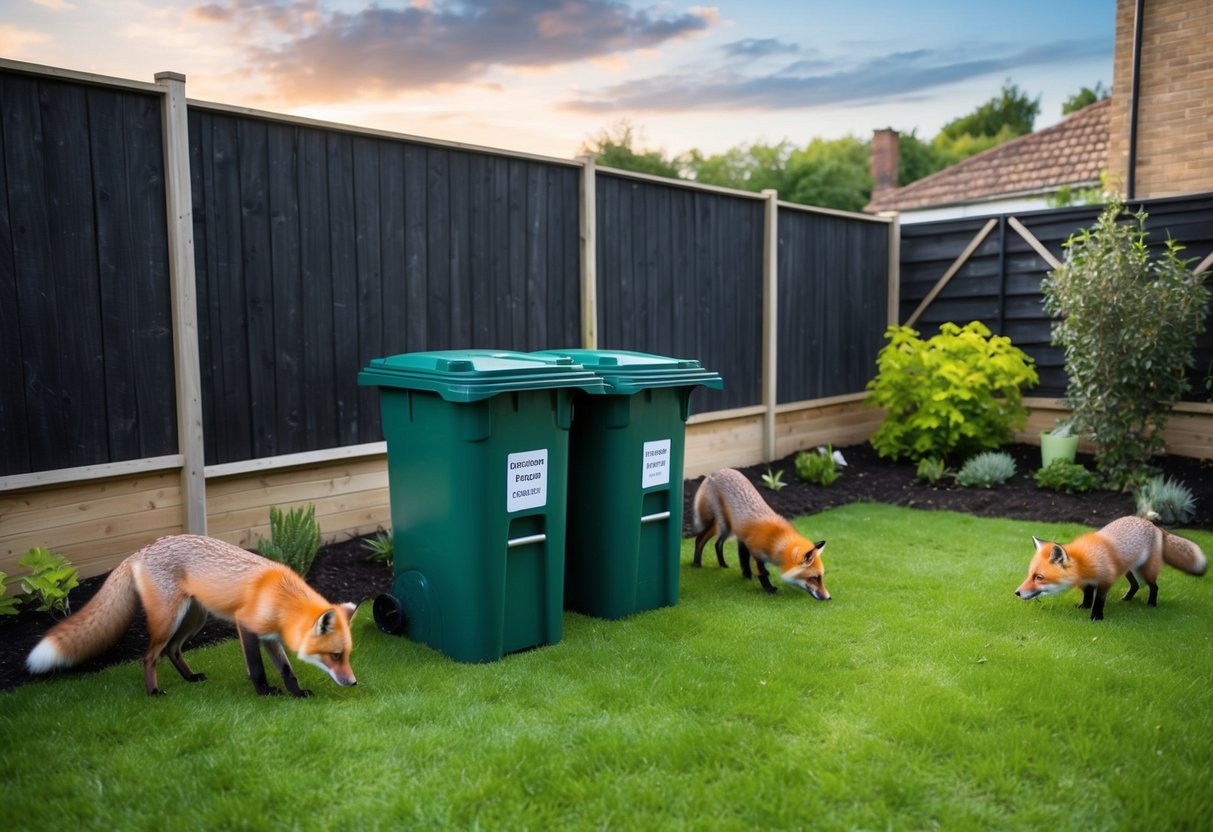
To discourage foxes from digging in your garden at night, it’s important to manage food sources and reduce potential hiding spots. By making your garden less inviting, you can help keep foxes away.
Food Source Management
One of the first steps you can take is to manage food sources that might attract foxes. If you have a bird feeder, keep it clean and monitor any spills. Even small amounts of bird seed can attract rodents, which in turn draw in foxes.
Be mindful of pet food. If you feed your pets outside, always bring their bowls in after meals. Leaving pet food outside can quickly lead to unwanted visitors.
Also, make sure to check for other food sources in your garden, such as grubs or earthworms. You may not intend to attract foxes, but your garden’s ecosystem can be appealing.
Reducing Shelter Opportunities
Foxes love to find safe spots to rest and hide. Therefore, you should limit these opportunities in your garden.
Start by clearing away piles of leaves, brush, or any clutter where foxes may feel secure.
Make sure to maintain your garden regularly. If you have dense shrubs or tall grasses, consider trimming them back. This will create a less inviting environment.
While you may love a natural garden, try to keep areas as open as possible. Removing any potential hiding places can help make your garden unattractive to foxes.


