
Badgers are fascinating creatures that you might find wandering through your garden at night. They are active after the sun sets, scoping out their surroundings for food.
In your garden, badgers primarily feast on earthworms, making up about 80% of their diet. They also enjoy other treats like snails, slugs, and even small mammals.
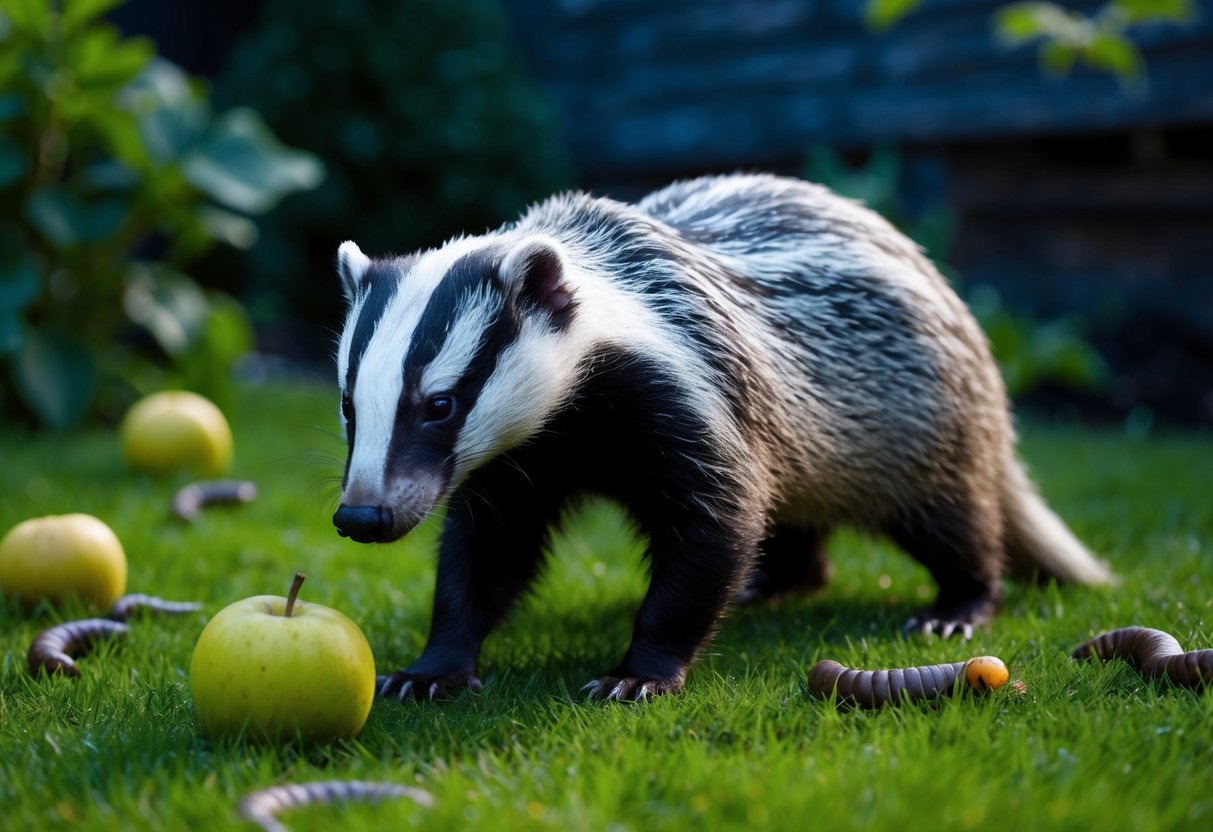
You might notice signs of their nighttime visits, such as snuffle holes in your lawn, which they create while searching for these tasty snacks. Badgers play an important role in the ecosystem, helping to control pest populations and enrich the soil with their movements.
If you’ve ever wondered what attracts these shy animals to your garden, understanding their diet can help you appreciate their presence even more. By knowing what badgers eat, you can create a wildlife-friendly space that benefits both you and the local ecosystem.
Badger Basics

Badgers are fascinating creatures with unique behaviors and social structures. Understanding their basic characteristics, habitat, and foraging habits helps you appreciate their role in the garden ecosystem.
Species Overview and Habitat
The European badger, scientifically known as Meles meles, is a common sight in gardens across the UK. These nocturnal animals prefer habitats that offer dense vegetation and easy access to food sources. You will often find their setts, or underground burrows, in wooded areas or hedgerows.
Badgers live in family groups called clans. Each clan has a defined territory, which can vary in size based on food availability. They are most active during the night, making them quiet but important visitors to your garden.
Social Structure
Badgers have a complex social structure within their clans. A typical clan can consist of several adults and their young. They share responsibilities such as grooming and food sharing, which strengthens their bonds.
Territory is important for badgers. They use scent marking to communicate with other clans and to defend their space. You may notice areas in your garden where they leave droppings, marking their territory.
Foraging Behavior
Being omnivorous, badgers have a varied diet that includes earthworms, insects, fruits, and small mammals. In your garden, they often search for food at night.
Their foraging behavior involves digging in the soil, which creates small pits and snuffle holes. This activity helps them find their preferred foods, especially juicy earthworms. Badgers can consume hundreds of worms during a single night’s feeding.
By understanding these basics about badgers, you can appreciate their role in keeping your garden healthy and balanced.
Typical Diet of Garden Badgers
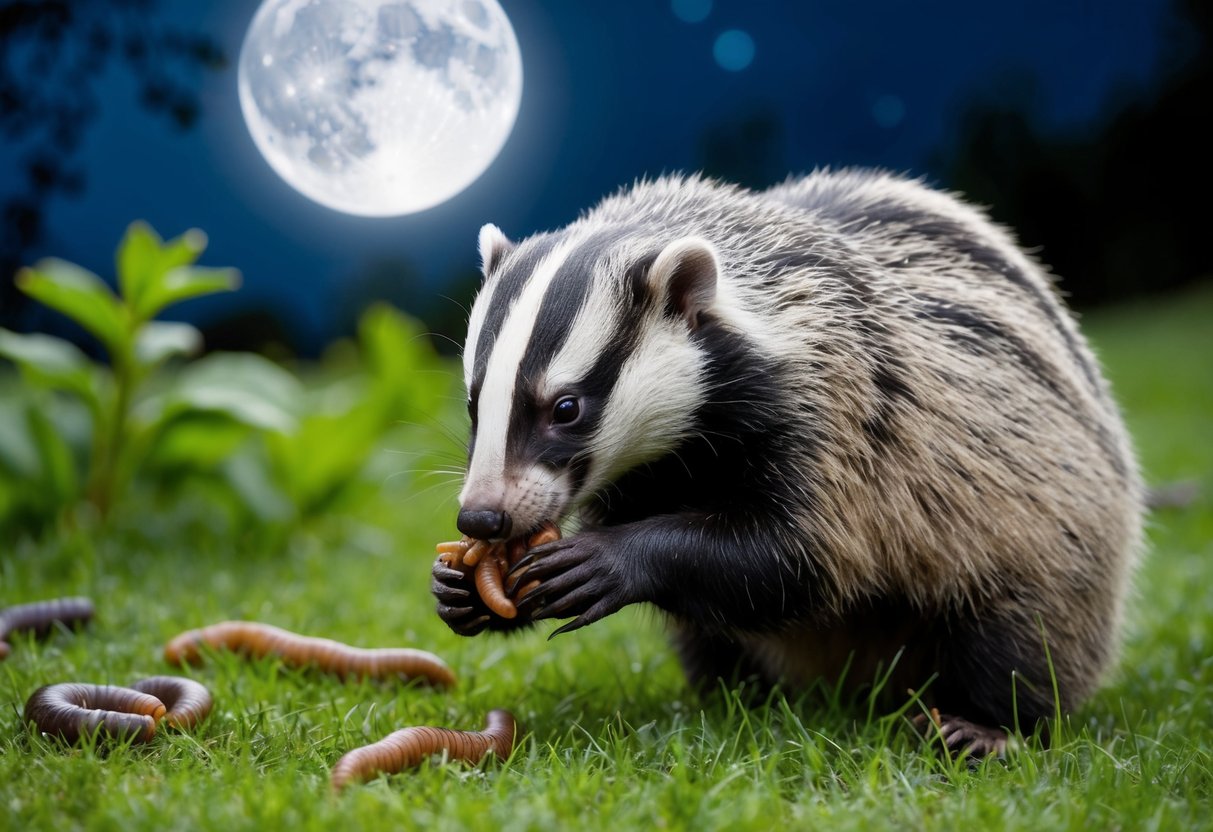
When badgers visit your garden at night, they have specific preferences for food. Understanding what they eat can help you manage your garden better and enjoy these fascinating creatures.
Primary Food Sources
The primary food for badgers includes earthworms, which are often about 80% of their diet. They can consume several hundred worms in one night!
Along with worms, badgers love to eat various insects, such as slugs and beetles.
They also enjoy small mammals, like voles.
In your garden, you may find them foraging through the soil, leaving behind small snuffle holes.
Additionally, badgers will eat fruits and nuts, especially during warmer months. They particularly like apples, pears, and plums.
Seasonal Variations in Diet
Badgers are omnivores, which means their diet changes with the seasons.
During spring and summer, they focus on higher protein foods like insects and small mammals. As autumn arrives, they shift to fruit and nuts.
In cooler months, they will search for seeds and look for human food scraps around gardens.
If you feed the badgers, you might notice them enjoying peanuts or even peanut butter.
Their flexible diet helps them adapt to the availability of food throughout the year.
Interactions with Human Food Supplies
Badgers can be quite opportunistic when it comes to food. If you leave out cat food or dog food, they might take advantage of it.
They have even been known to raid bird feeders!
Offering extra food can help during difficult times, but it might also attract them regularly.
If you decide to feed them, consider putting out raw peanuts or mealworms.
Just remember to keep the feeding area clean to avoid attracting unwanted pests.
Garden Ecosystem and Badger Activity
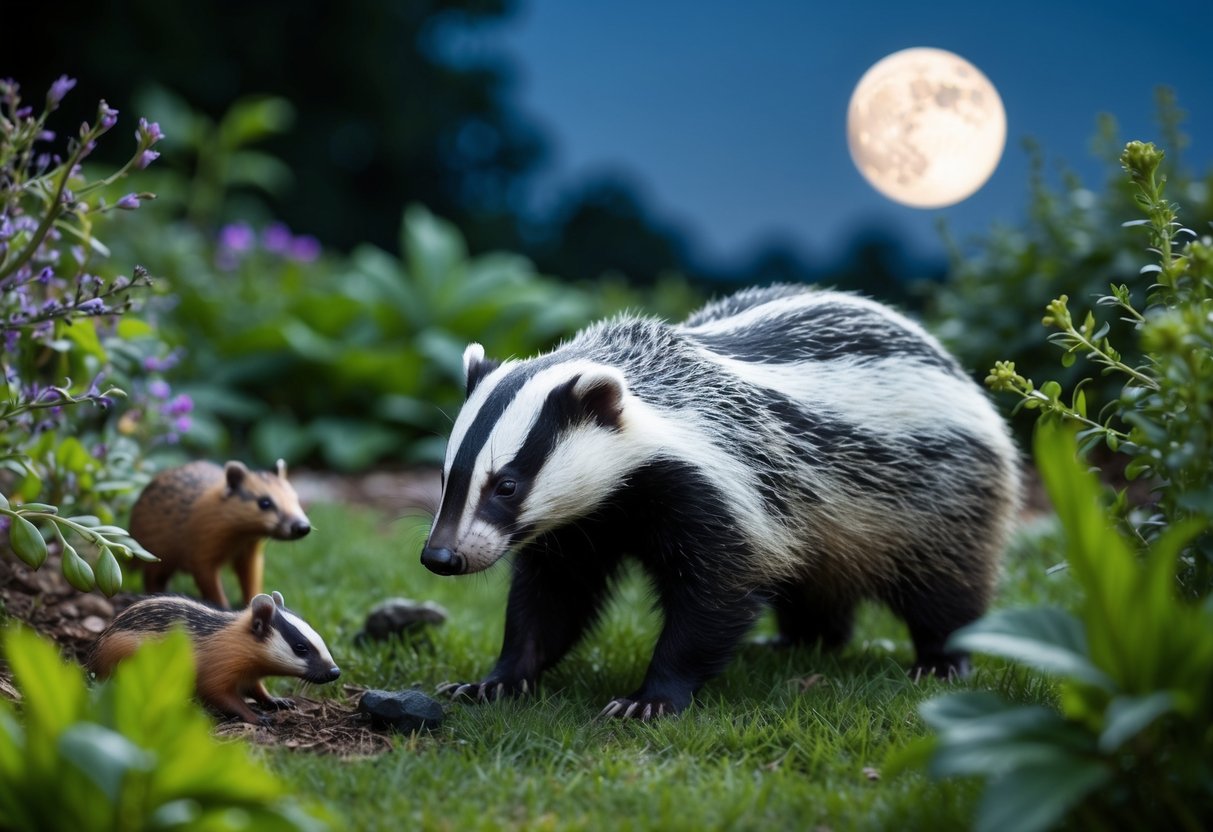
In your garden, badgers play an important role in the ecosystem. Their activities can impact both plants and other wildlife. Understanding these effects can help you coexist peacefully with these fascinating animals.
Impact on Gardens and Crops
Badgers are known for their digging habits. They search for delicious treats like earthworms and grubs, which can disturb your garden soil. However, this disturbance can be beneficial. Freshly turned soil allows better aeration and drainage, improving plant health.
While badgers might eat some garden veggies, they usually prefer insects and small animals. You might find them munching on fruits or roots, but they won’t wipe out your entire crop. Lower growth areas are more prone to their foraging.
Also, badgers contribute to seed dispersal through their dung. This helps new plants grow, enriching your garden. By having badgers around, you might find your garden thriving in surprising ways.
Encounters with Other Wildlife
Badgers can influence other wildlife in your garden, too. Their presence attracts various animals. For example, they coexist with rabbits, hedgehogs, and even foxes. You might notice these animals visiting your garden frequently. Badgers are nocturnal, so you’ll see them at night, while others may be active during the day.
Their digging can create new habitats for frogs and other small creatures. This activity enhances your garden’s biodiversity. However, it’s also important to keep an eye on smaller animals, since badgers can be predators. They may hunt mice, rats, and other small animals, which is part of maintaining a balanced ecosystem.
Human-Badger Interactions
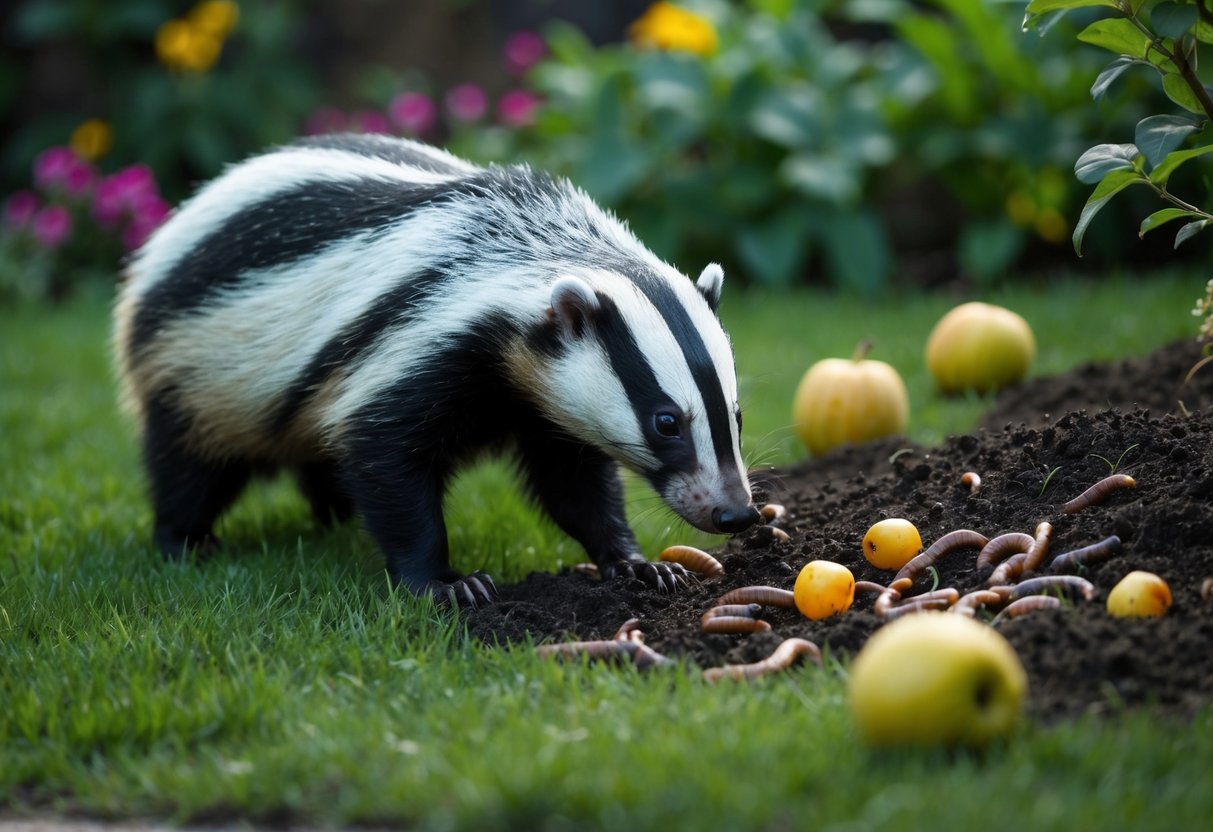
When badgers visit your garden at night, it’s important to consider how you interact with them. Understanding how to feed them safely and enhance their habitats can create a harmonious relationship.
Feeding Practices and Safety
If you decide to feed badgers, it’s best to offer food that aligns with their natural diet. They love earthworms, but you can also provide fruits and vegetables. Avoid feeding them processed foods as this can lead to health issues.
Keep fresh water available. During dry spells, a shallow dish can help. It’s essential to remember that badgers are wild animals. Always observe from a distance and never approach them. They are protective of their territory and might react defensively.
Also, watch for badger latrines, which are open pits where they leave droppings. Avoid disturbing these areas, as they mark their territory with scat. Respecting their space helps keep both you and badgers safe.
Enhancing Badger Habitats
To make your garden more inviting for badgers, you should create spaces that mimic their natural habitat. Plant native shrubs and trees to provide shelter and food.
Underground burrows are ideal for badgers, so avoid filling in any holes you notice.
Leaving areas of your garden undisturbed helps them to feel secure. Also, don’t use pesticides, as these can harm badger cubs and affect their food sources.
Establish a safe passageway by leaving gaps in fences. This allows badgers to travel between territories without fear.
Enhancing their habitat supports their role in the local ecosystem while enriching your gardening experience.


