
If you’re wondering about the legal consequences of harming badgers, it’s important to know the facts.
Found guilty of intentionally killing or injuring a badger? You could face a fine of up to £5,000 and a prison sentence of up to six months. Many people may not be aware of these strict penalties, which shows a need for greater public awareness about the protection of badgers.
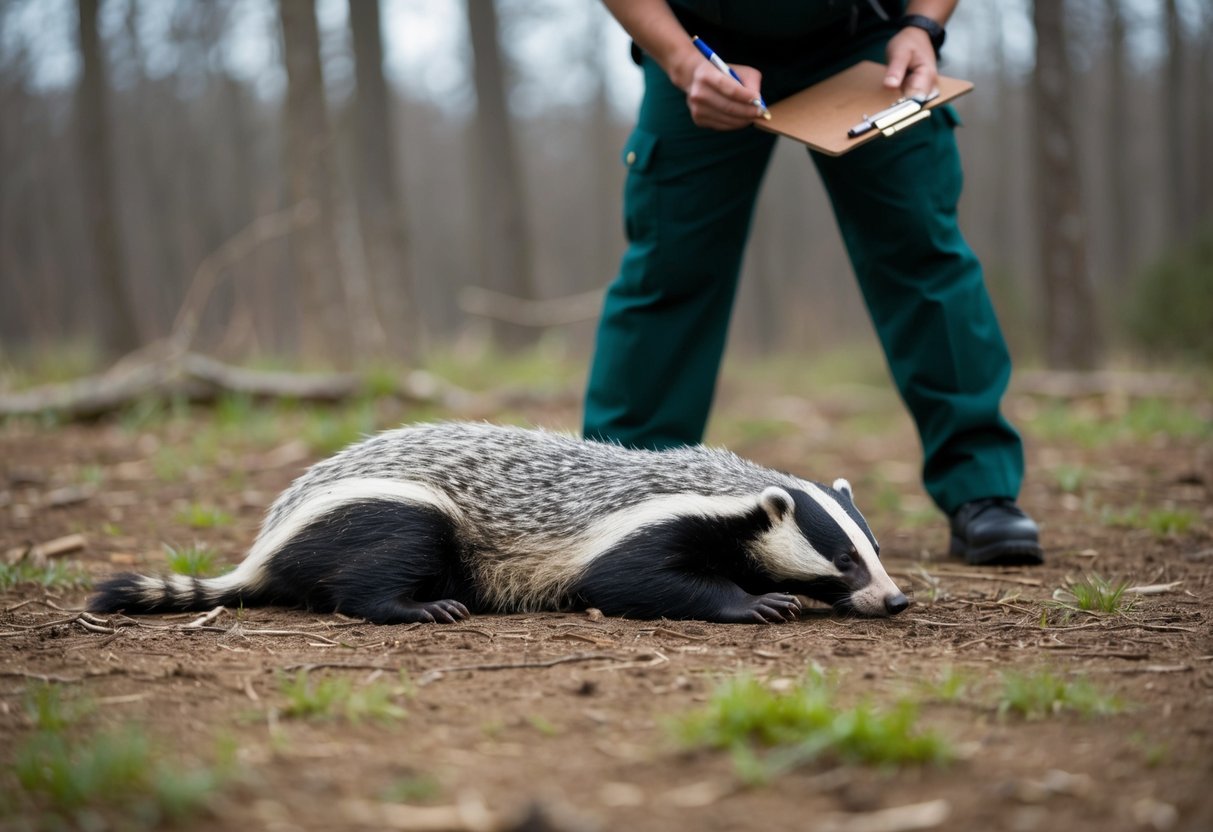
Badgers play a vital role in the ecosystem, and organizations like the Badger Trust work hard to ensure their safety. Unfortunately, misconceptions about badgers can lead to negative attitudes and harmful actions. By increasing your understanding of their legal protections, you contribute to the efforts of groups dedicated to preserving wildlife and educating the public.
Understanding the laws surrounding badgers is not just about avoiding fines; it’s also about fostering a respectful relationship with nature. You can help make a difference by spreading awareness and encouraging others to protect these fascinating animals.
Understanding Badger Protection Laws
Badger protection laws are in place to ensure the safety and welfare of badgers in the UK. These laws outline what actions are illegal and the potential penalties for harming these animals. Knowing these laws helps you understand your responsibilities concerning wildlife.
Protection of Badgers Act 1992
The Protection of Badgers Act 1992 is the main legislation that protects badgers in England and Wales. Under this law, it’s illegal to kill, injure, or interfere with badgers or their setts.
A sett is a burrow used by badgers for shelter. Disturbing or damage to a sett can lead to serious legal consequences. Penalties for breaching this act can include fines and imprisonment. In extreme cases, individuals caught harming badgers may face a prison sentence of up to six months, along with fines.
Wildlife and Countryside Act 1981
The Wildlife and Countryside Act 1981 provides protection for various wildlife species, including badgers. This act prohibits the killing or injuring of certain wild animals and the destruction of their habitats.
Badger baiting, a cruel practice where dogs are used to hunt or fight badgers, is specifically targeted under this act. The law aims to protect not only badgers but other wildlife affected by illegal activities. Violating the provisions of this act can lead to hefty fines and potential prison time.
Wildlife Crimes and Legal Consequences
Wildlife crimes, including those against badgers, are taken seriously in the UK. The law categorizes badger-related offenses as misdemeanors. If you commit a wildlife crime, the legal outcomes can be severe.
You may face fines that can reach thousands of pounds or imprisonment depending on the severity of the act. Activities such as sett blocking, shooting, or using harmful chemicals against badgers are serious offenses. The Wild Mammals (Protection) Act 1996 also addresses measures against cruelty towards wild mammals, adding to the protection of badgers.
Understanding these laws can help you be a responsible citizen and protect these vital creatures.
Penalties for Badger Persecution
If you are involved in badger persecution, it’s important to understand the legal consequences you may face. The penalties for harming badgers can include fines and imprisonment as well as additional sanctions that focus on protecting these animals.
Fines and Imprisonment
Under the Protection of Badgers Act 1992, killing a badger can lead to serious penalties. The maximum fine for harming or killing a badger can reach up to £1,000. In some cases, you may also face a prison sentence of up to six months.
Moreover, the Animal Welfare Act 2006 protects badgers from unnecessary suffering. If you act negligently, such as using improper tools like badger tongs or causing sett interference, you could be charged with additional offenses. This might increase the penalties you face.
Additional Sanctions
In addition to fines and possible imprisonment, there are other consequences to consider. Courts may impose bans on activities that lead to sett interference or harming badgers.
For example, if you’re found guilty, you could be prohibited from working in areas where badgers are present or using equipment that obstructs their access. You may also face other actions if your actions block badger access or disturb their habitats while ploughing.
Authorities take these violations seriously, as they aim to protect badgers and their environment. This ensures that wildlife can thrive without unnecessary harm. Please remember that these laws exist for a reason—to protect vital wildlife like badgers!
Conservation Efforts and Public Participation
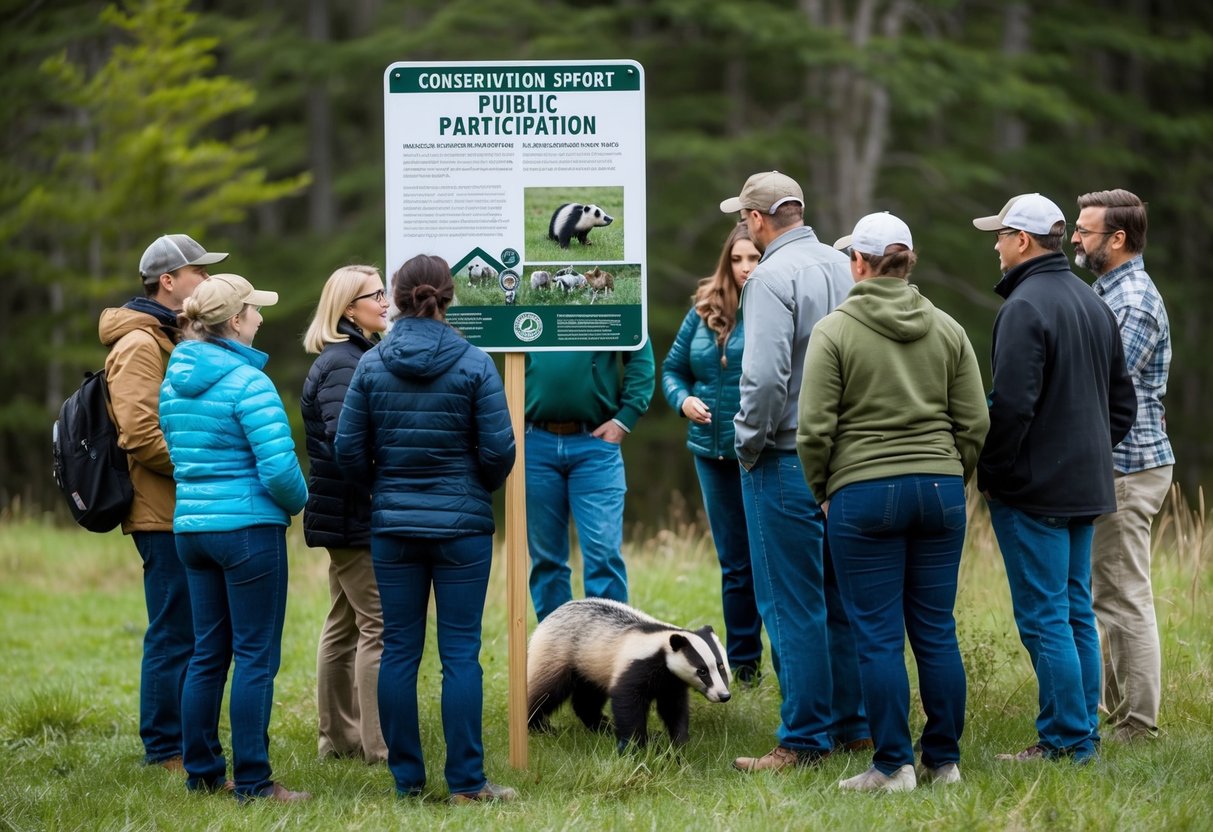
Your involvement in conservation efforts can make a real difference for badgers. Participating in programs and reporting crimes helps protect these animals and promotes their well-being. Here are two important areas where you can help.
Badger Vaccination and Protection Projects
Badger vaccination projects aim to reduce bovine tuberculosis (bTB) spread while safeguarding badgers. Organizations like the Badger Trust and Wildlife Trusts have led these initiatives.
They vaccinate badgers to prevent the disease, which harms both cattle and badger populations. These efforts focus on public land to protect badgers while allowing cattle testing.
By supporting vaccination projects, you contribute to animal welfare and help maintain healthy ecosystems. You can often participate in local projects or support organizations that perform these valuable actions.
How to Report Badger Crime
If you witness or suspect badger crime, it’s essential to report it. Badger crime includes illegal killing, baiting, or disturbance of setts. Reporting these activities protects badgers and ensures that offenders face legal consequences.
You can report badger crimes to local wildlife trusts or the Mammal Society. They provide guidance on how to report incidents properly.
Be clear and detailed about what you observed, including dates, locations, and descriptions of suspects. Your vigilance helps improve public perception and strengthens wildlife conservation efforts in your area.
The Impact of Badger Ecology on Farming and Wildlife

Badgers play a significant role in both farming environments and local ecosystems. Their activities can influence agricultural practices and the health of other wildlife. Understanding their impact helps in developing better coexistence strategies.
Badgers and Bovine TB
Badgers are sometimes linked to the spread of bovine tuberculosis (bTB) among cattle. Research suggests that badger populations can carry this disease, which poses a risk to farms.
Farmers often face pressure to manage badger numbers to protect their livestock. However, killing badgers is illegal under the Wildlife and Natural Environment (Scotland) Act 2011.
Punishment for such actions can be severe, reflecting the gravity of wildlife crime. Animal cruelty laws are also in place to protect these creatures, highlighting the need for humane solutions.
There is ongoing debate within the farming community about effective ways to manage bTB without resorting to badger persecution. Efforts focus on vaccination and improving cattle management to reduce disease spread.
Badgers and Their Ecosystem
Badgers help control populations of other species. Their foraging habits can affect earthworm communities, influencing soil health. This helps other wildlife flourish, creating a balanced environment.
The loss of badger habitat due to urban expansion has serious consequences. As badgers lose their territories, the entire ecosystem can be disrupted, impacting species like hedgehogs that rely on similar habitats. Creating hedgehog-friendly gardens and highways can support these animals and maintain biodiversity.
Understanding the predator-prey relationship is crucial. Healthy badger populations are essential for a stable ecosystem. You can help by promoting awareness and supporting local conservation efforts to protect badger habitats.


