Badgers are often seen as charming creatures roaming the countryside, but they can also be linked to certain diseases. Yes, badgers can carry diseases, most notably bovine tuberculosis (bTB), which affects cattle and poses a risk to livestock management and public health. In the UK, the government has implemented various measures to control the spread of this disease, including culling in specific areas.
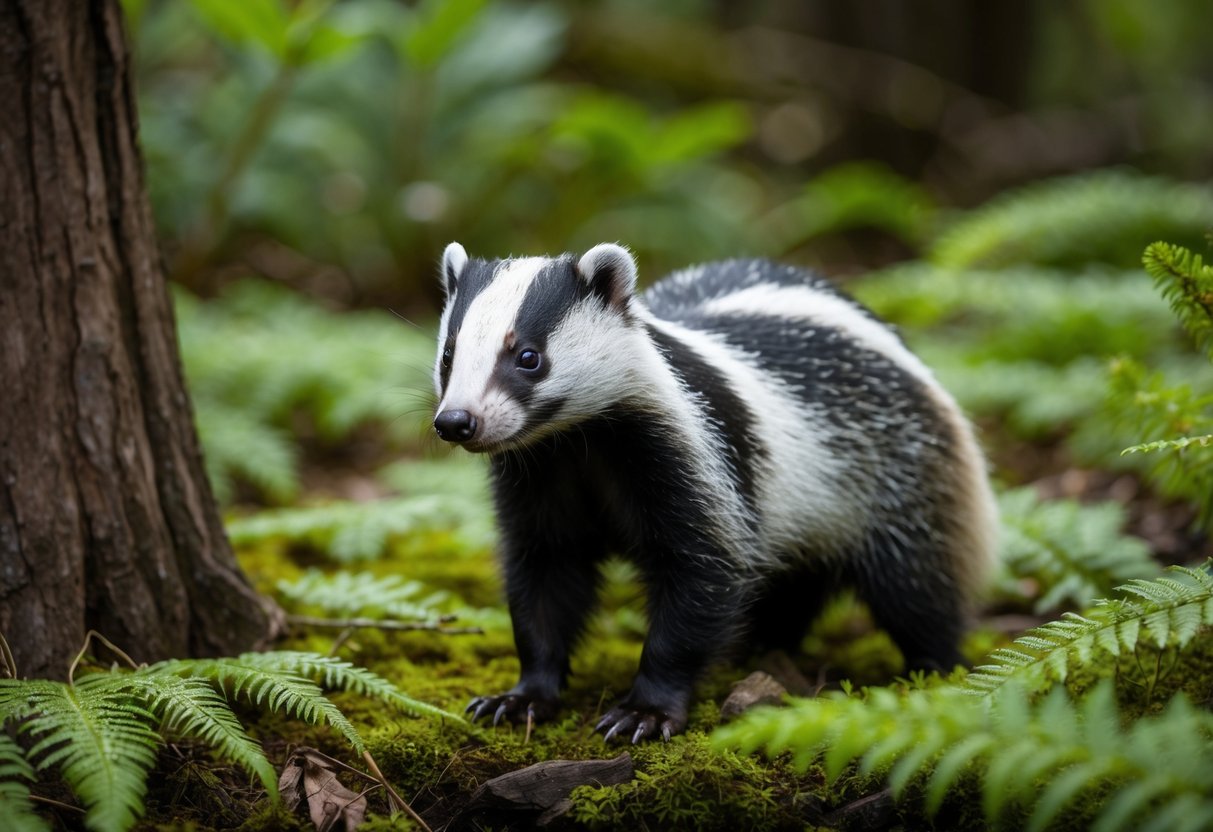
As you explore the relationship between badgers and disease, you’ll discover how this wildlife impact extends beyond just agriculture. The role of badgers in ecosystems and their interactions with other species reveal a complicated picture that is important for understanding disease control efforts.
With ongoing discussions about the effectiveness and ethics of badger culling, the topic remains relevant and contentious. Learn more about the facts behind badgers and disease, and find out what you need to know to engage with this important issue.
Understanding Bovine Tuberculosis

Bovine tuberculosis (bTB) is a serious disease that affects both cattle and badgers. It is caused by the bacterium Mycobacterium bovis. Understanding this disease is essential for managing its spread and impact on wildlife and agriculture.
The Science of TB in Wildlife
Bovine tuberculosis is primarily found in cattle, but it also affects wildlife, especially badgers. When badgers become infected with Mycobacterium bovis, they can spread the disease through their droppings, urine, or respiratory secretions.
Infection in badgers can be difficult to detect until it advances, leading to symptoms like weight loss or coughing. Wildlife experts emphasize the importance of monitoring both populations. This helps in understanding the transmission routes of the disease, which is crucial for effective control measures.
Bovine TB’s Impact on Cattle and Badgers
Bovine tuberculosis poses significant challenges for the cattle industry. Infected cattle can suffer from severe health problems, leading to decreased milk production and growth. This can result in economic losses for farmers.
In badgers, the disease impacts their population health. Increased bTB cases lead to more badger culling efforts, which some argue cause ecological harm. The spread of bTB also raises public health concerns, as it is a zoonotic disease, meaning it can be transmitted from animals to humans.
Efforts to combat bTB in the UK include vaccination programs for badgers and stricter testing in cattle. These measures aim to reduce the incidence of the disease in both species.
Government and Conservation Efforts
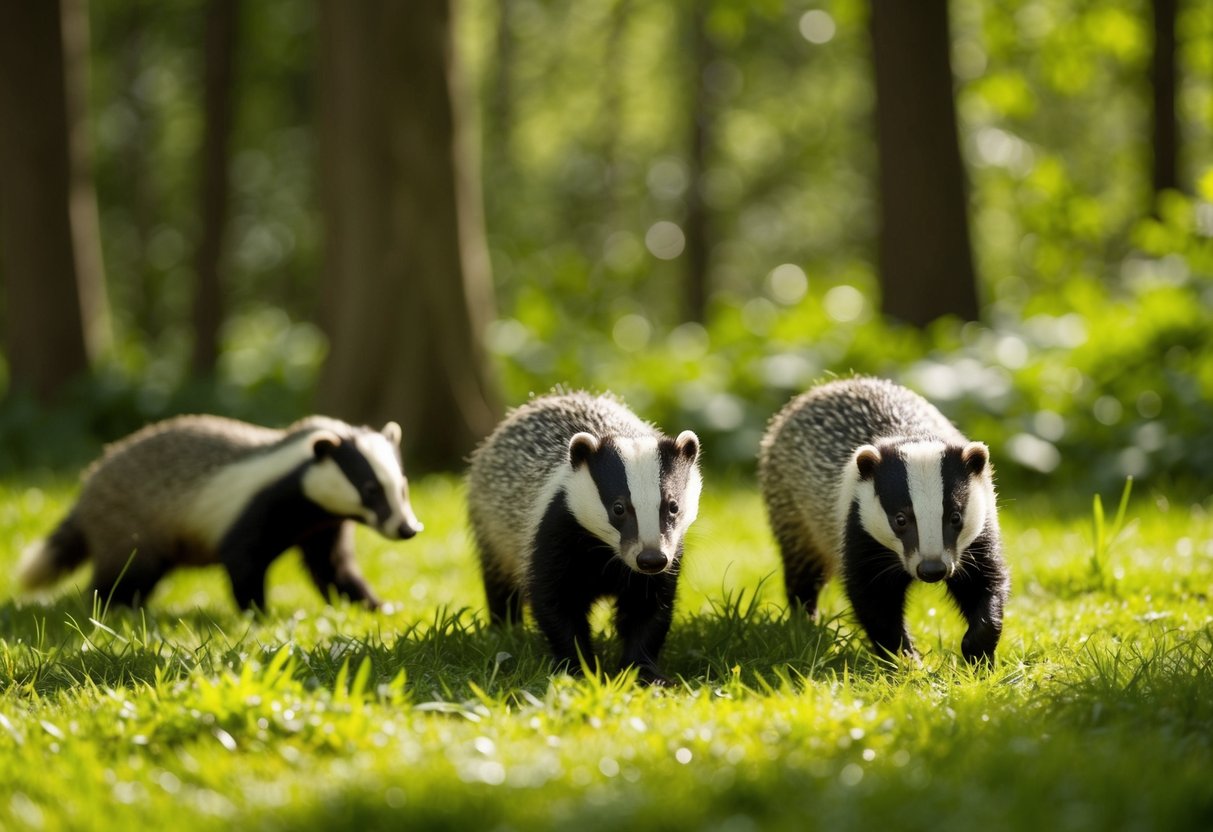
In the fight against diseases like bovine tuberculosis (TB), the government plays a crucial role alongside various conservation efforts. Understanding these actions can help you recognize the importance of managing badger populations and protecting cattle health.
DEFRA’s Role in Disease Management
The Department for Environment, Food & Rural Affairs (DEFRA) is central to managing animal health in the UK. They develop and implement strategies to address bovine TB, which affects both badgers and cattle.
DEFRA is responsible for monitoring disease outbreaks and coordinating efforts to control them. They work with farmers and wildlife groups to promote biosecurity measures. These measures help prevent disease spread through cattle movement and contact. By collaborating with organizations like the National Farmers Union, DEFRA aims to balance wildlife conservation with agricultural needs.
Badger Vaccination and Culling Strategies
Badger culling has been a controversial method to reduce TB spread. However, the government aims to phase out culling in favor of more humane options, such as badger vaccination. Vaccination efforts are designed to build immunity in badger populations, reducing the chances of TB transmission to cattle.
The new TB eradication strategy emphasizes the importance of vaccination. This approach aligns with commitments to wildlife conservation, as it protects badger numbers while addressing the disease. Farmers are encouraged to participate in these programs, which can lead to healthier herds and a stronger environment.
Legislation and Farmers’ Participation
Legislation plays a significant role in managing the interaction between badgers and agriculture. Farmers must comply with regulations concerning wildlife management and disease control. This means understanding the legal requirements for culling or vaccinating badgers if necessary.
The government actively involves farmers in the decision-making process. Their input helps shape policies that consider both agricultural needs and wildlife protection. By participating in these efforts, farmers can promote better biosecurity measures on their farms, which ultimately benefits both cattle and local ecosystems.
Regional Perspectives and Actions
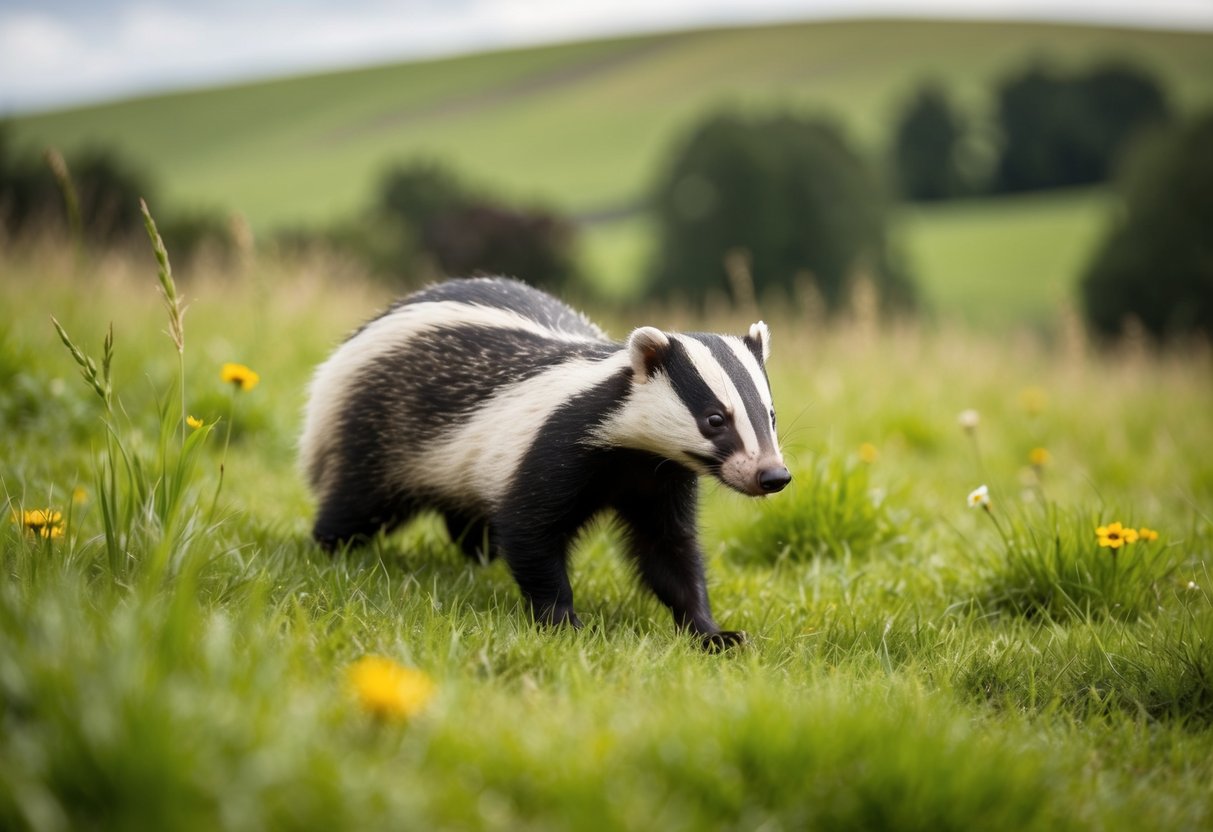
Understanding how different regions in the UK manage badger-related health risks is crucial. Some areas face higher challenges due to the spread of bovine tuberculosis (bTB), leading to various local responses tailored to their specific circumstances.
Prevalence of BTB Across UK Regions
Bovine tuberculosis is more than just a concern in certain areas. Regions such as Gloucestershire, Staffordshire, and Herefordshire are classified as high risk for bTB. This means that cattle herds are more frequently affected by the disease.
In contrast, areas like Worcestershire and Dorset fall into the edge area category, where the risk is moderate. You may also find low risk areas in parts of Northern Ireland and Scotland, which have implemented stronger measures to prevent the disease’s spread.
The risk levels significantly impact farming practices and policies in each region. Farmers in high-risk zones often face more stringent regulations to control bTB and protect their livestock from potential infection.
Local Responses and Cull Areas
Responses to badger-related health risks vary by region. In England and Wales, culling has been a controversial method to manage bTB. Once a prominent strategy, culling has been conducted mostly in high-risk areas.
For example, culling programs have been implemented in parts of Gloucestershire and Staffordshire. In these areas, your local farmers often support culling, believing it can help reduce the spread of bTB.
Shropshire and the West Midlands have also faced similar responses, reflecting the local community’s views and pressures from the farming sector. However, in regions classified as low risk, like many areas of Scotland, culling is less common, and alternative control methods are preferred.
Through targeted efforts, regions aim to balance the concerns of wildlife protection with agricultural health.
Public Health and Economic Impact
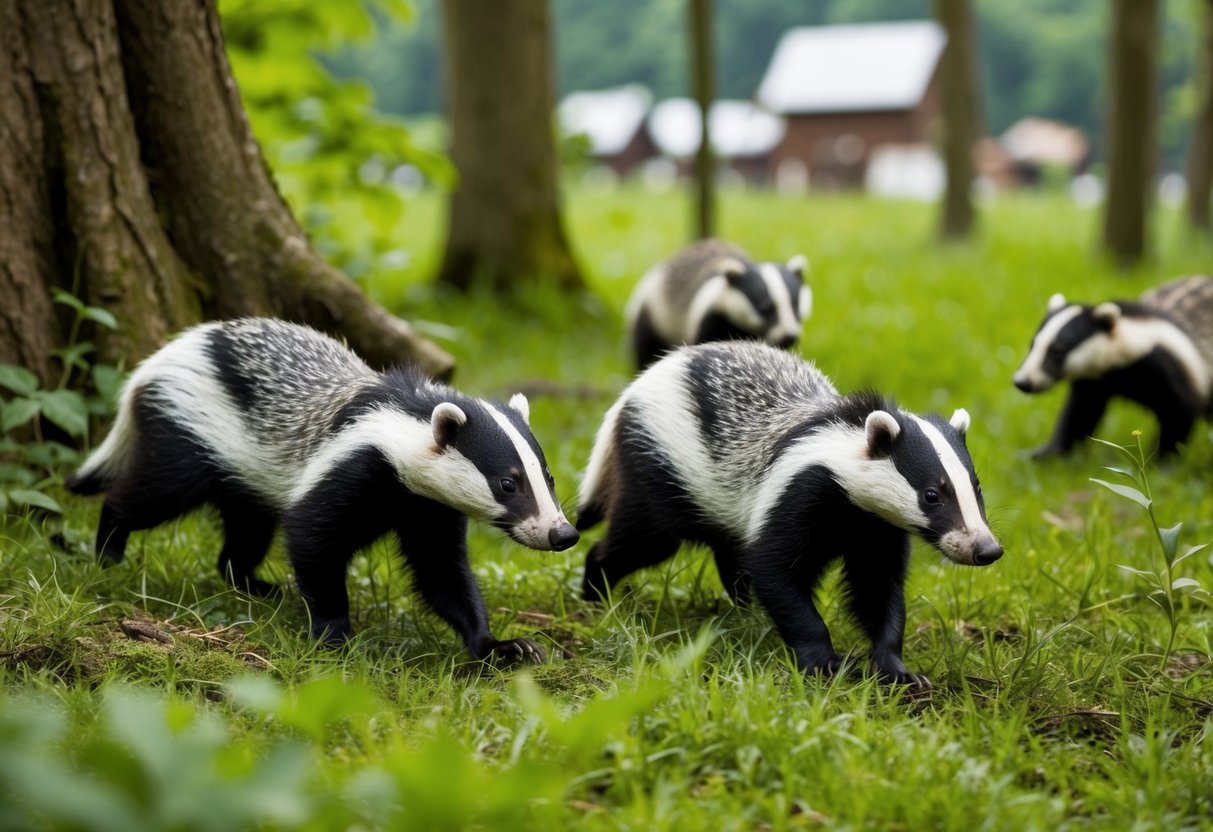
The connection between badgers and bovine tuberculosis (bTB) affects both public health and the economy. Understanding biosecurity measures and the economic implications of bTB can help you see the bigger picture of this issue.
The Importance of Biosecurity
Biosecurity is crucial in preventing bTB spread from badgers to cattle. It includes careful management practices to protect your herd.
Regular cattle testing helps identify infected animals early. This can prevent further infection within your herd. Implementing strict hygiene measures, such as cleaning equipment and keeping badgers away from grazing areas, is essential.
You can also consider using a cattle vaccine to reduce the risk of bTB. While there is no fully effective vaccine yet available, research continues to advance this area.
Investing in these biosecurity practices can protect your cattle and the wider community from bTB.
Economic Burden of TB on Cattle Industry
bTB has a significant financial impact on the cattle industry. Farmers face rising costs due to intensive dairy and beef production practices that are necessary to comply with regulations.
Slaughtering infected cattle leads to direct losses. More than 278,000 cattle have been culled in efforts to control the disease, costing taxpayers over £100 million annually.
Moreover, the uncertainty of bTB outbreaks can affect market prices for cattle. This makes it challenging for farmers to plan for the future.
Investing in scientific research to find better solutions is important. It can lead to improved vaccines and testing methods.


