
If you live in an area where foxes roam, you might wonder about the health risks they pose. Foxes can carry diseases, but they generally pose a low risk to you and your pets. Red and grey foxes are mostly shy creatures that tend to avoid humans, but they can still be carriers of certain illnesses in urban areas.

Rabies, mange, and various parasites are among the concerns for foxes. While diseases like rabies can be transmitted to pets or even humans, the overall risk is not significant if you take basic precautions.
Learning how to recognize signs of illness in foxes and keeping your distance will help you enjoy their presence without worry.
Common Diseases Transmitted by Foxes
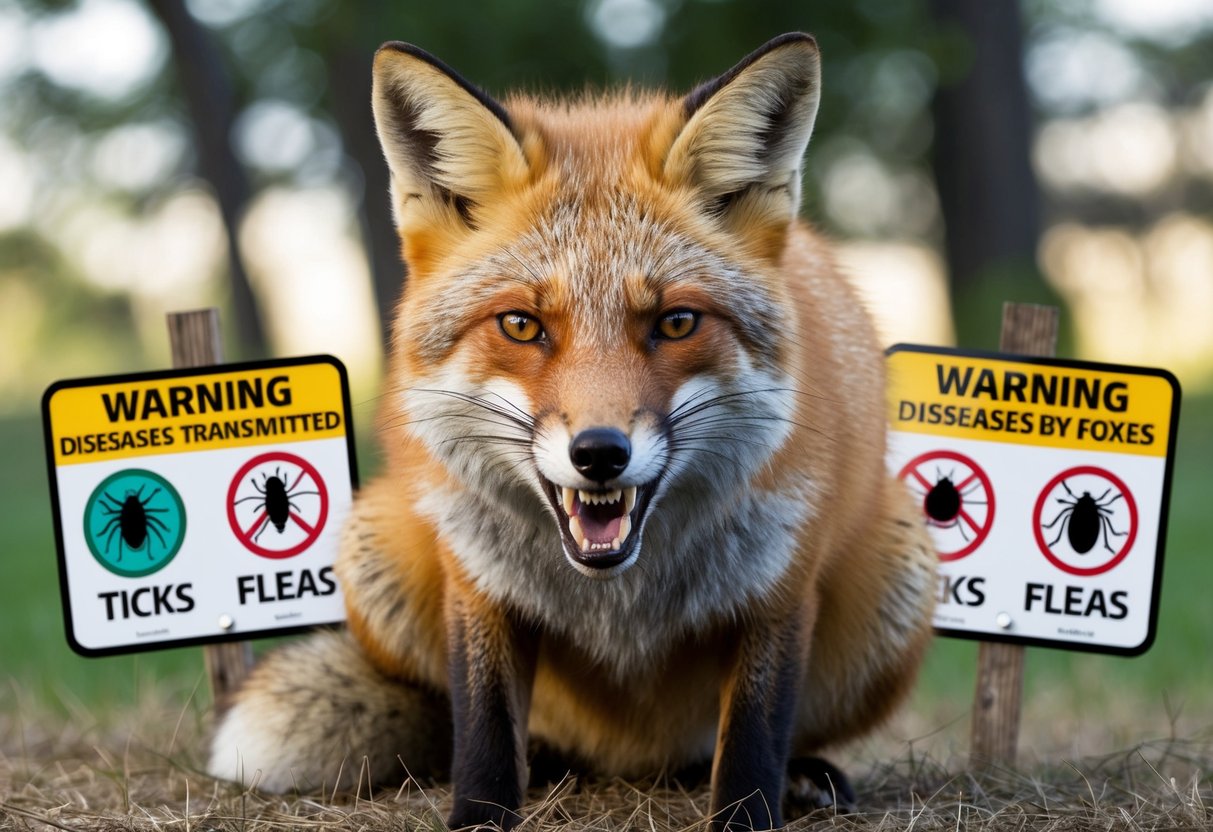
Foxes can carry several diseases that may affect both animals and humans. Understanding these common diseases helps you take the right steps to stay safe and healthy.
Rabies and Its Prevention
Rabies is a serious viral disease that can be transmitted through the bite of an infected animal, including foxes. In the U.S., the fox strain of rabies is rare, but it still poses a risk. If a fox appears sick or behaves oddly, it is important to keep your distance.
Vaccination is key for pets. Make sure your dog is up to date on its rabies shot to protect against potential exposure.
If bitten or scratched by a fox, seek medical attention promptly. Get the necessary post-exposure treatment to ensure safety against rabies.
Sarcoptic Mange in Foxes
Sarcoptic mange is a skin condition caused by mites called Sarcoptes scabiei. Foxes with mange may scratch excessively, have hair loss, and show signs of skin infections. This condition can be quite severe and can affect their overall health.
Although sarcoptic mange is not directly transmissible to humans, it can spread to pets, particularly dogs.
If you see a fox with mange, it’s best to avoid contact and inform local wildlife services. They can manage the situation safely and humanely.
Parasitic Threats from Foxes
Foxes can also carry parasites that pose risks to humans and pets. One notable parasite is Echinococcus multilocularis, which can cause severe health issues in humans if ingested. This parasite is typically found in the intestines of foxes.
Another common parasite is Toxocara canis, which can lead to serious health problems.
Keep your pets on regular deworming schedules to minimize the risk of these parasites. Always practice good hygiene, especially if you are in areas where foxes are present. Clean up pet waste promptly and wash your hands well.
Foxes and Human Interaction

Foxes often come into contact with humans, especially in urban areas. Understanding how to manage these interactions can help keep your pets safe and coexist peacefully with wildlife.
Pet Safety and Fox Encounters
When foxes are near, it is essential to protect your pets. They are curious animals and could see small pets like cats and dogs as playmates or potential prey.
Always supervise your pets when they are outside, particularly in areas where foxes are known to roam.
If you spot a fox in your neighborhood, avoid letting your pets wander freely. Keeping them on a leash can help prevent unwanted encounters.
Foxes are generally shy but can become bold in urban environments. Familiarize yourself with the sounds and behaviors of foxes to help recognize when they are nearby.
Measures to Protect Small Pets and Livestock
To safeguard your small pets and livestock from foxes, consider a few practical measures.
First, secure your yard with proper fencing. A fence that is at least six feet high and buried a foot deep can deter foxes from digging under.
You can also use animal repellent techniques. Sprays and granules that are safe for pets can help create a barrier around your property.
Additionally, make sure to keep food sources, such as pet food or livestock feed, indoors or in sealed containers.
Foxes as Vectors of Disease

Foxes can carry various diseases that may impact public health. It’s essential to know how these animals can affect the environment around you, especially regarding health risks associated with their waste and interactions with parasites.
Impact of Foxes on Public Health
Foxes can be carriers of numerous harmful organisms. Their faeces may contain parasites, bacteria, and viruses. Some notable diseases linked to foxes include:
- Echinococcosis: A parasitic infection that can be dangerous to humans.
- Tularemia: A bacterial infection that can spread through contact with infected animals.
- Brucellosis: Another bacterial infection that can affect both humans and livestock.
They can also carry lungworm, which affects both foxes and domestic pets. The presence of foxes in urban areas can raise the risk of these health problems. If you see fox faeces, it’s crucial to avoid direct contact and prevent pets from roaming in these areas.
Preventive Actions and Hygiene Practices
You can take several steps to reduce the risks associated with foxes. Start by maintaining good hygiene practices:
- Proper Waste Disposal: Always clean up after your pets. This helps prevent attracting foxes and reduces potential contamination.
- Secure Garbage: Use animal-proof bins to keep waste securely sealed. This cuts down on food sources that might attract foxes to your neighborhood.
If you handle any potentially infected materials, consider wearing gloves and washing your hands thoroughly. Also, educate your family about the signs of diseases carried by foxes. Being aware is the best way to enjoy nature while protecting your health.


