
When you think of foxes, you might picture their clever nature and beautiful fur. Yet, these animals face many challenges in the wild. Foxes’ worst enemies include humans, coyotes, and larger predators like wolves and bears. These natural threats can drastically affect their populations and survival.
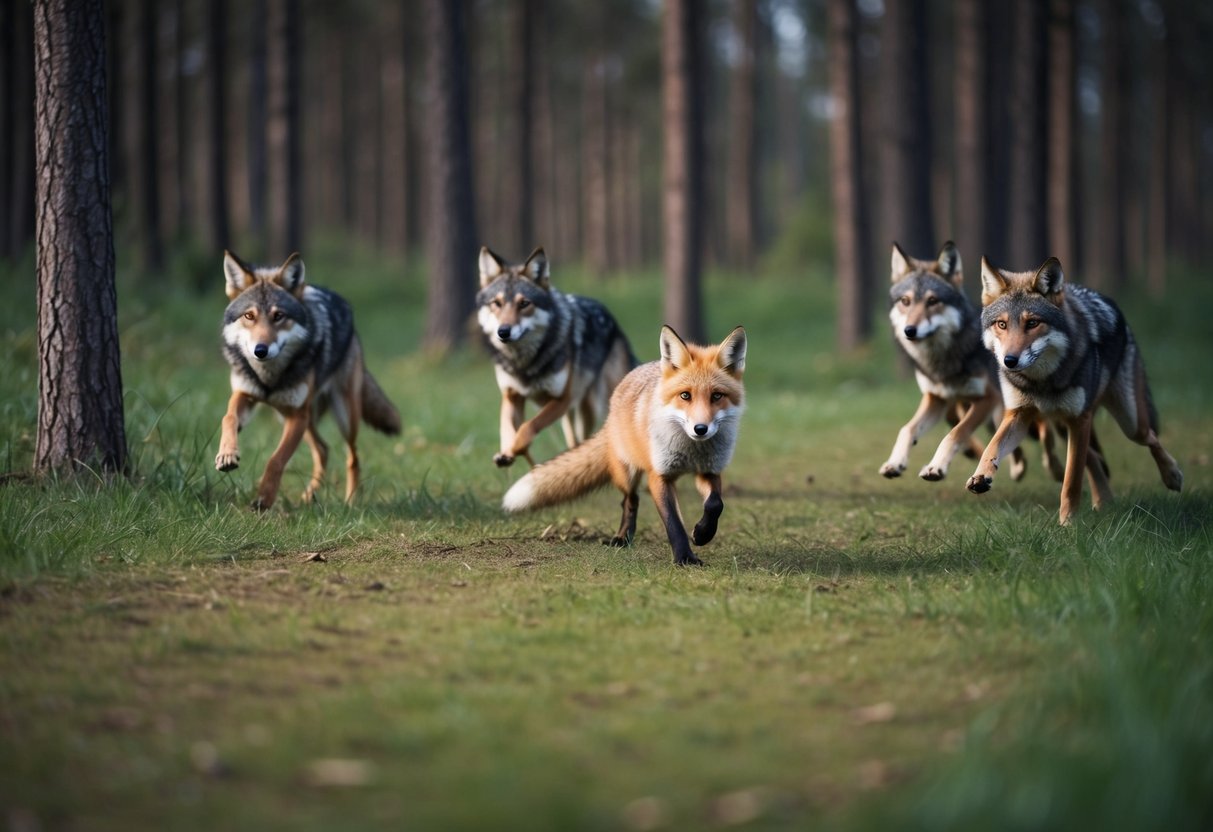
Understanding what hunts foxes can help you appreciate their role in the ecosystem. It’s interesting to recognize how these adorable creatures navigate a world filled with danger. As you read on, you’ll discover more about their enemies and how they adapt to stay alive.
Foxes’ Place in the Food Chain

Foxes are important members of the food chain. They serve as both predators and prey in the ecosystem. Understanding their diet and the threats they face helps you see where they fit in.
Understanding the Diet of Foxes
Foxes are omnivorous animals, meaning they eat both plants and animals. Their diet includes small mammals like rabbits and rodents, birds, insects, fruits, and even plants. This diverse menu allows them to adapt to various environments.
In urban areas, foxes often scavenge for food, eating leftovers or garden vegetables. In the wild, they hunt smaller animals. This ability to eat many different foods helps them survive in changing conditions.
Foxes play a role in controlling the populations of the animals they prey on, keeping the ecosystem balanced. By managing these populations, they help maintain the health of their habitats.
Predators of Foxes
While foxes can catch small animals, they also have natural predators. Larger carnivores pose a threat to them. For instance, wolves and mountain lions are apex predators that can hunt foxes when they are caught off-guard.
Other predators include eagles and bears, which can attack young or sick foxes. Coyotes are significant enemies as well. They often compete with foxes for food and territory.
Humans also impact fox populations through hunting and habitat destruction. As foxes navigate these challenges, they remain a vital part of the food web, linking various species together in their ecosystem.
Specific Predators and Threats
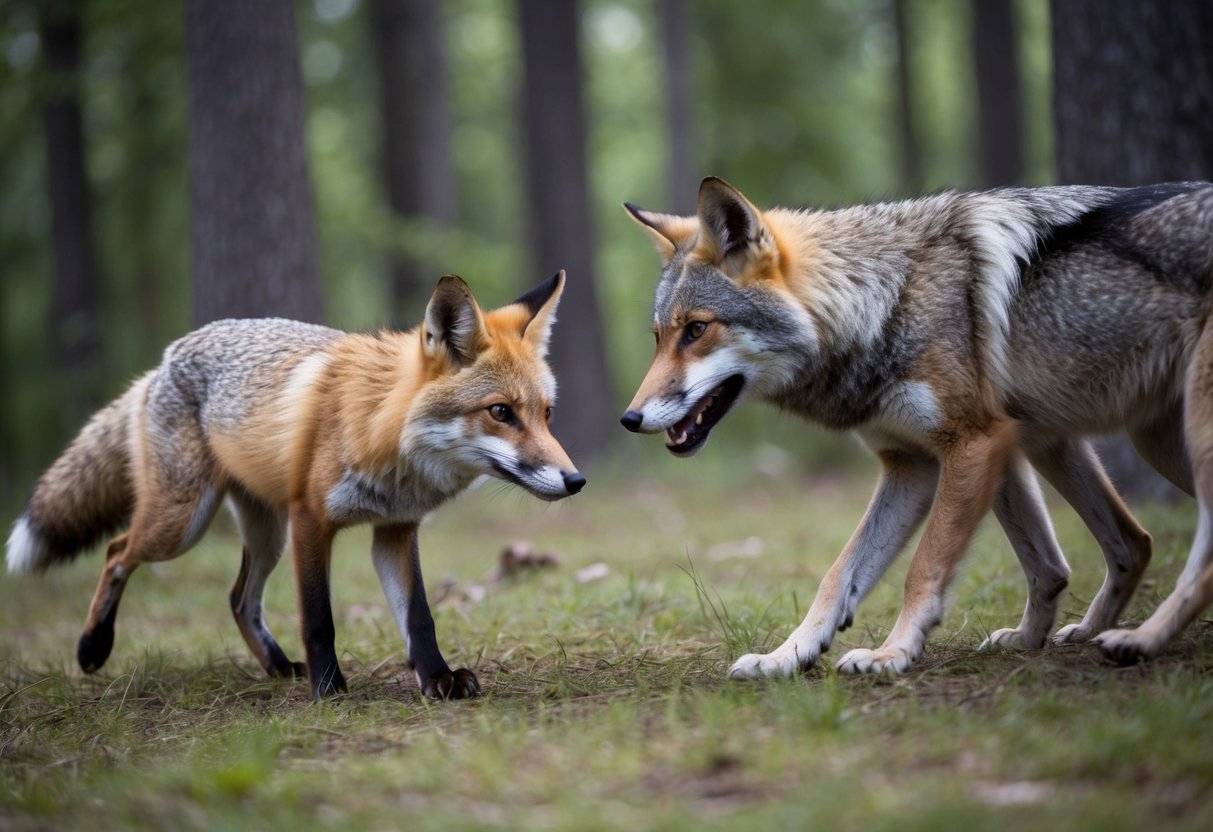
Foxes face many dangers in the wild. From large carnivores that hunt them to humans who impact their habitats, understanding these threats can help you appreciate the challenges foxes endure.
Large Carnivores and Rival Canids
Foxes must be wary of various large carnivores. Wolves are a significant threat, as they hunt foxes for food. Coyotes are also competitors that can attack when food is scarce. These two canids share similar habitats and diets, leading to fierce competition.
Other predators include mountain lions and bears. These animals can overpower foxes, especially in wooded areas. Bobcats, too, are skilled hunters that may see a fox as an easy meal. Even wolverines and badgers are known to confront foxes, especially when defending their territory.
Birds of Prey and their Impact
Foxes are vulnerable to aerial attacks from birds of prey. Eagles, particularly golden eagles, can swoop down to catch young foxes or small adults. Hawks and owls also pose a threat, especially at night when foxes are more active.
These birds often take advantage of a fox’s lack of awareness when looking upward. The combination of sharp talons and quick reflexes makes these birds effective hunters. The impact of these predators is significant, especially in open areas where foxes may be less concealed.
The Human Factor in Fox Survival
Humans present unique challenges for foxes. Land development reduces their natural habitats and disrupts their food sources. Urban areas are particularly risky, as vehicles pose a constant danger.
Additionally, hunting and trapping have historically impacted fox populations. Humans also contribute to the decline of their prey, creating a scarcity of food. These factors can lead to stressful conditions for foxes, forcing them to adapt to survive. Awareness of these human impacts can foster better coexistence with wildlife.
Defensive Measures and Adaptations
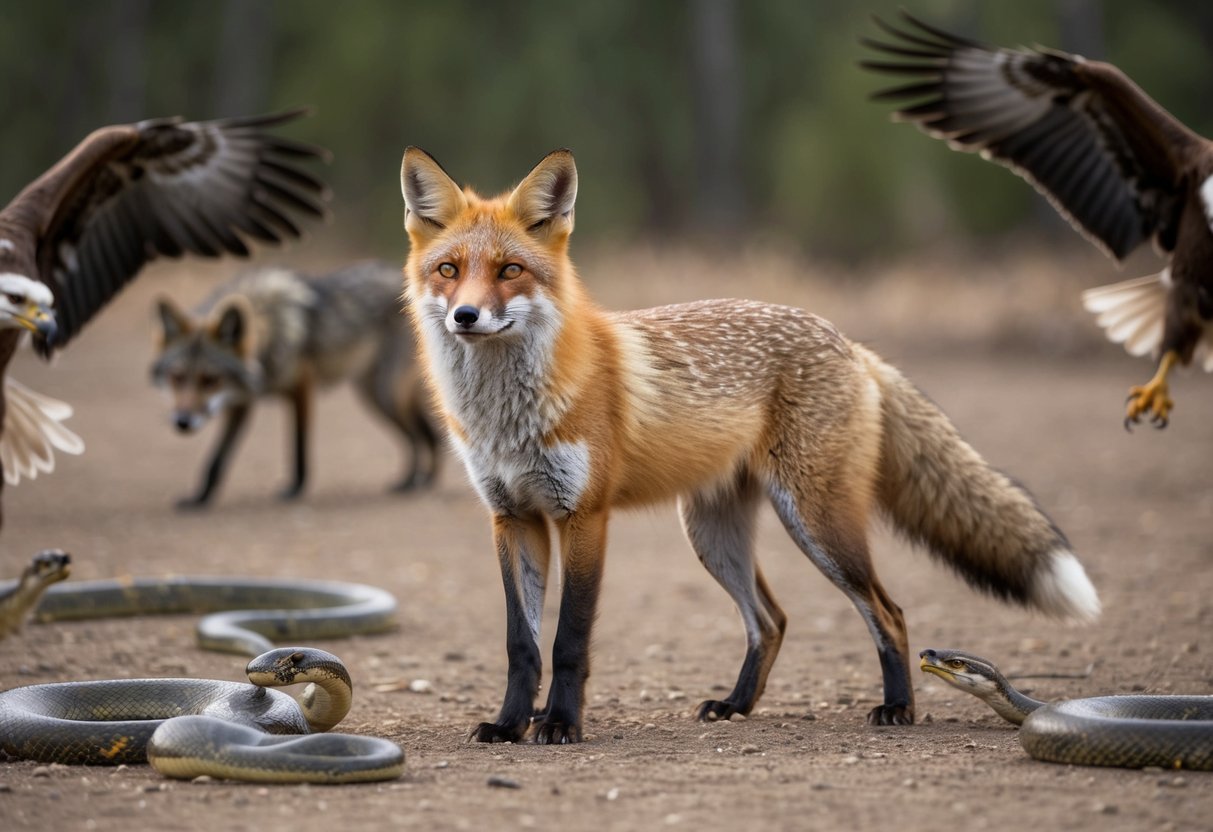
Foxes have developed various defensive measures and adaptations to protect themselves from predators and environmental challenges. These strategies include both physical behaviors and clever survival tactics unique to their species.
Foxes’ Defensive Behaviors
Foxes are primarily solitary creatures, which means they often rely on stealth and quick thinking rather than group tactics to avoid danger. When threatened, a fox may freeze in place or seek cover, using its natural camouflage to blend into the environment. This ability to hide is especially important for species like the Arctic fox, which takes advantage of its snowy surroundings.
Additionally, foxes can show signs of aggression. They may growl, snarl, or even display their teeth to ward off threats. If cornered, a fox may bite or scratch. Remember, these behaviors can vary across different fox species, as each adapts to its specific habitat and threats.
Habitat and Survival Strategies
Foxes build burrows as safe havens from predators. These underground homes not only protect them from larger animals but also offer a place to raise their young. The design of a burrow can have multiple entrances, which helps them escape if needed.
Their keen senses also help them survive. Foxes have excellent hearing, allowing them to detect approaching threats quickly. They are opportunistic eaters and will scout for food sources in various environments, broadening their diet when necessary. These adaptations help foxes thrive in diverse habitats, from forests to deserts.
Conservation and Human Interaction

Foxes face several threats due to human activities. Understanding these challenges can help in fostering a better relationship between people and wildlife. Your actions can impact these animals, and being informed is the first step toward positive change.
Impacts of Habitat Destruction
Habitat destruction is a significant challenge for foxes. Urbanization, agriculture, and deforestation reduce the places where they can live and hunt. As their habitats shrink, food scarcity becomes an issue.
Without enough natural space, foxes may venture into human areas, leading to conflicts with people. Additionally, habitat loss can disrupt the ecological balance, affecting not only foxes but also other wildlife.
You may see foxes more often near cities, where they adapt to new environments. This shift can create misunderstandings between humans and foxes, making awareness crucial for peaceful coexistence.
The Role of Conservation Efforts
Conservation efforts are vital for protecting foxes and their habitats. Organizations work to restore damaged environments and promote sustainable practices.
Your involvement in local conservation initiatives can make a difference.
Support for wildlife reserves helps ensure safe spaces for foxes to thrive.
Public education about the importance of foxes can also inspire communities to protect these animals. By understanding their role in the ecosystem, you can appreciate how useful foxes are in maintaining ecological balance.
Additionally, measures to manage domestic dogs and regulate fox hunting can minimize direct threats to fox populations. Creating awareness can protect their future and help keep habitats intact.


