
Seeing a fox in your garden can be both surprising and intriguing. Foxes often visit gardens in search of food, shelter, or just to explore their territory. While they may seem like a nuisance, they are a part of the local wildlife ecosystem and can offer some unexpected benefits.
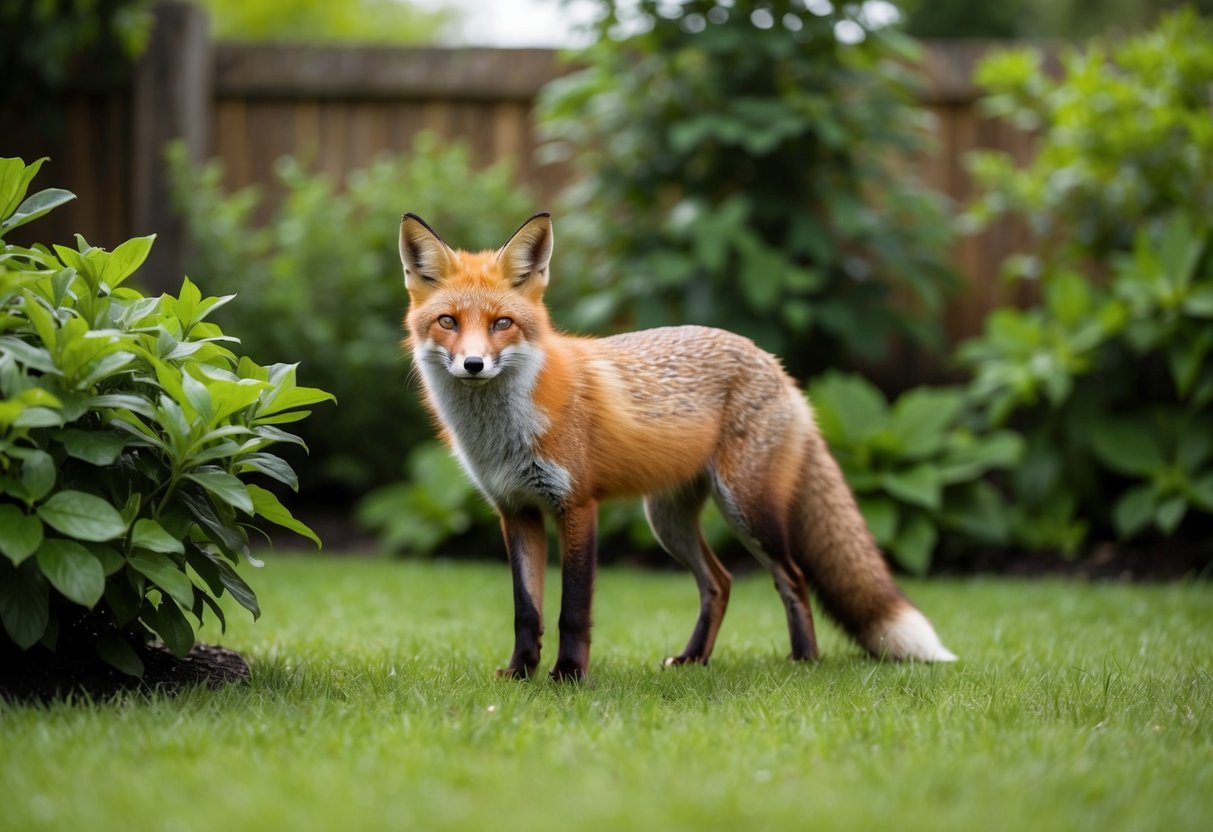
You might wonder what attracts these clever animals to your space. Gardens can provide easy access to food sources like fruits, rodents, or even pet food left outside. Understanding their behavior can help you manage your garden in a way that coexists with these fascinating creatures.
If you encounter a fox, it’s important to know that they are generally not aggressive and will usually avoid confrontation. By learning more about what it means to have a fox around, you can take steps to protect your plants while appreciating the wildlife in your neighborhood.
Understanding Fox Behavior

When a fox is in your garden, it can help to know what drives its behavior. Understanding typical activities and recognizing signs of their presence can aid in determining what the animal is doing and how to manage it.
Typical Fox Activities
Foxes, including the red fox (Vulpes vulpes) and gray fox, are known to be primarily nocturnal animals. This means they are most active during the night. However, they can also be spotted during twilight hours, especially when hunting.
In gardens, foxes often dig for insects, such as earthworms and grubs. They may also create a fox den in a safe and quiet area to raise their young, called cubs. While hunting, they might leave behind signs like fox droppings, which are small and twisted, often containing remnants of their last meal.
Foxes are curious creatures and may explore your garden simply for entertainment. Their playful nature leads them to dig in the soil or tip over small items as they investigate their surroundings.
Signs of a Fox Presence
If a fox has been frequenting your garden, you might notice some clear signs. Look for paw prints in the dirt or dug-up soil, which can indicate their digging behavior.
Another common sign is their droppings, which often appear in prominent areas as a way of marking territory. The droppings will typically have a strong smell and may contain fur or undigested food particles.
During the mating season, you might hear distinctive sounds, like loud screams or barking, especially at night. Being aware of these signs can help you understand if a fox is currently using your garden or just passing through.
Attractants and Deterrents
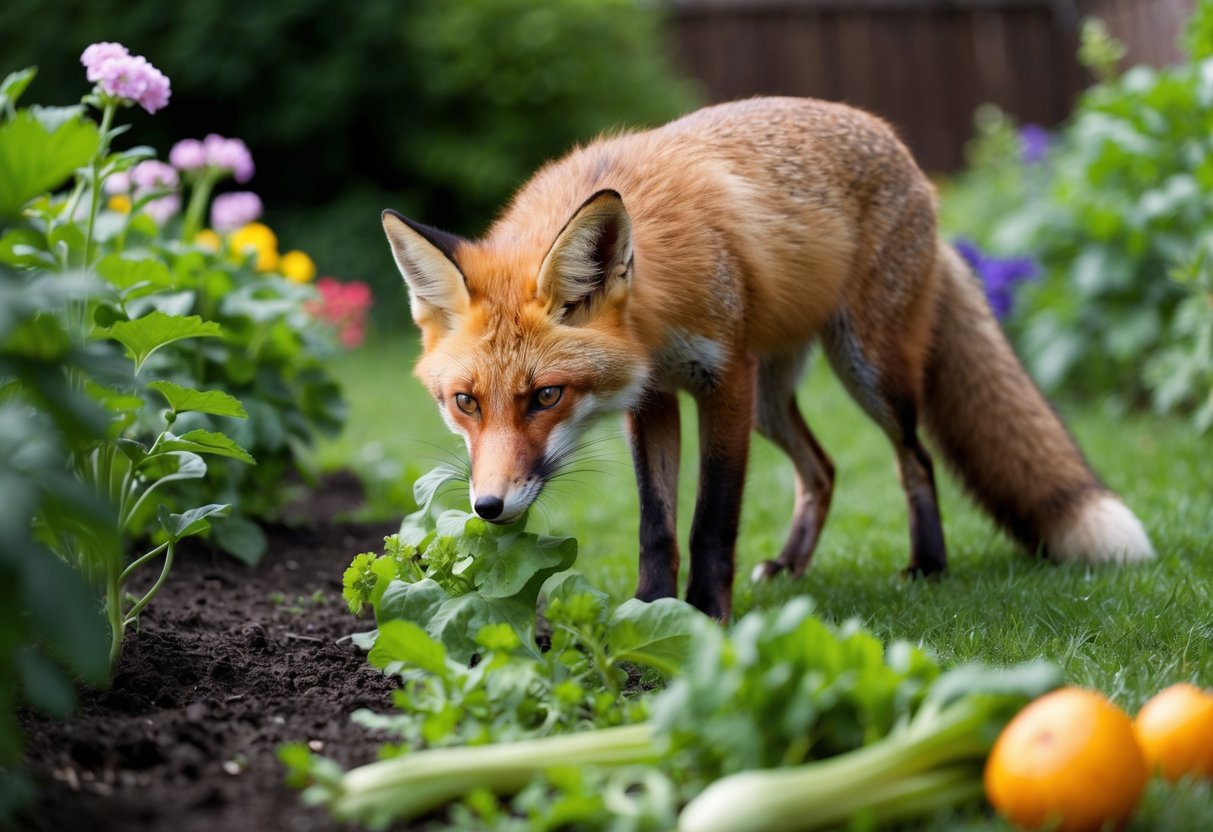
If you notice a fox in your garden, understanding what attracts them and how to deter them is important. By addressing these factors, you can create an environment that discourages foxes from visiting.
Common Fox Attractants
Foxes are often drawn to your garden due to appealing items. Here are some common attractants:
- Dog and Cat Food: Leaving pet food outdoors can invite foxes, as they can smell it from a distance.
- Bird Feeders: Seeds scattered on the ground attract not only birds but also small animals, which in turn attract foxes.
- Fallen Fruit: Fruit that drops from trees can be a tasty snack for foxes, so it’s best to clear it away regularly.
- Garlic: While typically used as a pest repellent, garlic can also attract foxes. It’s crucial to use it wisely in your garden.
By identifying these attractants, you can take steps to limit their availability.
Safe and Effective Deterrents
To keep foxes away, consider using effective deterrents. Here are some options:
- Motion-Sensor Lights: Installing these lights can startle foxes and deter them from entering your yard at night.
- Fox Repellent: Various commercial fox repellents are available, often made from natural ingredients that are safe for the environment.
- Natural Pest Repellents: Washing your garden with solutions that contain strong scents like vinegar can help. Using garlic water or other strong-smelling mixtures can also keep foxes at bay.
- Fencing: A sturdy fence that is at least six feet high can help prevent foxes from entering your garden.
By combining these deterrent methods, you can create a less inviting area for foxes.
Coexistence and Safety
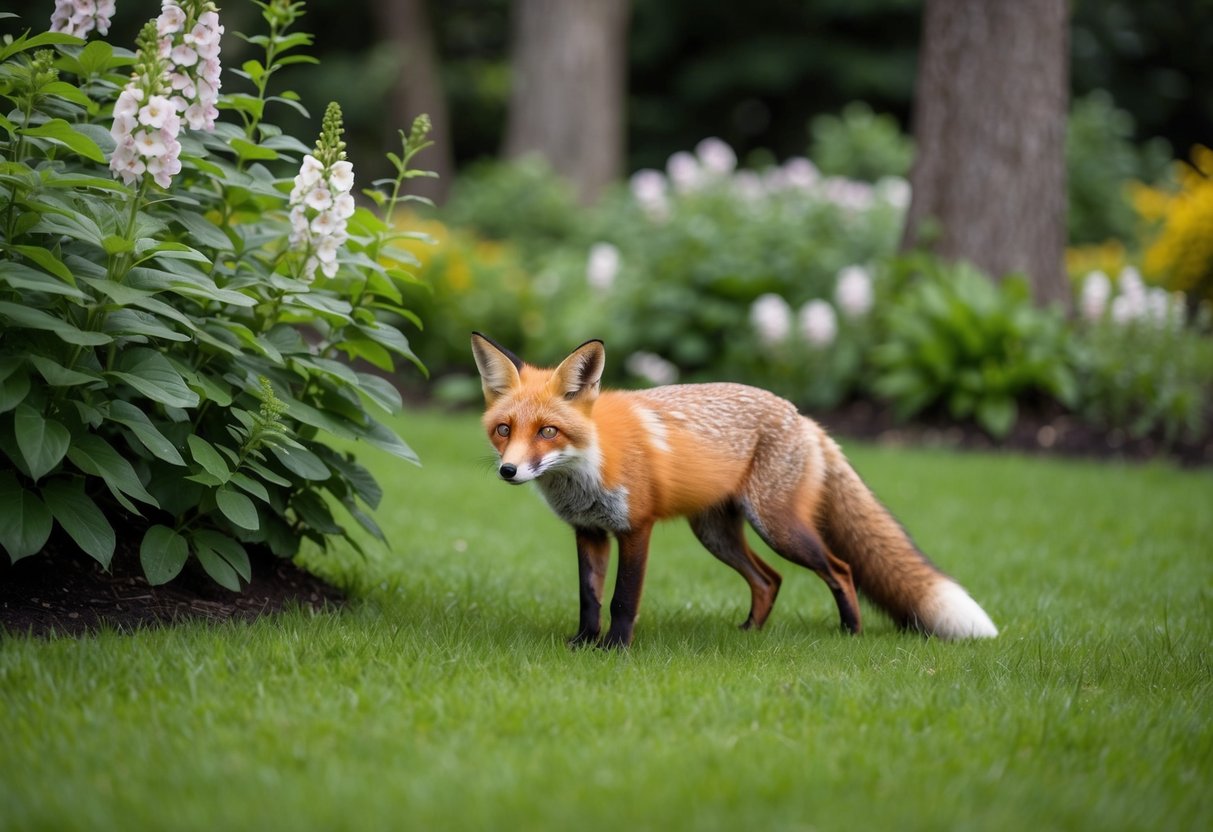
Having a fox in your garden can bring up safety concerns. It’s important to understand how to coexist peacefully while keeping your family and pets safe.
Mitigating Safety Concerns
Foxes are generally not dangerous to humans. They typically avoid people and pose a minimal threat. However, it’s wise to take precautions, especially if you have pets like cats or small dogs.
To help keep your pets safe, consider these steps:
- Limit Outdoor Time: Don’t leave pets outside unattended, especially at night.
- Secure Trash Bins: Make sure your garbage is well-sealed to avoid attracting foxes.
- Remove Hiding Spots: Clear brush and tall grass around your garden that might provide cover.
- Use Fox Deterrents: Motion-activated lights or sprinklers can scare away foxes and other wildlife.
When to Involve Animal Control
You may need to reach out to animal control if you feel that a fox poses a threat to your safety or the safety of your pets. You should consider involving them under certain circumstances:
- Aggressive Behavior: If a fox approaches you or your pets in a threatening manner.
- Frequent Visits: If the same fox returns daily, it may need to be addressed.
- Signs of Disease: If you notice unusual behavior, such as lethargy or disorientation.
Animal control can help assess the situation and provide guidance on how to deal with foxes. They can also offer advice on effective pest control strategies to ensure your garden remains safe and welcoming for both you and your wildlife neighbors.


