
If you’re curious about when foxes come out, you’re not alone. Many people wonder about the activity patterns of these fascinating creatures. Typically, foxes are most active at night, especially during the mating season from February to April. This is when you might spot more of them roaming around as males search for mates.
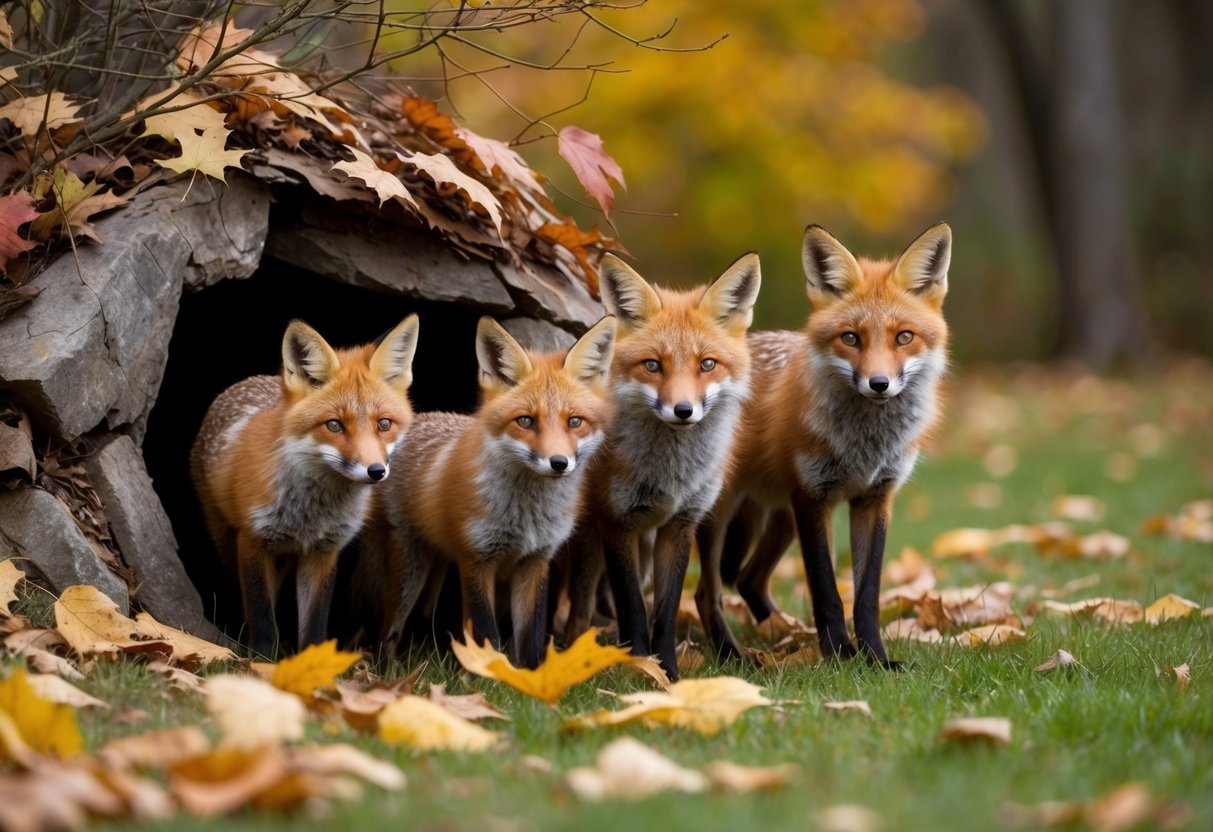
In addition to their nighttime habits, foxes can also be seen during the day, particularly when they have young kits to feed. Understanding their schedule can help you catch a glimpse of these clever animals in your neighborhood.
Delve deeper into the specific months and behaviors of foxes to learn what drives their activity throughout the year.
Fox Behavior and Activity Patterns

Foxes have unique habits that shape their activity patterns throughout the day and year. Understanding when they are active can help you spot them in your area.
Nocturnal and Crepuscular Habits
Foxes are primarily nocturnal, meaning they are mostly active at night. They hunt when the sun sets and continue until the early hours of dawn. Their large eyes enable them to see well in low-light conditions, similar to cats.
In recent years, many foxes have become more crepuscular. This means they also venture out during twilight hours, around sunrise and sunset. You may find them roaming during the day, especially in urban areas where they adapt to human activity. Their daytime outings help them find food and explore their territory while avoiding competition.
Seasonal Changes in Fox Activity
The activity levels of foxes can change from season to season. During spring, you might notice increased movement as they prepare for mating. This is often when they are the most vocal.
As winter approaches, their behavior shifts due to the colder weather and scarcity of food. They may become more daring and hunt during the day if food becomes hard to find. Additionally, in urban settings, foxes adapt their patterns to blend in with human routines. This adaptability ensures they can thrive in different environments, whether rural or urban.
Fox Reproduction Cycle

In this cycle, foxes engage in specific behaviors during mating and raising their young. Understanding these phases helps you appreciate their life cycle and family dynamics.
Mating Season
Foxes typically mate once a year, and the timing can vary depending on the species and region. For many types of foxes, including red foxes, the mating season occurs from January to February. During this time, you may notice male foxes roaming more widely in search of a receptive female, known as a vixen.
Male foxes can be quite vocal, using sounds like barks and screams to attract females. Once mated, the vixen will enter a gestation period lasting about 52 days. This short period means that many litters are born in March or April, coinciding with the arrival of spring when food is more abundant for the mothers.
Raising Kits
After about 52 days, the vixen gives birth to a litter of fox kits, usually ranging from four to six cubs. These adorable baby foxes are born blind and blind, relying entirely on their mother for warmth and sustenance. The vixen stays close to her den, which is usually located in a safe area away from predators.
As the kits grow, both parents play vital roles. The male fox helps by bringing food to the vixen and the kits. Around three weeks old, the cubs begin to open their eyes and start exploring outside the den. This is an exciting time when they learn to play, hunt, and interact as a family.
Fox Habitats and Hunting Grounds
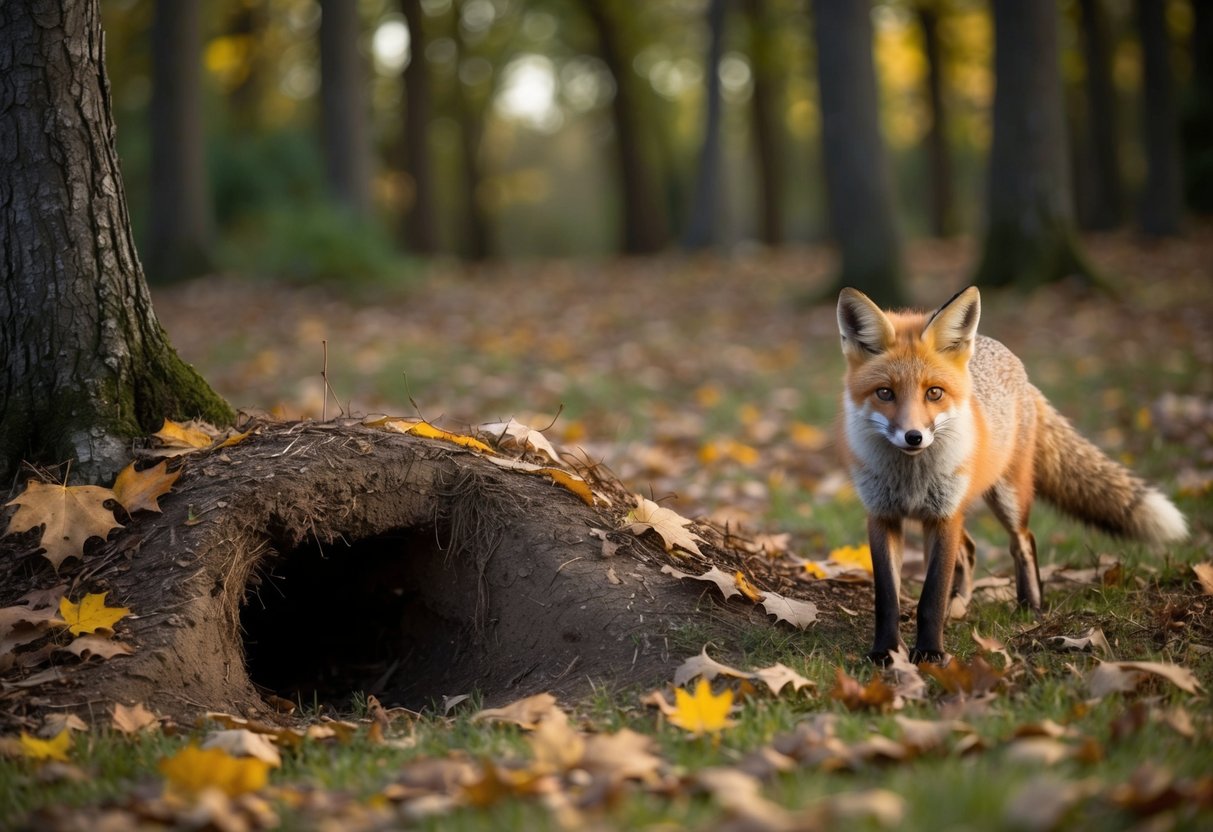
Foxes are adaptable animals that can thrive in various environments. They have specific habitats where they create dens and find food. Knowing more about these areas can help you understand their behavior and needs.
Denning Areas
Foxes typically make their dens in safe, sheltered places. You might find these dens underground, beneath boulders, or in hollow trees. Sometimes, they will modify abandoned dens from other animals to suit their needs.
A fox den can be quite complex, sometimes reaching up to 75 feet long with multiple entrances for easy escape. They prefer habitats with ample cover, such as forests, fields, or even suburban areas, where they can hide from predators and people. This provides a perfect space for raising their young, called kits, as well.
Hunting Techniques and Diet
When it comes to hunting, foxes are agile and clever. They primarily hunt at dawn or dusk, which is when their prey is most active. Their diet mainly consists of small mammals, including rabbits, mice, and insects.
Foxes use their keen sense of hearing to locate their food, often pouncing to catch their prey. They also scavenge when needed, allowing them to adapt to changing food availability. A healthy habitat ensures they have access to these food sources, which is vital for their survival.
Fox Health and Conservation
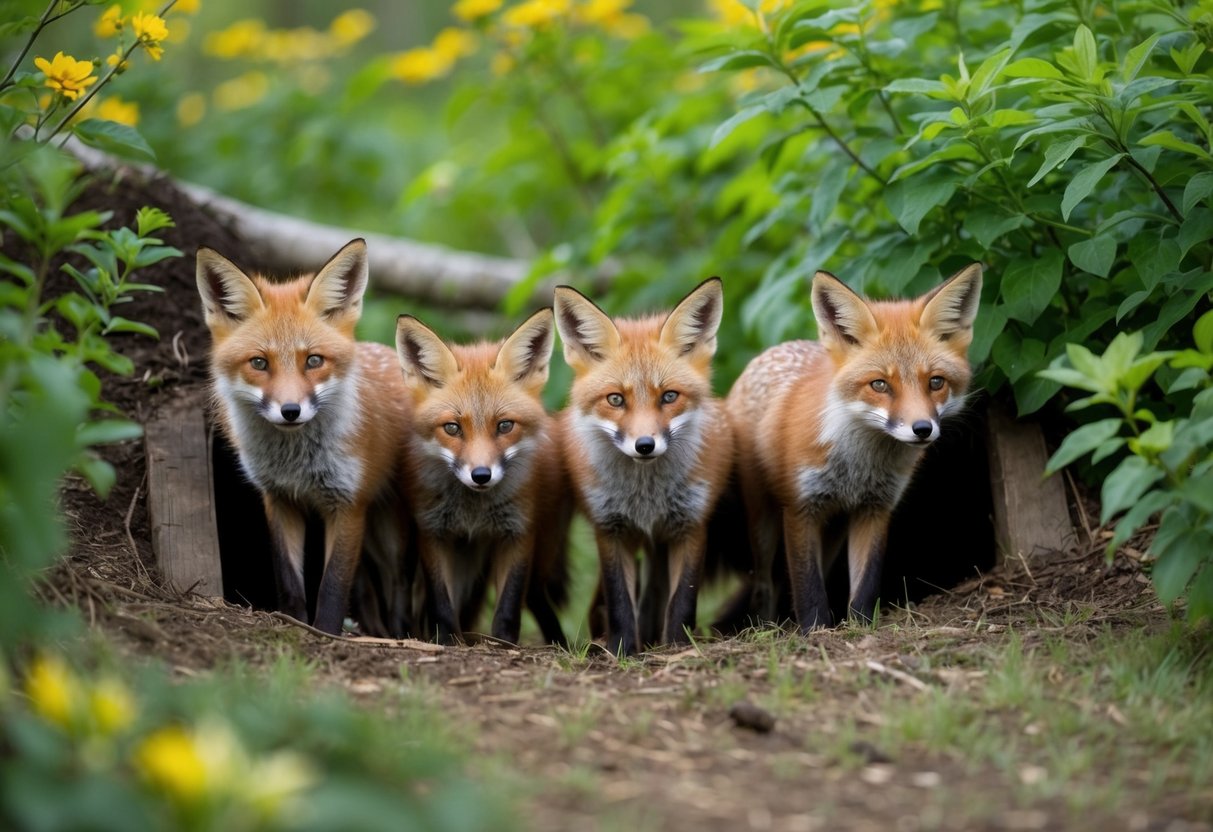
Foxes, including red and gray foxes, play an important role in nature. However, like all animals, they can face health issues.
Rabies is a concern for foxes. If you see a fox acting strangely, it might be sick. Contact your local animal control for help. Thankfully, rabies rarely spreads to humans.
Another issue foxes face is mange. This skin disease makes them scratch a lot and can cause hair loss. It can weaken them, making it harder to hunt and survive.
While foxes are skilled hunters, they also need to evade predators. This means having strong survival skills is crucial. They often use their intelligence to find food and shelter.
Your sightings of foxes are valuable. Reporting these sightings can help conservation efforts. Your info assists experts in understanding fox populations and their health.
Foxes may sometimes prey on small livestock, which can upset farmers. Creating protective measures for livestock is essential. This helps balance the ecosystem while keeping both farmers and foxes happy.
Conservation efforts aim to protect these sly creatures. When you support local wildlife groups, you help ensure that foxes remain a part of our environment. By understanding their needs, you contribute to their survival and the health of ecosystems.


