
If your dog spots a fox during your walk, it can be a surprising moment. Keeping your dog calm and under control is the best way to avoid any potential conflict. Foxes, especially red foxes, are generally not aggressive and often prefer to avoid dogs. They can be scared of larger animals, making it unlikely that they will approach your pet.

When you see a fox, try to distract your dog with treats or commands to redirect their focus. If your dog reacts excitedly, pull them away gently and continue on your walk. Remember, it’s perfectly natural for dogs to be curious, but maintaining a peaceful encounter can keep both your dog and the fox safe.
Understanding Fox Behavior

To help you keep your dog safe when encountering a fox, it’s important to know more about fox behavior. By understanding their diet, habitats, and reasons for crossing paths with your dog, you can take steps to protect your pet.
Natural Fox Diet and Habitats
Foxes, including red foxes and gray foxes, are opportunistic eaters. They primarily eat small mammals like rabbits and rodents, but they also enjoy fruits, insects, and even bird eggs. This varied diet allows them to thrive in different environments.
Foxes usually make their dens in wooded areas, fields, or urban settings. Dens provide shelter and a safe space for raising their young. Understanding where foxes live helps you know when to be cautious, especially in areas where fox populations are prevalent.
Possible Reasons for Encounters
Encounters between foxes and dogs often happen for a few reasons. As humans encroach on nature, foxes venture into neighborhoods looking for food. If you leave pet food outside or if there are food scraps in your yard, it can attract them.
Foxes may also come near dogs out of curiosity or to defend their territory. They generally prefer to avoid dogs, especially larger breeds. But if a small dog is present, foxes can become more aggressive, particularly if they feel threatened or are guarding their young. Always supervise your dog outdoors to minimize risks.
Safety Measures for Your Dog

Taking the right steps can help keep your dog safe if it encounters a fox. Here are two key safety measures to consider.
Preventative Vaccinations
Vaccinating your dog is important for its health and safety. Make sure your dog is up to date on essential vaccines, particularly the rabies vaccine. Rabies is a serious disease that can be passed on by wild animals like foxes. If your dog happens to get bitten or scratched, having these vaccinations can make a big difference.
Consider your dog’s size as well. Small dogs might be more vulnerable to aggressive behavior from a fox. Regular check-ups with your veterinarian can ensure that your dog is protected against common diseases spread by wildlife. Always keep a vaccination record to share with your vet if needed.
Leash Training and Awareness
Leash training is crucial for your dog’s safety. When walking your dog, keep it on a leash, especially in areas where foxes are common. This prevents your dog from chasing after a fox or getting too close, which could lead to a confrontation.
Be aware of your surroundings. If you see a fox, calmly control the situation by keeping your dog close. It’s essential to train your dog to listen to commands on the leash. This way, you can redirect it away from any potential danger. Remember, foxes usually prefer to avoid conflict but may react if they feel threatened. Keeping your dog secure on a leash can help prevent unwanted encounters.
Responding to a Fox Encounter

When your dog sees a fox, it’s important to act quickly and calmly. Your response can help keep both you and your dog safe during this encounter. Here are key strategies to manage the situation effectively.
Deterrence and Escape Strategies
If you spot a fox, keep your dog on a leash immediately. This helps you maintain control. Avoid sudden movements or loud noises that may provoke the fox. Instead, you can clap your hands or shout to deter it.
If the fox continues to approach, slowly back away while keeping your dog close. Do not run; this could trigger the fox’s instinct to chase.
If your dog starts barking, it may draw the fox closer. Encourage your dog to remain quiet by using a calming voice. If you feel the situation is serious, seek shelter or move to a safer area away from the fox.
Post-Encounter Actions
After the encounter, check your dog for any signs of stress or injury. Look for scratches or bites, especially if the fox approached closely. If your dog was attacked, contact a veterinarian right away.
If the encounter left you uneasy, consider contacting animal control. They can provide guidance on local fox populations and safety tips.
Lastly, keep your garden secure to prevent visits from wildlife. Removing attractants, like food or trash, can deter foxes from coming into your yard. Always remember to supervise your dog during outdoor activities to avoid future incidents.
Health Concerns and Treatment
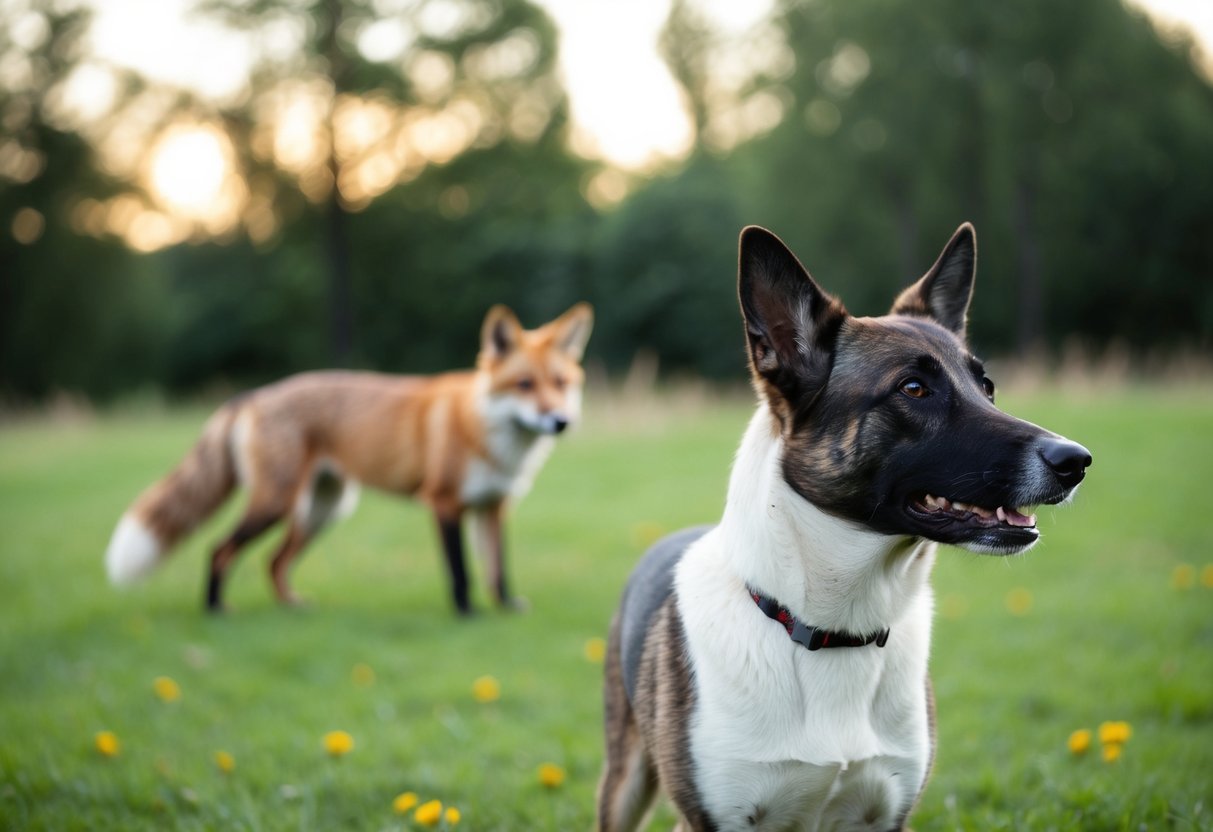
When your dog encounters a fox, there are important health concerns to consider. Foxes can carry diseases and parasites that may affect your dog. You should be aware of potential injuries from confrontations and know how to identify and treat them.
Identifying and Treating Injuries
If your dog has a close encounter with a fox, check for injuries right away. Look for signs like scratches, bite marks, or limping. Even minor injuries can lead to infections if not treated properly.
For cleaning wounds, use mild soap and water. Apply an antiseptic ointment and cover the area with a bandage if needed. Keep the bandage clean and change it regularly.
If you notice swelling or your dog shows signs of pain, contact your vet. They might need antibiotics or further treatment to ensure healing. Always monitor your dog for changes in behavior, as they may indicate pain or sickness.
Diseases Transmitted by Foxes
Foxes can transmit several diseases and parasites that may pose a risk to your dog. Rabies is a serious viral disease that affects the nervous system. Make sure your dog’s vaccinations are up to date.
Parasites are also a concern. Ticks and fleas can be found on foxes; these pests may transfer to your dog.
Regular preventive treatments reduce the risk of infestations.
Another health issue to consider is mange, caused by mites. Symptoms include intense itching and hair loss.
If you see these signs, consult your vet for treatment options.
Finally, be aware of less common diseases like Weil’s disease, linked to exposure to infected wildlife and their urine. This disease can affect liver and kidney function.
If you suspect your dog may have been exposed, seek veterinary help promptly.


