
When you spot a fox den, you might wonder how long these clever animals will call it home. Foxes create dens for various reasons, including raising their young, seeking shelter, and avoiding harsh weather. Typically, foxes will stay in a den for about 4 to 6 months during the breeding season. However, this can vary based on food availability and environmental conditions.
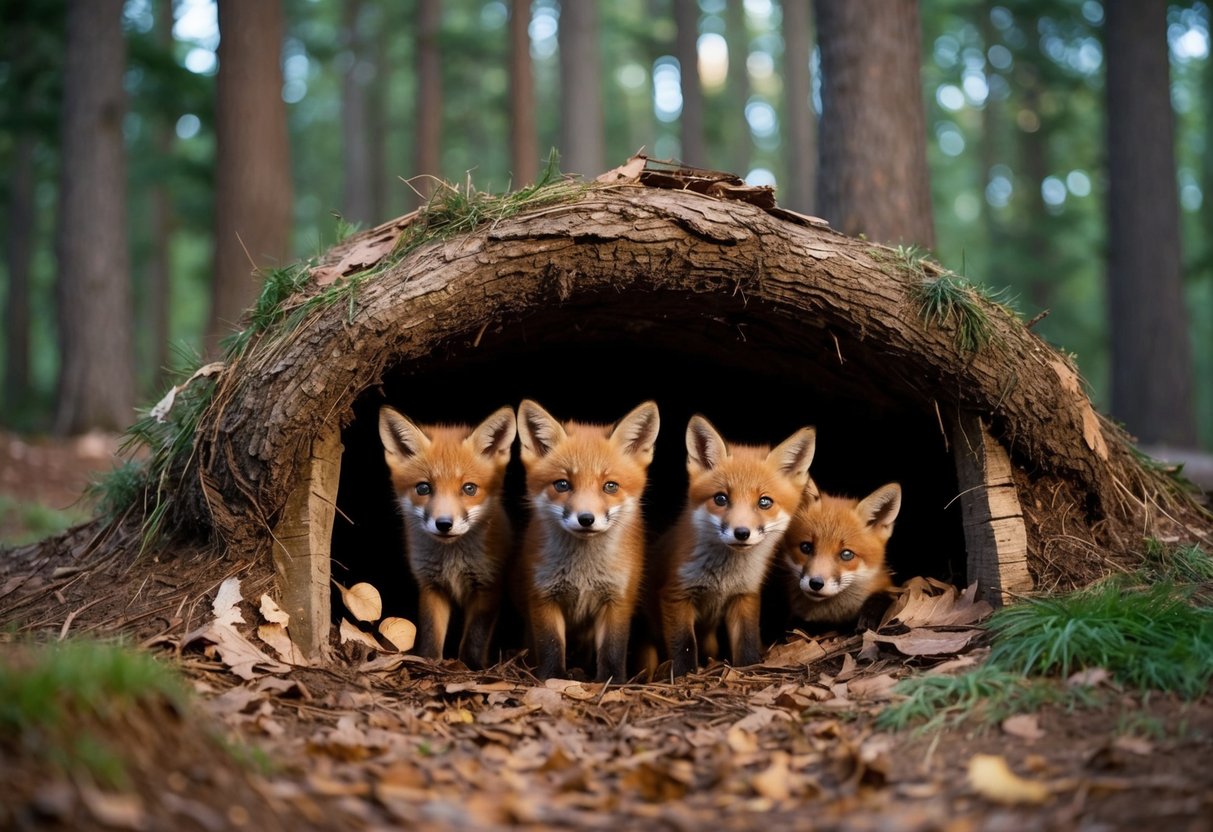
These cozy underground homes provide safety and warmth for foxes and their kits. As a wildlife enthusiast, you may find it fascinating to observe how these remarkable animals utilize their dens. Understanding their behavior can help you appreciate the important role they play in your local ecosystem.
By learning more about foxes and their denning habits, you’ll gain insight into their life cycle and the challenges they face in the wild. Keep reading to discover more about what influences how long foxes remain in their dens and what you can do to support wildlife in your area.
Fox Den Habits

Foxes rely on their dens for safety and comfort. These underground homes serve as shelters from predators and harsh weather. Understanding how foxes use their dens can help you appreciate their habits and needs.
Importance of Dens for Survival
Dens are crucial for a fox’s survival. They provide a safe space for raising kits and protecting them from predators like eagles or larger mammals. A den keeps the young foxes warm and secure during their early weeks when they are most vulnerable.
Foxes usually select their dens carefully, often in hilly or wooded areas. This choice helps them find shelter from extreme weather. The den also serves as a place to store food or hide from potential threats. Without a suitable den, foxes would struggle to raise their young and maintain their territory.
Typical Den Characteristics
Fox dens can vary in size and shape. On average, a fox den might be about 3 to 8 feet deep. They often have multiple entrances to allow easy escape if a threat appears. A small den might only have one or two entrances, while larger ones can exceed 50 feet in total length.
You might find dens dug into the ground, surrounded by scattered leaves or branches for camouflage. The entrance typically measures 8 to 10 inches in diameter, perfect for a fox to enter and exit comfortably. Dens also tend to be lined with grass or fur for extra warmth and comfort.
Variations Among Species
Different fox species have unique den habits. For example, the red fox prefers to dig its den in forested areas, while the arctic fox often uses existing burrows in snowy regions. The fennec fox, with its large ears, makes its home in the desert, where it digs underground to escape the heat.
Each species adapts its denning behavior to its environment. Arctic foxes may have deeper dens to escape the cold, while fennec foxes create shallow burrows to stay cool. Understanding these differences helps you see how foxes fit into their habitats and how they survive in diverse conditions.
Breeding and Rearing Offspring
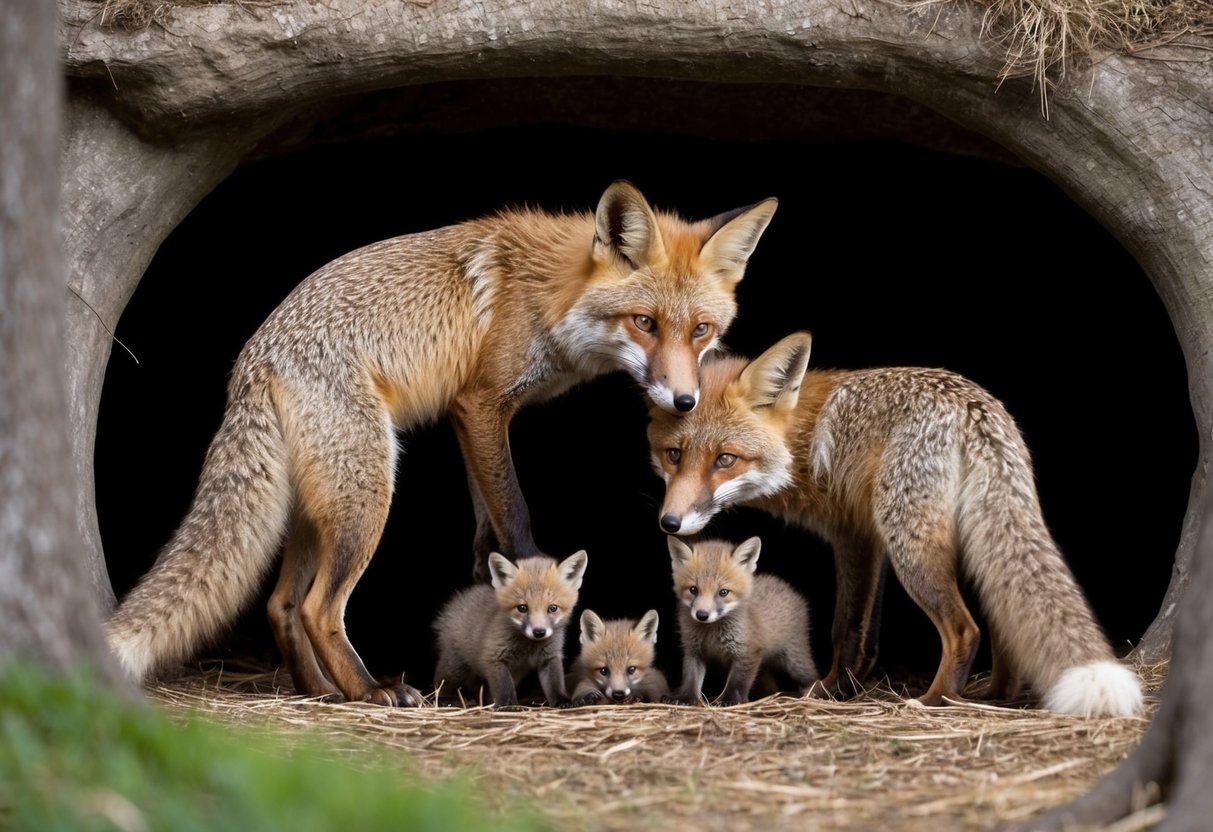
During the breeding season, the dynamics of fox family life become particularly fascinating. The vixen plays a crucial role in nurturing her young, while the kits develop in the safety of their natal den.
The Role of the Vixen
The vixen, or mother fox, is essential for the survival of her kits. After mating, she prepares a natal den for her offspring. This den provides a safe and warm place for the kits to grow.
For the first few weeks, the vixen stays close to her young. She keeps them warm and fed, while the male fox, or dog, brings food to the entrance for her. This helps the vixen focus on caring for the kits without needing to leave them for long.
The mother fox’s care is vital as the kits are born blind and deaf. She relies on body heat to keep them warm for the first few weeks. Her constant presence helps ensure that the kits grow strong and healthy.
Development of Kits in the Den
Fox kits develop quickly in the safety of their den. When they are born, they are small and helpless, relying entirely on the vixen. By around three weeks old, the kits begin to open their eyes and can start to hear sounds.
As they grow, the kits begin to explore their surroundings. At about four weeks, they start to venture outside the den while still relying on their mother for food. During this exploration, they learn important skills through play.
By the time they are several weeks old, the kits start eating solid food. This transition is crucial for their development. The den remains their home until they are ready to explore more of the outside world and learn from their mother about hunting and survival.
Dietary Strategies and Food Storage
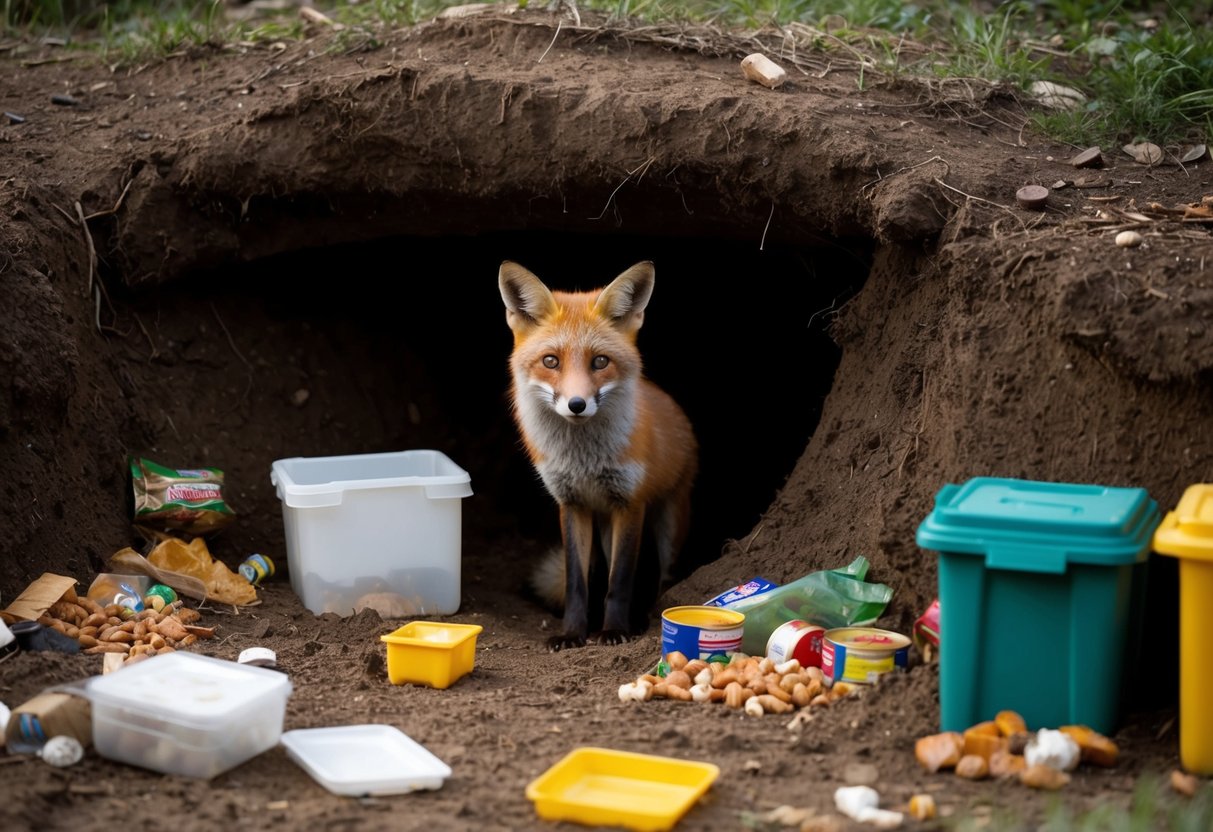
Foxes have interesting ways of finding and storing food. They are adaptable hunters and can use various strategies to gather their meals. They also create food caches to help them survive when food is less available.
Hunting Techniques and Prey
Foxes are clever hunters with a range of techniques. They often hunt alone, relying on their keen senses to find prey. They mainly eat small mammals, birds, and even fruits when available.
- Adaptable Diet: Foxes can adjust their diet based on what is nearby. They might enjoy mice, voles, and rabbits or switch to insects and fruits.
- Surplus Killers: Sometimes, they are known as surplus killers. This means they might kill more than they can eat, especially when prey is plentiful.
Using stealth and patience is key. They may stalk quietly or pounce on their prey, which helps ensure a successful catch.
Creation and Use of Food Caches
Food storage is crucial for foxes, especially during winter. They often create food caches to save extra meals for later.
- Storing Surplus: When they kill more than needed, they dig holes to hide the extra food. This behavior helps them survive dry spells when hunting is tough.
- Retrieving Caches: Foxes mark these spots, so they can easily find their stored food later. The buried meals help them endure times when food sources are limited.
This smart strategy shows how foxes thrive in various environments, always prepared for changes in food availability.
Protection and Threats to Fox Dens
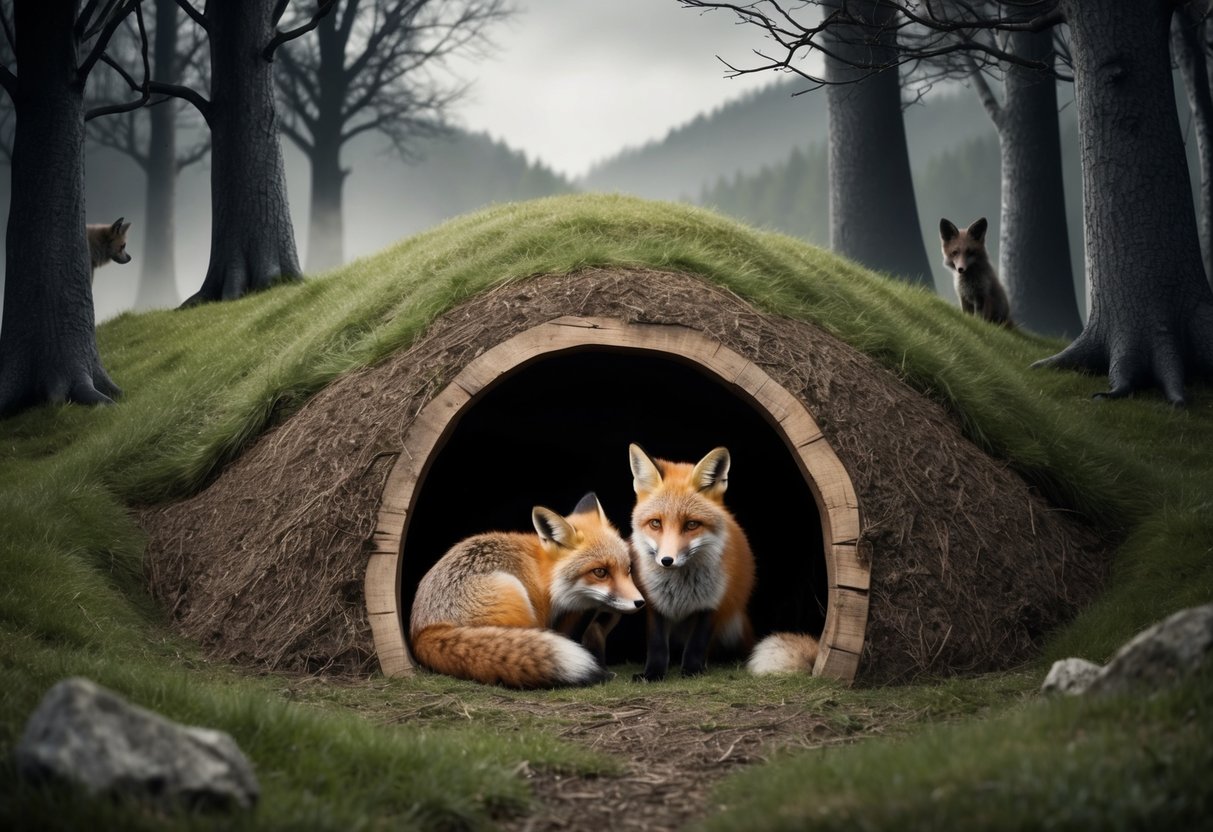
Foxes face various challenges that can impact their dens and habitat. Understanding these threats helps you appreciate how these clever animals protect themselves and their young. Let’s explore the natural predators foxes must contend with and the issues they face in human-dominated areas.
Natural Predators and Defense Mechanisms
Foxes have a few natural predators, including larger mammals like coyotes and even domestic cats in some areas. These predators can threaten fox kits while they are vulnerable in their dens.
To defend against these dangers, foxes often choose den locations carefully. Their dens may be in hard-to-reach spots or hidden under brush and rocks. The entrances typically measure 8 to 10 inches in diameter, allowing the fox to quickly escape if threatened.
Additionally, foxes are known for their alertness and ability to sense danger. They will often flee their dens at the first hint of a predator nearby. This quick thinking greatly improves their chances of survival.
Challenges in Human-Dominated Landscapes
Urban environments pose unique challenges for foxes. As human populations grow, wildlife habitats shrink. Foxes often find it harder to locate safe spaces for their dens, leading to conflicts with people.
You may find foxes in neighborhoods, especially if there are food sources, such as pet food left outside or garbage. This can bring them closer to cats, which can spread diseases like mange affecting both species.
To help keep foxes safe, you can take a few simple steps. Remove brush piles and seal gaps under porches to prevent dens near homes. Respect their space and observe from a distance. Your actions not only protect the foxes but also maintain healthy wildlife in your area.


