
If you’ve ever spotted a fox wandering through your yard, you might have wondered about the possibility of befriending this curious animal. While it can be tempting to think of foxes as cuddly companions, remember that foxes are wild animals. Attempting to befriend them can come with risks.

Wild foxes are often shy and cautious around humans, which means building trust will take time and patience. On the other hand, domesticated foxes, bred for companionship, can offer a friendlier alternative if you’re looking for a furry buddy. Just keep in mind that owning one requires a serious commitment and is not an option in all places.
Exploring the idea of befriending a fox can lead to fascinating insights about these clever creatures. Whether it’s understanding their behavior or deciding if a domesticated fox is right for you, the journey can be both exciting and educational.
Understanding Fox Behavior
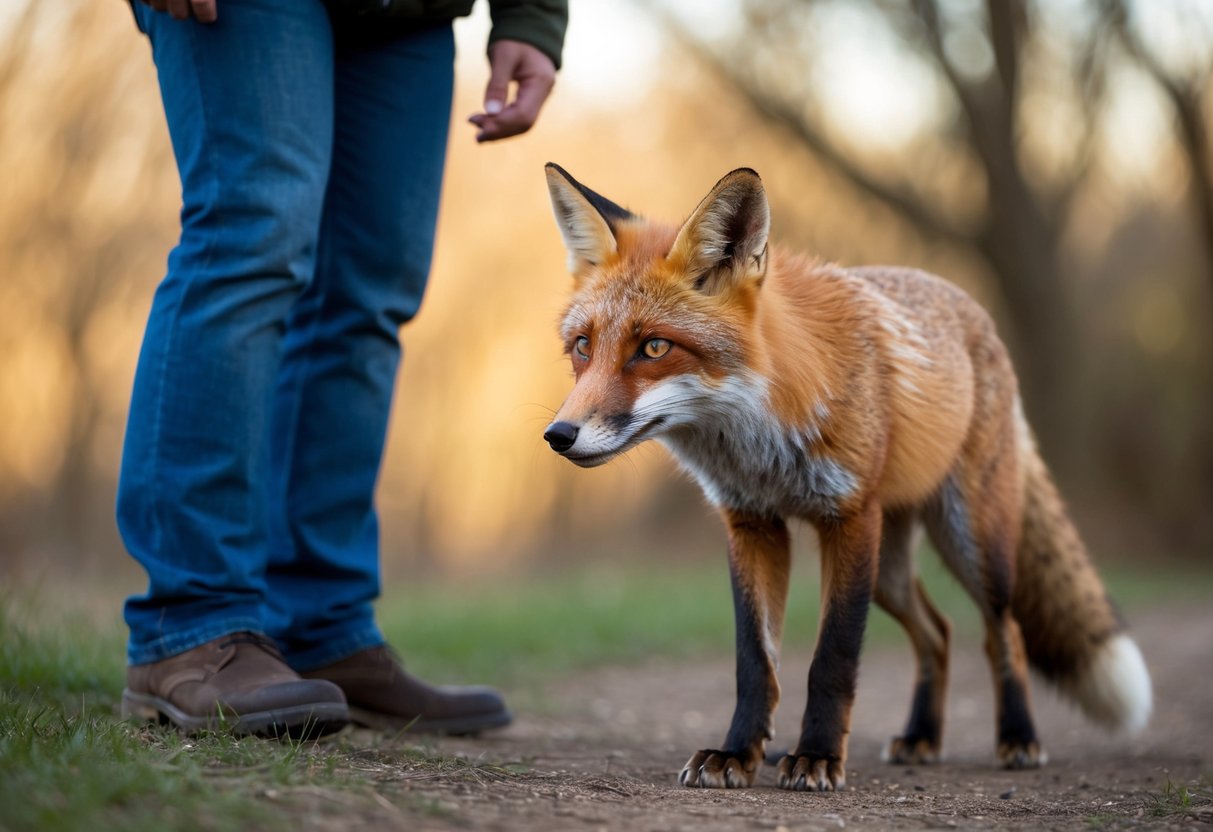
Foxes are fascinating creatures with unique instincts and habits. By knowing about their behavior, you can interact more safely and respectfully. Understanding how they view their world helps in building trust and friendship.
Natural Instincts of Foxes
Foxes are intelligent animals with strong natural instincts. They are primarily nocturnal, which means they are most active at night. However, some foxes have adapted to being out during the day, especially in quieter areas.
When you observe a fox, notice how they watch their surroundings. Their keen senses help them detect predators and find food. They often hunt small mammals, birds, and even insects. Their ability to adapt to different environments shows their survival skills. Understanding these instincts can help you create a more welcoming atmosphere if you wish to befriend a fox.
Common Fox Sounds and What They Mean
Foxes communicate through a variety of sounds. You might hear them making high-pitched yips, barks, or even howls. Each sound has a specific meaning, often related to alerting others or signaling danger.
For instance, a sharp bark can indicate that a fox has spotted something unusual. Yipping can be part of a playful interaction between foxes or a way to call for help. By learning these sounds, you can better understand what a fox is feeling. This knowledge can guide your interactions and help you respect their boundaries.
How Foxes Interact With Humans
Foxes tend to be cautious around humans. In many areas, they rely on their instincts to avoid getting too close. You may notice that they often stare at people from a distance. This is not aggression; rather, it’s their way of assessing the situation.
To encourage a friendly relationship, you can take a more gentle approach. Move slowly and avoid sudden movements. Offering food, such as fruits or vegetables, can help gain a fox’s trust. Maintaining a calm demeanor will make them feel safe and more likely to approach you in time.
The Lifespan and Health of Foxes
The average lifespan of a fox in the wild is about 3 to 5 years, although some can live up to 10 years in protected environments. Their health can be affected by various factors, including habitat, food availability, and diseases.
Foxes can carry diseases such as rabies or mange, which is something you should be aware of when interacting with them. Healthy foxes are usually active and curious. Observing their behavior can provide clues about their health. Always keep a safe distance to avoid potential risks for both you and the fox.
The Intricacies of Wild vs. Domesticated Foxes

Understanding the differences between wild and domesticated foxes is important if you are considering befriending one. These differences can help you appreciate their behaviors and needs more clearly.
Comparing Wild and Urban Foxes
Wild foxes, like the red fox, live in various environments, from forests to rural areas. They are primarily nocturnal and often prefer to keep their distance from humans. Their natural instincts drive them to hunt for food and stay away from danger.
Urban foxes, on the other hand, have adapted to city life. They often foray into neighborhoods searching for scraps and even scavenging in trash bins. In urban areas, they may become more comfortable around people. This behavior can sometimes lead to surprising interactions.
The Process of Domesticating a Fox
The domestication of foxes began in the 1950s in Russia, where scientists selectively bred them for their friendly traits. This breeding focused on foxes that were less fearful of humans. Over generations, these domesticated foxes developed different physical and behavioral traits, such as softer fur and a more playful demeanor.
While domesticated foxes can be friendlier, they still require specialized care. Unlike dogs, their needs and behaviors can be quite challenging for regular pet owners. You should consider your ability to meet those needs if you want a more manageable pet.
Differences Between Red Foxes and Arctic Foxes
Red foxes are common in various habitats and are known for their adaptability. Their reddish fur helps them blend into the landscape. They have a bushy tail and a range of vocalizations, making them fascinating creatures in the wild.
Arctic foxes, in contrast, thrive in cold environments. Their thick, white fur provides insulation and camouflage in snow. They are stockier than red foxes and have shorter legs. They rely on their keen sense of hearing to find prey beneath the snow.
Both types have unique attributes, but they respond differently to their surroundings. Knowing these differences can enhance your understanding if you consider spending time with a fox.
Safe Interactions with Foxes

Knowing how to interact safely with foxes can make your experience with these fascinating animals more enjoyable. Wild foxes are wary of humans, so it’s important to approach them with caution. Here’s how to handle various situations when encountering a fox.
When to Approach or Avoid a Fox
Before approaching a fox, consider its behavior and your surroundings. If a fox seems curious but not aggressive, you might be able to observe it from a safe distance. Stand still and keep quiet to avoid startling it.
Avoid getting too close, especially if the fox shows signs of fear or aggression. Do not attempt to touch a wild fox or try to tame a wild fox, as this can harm both you and the animal. If a fox is with its young or eating, it’s best to give it space.
Feeding Foxes: Pros and Cons
Feeding foxes can seem tempting, but it comes with several considerations. Pros include getting a chance to observe their behavior closely and helping them if you’re in an area where food is scarce.
However, cons outweigh the pros. Feeding wild foxes can make them dependent on humans. It may lead them to approach people more often, which can be dangerous. If you want a furry friend, consider adopting a domesticated fox instead. This way, you can interact with a fox safely without disrupting its natural behaviors.
What to Do If a Fox Approaches You
If a fox approaches you, remain calm and still. Do not run or make sudden movements. Give it time to decide if it wants to investigate further. Often, foxes are simply curious.
If it gets too close for comfort, make yourself appear larger and use a firm voice to scare it away. Clapping your hands or making noise can also help. Never attempt to touch or engage with the fox. Always prioritize your safety and the well-being of the animal. By respecting their space, you can enjoy observing these wild creatures without putting either of you at risk.
Creating a Bond with Foxes

Building a relationship with foxes can be rewarding, whether you are considering adopting one or encountering a wild fox in your area. It’s important to understand their social behavior, the risks involved, and the unique traits that foxes might display.
Is It Possible to Have a Pet Fox?
Yes, you can adopt a domesticated fox, but it’s essential to understand the commitment involved. Fennec foxes are often chosen as pets due to their smaller size and playful nature. They can be friendly and affectionate, given the right conditions. However, owning a pet fox requires proper care, including a suitable environment and diet.
You’ll also need to invest time in training and socialization. This will help ensure that your fox can bond with you and adjust to life in your home. Check local laws too; pet fox ownership can be restricted in some areas.
Understanding the Risks of Befriending Wild Foxes
Befriending a wild fox can be more complicated and carries certain risks. Wild foxes have strong natural instincts and may not be as friendly as domesticated foxes. Approaching a wild fox can lead to defensive behavior, especially if it feels threatened.
Additionally, there’s a risk of disease, such as rabies. Foxes are wild animals and can behave unpredictably. If you leave food out for a wild fox to attract it, ensure that it remains safe and does not become reliant on humans for survival. Respect their boundaries and appreciate them from a distance.
Foxes Leaving Gifts: Fact or Fiction?
You may have heard that foxes leave gifts for those they trust. While this sounds charming, there isn’t strong evidence to support it.
Foxes are known to bring back small items, sometimes as a sign of playfulness or curiosity rather than a gesture of affection.
In nature, foxes will often share food with each other as part of their social interactions. If a fox seems to like you, it might show this through play or by bringing you small objects.
Just remember, their instincts are wild, so it’s crucial to maintain a respectful distance.


