
When you think of animals that resemble a fox, several might come to mind, but not all of them belong to the same family. You may be surprised to learn that some animals have a fox-like appearance but are actually quite different. For example, coyotes look similar to foxes but are larger and belong to the canidae family.
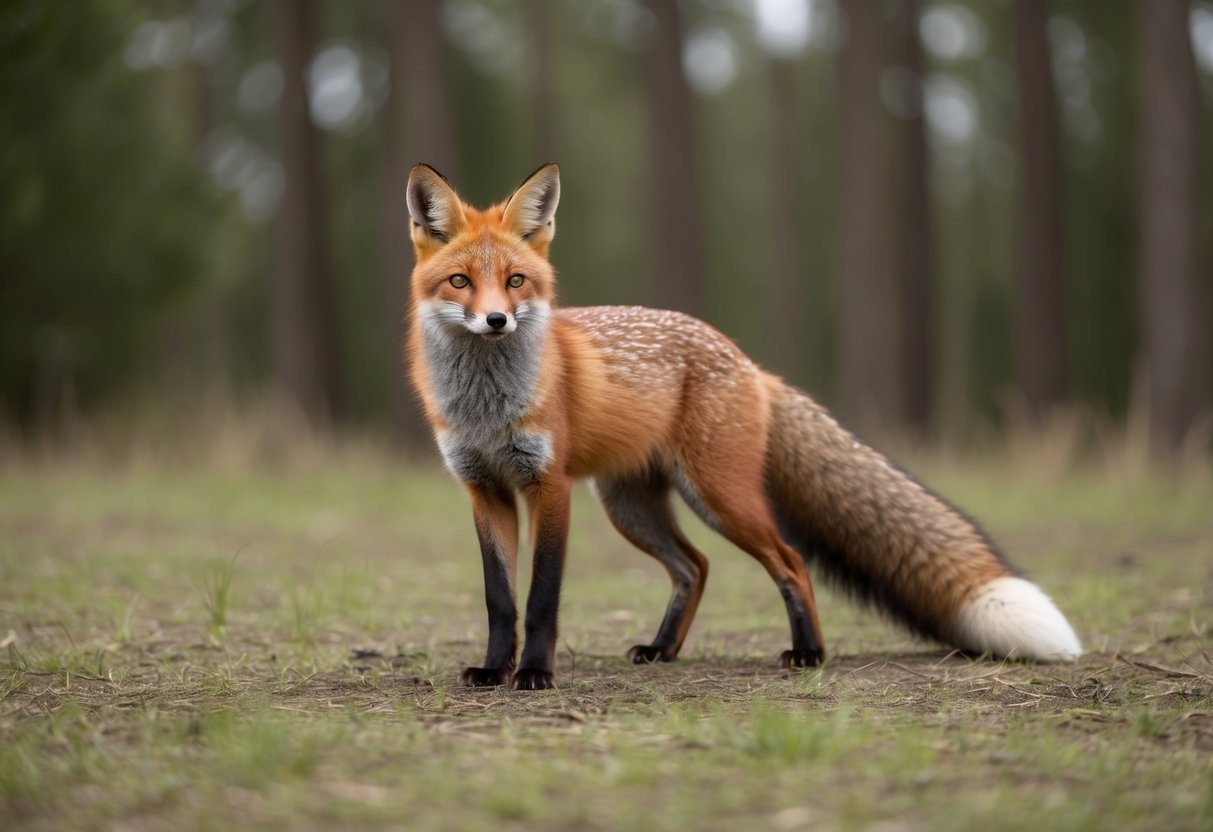
Other mammals, like the Finnish Spitz or the Korean Jindo, also share traits with foxes, including bushy tails and pointed ears. These creatures captivate many with their striking looks and unique characteristics.
By exploring these intriguing animals, you can deepen your appreciation for the diverse members of the canidae family that exist beyond the familiar red fox.
Foxes and Their Look-Alikes
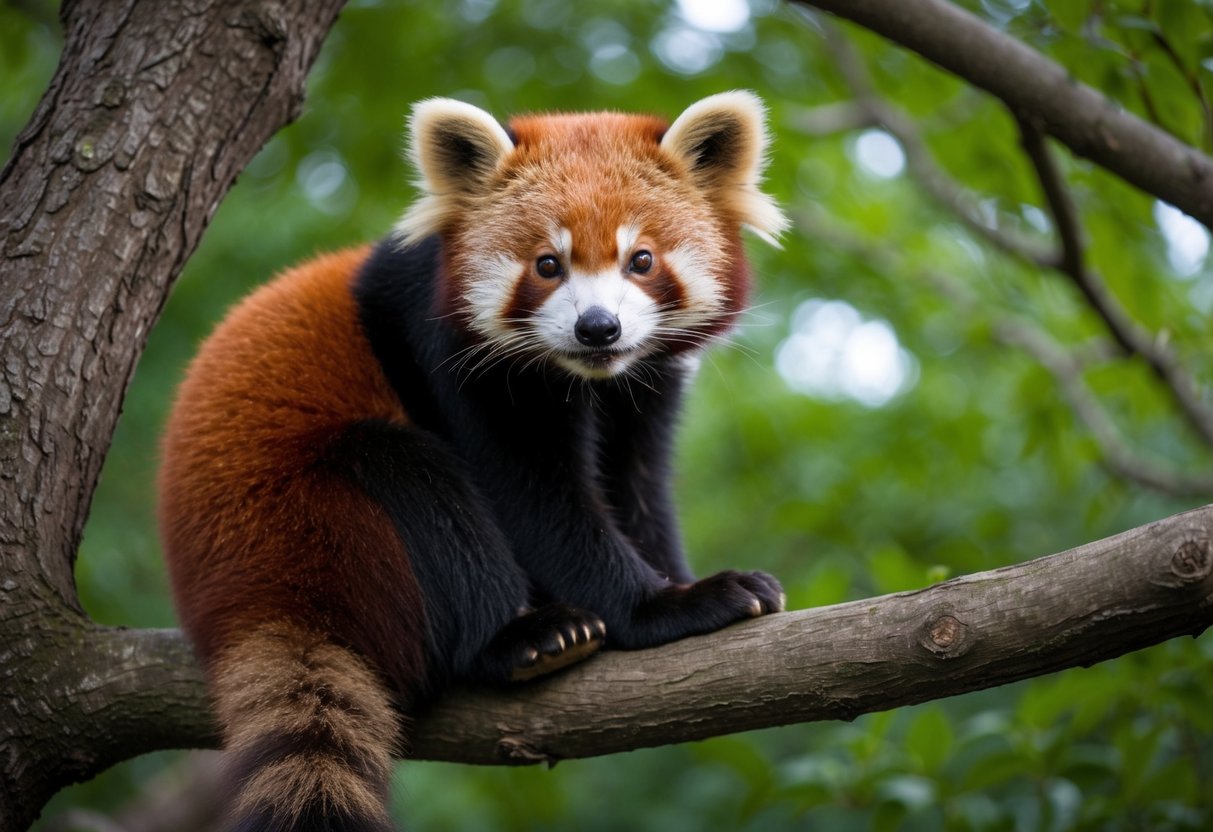
Foxes have distinct features that make them easily recognizable. Yet, several animals share physical traits with foxes, leading to confusion. Let’s explore these similarities and common misidentifications to help you better understand these fascinating creatures.
Physical Similarities to Foxes
Many animals display physical traits similar to foxes. These traits include pointed ears, bushy tails, and long snouts. Some canids, like coyotes and wolves, possess similar characteristics.
- Coyotes: Often mistaken for foxes, coyotes are larger but have erect ears and long tails. Their color can also vary, blending into their surroundings.
- Dholes: This lesser-known canid has a similar body shape but tends to have a more reddish-brown coat. They also have pointed noses and a friendly appearance.
As you observe these animals, focus on their athletic bodies. While they may share traits, the size and specific features can help distinguish them from true foxes.
Common Misidentifications
You may come across several animals that are often confused with foxes. These misidentifications can happen because of similar looks and behaviors.
- Raccoon Dogs: These animals look much like raccoons but have the body shape of a fox. They have a bushy tail and a fox-like face, which can lead to confusion with red foxes.
- Finnish Spitz: This breed has a fox-like appearance with a thick coat and pointed ears. Their resemblance to foxes makes it easy to mistake them at a glance.
When you see an animal that resembles a fox, take a moment to look closely. Observing details such as size, color, and behavior can make all the difference in identifying these fascinating creatures.
Species with Fox-Like Qualities
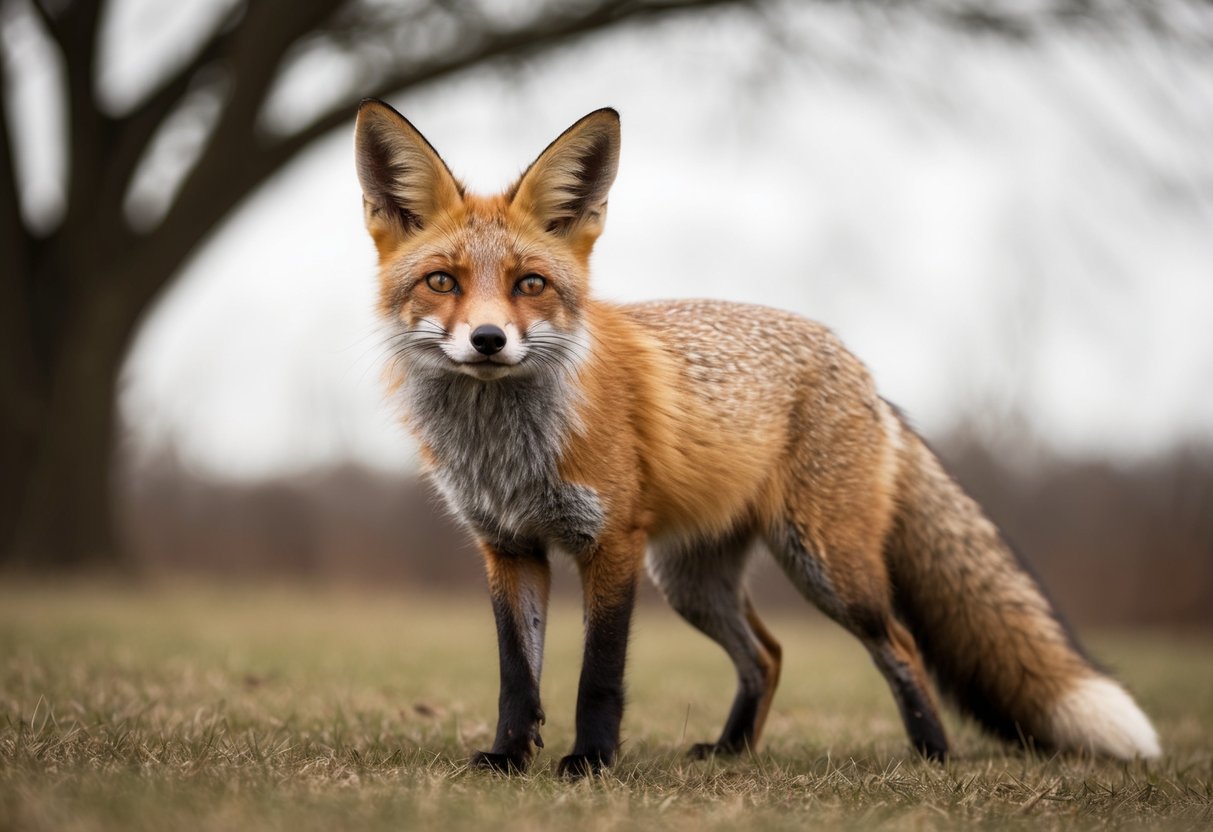
Many animals share physical traits with foxes, often leading to confusion about their identity. Both wild canids and certain domestic dogs showcase similar features that resemble foxes.
Wild Canids
Wild canids like coyotes and jackals are often mistaken for foxes. Coyotes, which are larger than foxes, have a slim build, long snouts, and bushy tails. Their coloration, typically a mix of brown and gray, can sometimes resemble the red fox.
Key Traits:
- Coyotes: Known for their adaptability, they thrive in various environments.
- Jackals: Slightly smaller, jackals have sharp, pointy ears and sleek bodies, making them look similar to foxes at first glance.
Other wild canids, like dholes and wolves, also share fox-like qualities. Dholes have a reddish-brown coat and a swift, agile frame, similar to that of a fox. Wolves are larger but have a comparable shape and bushy tails.
Domestic Dogs with Fox Features
Certain domestic dogs also look like foxes. Breeds such as the Shiba Inu and the Finnish Spitz have striking similarities. Both have fox-like faces, erect ears, and thick fur.
Notable Breeds:
- Shiba Inu: This breed has a curled tail and a compact body, evoking the likeness of a fox.
- Finnish Spitz: Known for its golden-red coat, it has a slender frame and a playful nature.
Other breeds, like the Korean Jindo and Dingoes, also display these traits, making them appear similar to foxes. Each of these breeds adds a unique charm, combining friendly personalities with fox-like appearances.
Behavioral Traits and Habitat
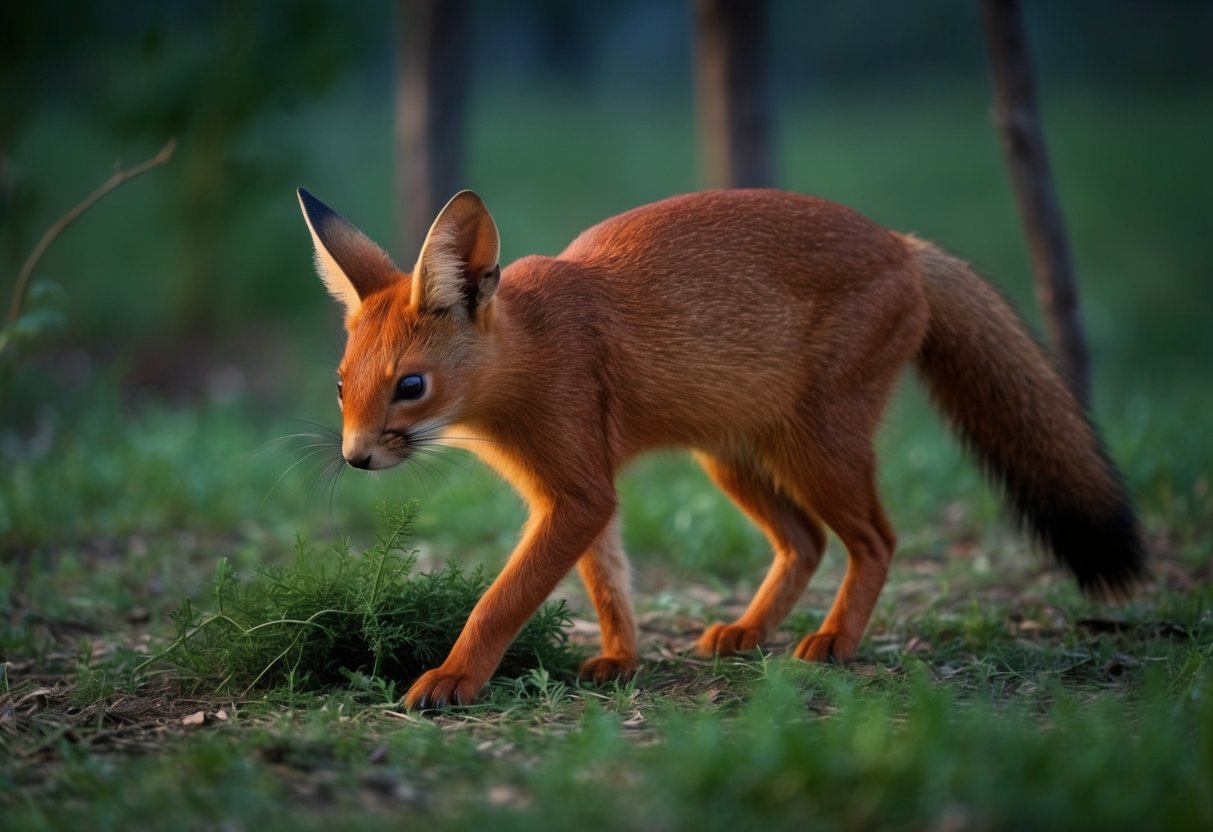
Understanding the behaviors and habitats of animals that resemble foxes helps you appreciate their unique adaptations. Many of these animals share traits that allow them to thrive in various environments, often displaying fascinating social structures.
Wildlife Behavior
Many animals that look like foxes exhibit solitary or social behavior, depending on the species. For instance, Rüppell’s foxes tend to be solitary, hunting alone during the night. In contrast, some canines, like coyotes, often form small packs.
These animals are generally nocturnal, meaning they are most active at night. They have excellent hunting skills, using their keen senses to locate prey. Their diet can include small mammals, birds, and insects. Being territorial, they mark their areas to communicate with others, which helps avoid conflicts over resources.
Adaptation and Survival
Adaptation plays a key role in survival for these creatures. Many of them are excellent hunters, capable of swift movements and stealth. Their fur coloration helps them blend into their habitats, providing effective camouflage.
For example, the Margay cat, found in Central and South America, has evolved to thrive in forest environments. It climbs trees and exhibits remarkable agility to catch prey. This adaptability enables them to survive in diverse habitats, from arid regions to dense forests.
Social structure varies widely. While some species thrive in groups, others prefer solitude, showcasing their diverse strategies for survival in nature.
Conservation and Coexistence
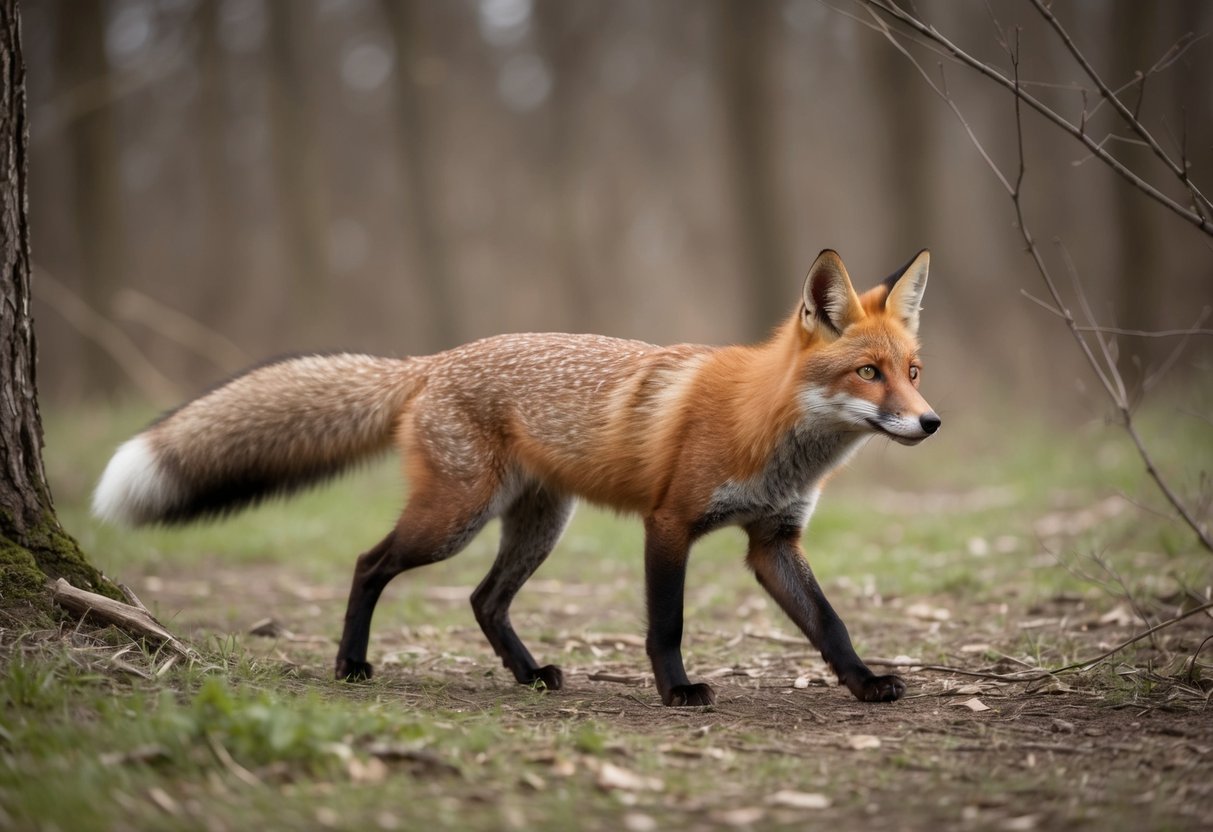
Understanding how to protect wildlife while living alongside them is important. This section covers how you can interact positively with wild animals and the actions needed to protect canid species.
Human-Wildlife Interaction
When you encounter wild animals like foxes or coyotes, it’s essential to respect their space. Avoid approaching or feeding them. This keeps both you and the animals safe.
Tips for Positive Interaction:
- Keep your distance and observe quietly.
- Store trash securely to avoid attracting them.
- Use noise or lights to safely scare them away from your property.
In urban areas, adopting these practices helps foster a balance between your life and the needs of wildlife. By learning more about their behavior, you can reduce conflicts and encourage peaceful coexistence.
Protecting Canid Species
Canids, such as foxes and coyotes, face threats from habitat loss and human activity. You can help protect these animals by supporting local conservation efforts.
Ways to Help:
- Participate in community clean-ups to keep habitats healthy.
- Support wildlife organizations focused on education and preservation.
- Advocate for policies that protect natural spaces.
Promoting awareness about their role in the ecosystem can make a difference. Healthy canid populations contribute to the balance of nature, benefiting everyone, including humans.


