
When considering whether foxes are good or bad for your backyard, the answer can vary depending on your perspective and situation. In many cases, foxes can be beneficial by controlling pests in your yard, but there are some downsides you should keep in mind. These clever animals can help reduce the number of rodents and insects, bringing a more balanced ecosystem to your outdoor space.

However, if you have pets or small animals, having a fox nearby might raise concerns. It’s important to understand their behavior and habits to determine how they might impact your home life.
As you explore this topic, you’ll discover the pros and cons that come with sharing your space with these intriguing creatures.
Understanding Foxes as a Species

Foxes are fascinating creatures with a variety of species and unique traits. They adapt well to different environments and have distinct characteristics that set them apart.
Types of Foxes
There are several types of foxes, each with its own traits. The most common is the red fox. Known for its striking red fur, it can be found across North America, Europe, and Asia.
The gray fox is another species. It has a more subdued coloration and is unique for its ability to climb trees. The fennec fox, native to the deserts of North Africa, is the smallest of all foxes and has large ears that help with temperature regulation.
Finally, the arctic fox is adapted to cold climates. It has a thick coat that changes color with the seasons, providing excellent camouflage in snowy environments.
Physical Traits and Habitats
Foxes generally share similar physical traits. They have elongated snouts, bushy tails, and pointed ears. These features help them hunt and communicate effectively.
Foxes are versatile in habitat. They thrive in forests, grasslands, mountains, and deserts. The red fox often lives in woodlands, while the fennec fox prefers sandy areas.
The arctic fox is found in tundra regions and has a thick fur coat to withstand frigid temperatures. Gray foxes inhabit more varied environments, from urban areas to rural farmlands.
The diverse habitats and physical traits of foxes highlight their adaptability and resilience as a species.
Fox Behavior and Social Structure

Foxes have unique behaviors and a flexible social structure that help them thrive in different environments. Understanding how they interact socially, breed, and adapt to urban areas can give you insight into their fascinating lives.
Solitary Nature
Foxes are generally solitary animals. They hunt alone and prefer to forage by themselves. This natural independence helps them find food and avoid competition.
Although they live mostly alone, foxes can show social behavior during the breeding season. They form pairs and sometimes stay together to raise their young. You might notice their vocalizations, like yips and barks, especially during this time.
Reproduction and Rearing of Fox Pups
When foxes reproduce, they usually have a litter of about three to six pups. The female prepares a den, which can be a dug-out burrow or a sheltered area. This den is crucial for the safety of the pups.
Both parents are involved in caring for the young. They bring food to the den and teach the pups vital survival skills. The pups start to emerge from the den at around three weeks old, becoming curious and playful as they grow.
Adaptation to Urban Environments
Foxes are quite adaptable and have increasingly moved into urban areas. This change is primarily due to their ability to find food and shelter in towns and cities.
In urban settings, foxes modify their behavior to avoid humans. They tend to be more active during twilight and nighttime, which helps them stay out of sight. This adaptability showcases their resilience and cleverness in navigating human-dominated landscapes.
Foxes in Human Culture and Conservation

Foxes have long held a significant place in human culture and conservation efforts. Their cleverness and adaptability to various environments make them fascinating subjects in both folklore and modern wildlife preservation.
Foxes in Folklore and Mythology
In many cultures, foxes are symbols of cunning and cleverness. You might find them featured in fables, where they often outsmart other animals.
For example, Aesop’s Fables includes the tale of the fox and the grapes, teaching lessons about desire and perception.
In Japanese folklore, the fox, or “kitsune,” is considered a magical creature that can shape-shift and possess great wisdom. These stories shape how you see foxes as not just wild animals, but also as culturally significant figures with deep-rooted meaning.
Foxes appear in numerous myths worldwide, showcasing their complex nature and importance in human storytelling.
Wildlife Conservation Efforts
Conservation efforts focusing on foxes help balance ecosystems. You might notice that foxes play a crucial role as predators by controlling populations of rodents and pests. This balance is essential for maintaining healthy environments.
Organizations and wildlife groups engage in studies to monitor fox populations. Understanding their habits helps formulate effective conservation strategies.
Programs often include habitat protection and measures to mitigate human-wildlife conflicts.
Community education is vital in such efforts. By raising awareness about the ecological role of foxes, you can support initiatives that ensure their survival while promoting harmony with local wildlife.
Domestication and Foxes as Pets
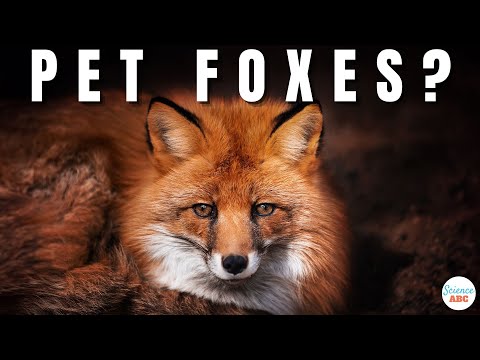
When considering foxes as pets, it’s essential to explore their history of domestication and the unique challenges that come with keeping them. Understanding these factors can help you make an informed decision about whether a fox is the right pet for you.
History of Fox Domestication
The journey of fox domestication began in Siberia during the 1950s. Dmitry Belyaev led an experiment focusing on selective breeding to produce tame foxes.
Over generations, researchers bred foxes that displayed friendly behaviors toward humans. These domesticated foxes developed traits that differ from their wild counterparts, such as specific fur patterns, curled tails, and even changes in their genetics.
This long-term study showcased how intentional breeding can alter an animal’s behavior and appearance, making some foxes more suitable as pets.
Challenges and Considerations for Keeping a Pet Fox
While the idea of having a pet fox sounds appealing, it comes with challenges.
First, foxes, especially fennec foxes, require a lot of space to roam and explore. They are very energetic and can easily become bored, leading to destructive behaviors.
You must also consider their natural instincts and habits.
Foxes are curious and may dig, chew, and escape if not properly contained. Additionally, they are not fully domesticated like dogs, meaning their behavior can be unpredictable.
Before getting a pet fox, you should research local laws, as they are considered exotic pets in many places. You should be prepared for a significant commitment and understand their needs fully.


