
When you encounter a fox, it can be exciting and a bit mysterious. Many people wonder about their behavior and whether these wild animals can form connections with humans.
You can typically tell if a fox likes you by observing its body language. Signs like a wagging tail, relaxed posture, or even curiosity in their gaze indicate a friendly attitude.
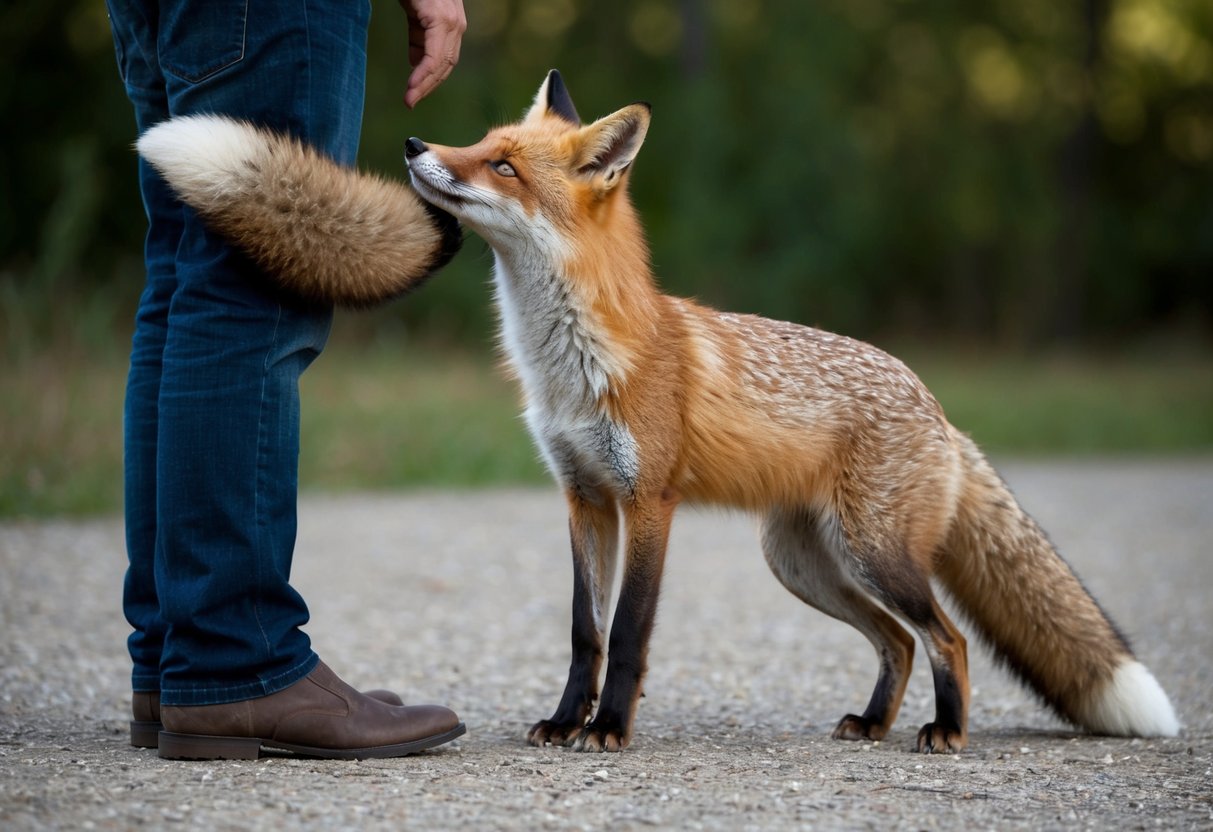
Foxes are known to be timid creatures, often avoiding human interaction. However, tame foxes or those that have grown used to humans may show a different side. They can exhibit behaviors that suggest they feel safe and comfortable around you.
Understanding these signs can help deepen your appreciation for these fascinating animals.
Whether you spot a fox in your backyard or encounter one while hiking, knowing how to read their behavior enhances your experience.
Stay tuned to learn more about what different fox behaviors mean and how they interact with us as humans.
Recognizing Friendly Fox Behavior

Understanding if a fox likes you involves observing their behavior closely. Look for signs of curiosity, affection, and specific vocalizations and body language. Each of these can help you gauge how comfortable a fox feels in your presence.
Curiosity in Fox Encounters
When a fox is curious about you, it may approach slowly while keeping its head low. This is a sign of interest, not aggression.
A red fox might tilt its head or perk up its ears, showing that it’s paying attention to you.
You may even notice it pausing frequently, as if assessing your movements. If it lies down or rolls on its back, these behaviors indicate comfort and trust. Curiosity can also lead to playful actions, such as darting away and returning.
These moments are often great opportunities to observe wildlife up close. Always respect the fox’s space and remember that wild foxes can be unpredictable.
Signs of Affection from Foxes
Foxes show affection mainly to their kits, but domesticated foxes may express it to humans too. Signs of affection include gentle nuzzling or cuddling.
If a fox approaches and rubs its face against you, it may see you as a friend.
Another behavior to watch for is the wagging of its tail. In friendly foxes, a wagging tail indicates happiness or excitement. A horizontal tail with a slight raise shows contentment.
It’s important to remember that while foxes may show affection, it’s rare to see a wild fox being friendly towards humans unless they have been raised around them.
Vocalizations and Body Language
Foxes communicate through various vocalizations and body language.
Friendly arousal is often signaled by a series of barks or chirps. The tone is usually bright and soft, unlike the more aggressive sounds they might make.
In terms of body language, a fox that feels friendly may lower its body and keep its tail relaxed. They also tend to avoid direct eye contact, which can be a sign of trust.
You might see them approach with a wiggling body, suggesting excitement. These vocalizations and movements help convey their mood. Pay attention to these cues, as they offer clear indications of how a fox feels about your presence.
Understanding Fox Interactions

Creating a positive experience with foxes involves understanding how to interact with them safely and respectfully. This section will help you create a welcoming space for these curious animals while observing their behavior without causing stress.
Creating a Safe Environment
To attract foxes, ensure your yard is inviting. Provide shelter options like logs or brush piles.
You can also set up a fox den by leaving undisturbed areas where they can rest.
Use natural landscaping, avoiding chemical pesticides or fertilizers. Foxes appreciate a variety of plants, and this can also attract their prey.
It’s important to create a safe space for these urban foxes, allowing them to feel secure in their territory.
Observing Without Intrusion
Respect the boundaries of foxes. When observing them, maintain a safe distance.
You might catch sight of a silver fox or a red fox. Watch their body language; a relaxed fox might wag its tail softly, while a stiff posture could indicate discomfort.
Avoid loud noises or sudden movements, as this can frighten them. Consider using binoculars or a camera with a zoom lens to watch from afar. This way, you can enjoy their behavior without causing any stress.
Fostering a Positive Relationship
Building trust takes time. Start by allowing foxes to become familiar with your presence.
You can gently engage them by offering food like dog kibble in a designated spot. Be consistent, as routine helps them feel safe.
Keep in mind that each fox has a unique personality. Some might take longer to warm up than others. You may find that curious animals will approach you more readily if they feel safe.
By creating a welcoming environment and respecting their space, foxes may come to appreciate your presence.
Fox Socialization

Foxes have unique social behaviors that vary between wild and domesticated species. Understanding the differences can help you appreciate their nature and decide whether they might fit into your lifestyle.
The Journey of Fox Domestication
The domestication of foxes began in Russia in the 1950s. Scientists wanted to see if they could breed wild red foxes to be more friendly towards humans.
They worked with fox cubs, selecting the most social individuals over generations. This process led to the creation of the Russian domesticated fox, known for its playful and affectionate nature.
These domesticated foxes show significant differences from their wild counterparts. They exhibit less fear of humans and are more eager to interact. Such behaviors can be seen as early signs of a friendly disposition.
Differences Between Wild and Tame Foxes
Wild foxes, such as red foxes, are generally solitary and territorial. They mark their territory with urine and show caution around humans.
Unlike wild foxes, tame foxes tend to seek human attention and can display affection, particularly when raised in a loving environment.
In a social setting, wild foxes form small family groups mainly for raising their cubs. Their interactions are limited compared to tame foxes. Tame foxes may form bonds with their owners, mimicking dog-like behavior, which is rare for wild foxes.
Do Foxes Make Good Pets?
Foxes can be challenging pets due to their wild instincts. Some foxes form strong bonds with humans, but they still have natural behaviors like digging and marking territory.
Baby foxes may seem adorable, but be prepared for their mischievous nature as they grow. Many pet owners report that playful antics and curious behavior can be demanding.
Unlike dogs, foxes require special care and a suitable environment to thrive. Before deciding to adopt a fox, research their needs and behaviors thoroughly.
Consider factors like space, socialization, and proper diet, which are vital for their well-being.


