
Foxes may seem cute and clever, but they can cause significant problems in both rural and urban areas. These animals can threaten local wildlife, damage gardens, and even pose risks to pets. Understanding the challenges they bring is important for anyone living in areas where these clever creatures roam.

You might notice them rummaging through your trash or digging up your garden. Their ability to adapt to human environments can lead to conflicts that affect your property and the safety of local animals.
When foxes invade, they can disrupt ecosystems and outcompete smaller mammals, leading to a chain reaction that impacts various species.
As you read on, you’ll discover the reasons behind the issues foxes create and what actions you can take to manage their presence. Knowing the facts can help you appreciate their role in nature while also protecting your home and the local wildlife.
Understanding Fox Behavior and Ecology
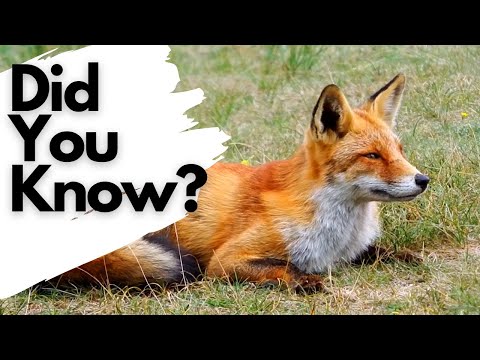
Understanding fox behavior helps you see how these animals adapt to their environments and the challenges they face. Their diet and habitat choices are key to their survival, especially in urban areas.
Fox Diet and Hunting Patterns
Foxes, particularly red foxes, have a varied diet. They are opportunistic hunters and often eat small mammals like rabbits and rodents. Birds, fruits, and even insects also make up a good part of their meals.
Their hunting happens mostly at dusk and dawn, known as crepuscular behavior. This allows them to avoid predators and find food effectively.
In urban areas, foxes have adapted their hunting patterns. They search through gardens and parks, taking advantage of human food sources. This adaptability can increase predation pressure on local wildlife, causing concerns for biodiversity.
Habitat Preference and Adaptation
Foxes thrive in various habitats, from forests to fields. They have shown a remarkable ability to adapt to urban areas, where they can find food and shelter.
Urban settings provide both challenges and advantages for foxes. They may encounter vehicles and humans, but these areas also offer easy access to food.
Climate change adds another layer to their adaptation. As their natural habitats change, foxes adjust their range and behaviors to survive. They are resilient animals, demonstrating their ability to live alongside humans while still fulfilling their role in the ecosystem.
Foxes and Human Encounters

Foxes can sometimes cause issues, especially when they come into contact with humans. Learning about their potential threats can help you take the right steps to protect your property and the animals you care about.
Livestock and Poultry Threats
If you have livestock or poultry, foxes can pose a real danger. They are opportunistic hunters and may target smaller animals like chickens, ducks, or rabbits. A single fox can quickly take out multiple birds in one night.
To safeguard your animals, consider using sturdy fencing. It’s also wise to keep coops secured at night. Using motion-activated lights or sound devices can deter foxes from approaching.
Lastly, ensure that any leftover food scraps are cleaned up. Leaving food out can attract foxes, increasing the chances of encounters with your animals.
Foxes in Urban Environments
Foxes have become more common in urban areas. They often scavenge for food in garbage bins or around restaurants. While they generally avoid humans, they can become bold if they associate people with food.
In city settings, be cautious if you see a fox. If a fox approaches you closely, remain calm and slowly back away. Avoid feeding them, as this can lead to dangerous situations where they lose their natural fear of humans.
To keep foxes away, secure your trash and don’t leave pet food outside. Educating your neighbors about foxes can also help keep your community safe.
Disease Concerns Related to Foxes
Foxes can carry diseases that may pose risks to both pets and humans. Rabies is a serious concern, though cases in the U.S. are rare. If bitten by a fox, seeking medical attention is crucial.
They can also suffer from mange, caused by mites that irritate their skin. This condition can make foxes appear sickly, and while it’s not directly contagious to humans, pets might be at risk.
Keeping your pets updated on vaccinations can help protect them from diseases that foxes may carry. Always be alert and avoid approaching any wild animal, including foxes.
Conservation and Wildlife Management Efforts

Conservation and wildlife management are essential to protect native animals and maintain biodiversity. These efforts target the impact foxes have on ecosystems and involve various strategies to manage their populations while supporting threatened species.
Impact on Native Wildlife and Biodiversity
Foxes can pose significant threats to native wildlife. They often prey on smaller animals and can disrupt local ecosystems. Native species, particularly those that are endangered, face greater risk from invasive fox populations. This predation can lead to declining numbers of these native animals, making it hard for them to survive.
For instance, the Sierra Nevada red fox is considered a candidate for the endangered species list due to pressures from competition and predation. Conservation efforts are crucial to monitor these impacts and help recover these vulnerable populations, ensuring a balanced ecosystem for all species.
Control and Management Strategies
To manage fox populations and protect native wildlife, several strategies are employed. Wildlife management includes monitoring fox numbers through surveys and research. This data helps understand the impact of foxes on ecosystems.
Control methods such as poison baiting are sometimes used to reduce fox populations. In addition, fencing can protect areas where sensitive species live.
Collaborating with local communities can enhance these efforts, ensuring all voices contribute to effective solutions. Moreover, incorporating natural predators like dingoes into management strategies can help control fox populations. This multi-faceted approach aims to maintain biodiversity and support the survival of native species in their habitats.
Challenges Posed by Growing Fox Populations

Growing fox populations can create several challenges, particularly when it comes to competition with native mammals and the impacts of climate fluctuations. Understanding these issues can help you appreciate the complexities of managing fox populations effectively.
Competition with Native Mammals
As fox populations increase, they compete with native mammals for food and habitat. In areas like Tasmania and Australia, red foxes often target small animals such as hares and the European rabbit. This pressure can lead to declines in these native species, which are already facing challenges from habitat loss and other factors.
Native mammals might struggle to adapt to the presence of foxes. In some cases, this competition can contribute to local extinctions, particularly among vulnerable species that lack defenses against such effective predators. When foxes invade new areas, they disrupt the balance of local ecosystems, making it harder for native animals to thrive.
Effects of Climate Fluctuations
Climate fluctuations can affect fox populations in unexpected ways. Changes in temperature and precipitation patterns can alter the availability of food sources. This can make foxes more reliant on preying on local fauna, which intensifies competition with native species.
Moreover, as environments change, foxes may expand their range into new territories, further increasing competition. In regions like Melbourne, where habitat loss already places stress on native mammals, this expansion poses a severe risk.
You might notice how warmer temperatures influence fox behavior, allowing them to thrive where they previously struggled. This adaptability can complicate conservation efforts for endangered native mammals threatened by habitat loss and increased competition.


