
When you hear a fox barking at your cat, it might catch you off guard. You may wonder what’s going on and why this wild animal seems so interested in your pet. Foxes, especially urban ones, often bark as a form of vocalization to communicate with other foxes or to establish territory.

Red foxes are known for their distinctive barks, which can range from short, sharp sounds to longer, raspy calls. These vocalizations often serve as warning signals to other foxes in the area.
If your cat is nearby, the fox might simply be alerting you and your pet that it’s claiming its space or trying to ward off any perceived threat.
It’s important to remember that foxes typically do not see cats as prey. They usually prefer to avoid confrontation, and most encounters are just curious interactions. Understanding the reasons behind this barking can help ease your concerns and ensure both your cat’s safety and the fox’s well-being.
Understanding Fox Behavior and Vocalizations

Foxes are intriguing animals with a variety of vocalizations that help them communicate with one another. These sounds can range from barks to growls, and each serves a specific purpose. Understanding their communication can provide insight into why a fox might bark at your cat.
An Overview of Fox Communication
Foxes, belonging to the canidae family, are known for their diverse sounds. They make multiple types of noises, including barks, whines, and howls. Each sound carries different meanings.
For example, foxes will often bark when trying to communicate their presence to other animals or alert others to potential danger.
Additionally, when fox cubs play, they make playful yips and growls that are softer than adult vocalizations. Their ability to express themselves through sound is essential for their social interactions, territory marking, and mating rituals.
Why Foxes Bark: Reasons Behind the Sounds
Barking is one of the most common sounds you may hear from a fox. They bark to signal location, warn others of a threat, or attract attention during mating season.
You might recognize the sharp, explosive nature of a fox’s bark. It is shorter and distinct compared to the barks of domestic dogs.
During the mating season, foxes are particularly vocal, using a mix of barking and howling to communicate with potential mates or rivals. In addition, behavioral cues, like growling or whining, often accompany barking to indicate mood or urgency.
Differences Between Red Fox and Gray Fox Vocalizations
Red foxes and gray foxes have different vocalizations that help distinguish between the two species. While both produce a variety of sounds, the red fox tends to have a sharper bark and a distinctive high-pitched howl. This high-pitched sound can be startling, especially at night.
In contrast, gray foxes might use a mixture of growls and cough-like sounds, which can sound softer and less aggressive. Gray fox vocalizations are generally more subdued, making them less noticeable. These differences are essential for identifying the species and understanding their behavior in your environment.
Foxes and Cats: Interactions and Safety
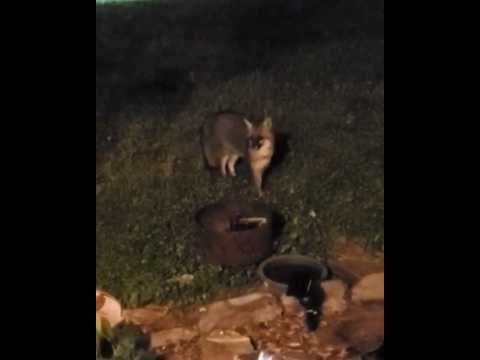
When you see a fox barking at your cat, it’s often a mix of curiosity and communication. Understanding how foxes and cats behave around each other can help keep your furry friend safe at home or outdoors. This section covers typical behaviors, the predatory dynamics between species, and precautionary measures you can take.
Typical Behaviors of Foxes Around Cats
Foxes are known for their playful and curious nature. When you notice a fox barking at your cat, it may simply be trying to engage or establish territory. Often, these interactions can seem aggressive but might not be life-threatening.
Foxes may also approach cats out of curiosity. They might wag their tails or make playful barks, which can confuse your pet. In rare cases, a fox may feel threatened by a cat and act defensively.
Remember that foxes are opportunistic hunters. They mainly hunt small mammals like mice or rabbits. While cats are usually not on the menu, encounters can lead to problems, especially if a fox feels cornered or threatened.
Canine vs Feline: Understanding the Predatory Dynamics
Understanding the predator-prey relationship between foxes and cats can clarify these interactions. Adult cats are similar in size to foxes, making them less likely to be seen as prey. Instead, they might view each other as competitors.
Foxes primarily seek smaller animals for food but their behavior can change. If a fox is particularly hungry or feels its den is threatened, it might act aggressively towards larger animals.
Keep in mind, many reports of fox attacks on cats are linked to circumstances where the cat feels trapped or vulnerable.
When you see your cat and a fox in close proximity, ensure that your cat has an escape route. This can help prevent stress and potential confrontations.
Precautionary Measures to Protect Cats from Foxes
To keep your cat safe from fox interactions, consider a few practical measures.
First, you can create a secure outdoor space, like a cat enclosure. This keeps your cat safe while allowing them fresh air and sunshine.
Be aware of your cat’s behavior during dusk and dawn, as these are peak activity times for foxes. If you live near a fox den, you should supervise your cat closely when outside.
Additionally, using scent deterrents can help. Foxes have sensitive noses. Strong scents like vinegar or citrus may discourage them from approaching your yard.
Creating Harmonious Urban and Natural Spaces

Creating a balance between urban life and wildlife can enhance your community and help you feel more connected to nature. Strategies can allow you to enjoy your outdoor space while ensuring the safety of both your pets and local foxes.
Living with Urban Foxes: Coexistence Strategies
Urban foxes, especially red foxes, are more common in cities than you might think. Their playful nature and curious habits can sometimes lead to interactions with your pets, like cats.
To coexist peacefully, consider:
- Secure Your Trash: Foxes are scavengers. Using tightly closed bins can help reduce unwanted visitors.
- Limit Food Sources: Avoid feeding your pets outdoors to deter foxes.
- Landscape Wisely: Planting less attractive shrubs and avoiding food crops can dissuade foxes from frequenting your yard.
- Build a Fox Den: If you have the space, creating a designated area for urban foxes can offer them shelter while keeping them away from your home.
By taking these steps, you can enjoy the beauty of urban wildlife without creating conflicts.
Designing Safe and Appealing Outdoor Spaces
Your outdoor space can be a sanctuary for you and local wildlife, including friendly urban foxes. Designing an inviting area means you should consider the needs of your pets while also accommodating nature.
Here are a few ideas to create a safe environment:
- Pet Barriers: You can install fences or hedges to keep your cat away from areas where foxes may roam.
- Plant Native Species: These plants support local wildlife and attract beneficial insects. They also provide natural beauty.
- Water Features: Adding ponds or bird baths can create habitats for various species, enriching your outdoor space.
- Provide Hiding Spots: Place bushes or low-growing plants that create shelter for foxes. Meanwhile, you can keep your cat safe in higher spaces.
These designs will help you create a harmonious outdoor setting that respects both your feline friend and the local wildlife.


