
If you’ve noticed foxes roaming in your garden, you’re not alone. Many homeowners encounter these curious creatures, which can sometimes be a nuisance.
To effectively deal with foxes in your garden, you can use strategies like securing food sources, implementing physical barriers, and using scent deterrents.

Foxes are part of the wildlife around us, and while they can be interesting to observe, they might dig up your plants or scavenge for food. Understanding their behavior helps you take the right steps to keep them at bay.
Simple actions like cleaning up fallen fruits or ensuring trash bins are secure can make a significant difference.
Creating a wildlife-friendly garden doesn’t mean you have to invite foxes to hang around. There are easy methods to create a balance where you can enjoy the beauty of nature without the worry of unwanted visitors. With the right techniques, you can maintain a peaceful and pleasant garden space.
Understanding Fox Behavior
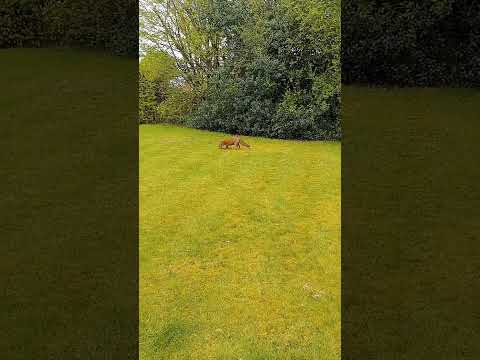
To manage foxes in your garden, it’s helpful to understand their habits and lifestyle. This knowledge can help you create an environment that discourages their presence while ensuring they can thrive in their natural habitat.
Natural Habitat and Territory
Foxes are adaptable creatures found in both rural and urban areas. They typically build their dens in secluded spots, like under bushes or in wooded areas. A fox den is often where a fox family raises their cubs.
Foxes have a defined territory they patrol, which can vary in size depending on their food supply. They usually mark their territory with scents. If your garden is near their habitat, they might wander in, especially if they sense food sources.
Feeding Habits
As omnivores, foxes have a varied diet that includes fruits, insects, small mammals, and human food scraps. They hunt primarily at dawn and dusk, scouring for easy meals. Leftover pet food, garden fruits, or trash can attract them.
To deter foxes, keep your garden clean. Remove food debris and store trash in secure bins. This reduces food sources that draw them in.
If you have pets, don’t leave their food outside. Keeping your garden tidy helps discourage fox visits while allowing you to appreciate the wildlife around you.
Effective Deterrence Strategies

Keeping foxes out of your garden requires a mix of tactics. From smells that deter them to physical barriers, the right strategies can help you maintain a safe outdoor space.
Using Repellents and Deterrents
Repellents can effectively keep foxes away. You can use natural options like garlic and chili peppers. These strong scents are unpleasant to foxes and can deter them from entering your garden.
There are also various commercial fox repellents available. These often contain smells that foxes find offensive. Apply them around the perimeter of your garden for the best results.
Consider using motion-activated devices as well. For instance, a motion-activated sprinkler can surprise foxes and encourage them to leave. These methods can help ensure your garden stays safe.
Physical Barriers and Fencing
Installing fencing is one of the most effective ways to keep foxes out. A fence should be at least six feet high and made from sturdy materials. You might also dig it a foot into the ground to prevent foxes from digging underneath.
Using a combination of smooth surfaces can be beneficial. Sloped tops can prevent them from easily climbing. Ensure any gates are secured properly as well.
Consider adding motion sensors to your garden. These can trigger lights or sounds when a fox approaches. Such installations add a layer of protection without being overly complicated or expensive.
Altering the Garden Environment
Changing your garden environment can deter foxes. Start by removing food sources that may attract them. Always clean up leftovers from outdoor meals and secure your compost heap tightly.
You should also trim overgrown bushes. This reduces hiding spots where foxes may feel safe.
Keeping your garden tidy and open makes it less inviting.
Lastly, planting certain herbs like lavender can help. The smells can be off-putting to foxes while adding beauty to your space. Creating an unwelcoming atmosphere for them can be very effective.
Daily Practices to Discourage Fox Intrusion

Taking simple daily steps can help keep foxes away from your garden. By managing food sources, keeping your space clean, and monitoring your pets, you can create an environment that is less inviting to these curious animals.
Securing Food Sources
To prevent foxes from visiting, always secure food sources. Keep garbage cans tightly closed with strong lids. Consider using cans made from sturdy materials like metal to avoid easy access.
Don’t forget to manage pet food. If you feed your pets outdoors, take their food inside after they finish eating. Foxes can smell food from quite a distance, so even small amounts can attract them.
Bird feeders can also attract foxes, especially if they drop seeds. Use feeders that minimize waste and clean up fallen seeds regularly.
Maintaining Cleanliness
Maintaining cleanliness in your garden is vital. Regularly clean up any fallen fruit from fruit trees. These fruits can be tempting snacks for foxes.
Keep your yard tidy by removing debris and piles of leaves. Such areas can provide shelter for not just foxes, but also their prey, like rabbits and hedgehogs.
After any outdoor activities, ensure you pick up any leftover food or snacks. This will help minimize any enticing scents that might lead a fox to your yard.
Monitoring Interaction with Domestic Animals
Your pets can attract foxes if not monitored closely. If you have chickens or rabbits, make sure they are housed securely in a coop or hutch that is fox-proof.
When letting your dogs or cats outside, try to supervise them. If a fox senses your pets, it might come looking for them.
If you live in an area where foxes roam, teaching your pets to come indoors when called can also help. This ensures they stay safe while keeping foxes at bay.
Humanely Handling Fox Presence

If you find foxes in your garden, there are humane ways to manage their presence. You can use trapping and relocation methods, or focus on coexistence strategies. Here are some important details to consider.
Trapping and Relocation
Trapping foxes should always be done humanely and legally. Use a live trap designed for safe capture.
Place the trap in an area where you have seen the fox frequently. Bait it with food such as chicken or cat food to increase your chances of capture.
Once trapped, contact local wildlife control or authorities for safe relocation guidance. It’s important not to release foxes in unfamiliar areas, as it can harm their chances of survival.
Remember, trapping should be a last resort when other deterrents fail.
Coexistence Tips
Encouraging foxes to stay away from your garden can be done with some simple practices.
First, keep your garden tidy. Do not leave out pet food or fallen fruit that can attract them.
You can also make loud noises or use noises from predator calls to discourage foxes.
Motion-activated sprinklers or lights can startle them and make your garden less inviting.
Furthermore, consider installing fencing that is buried deep to prevent digging.
Using these humane methods allows you to maintain peace with local wildlife while keeping your garden safe.


