
When your furry friend is about to become a mom, the term used for this special time is canine pregnancy. It encompasses the entire journey from when a female dog becomes pregnant until she brings her puppies into the world. Knowing what canine pregnancy involves can help you take better care of your pregnant dog.

During this exciting period, you may notice changes in your dog’s behavior and health. A pregnant dog will go through various stages, and understanding these stages can prepare you for the arrival of adorable puppies. By learning about dog pregnancy, you can ensure your pet gets the right care and support throughout this important time.
Understanding Dog Reproduction

Dog reproduction involves several key stages that are important for both pet owners and breeders to understand. Knowing about the heat cycle and the mating process will help you better care for your dog during these times.
The Heat Cycle
The heat cycle, also known as the estrous cycle, has four stages: proestrus, estrus, diestrus, and anestrus. This cycle usually occurs every six to eight months in female dogs, although it can vary by breed.
-
Proestrus: This is the beginning of the cycle. You might notice swelling of the vulva and increased urination. The female may attract males but won’t yet mate.
-
Estrus: This is the stage when your dog is fertile and can conceive. It lasts about 5 to 14 days. You will see behaviors like tail wagging and increased interest from male dogs.
-
Diestrus: After estrus, this stage lasts around 60 days, whether or not the dog is pregnant. If she is pregnant, this is when the fertilized eggs develop.
-
Anestrus: This is the resting phase between cycles, lasting several months. During this time, hormone levels are low, and your dog is not in heat.
The Mating Process
Mating occurs during the estrus stage when your dog is ready to conceive. A successful mating process depends on the timing of ovulation.
First, monitor your dog’s behavior. Signs of readiness include a willingness to mate and changes in her body, such as a softer vulva. You may want to consult with a veterinarian for the best timing.
When the male dog mates with the female, sperm fertilizes an egg, leading to pregnancy. Normally, the gestation period lasts about 57 to 65 days. Once fertilized, the egg develops into puppies over this time. Getting this process right is critical for responsible breeding.
Understanding these factors helps ensure your dog’s health and well-being during reproduction.
Signs and Confirmation of Pregnancy
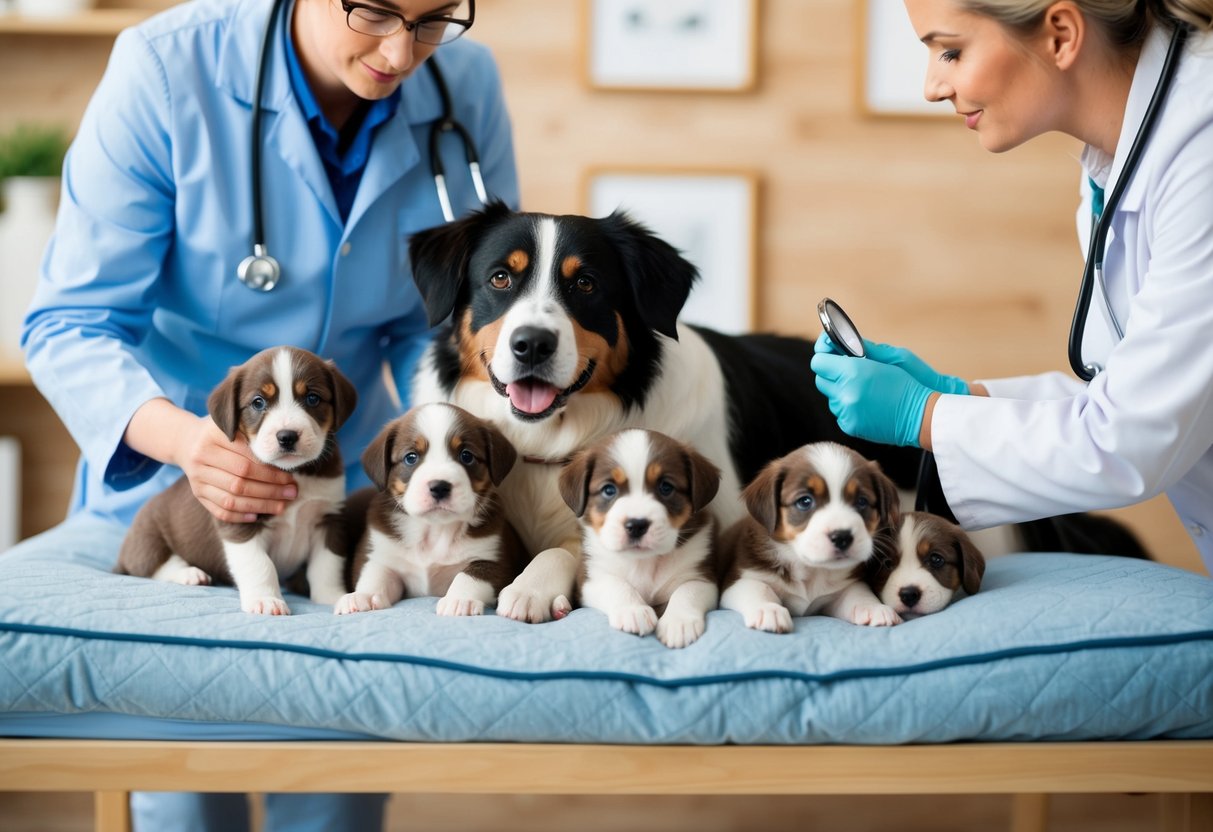
Recognizing signs of pregnancy in dogs can be both exciting and important for their care. You can look for early indicators, and various methods can help confirm pregnancy. Understanding these aspects will help you be better prepared for your dog’s needs during this time.
Early Indicators
About three weeks after mating, you may notice some early pregnancy signs in your dog. Changes in appetite are common; she might eat more or less than usual.
Another key sign includes behavioral changes. Your dog may become more affectionate or withdrawn. Physical symptoms like morning sickness can also occur, leading to vomiting or nausea. Enlarged nipples and weight gain are other signs to watch for.
Be aware that dogs can experience a condition known as false pregnancy, or phantom pregnancy. This can result in symptoms similar to actual pregnancy but without the presence of puppies.
Confirmatory Methods
To confirm if your dog is pregnant, you have several options. One common method is an ultrasound scan, which can show pregnancy as early as 25 days after mating. This is a reliable way to see if your dog has a litter.
Another approach is abdominal palpation performed by a veterinarian, usually around three weeks into the pregnancy. This technique lets the vet feel for developing puppies.
Additionally, pregnancy tests that check for the relaxin hormone can provide confirmation. X-rays are useful but only after around day 44 of gestation to count the number of puppies. Each method has its benefits, so consult with your vet to choose the best option for your dog.
Stages of Dog Pregnancy

Understanding the stages of dog pregnancy helps you care for your dog better during this special time. Each stage has important milestones and preparations that ensure a smooth transition to whelping.
Development Milestones
Dog pregnancy generally lasts about 63 days, divided into three main stages.
-
Early Pregnancy (Days 1-30): After mating, embryos begin forming. You may notice changes in your dog’s behavior, like an increased appetite and less interest in play. Around week 3, your vet can confirm pregnancy through ultrasound.
-
Mid-Pregnancy (Days 31-50): By now, embryos develop into puppies, and your dog will start showing physical changes like weight gain. The amniotic fluid begins to surround each puppy, providing protection. This stage is critical for proper puppy development.
-
Late Pregnancy (Days 51-63): In the final weeks, your dog will grow larger and may become uncomfortable. Her body prepares for whelping, and you may notice nesting behavior as she gets ready for labor. Colostrum, the first milk, will start forming in her breasts, crucial for puppy health.
Preparing for Whelping
As your dog approaches her due date, there are several preparations you can make.
-
Nesting: Create a comfortable nesting area to help her feel secure. This can include soft bedding and a quiet space away from noise.
-
Whelping Box: Setting up a whelping box is essential. It gives her a safe space to deliver her puppies. Make sure it’s clean, spacious, and lined with soft materials.
-
Supplies: Gather supplies like clean towels, heating pads, and a timer for contractions. Monitor her closely for signs of labor, such as nesting and restlessness.
Being prepared ensures you and your dog feel ready for the arrival of the puppies.
Caring for a Pregnant Dog
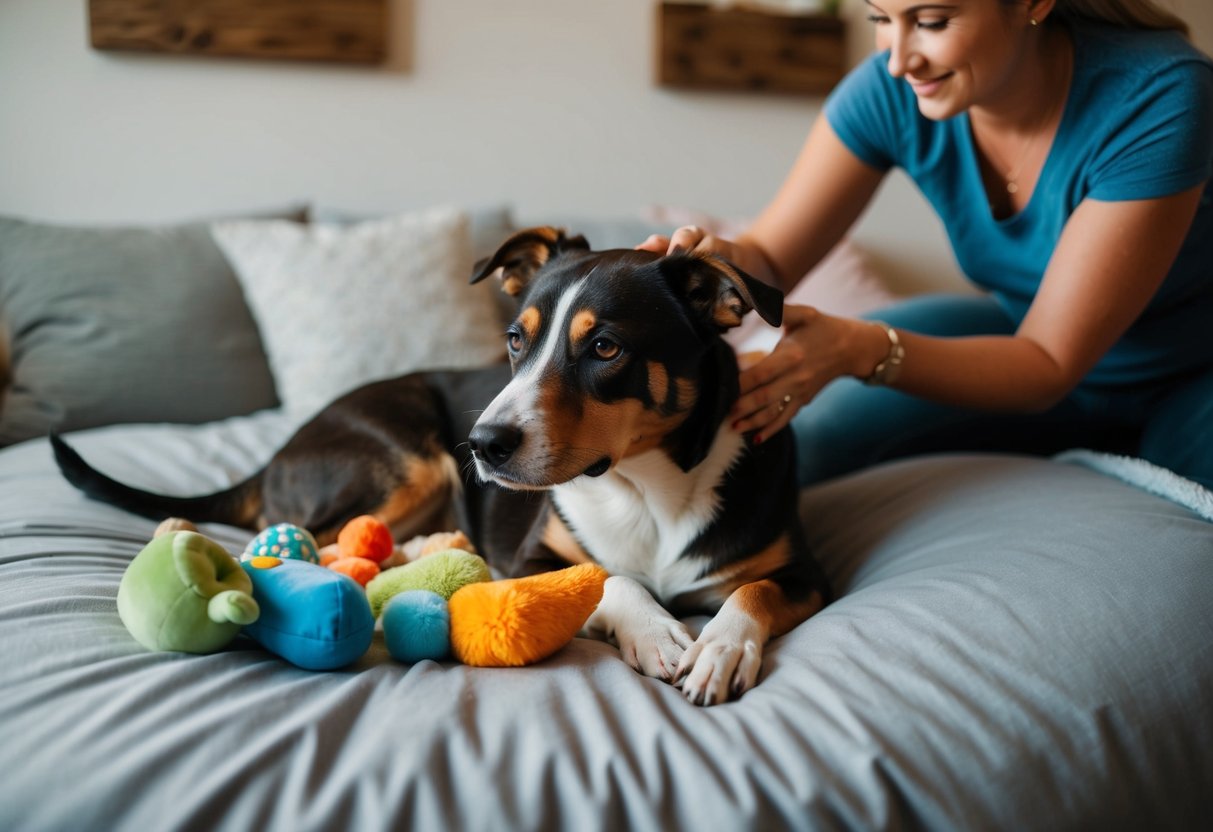
Taking care of a pregnant dog is essential for her health and the well-being of her puppies. You need to focus on proper nutrition and prepare for the birth process. This ensures that both mother and puppies thrive during and after pregnancy.
Nutrition and Health
Good nutrition is vital for your pregnant dog. Start by feeding her a premium dog food that meets her needs. In the first few weeks, stick to adult dog food. As her pregnancy progresses, gradually introduce puppy food into her diet.
You can also consider adding a nutritional supplement. Consult your vet for recommendations that can support your dog’s health. Keep her hydrated and avoid human food that can be harmful.
Regular vet visits are important. They help monitor your dog’s health and ensure she gains the right amount of weight.
Preparing for the Puppies
As the due date approaches, you need to prepare for the whelping process. Set up a quiet, comfortable area where she can give birth. This area should be clean and free from disturbances.
Gather supplies like clean towels, a whelping box, and a heating pad. Knowing how many puppies to expect can help you be ready. If your dog is having her first litter, you need to watch her closely.
Stay calm and be available when she goes into labor. Being prepared can make the process smoother for you and your dog.


