
Boxer dogs are known for their playful and friendly nature, making them popular family companions. Their natural curiosity often drives them to engage with new people, although they might take a moment to warm up.
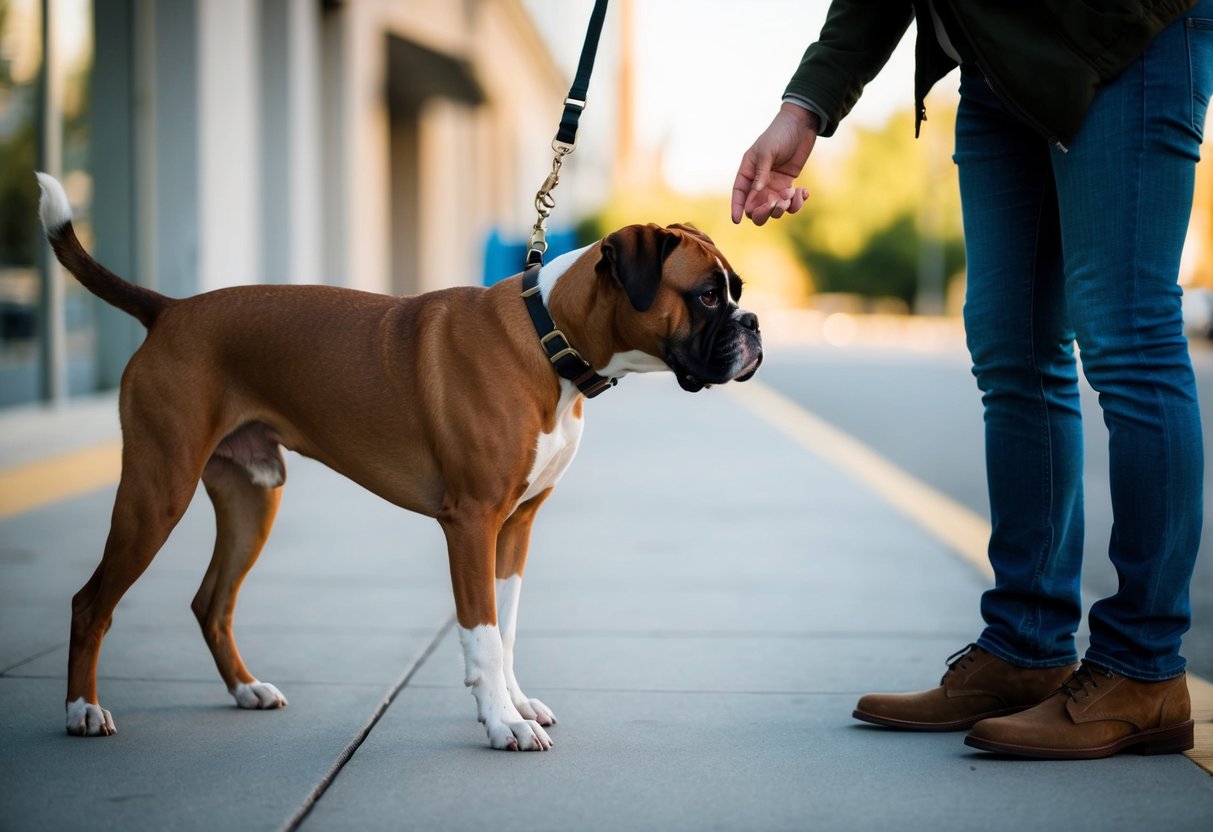
These dogs are typically affectionate and enjoy human interaction. While they can be protective, this doesn’t mean they are aggressive. Their temperament allows them to be great family dogs, balancing both protective instincts and friendliness. Many owners find that with proper socialization, Boxers adapt well to meeting new faces.
When considering a Boxer for your home, it’s important to understand their unique personality. With the right introduction, they can become loving pets who enjoy the company of both family and friends.
Understanding the Boxer Breed

Boxers are known for their playful nature and loyal companionship. To appreciate them fully, it helps to understand their origin, physical traits, and common characteristics. This will also shed light on their health considerations as a large breed.
Origin and History
The Boxer breed traces its roots back to Germany in the late 19th century. They descended from the Bullenbeisser, a dog used for bull-baiting, and the English Bulldog. Initially bred for work, Boxers were prized for their strength and agility. Today, they excel as family pets and working dogs, thanks to their protective instincts and playful demeanor. Understanding their background can help you appreciate their behavior and needs better.
Physical Characteristics
Boxers are known for their muscular build and athletic appearance. They typically weigh between 50 to 80 pounds and stand about 21 to 25 inches tall. Their short coat is smooth and comes in various colors, including brindle and fawn. Boxers have a distinct square-shaped head and are classified as brachycephalic, which means they have a shorter muzzle. This feature adds to their charm but requires attention to avoid breathing issues, especially in hot weather.
Common Traits
Boxers are energetic and playful, making them great companions. They are highly social and often get along well with children and other pets. Their loyalty is commendable, and they tend to form strong bonds with their families. Boxers are also intelligent and need regular mental and physical stimulation to prevent boredom. Without proper training, they can develop destructive behaviors. A well-trained Boxer is a joy to have around, capable of being both a loving pet and a capable protector.
Boxer Health Considerations
As a large breed, Boxers face specific health issues that potential owners should be aware of. Their lifespan typically ranges from 10 to 12 years. Common health concerns include hip dysplasia, heart conditions, and certain cancers. Regular veterinary check-ups are essential for early detection of these issues. Additionally, as brachycephalic dogs, they may struggle in hot conditions due to breathing difficulties. It’s crucial to provide them with a comfortable environment and monitor their health closely to ensure a happy and healthy life.
Temperament and Behavior with Strangers

Boxer dogs have a unique temperament that influences how they interact with strangers. Understanding their behavior can help you create positive experiences for your dog and visitors. Here’s a closer look at their disposition, protective instincts, and how to train them for better interactions.
General Disposition
Boxers are known for their lively and friendly nature. They tend to be social dogs that enjoy being around people. When meeting strangers, your Boxer may show excitement or curiosity. While they often appear welcoming, they can be cautious. Their initial wariness is natural and stems from their protective instincts. With proper socialization, Boxers can learn to approach new people with a friendly attitude instead of fear or aggression.
Protective Instincts and Socialization
Boxers are naturally protective of their family. This means they might bark or become alert when strangers approach. To balance their protective instincts, socialization is key. Exposing your Boxer to various people and situations helps them feel more comfortable. Early and ongoing socialization can help reduce their wariness over time. Try inviting friends over or taking your dog to pet-friendly events to encourage positive experiences.
Training for Positive Interactions
Training plays a crucial role in how your Boxer behaves around strangers. Using positive reinforcement can build good habits. Reward your dog with treats and praise when they remain calm around new people.
You can also teach specific commands, like “sit” or “stay,” to help control their excitement. Consistency is important. Regular training will reinforce what you want your Boxer to learn. Remember, patience is essential. As they become more familiar with strangers, their confidence will grow, leading to better behavior.
Boxer Dog Care Essentials
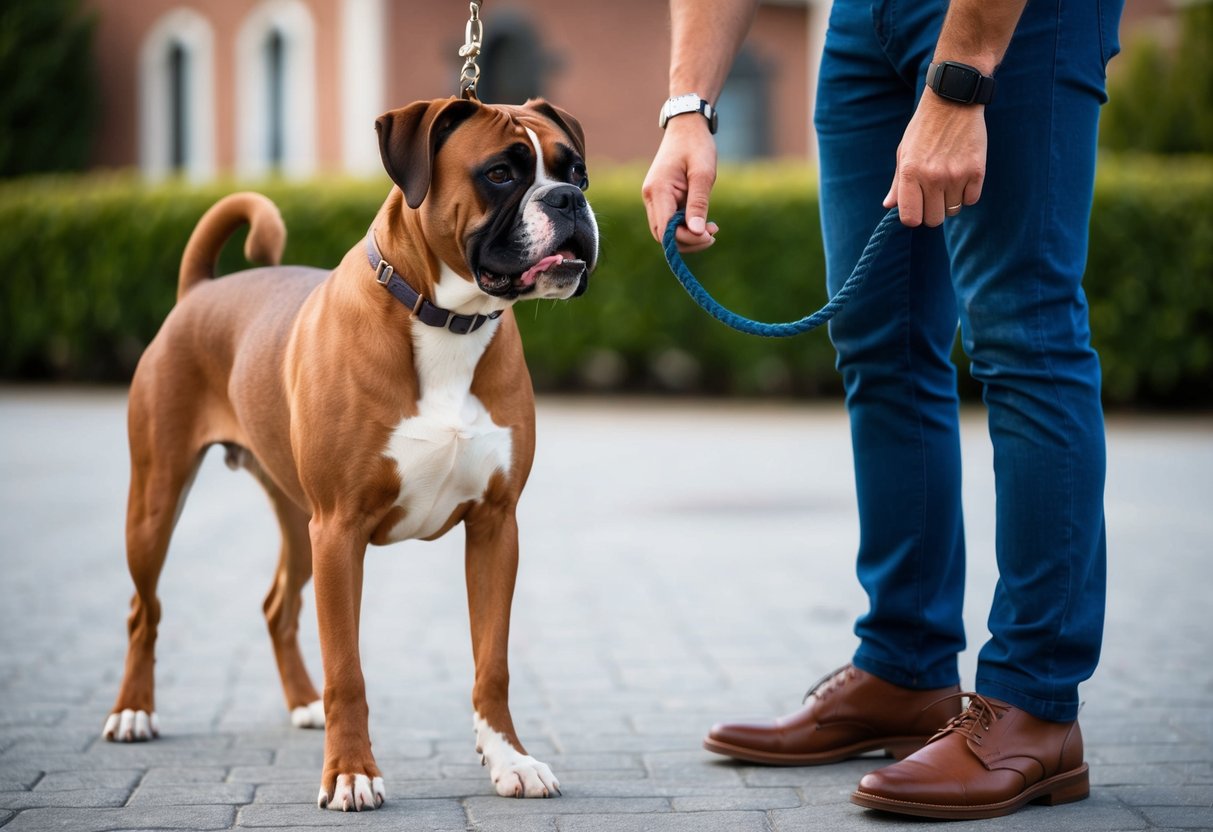
Caring for your Boxer involves attention to exercise, grooming, and obedience training. Paying attention to these areas helps ensure a healthy and happy life for your dog.
Exercise and Activity Levels
Boxers are energetic dogs that require plenty of daily exercise. To keep them happy and healthy, aim for at least 60 to 90 minutes of physical activity each day. This can include walks, playtime, and engaging activities like fetch or agility training.
Daily exercise is crucial for preventing boredom, which can lead to destructive behaviors. Consider incorporating both mental and physical challenges, as Boxers thrive on variety. Regular playdates with other dogs can also help socialize your Boxer while allowing them to burn off energy.
Grooming and Shedding
Your Boxer has a short coat, making grooming relatively easy. Regular brushing, at least once a week, helps reduce shedding and keeps the coat looking shiny. Boxers typically shed moderately, so be prepared for some loose hair around your home.
Bathing your Boxer should happen as needed, usually every few months, or when they get particularly dirty. Pay attention to their ears, which should be cleaned regularly to prevent infections. Keep their nails trimmed and check their teeth for good dental hygiene.
Obedience and Training
Training is essential for a well-behaved Boxer. Start with basic commands like sit, stay, and come. Consistent and positive reinforcement works best. Boxers are intelligent and respond well to training, but they can also be a bit stubborn.
Obedience training not only helps you communicate effectively with your Boxer but also encourages good manners around strangers. Socialization is important too. Expose your Boxer to different people and environments early on. This helps them learn how to behave around strangers and reduces the risk of aggressive behavior.
Is a Boxer Dog Right for You?

Before diving into owning a Boxer, it’s essential to consider if their traits match your lifestyle and family. This breed is known for its loyalty and energetic nature. Understanding these factors will help you decide if a Boxer fits your needs.
Considerations for Potential Owners
Boxers are highly energetic dogs. They need regular exercise and playtime. If you enjoy outdoor activities like running or hiking, a Boxer can be a perfect companion.
Energy Level: Expect daily walks or play sessions. A bored Boxer can become mischievous.
Loyalty: Boxers are known for their strong bonds with their owners. They might become protective, acting as guardians for your home.
Time Commitment: Owning a Boxer requires time. Training and socialization are crucial from an early age. Make sure you’re ready to invest the effort.
If you lead a busy lifestyle with little time to dedicate, a Boxer may not be the best choice for you.
Suitability for Families and First-Time Owners
Boxers are great for families. They are playful, affectionate, and typically good with children. If you have kids, a Boxer can provide both protection and companionship.
Protective Instincts: Boxers possess natural protective instincts, which can be reassuring for families.
Good with Strangers: While they may be cautious at first, socialization helps them become friendlier with new people.
For first-time owners, a Boxer can be a rewarding choice. Their intelligence makes them trainable, though patience is key.
Consider your readiness to commit to a lively, loving breed. If you can give them the energy and attention they need, a Boxer can become a beloved family member.


