
As a dog owner and a parent, you might wonder, do most dogs have a natural instinct to protect their family, especially children? Dogs often form strong bonds with their young human companions and can act as reliable guardians. This protective behavior can give you peace of mind, knowing that your dog is looking out for your kids.
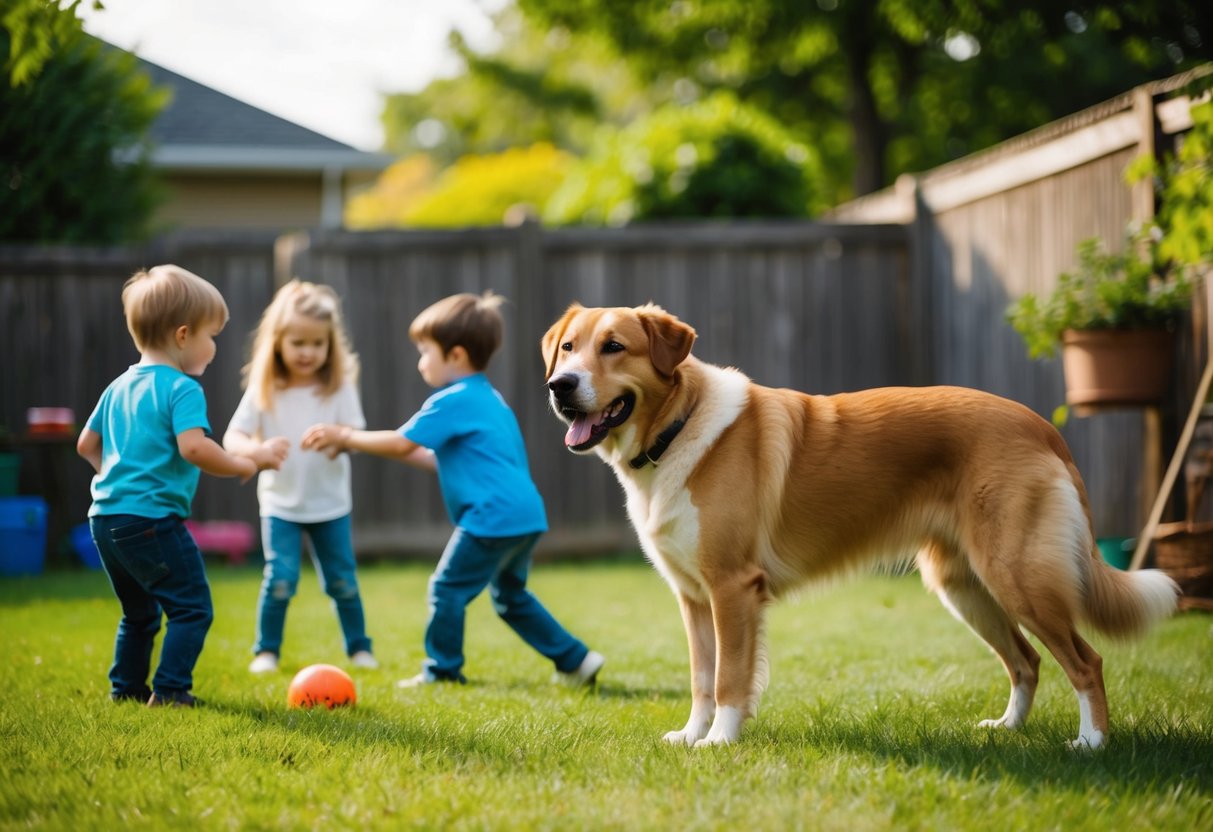
You might have noticed that not all dogs will exhibit the same level of protection. Factors like breed, training, and individual temperament play a significant role. By understanding these elements, you can better assess how your dog may respond in various situations and foster a safe environment for your family.
Training your dog to protect your children is an effective way to enhance their natural instincts. With the right approach, you can teach your dog specific commands and behaviors that encourage safe interactions. This not only boosts your dog’s confidence but also reinforces the bond within your family, ensuring both your kids and your dog feel secure together.
Understanding Canine Protective Behavior
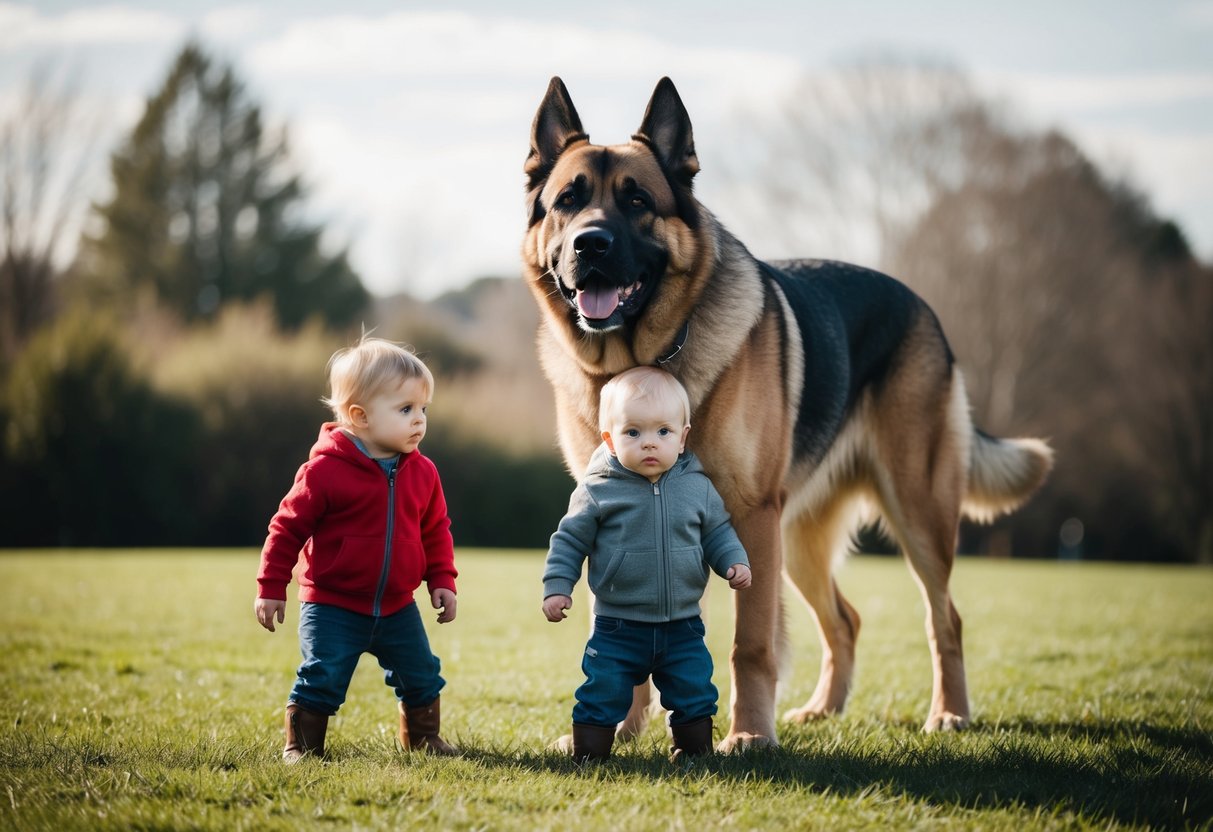
Dogs are known for their loyalty and affection, which often extend to their protective instincts, especially towards children. Knowing how to identify these instincts and recognize their body language can help you ensure a safe environment for your kids.
Identifying Protective Instincts
Your dog’s protective behavior can vary based on their breed, personality, and past experiences. Some dogs naturally show protective instincts, while others may develop them over time.
You might notice your dog being more alert when children are playing. They may position themselves between the child and a perceived threat. Certain breeds, like German Shepherds and Rottweilers, often have stronger protective instincts.
If your dog growls or barks when unfamiliar people approach, it could be a sign that they are trying to guard their family. Understanding these behaviors helps you gauge how protective your dog might be.
Dog Body Language and Signs of Protective Acts
Recognizing your dog’s body language is key to understanding their protective actions. For instance, if your dog stands tall with their ears perked up, this often indicates alertness.
You might also see behaviors like growling or barking when they feel the need to protect. Your dog may follow your kids closely to ensure they are safe. They could also block entryways or sit close to your child during unfamiliar situations.
Other signs include a stiff posture or a low tail position, signaling that they are on high alert. Understanding these signals allows you to respond appropriately and ensure a strong bond between your dog and children.
Breeds and Their Protective Qualities
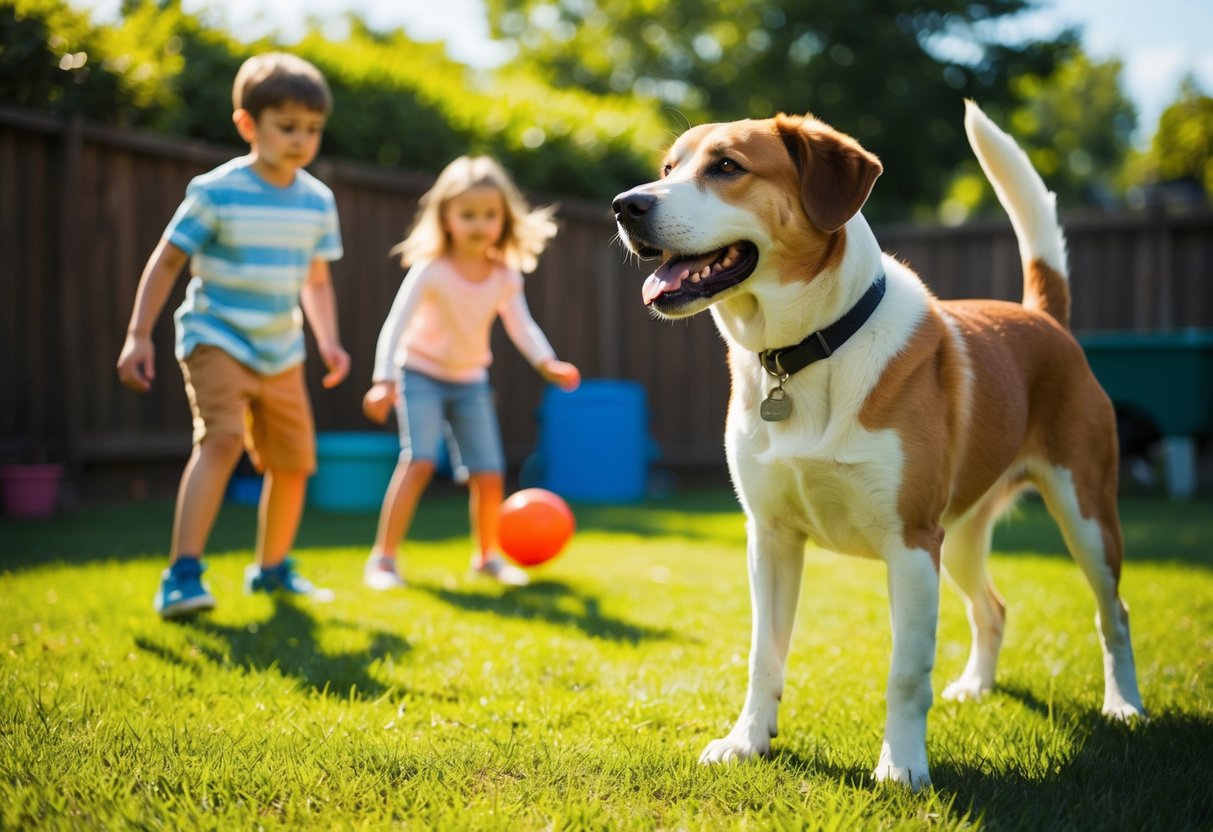
Certain dog breeds are known for their strong protective instincts, making them great companions for families with children. Understanding these breeds can help you choose the best fit for your household.
German Shepherds and Loyalty
German Shepherds are famous for their loyalty. They bond closely with their families and are very protective of children. This breed excels in training, which makes them responsive in various situations.
Their intelligence allows them to quickly learn commands. This quality makes them both excellent family pets and dependable guardians. Regular socialization and training are key to ensuring they act appropriately around kids and strangers.
Doberman Pinschers as Guardians
Doberman Pinschers are known for their courage and alertness. They are natural protectors and form strong attachments to their families. This breed is quick to react if they sense any danger, making them effective guardians for your children.
They are also very trainable, which means you can teach them how to behave around kids. Their sleek appearance and strong physical abilities add to their protective qualities. Consistent training will enhance their instincts, ensuring they protect while remaining friendly.
Rottweilers and Their Protective Nature
Rottweilers are incredibly loyal dogs that are both loving and protective. They have a natural instinct to guard their families, making them a solid choice for families with young kids.
Rottweilers need proper training and socialization from an early age. This ensures they are well-adjusted and comfortable with children. Their size and strength can be intimidating, but with proper guidance, they can be gentle and affectionate companions.
Choosing the right breed with protective qualities can give you peace of mind while ensuring your kids have a friend.
Training Dogs for Child Safety
Training your dog for child safety is crucial for ensuring a harmonious home. It helps create a well-behaved pet while also protecting your children. Focus on obedience training, positive interactions, and deciding on the best training approach for your situation.
Steps for Effective Obedience Training
Start with basic obedience commands like “sit,” “stay,” and “down.” These commands are essential for controlling your dog around children. Use positive reinforcement to reward good behavior. Treats, praise, and affection can motivate your dog to learn.
Regular practice is key. Set aside short training sessions each day to keep your dog engaged. Consistency is vital, so make sure everyone in your household uses the same commands and training methods. This will help your dog understand what is expected of them.
Monitor your dog’s behavior around kids. Gradually introduce them to your children in a controlled setting. This helps your dog get used to the sounds and movements of kids, reducing anxiety and increasing safety.
Professional Trainer or DIY Training
Deciding between hiring a professional trainer or training your dog yourself depends on your comfort level and experience. If you’re unsure about your skills, a professional can provide structured guidance. They can teach you effective techniques that ensure your dog is safe around kids.
If you choose to train at home, follow reputable sources and guides. Look for programs that focus on positive reinforcement. Set realistic goals and be patient; the training process takes time.
Remember, socializing your dog with children is just as important as obedience training. Slowly expose your pet to kids in various settings to help them stay calm and confident.
Encouraging Positive Interactions with Kids
To create positive experiences, always supervise interactions between your dog and children. Teach your kids how to approach and interact with your dog gently. Encourage them to use quiet voices and avoid sudden movements.
Provide your dog with a safe space where they can retreat when feeling overwhelmed. Make sure your dog understands that they are part of the family but can have their boundaries respected.
Use games and activities that involve both your dog and your children. This reinforces positive associations, creating a fun atmosphere. Over time, your dog will learn to enjoy being around kids while staying calm and protective.
Preventing and Managing Aggressive Behaviors
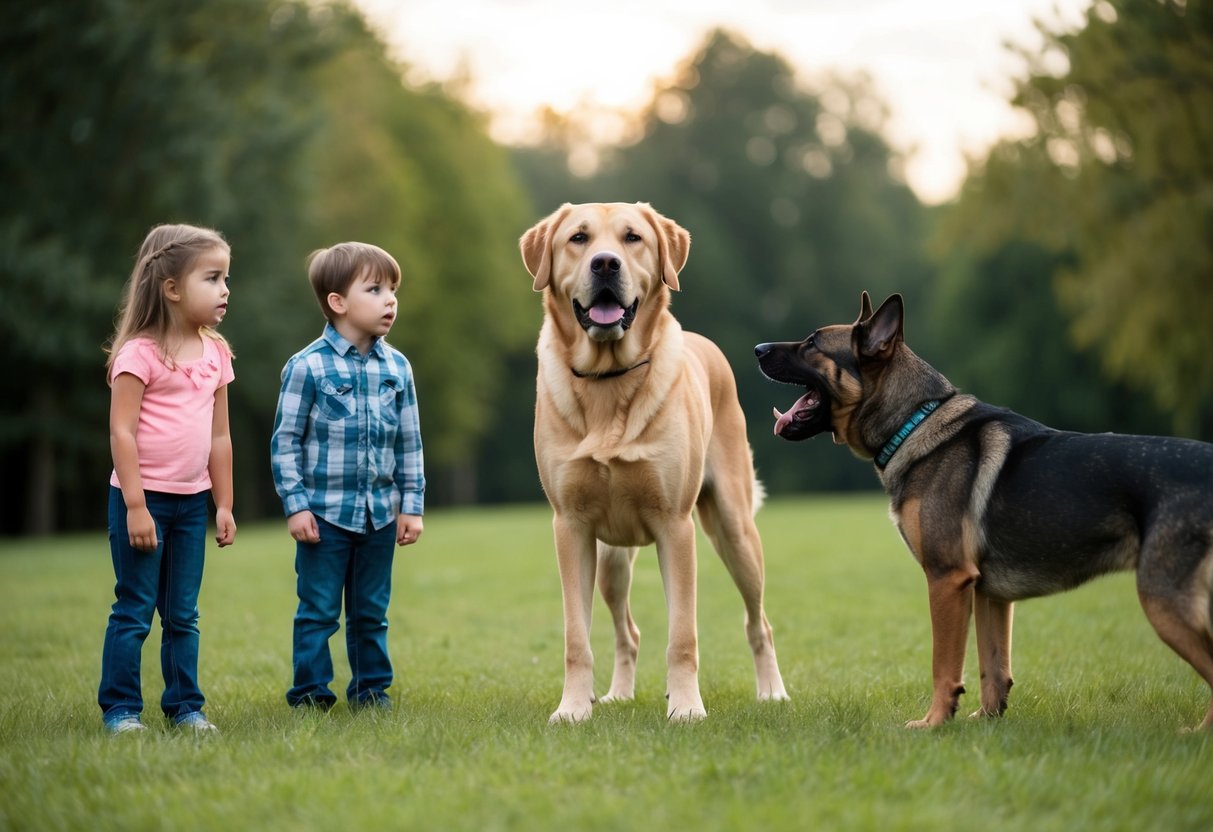
Managing your dog’s aggression is essential for keeping your kids safe. You can take specific steps to understand and reduce aggressive behaviors. It’s also important to ensure that kids and dogs interact safely.
Understanding and Mitigating Aggression
Recognizing signs of aggression in your dog can help you take action early. Common signs include growling, baring teeth, and stiff body posture. Understanding why your dog behaves aggressively is crucial. Aggression can stem from fear, resource guarding, or lack of socialization.
You can mitigate aggression through professional training and consistency at home. Consider seeking help from a qualified dog trainer. They can teach you techniques that promote positive behaviors. Reinforce calm behavior with treats and praise. This builds trust and makes your dog feel secure.
Keeping Kids Safe Around Dogs
Safety is a priority when kids are around dogs. Always supervise interactions, especially with unfamiliar dogs. Teach your children how to approach and play with dogs gently. Explain the importance of respecting a dog’s space and body language.
Here are some guidelines to follow:
- Never interrupt a dog while it is eating or sleeping.
- Encourage calm behavior during playtime.
- Avoid rough games like wrestling that might provoke aggression.
By promoting safe interactions, you help prevent potential biting or aggressive incidents.
Socialization and Its Role in Safety
Dogs need socialization to feel comfortable in various situations. Begin socializing your dog early. Expose it to different people, pets, and environments. Positive experiences with various stimuli can help reduce fear-based aggression.
Join puppy classes or dog parks where your dog can meet others. Gradual exposure to controlled situations can boost your dog’s confidence. Remember to reward positive interactions to encourage good behavior.
Strong social skills can reduce the risk of aggressive behaviors in dogs. A well-socialized dog is more likely to adapt and feel secure around your children and others.


