
Choosing between a male and female dog can be tough, especially when considering behavior. You might wonder if female dogs are less aggressive than their male counterparts. Research suggests that female dogs tend to be less aggressive overall, but every dog is unique and can act out in certain situations.
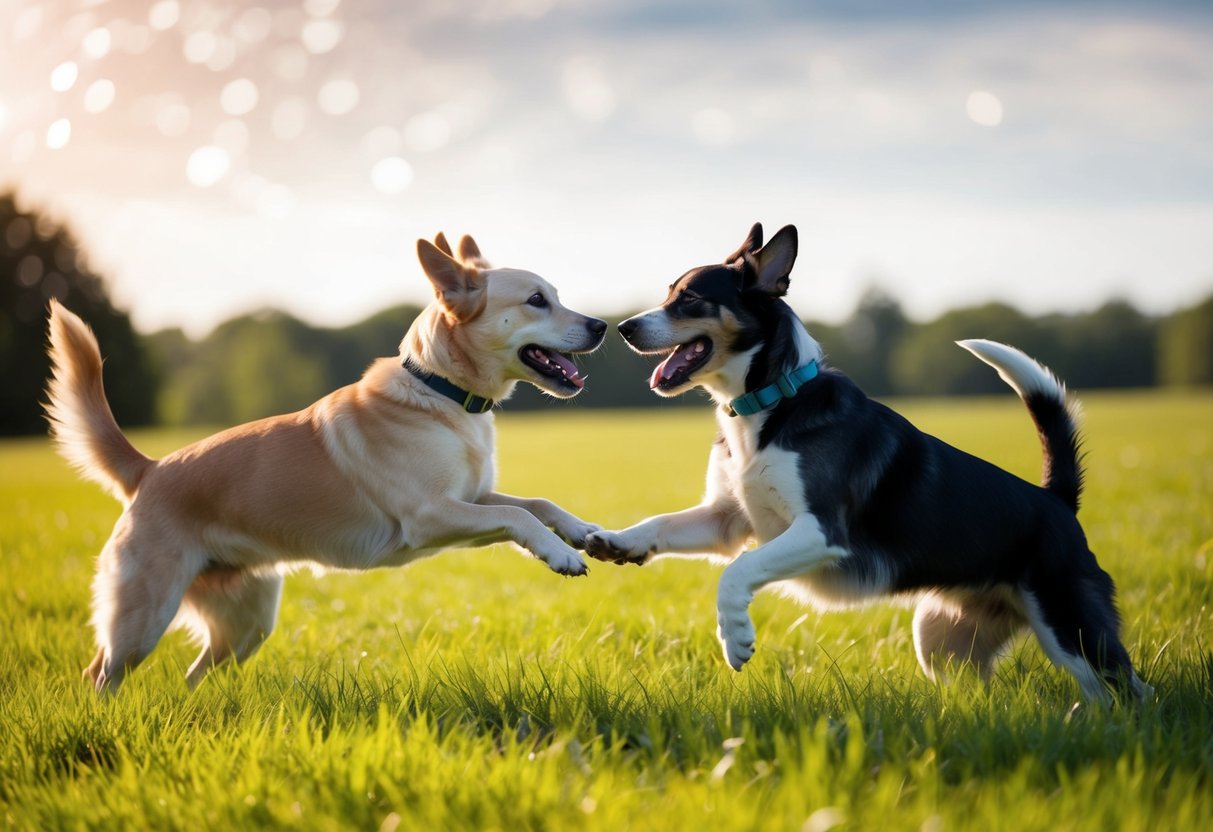
Understanding dog behavior involves looking at many factors, such as training, socialization, and individual temperament.
For instance, a well-trained female dog can be just as loving and playful as a male, while an untrained dog of either gender may show aggression when scared or threatened.
As you explore this topic further, you’ll find valuable insights into not just aggression levels, but also how to nurture your dog’s personality through effective training and positive experiences.
Understanding Dog Aggression

Dog aggression can be puzzling and concerning for pet owners. To navigate this topic, it’s important to look at definitions of canine behavior and the common triggers that may spark aggression in dogs.
Defining Canine Behavior
Canine behavior is complex and influenced by various factors. Dogs communicate through body language, vocalizations, and actions. Understanding these signals helps you interpret a dog’s feelings.
Aggression in dogs is often a response to fear, dominance, or territorial instincts. Not all aggressive behaviors indicate a serious problem.
Some dogs may show aggression during play, while others may react defensively in new or stressful situations. Recognizing these situations can help you manage your dog’s behavior effectively.
Common Triggers of Dog Aggression
Several factors can trigger aggressive behavior in dogs. Common triggers include:
- Fear: A frightened dog may react aggressively to protect itself.
- Resource Guarding: Dogs may become aggressive when they feel their food, toys, or space are at risk.
- Social Interactions: Poor socialization can lead to conflict with other dogs or people.
Understanding these triggers can help you prevent aggression. Training and socialization are key behavioral methods to help your dog respond positively in various situations.
By addressing these factors, you can foster a safer and more enjoyable environment for both you and your dog.
Differences Between Male and Female Dogs
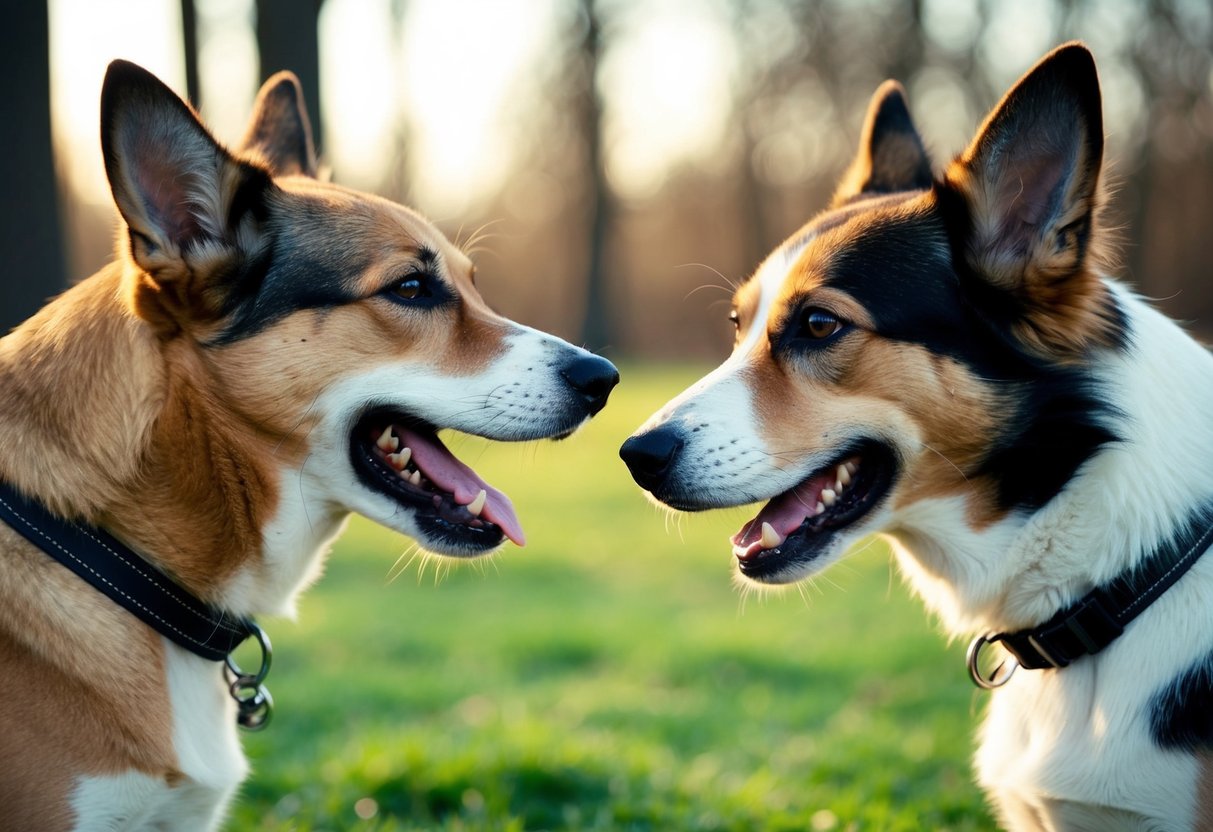
When comparing male and female dogs, you will notice distinct behavioral traits influenced by hormones and environment. These traits can affect how both sexes interact and respond to training and social situations.
Behavioral Traits and Hormonal Influence
Female dogs often mature faster than males. This earlier maturity can lead to improved training responsiveness at a younger age. Female dogs, generally, show calmer behaviors and are less likely to display hyperactive tendencies.
Hormones also play a crucial role. Male dogs have higher testosterone levels, which can contribute to more assertive or aggressive behavior. During the heat cycle, female dogs can exhibit mood changes due to hormonal fluctuations. Neutering male dogs often reduces aggressive behaviors linked to testosterone. Spaying females eliminates heat cycles, which can also stabilize their temperament.
Socialization and Environmental Impact
Socialization greatly influences dog behavior, regardless of sex. Both male and female dogs benefit from exposure to varied environments and experiences.
Proper socialization can help reduce owner-directed aggression and other behavioral issues. The environment you provide will also shape your dog’s personality.
A nurturing and structured home can lead to well-adjusted pets. Genetics also play a part in behavior. While training and environment are important, some traits may be inherited, influencing how your dog interacts with the world.
Remember, each dog is unique, and understanding these differences can help you build a strong bond with your pet.
The Role of Training and Socialization
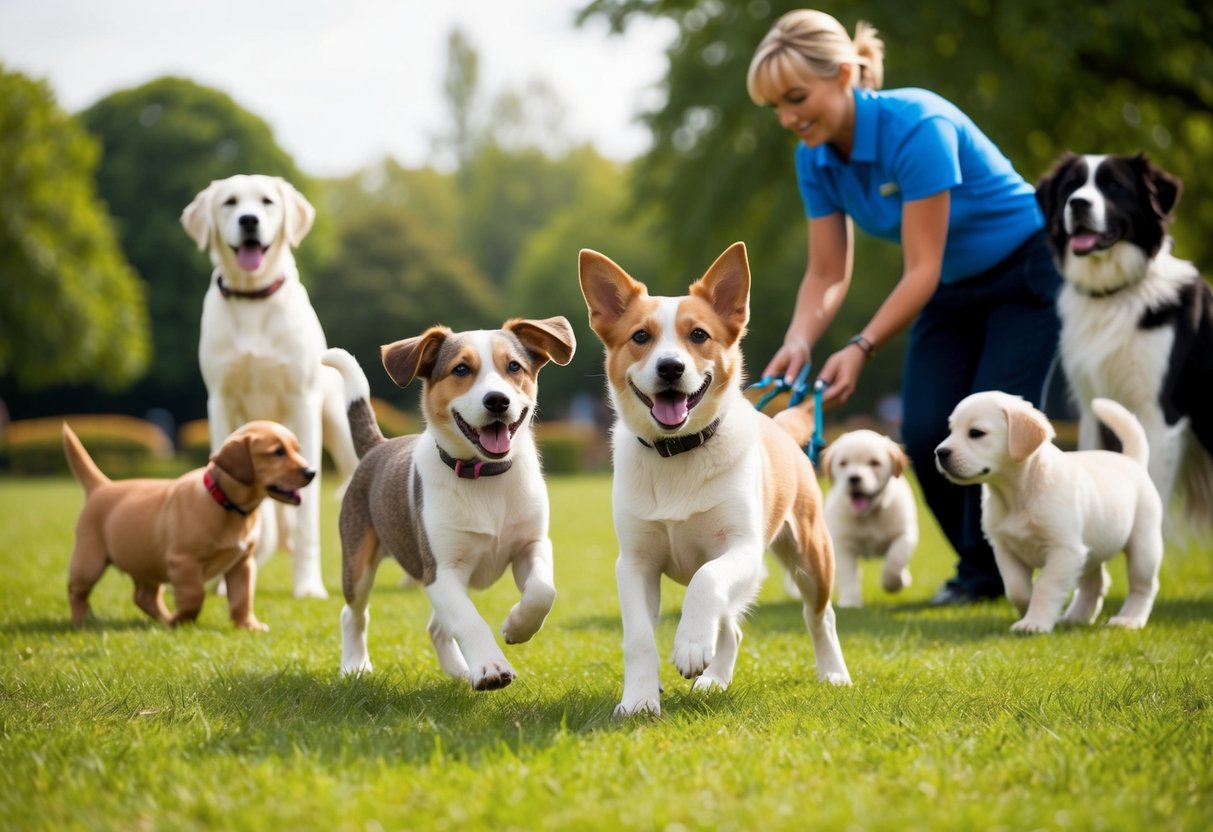
Training and socialization play vital roles in shaping your dog’s behavior. Proper guidance during puppyhood can significantly reduce aggression in both male and female dogs. Understanding the importance of these early experiences is key to promoting positive social interactions later in life.
Importance of Early Puppyhood Experiences
The early experiences of a puppy are crucial for their development. During puppyhood, they go through critical phases of socialization.
Exposing your female puppy to various people, environments, and other animals can help her learn how to behave appropriately. Lack of proper social interactions can lead to fear or aggression.
Engaging with different breeds can also help, as some breeds may have specific traits that influence behavior. Remember, the sooner you start socializing, the better equipped your dog will be in managing future encounters.
Effective Behavioral Methods for Managing Aggression
Managing aggression requires a combination of understanding and effective techniques. Positive reinforcement is a popular method.
Rewarding your dog with treats or praise when she behaves well can encourage her to repeat those behaviors. Understanding your dog’s triggers is also important.
Pay attention to what causes her to react aggressively, such as specific situations or other dogs. Once you identify the triggers, you can work on desensitizing her in a controlled way.
Consistency is key. Ensure that all family members handle the dog in the same manner. This way, your dog learns what is expected of her. Neutering male puppies can also help reduce aggressive tendencies.
By focusing on these behavioral methods, you can foster a peaceful environment for your dog.
Health Issues and Aggression
Understanding how health issues can impact a dog’s behavior is important. Certain medical conditions and decisions, like neutering or spaying, can affect aggression levels in female dogs.
Medical Conditions Affecting Behavior
Several health issues can lead to aggressive behavior in dogs. For instance, female dogs that experience pyometra, a serious uterine infection, may show increased irritability or aggression due to pain or discomfort.
Hormonal changes during estrus, or the reproductive cycle, can also influence behavior. Female dogs may act more aggressively when they are in heat, driven by instinct and hormonal fluctuations.
Unneutered male dogs often display higher levels of aggression, mainly due to testosterone. Their living conditions, such as overcrowding or lack of training, can exacerbate these tendencies. Proper management of spaying and neutering can help reduce aggression and improve behavior in your dog.


