
As a Boxer owner, you may wonder if your dog sheds more in the winter. Boxers do not typically shed more in winter; in fact, they tend to shed less compared to other seasons. These dogs have a short coat that does not require heavy shedding to stay comfortable during the colder months.
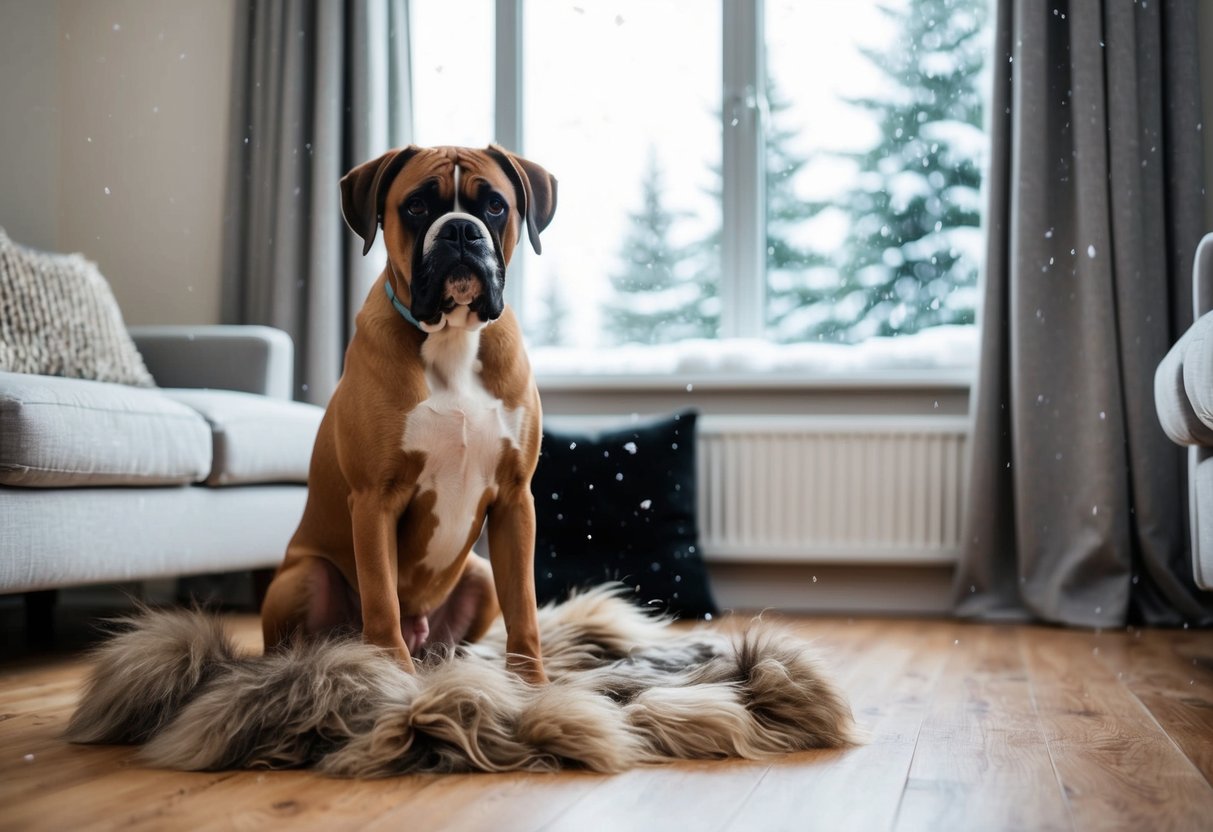
When the weather turns cool, your Boxer will maintain its coat to help with insulation. This means that instead of frequent shedding, you may find your Boxer has a lighter coat during winter. Seasonal shedding is more noticeable in spring and fall when Boxers prepare for temperature changes.
Understanding your Boxer’s shedding patterns can help you manage their grooming needs. Knowing when to expect less shedding allows you to enjoy the winter months without worrying about hair all over your home.
Understanding Boxer Shedding

Boxers are known as moderate shedders, and their shedding patterns can depend on several factors. You may notice that your Boxer sheds differently throughout the year based on their coat health and the changing seasons.
Boxer Coat Characteristics
Boxers have short, smooth coats that can come in two primary colors: fawn and brindle. These coats serve to protect your dog’s skin and help regulate their body temperature. The adult coat usually becomes denser in winter, which can help keep them warm. You might find that a well-maintained coat not only looks shiny but also contributes to better skin health. Regular grooming through brushing can help manage loose hair and promote a healthier coat.
Factors Influencing Shedding
Genetics play a significant role in how much your Boxer sheds. Some Boxers may inherit higher shedding traits from their parents. Hormonal changes, especially in unspayed females during their heat cycle or after giving birth, can lead to increased shedding. Additionally, health conditions or poor diet might affect coat health, leading to more noticeable shedding. Making sure your Boxer is well-fed and healthy can help minimize excessive hair loss.
Shedding Seasons Explained
Boxers tend to shed their winter coats in the spring, as they prepare for warmer weather. This is known as seasonal shedding. In the fall, they may also shed as their coats change for winter. During these times, you might notice heavier shedding compared to other months. Knowing these patterns can help you manage the extra hair and keep your home clean. Regular brushing can assist with this seasonal shedding and maintain your Boxer’s coat health throughout the year.
Grooming and Maintenance
Keeping your Boxer well-groomed is essential for managing shedding, especially in winter. Regular grooming helps control loose hair while promoting a healthy coat. You’ll want to focus on the right brushing techniques, proper bathing, and maintaining a balanced diet.
Regular Brushing Techniques
Brushing is a key part of grooming your Boxer. Aim to brush your dog at least once or twice a week. This helps to remove loose fur and minimize shedding. Use a medium-bristle brush or a rubber curry comb to gently remove dead hair.
Make sure to brush in the direction of hair growth to avoid tugging at your dog’s skin. Pay special attention to areas like the belly and behind the ears, where loose fur can accumulate. You may notice that your Boxer sheds more in the spring and fall, so increase the frequency during those times.
Bathing and Coat Care
Bathing your Boxer can also help reduce shedding. Use a gentle dog shampoo, preferably one that contains natural oils. These oils can help keep their coat hydrated and healthy while also reducing excess fur.
Bathe your Boxer every 4 to 6 weeks, but avoid over-bathing, as this can strip the coat of its natural oils.
After a bath, consider using a conditioner designed for dogs. This can enhance shine and manageability. You can also give your dog a good brushing after their bath to remove any remaining loose hair, keeping your home cleaner.
Diet’s Role in Coat Health
Your Boxer’s diet plays a vital role in their coat health and shedding. Foods rich in Omega-3 and Omega-6 fatty acids promote a shiny coat and reduce dryness, which can lead to more shedding.
Look for high-quality dog food that lists fish or flaxseed oil among its ingredients.
Adding supplements with Omega-3 and Omega-6 can also benefit your dog’s skin and coat. Consult your veterinarian for recommendations specific to your Boxer’s needs. A balanced diet helps keep your dog healthy from the inside out, making grooming easier.
Managing Shedding in the Home
Dealing with your Boxer’s shedding can be challenging, especially in winter. You can keep your home cleaner and more comfortable with the right tools and techniques. Focus on effective cleaning and improving the air quality to minimize pet allergies and reduce hair buildup.
Effective Cleaning Tools
Investing in the right cleaning tools can make a significant difference. Consider using a vacuum designed for pet hair. Look for models with strong suction and specialized pet attachments. A vacuum with a HEPA filter can help trap allergens and dust that may bother you.
A lint roller is perfect for quick clean-ups on furniture and clothes. It’s an easy way to grab loose hair before it spreads.
Don’t forget about microfiber cloths. They attract hair and dust, making them effective for wiping surfaces.
Regular grooming of your Boxer can also reduce hair shedding. Brushing them often helps you collect loose hair before it gets into your home. Aim for at least once a week to keep their coat healthy and reduce excessive shedding.
Using Air Purifiers
Air purifiers can greatly improve the air quality in your home. They filter out pet dander, hair, and other allergens.
Choose an air purifier with a HEPA filter for the best results. This will help trap small particles and prevent them from circulating in your air.
Place the air purifier in commonly used areas, such as your living room or bedroom. Run it consistently, especially during shedding seasons. It can help reduce pet allergies and make breathing easier.
Additionally, keep your windows open when the weather permits. This allows for proper ventilation. Fresh air can help remove stale particles and improve the comfort of your home.
Lifestyle and Health Impact

Your dog’s lifestyle and health play a significant role in shedding patterns. Boxers, known for their playful nature, can experience shedding due to various factors related to their environment and well-being. Understanding these aspects can help you manage your Boxer’s coat better.
Active Lifestyle Benefits
An active lifestyle greatly benefits your Boxer. Regular exercise keeps them healthy and can reduce stress, leading to less shedding.
When Boxers gain enough physical activity, they maintain a shiny coat and improved skin health. Engaging in activities like daily walks, playtime, or running can also increase blood circulation. This circulation nourishes their skin, reducing excess hair loss. Plus, a tired Boxer is a happy Boxer!
Tips for Keeping Your Boxer Active:
- Schedule daily walks.
- Engage in interactive play.
- Consider dog parks for socialization.
- Introduce agility training.
Health Conditions and Shedding
Certain health conditions can lead to abnormal shedding in Boxers. Allergies, skin infections, and thyroid issues can cause more hair loss than usual.
Regular veterinary check-ups are essential in identifying these problems early. Allergies can cause itchiness, leading to excessive scratching and shedding. Meanwhile, skin infections, often caused by bacteria or parasites, also contribute to fur loss.
Pay attention to changes in your Boxer’s coat or skin condition. If shedding seems excessive, consult your vet for guidance on treatment and care. A healthy Boxer is less likely to shed unnecessarily, allowing your home to stay cleaner.
Signs of Health Issues:
- Red, inflamed skin.
- Constant scratching.
- Uneven fur loss.
Being proactive about your Boxer’s lifestyle and health can help maintain a happier, healthier dog with less shedding.


