
Boxers are known for their loyalty and affectionate nature, but sometimes this strong bond can lead to challenges when they are left alone.
Yes, Boxers can experience separation anxiety, which is a common issue among many dogs. This anxiety stems from their deep connection with their owners and can result in stress when they are left by themselves for too long.
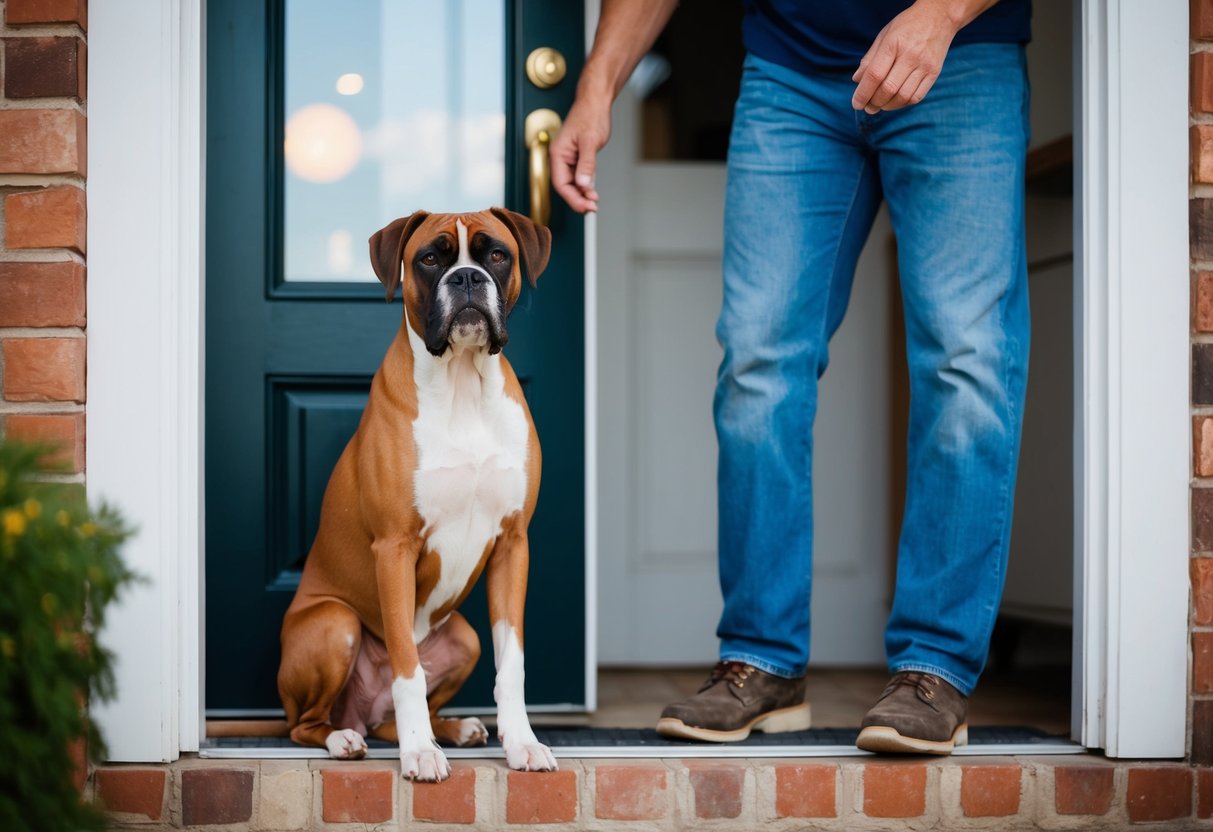
When a Boxer suffers from separation anxiety, you might notice symptoms like excessive barking, destructive chewing, or even house soiling. These behaviors can be alarming and frustrating, but understanding the signs can help you manage the situation better.
By recognizing the symptoms of separation anxiety in Boxers, you can take steps to help your furry friend feel more secure when you’re not home.
If your Boxer shows signs of discomfort when you leave, it’s important to address the issue early.
Providing enough mental and physical stimulation, along with gradual training to be alone, can make a significant difference in their well-being. Your attention to these needs can help your Boxer thrive, even during times apart.
Understanding Separation Anxiety in Boxers
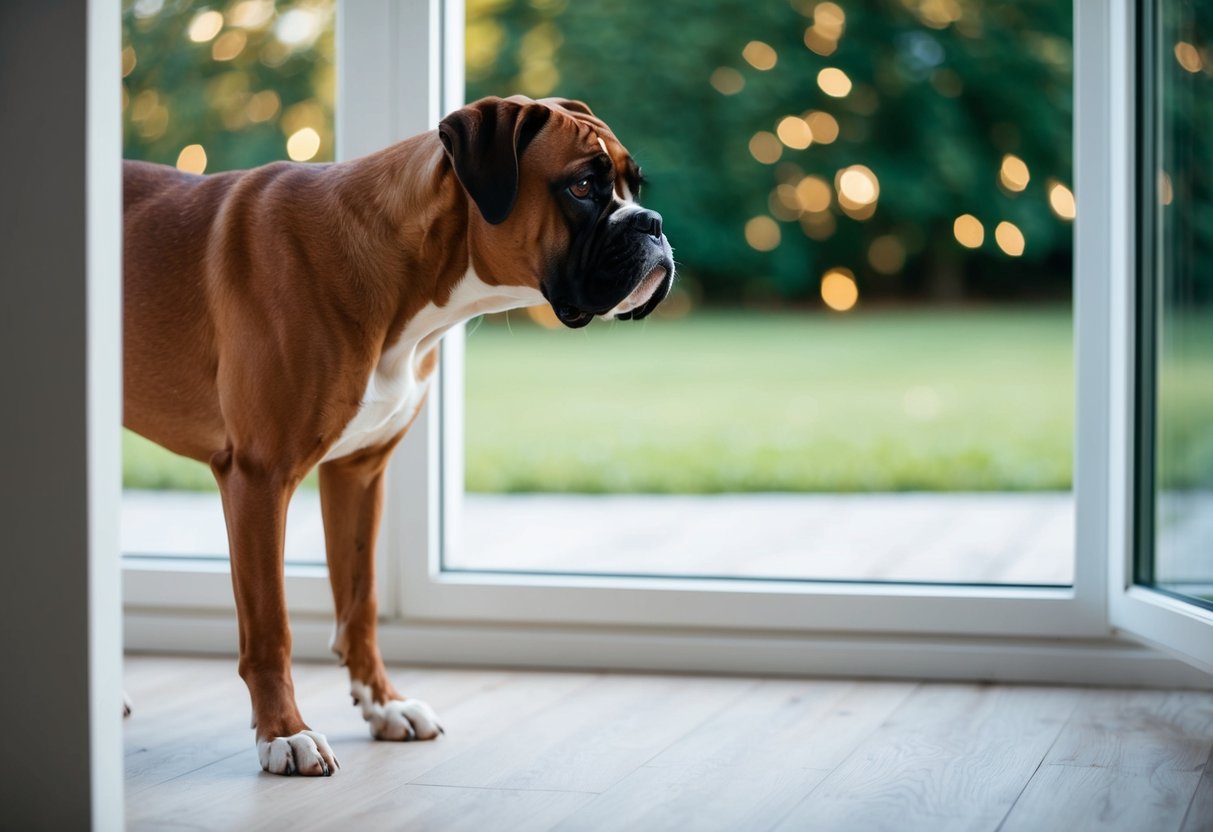
Separation anxiety in Boxers is a common issue that can affect their behavior and well-being. Knowing what causes this condition and recognizing its signs can help you manage your dog’s anxiety effectively.
What Is Separation Anxiety?
Separation anxiety is a behavioral condition where a dog becomes overly anxious when they are left alone. This can happen when a pet feels insecure, often due to their strong bond with their owner.
When Boxers are separated from their human companions for even a short time, their stress levels can rise dramatically.
This anxiety can lead to various negative behaviors, making it crucial to address the issue. Some dogs struggle with being alone, while others may have a history of being abandoned or rehomed. Understanding that your Boxer might struggle with this can help you take steps to reduce their anxiety.
Causes of Separation Anxiety in Boxers
Several factors can lead to separation anxiety in Boxers. First, their social nature means they thrive on human interaction. If left alone for long periods, they may begin to feel insecure.
Another cause can be a sudden change in routine. For example, a new job that requires you to be away from home can trigger anxiety. Additionally, Boxers that have experienced past trauma, such as being abandoned, may also develop this condition. It’s important to identify these triggers so you can provide the right support.
Signs and Symptoms in Boxers
Recognizing the signs of separation anxiety in your Boxer is essential. Common symptoms include:
- Excessive barking or howling when left alone.
- Destructive chewing on furniture or doors.
- Pacing back and forth when they sense you are about to leave.
- Accidents inside the house, even if they are house-trained.
These signs indicate that your Boxer is struggling with their emotions. It’s crucial to pay attention to these behaviors so you can help your furry friend feel more secure when they are alone.
Managing and Treating Separation Anxiety
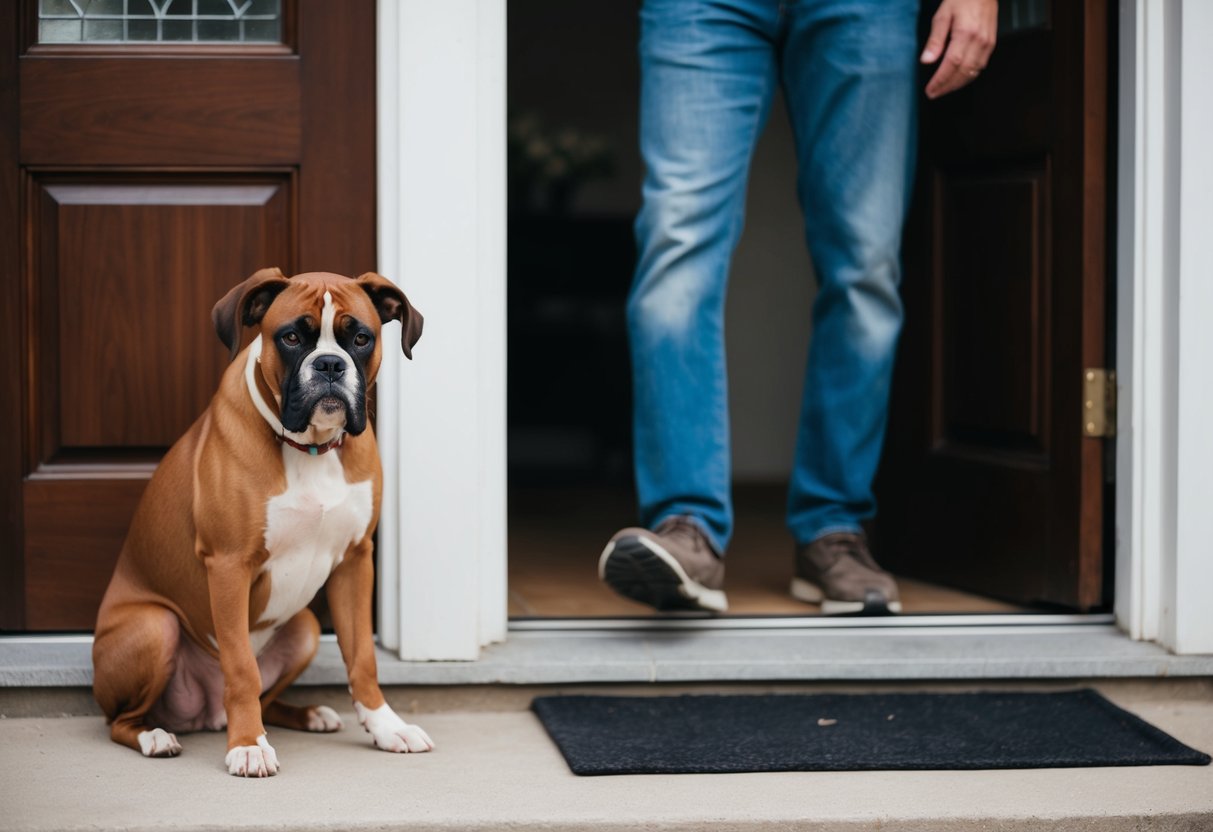
Managing separation anxiety in Boxers involves a combination of creating a safe environment, applying behavior modification techniques, and sometimes seeking professional help. Here’s how you can support your Boxer through this challenging time.
Creating a Safe Space
A safe space is crucial for your Boxer. You want to make a cozy area where they feel secure when you are not home. This can be a designated room or a comfortable crate.
Tips for Creating a Safe Space:
- Familiar Items: Include their favorite blanket or toys to provide comfort.
- Noise Control: Use calming music or white noise to drown out outside sounds.
- Limited Access: Keep the area calm by limiting access to stimulating environments like windows.
Make this space a positive place. Spend time with your Boxer there, and use treats to reinforce that it’s a happy zone.
Behavior Modification Techniques
Positive reinforcement is key to helping manage anxiety. You can teach your Boxer to associate your leaving with positive experiences. Start with short absences and gradually increase the time.
Techniques to Consider:
- Training Sessions: Teach commands like “stay” and reward them for obeying.
- Desensitization: Get your Boxer used to your absence by leaving for short periods and coming back without fuss.
- Calm Exits and Returns: Avoid long goodbyes. Simply leave and return calmly to reduce anxiety.
These methods will help your Boxer feel better about being alone, making it easier for them to relax when you’re away.
Professional Help and Medication Options
If your Boxer’s anxiety is severe, consider seeking professional help. A vet or a dog behaviorist can offer tailored strategies for managing the situation.
In some cases, medication may be required. Talk to your vet about options.
Common Approaches:
- Anti-Anxiety Medications: These can help ease your Boxer’s distress during the adjustment period.
- Training Classes: Professional trainers often offer specialized courses for anxious dogs.
Having expert support can make a big difference in helping your Boxer feel more secure while you are out.
Prevention and Training Strategies
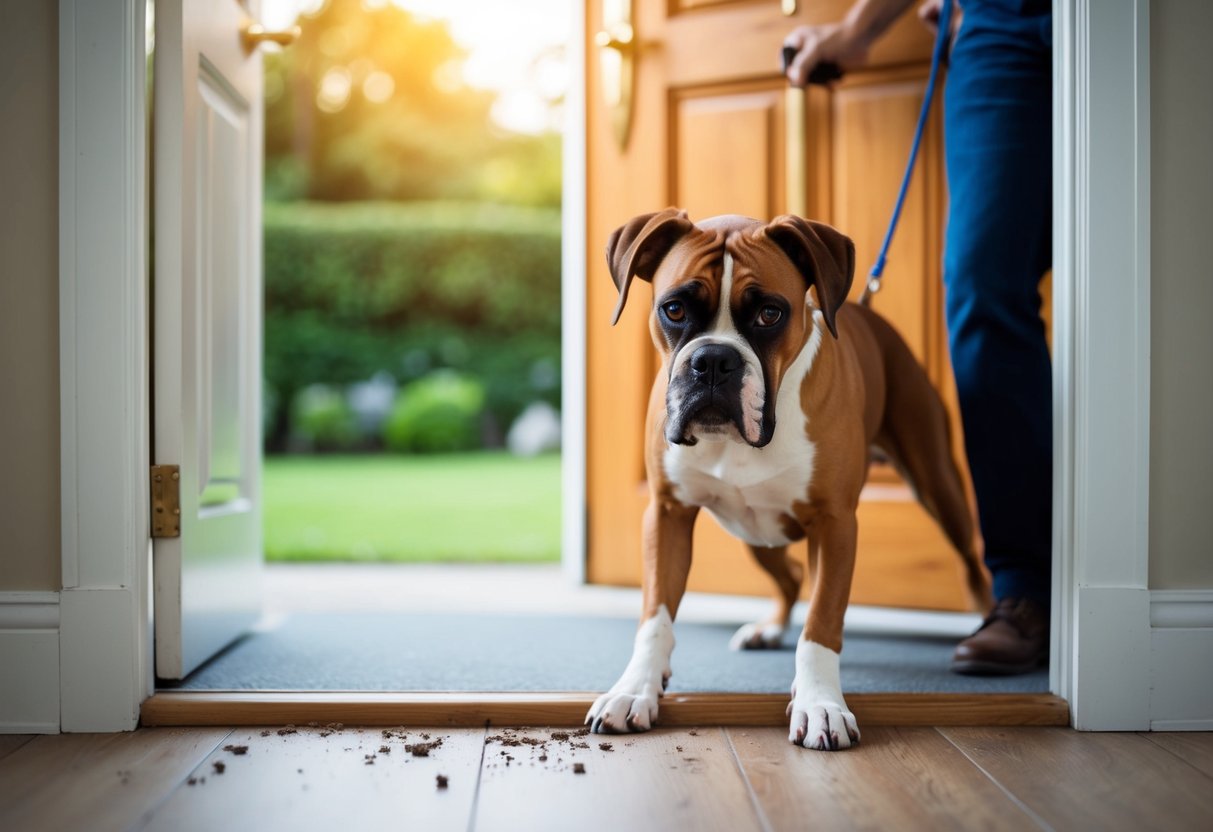
Preventing separation anxiety in Boxers involves a mix of early socialization, regular exercise, and specific training methods. Addressing these areas can help your dog feel more secure and confident when left alone.
Importance of Early Socialization
Socializing your Boxer at a young age is key. Expose them to different environments, people, and other animals. This helps them learn that new experiences can be positive.
To start, take your dog to parks or puppy classes. Introduce them to gently approaching friends and family. The more experiences they have, the less likely they are to develop anxiety later.
You can also create a positive experience by giving treats during social interactions. Use positive reinforcement training to reward good behavior. This builds their confidence and helps them adjust better to new situations.
Exercise and Mental Stimulation
Regular exercise is crucial for Boxers. These dogs have a lot of energy, so a well-exercised dog is generally more relaxed at home.
Aim for at least an hour of physical activity each day. Activities can include walks, playtime, or fetch. Consider varying the routine to keep things interesting.
Along with physical exercise, mental stimulation is just as important. Engage your dog with interactive toys, puzzles, or training sessions. This keeps their mind busy and reduces boredom, which can lead to anxiety.
Gradual Desensitization and Calming Aids
Gradual desensitization is an effective way to help your Boxer feel comfortable alone. You can start by leaving them for short periods. Then, slowly increase the time as they adapt.
When you first leave, try to keep your departures low-key. Make sure to avoid long goodbyes. This way, your dog learns that your absence is normal.
You can also use calming aids, if necessary. Products like calming collars or anxiety wraps can provide comfort. Just remember to consult with your veterinarian before introducing new aids. Combining these methods helps build your dog’s confidence and reduces feelings of anxiety over time.


