
Boxer dogs are known for their playful and affectionate nature, making them great additions to any home. These dogs are excellent family dogs that bond well with children and serve as loyal companions. Their friendly temperament and high energy levels can bring joy and excitement to your daily life.
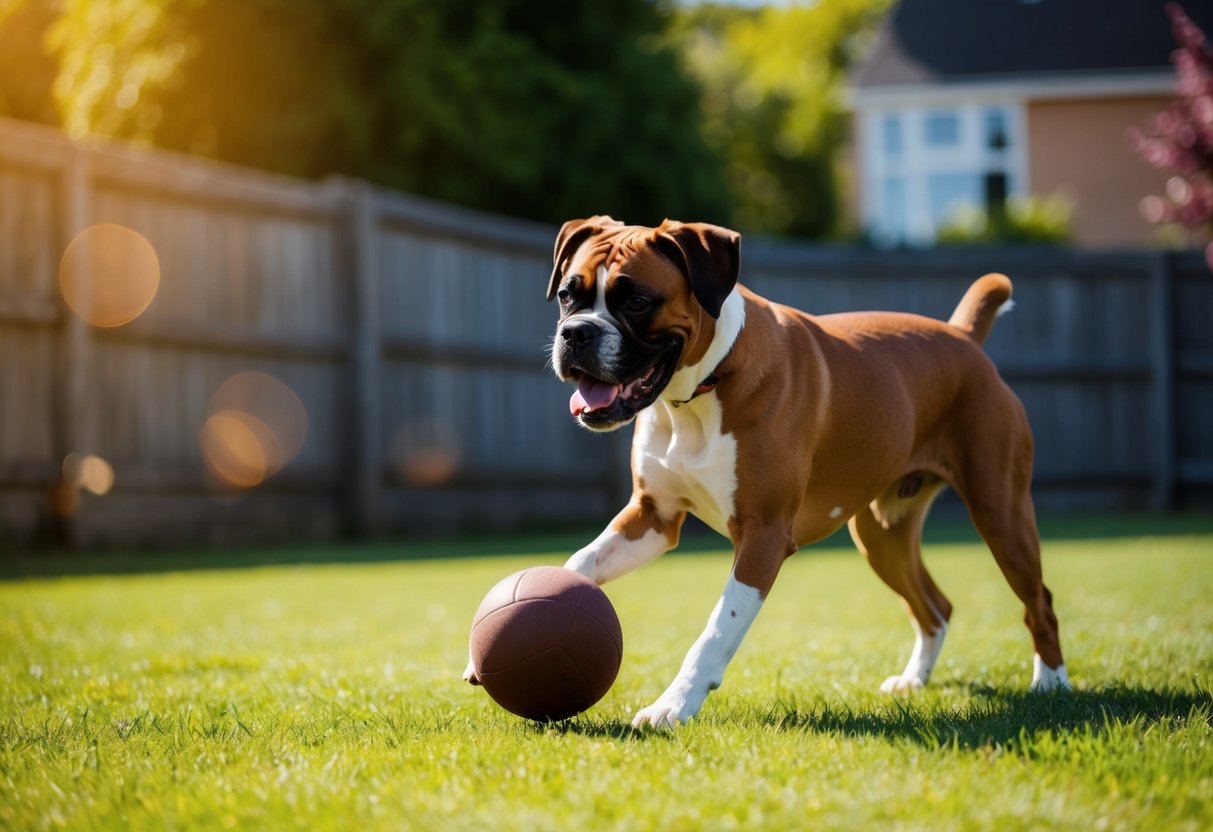
As a boxer owner, you’ll find that these dogs thrive on interaction and exercise, making them perfect for active families. They love to play fetch, go for walks, and be part of your everyday activities. This energy is balanced by their gentle and protective nature, ensuring that your family feels safe and loved.
If you’re considering a boxer, you should know they are not just dogs; they become part of your family. With their loyal hearts and playful spirits, they can turn your house into a home filled with joy and warmth.
The Boxer Breed History and Characteristics

The Boxer breed has a rich history and distinct characteristics that make them unique. Understanding their origins, physical traits, and temperament can help you decide if they are the right pet for you.
Distinctive Physical Traits
Boxers are known for their muscular build and athletic appearance. They have a square-shaped head with a broad forehead, which gives them an alert look. Their eyes are medium-sized and expressive, adding to their charm.
The coat is short and smooth, making grooming relatively easy. Common colors include fawn, brindle, and white. Boxers grow to be medium to large dogs, typically weighing between 50 to 80 pounds. Their strong, well-defined features contribute to their reputation as strong, loyal companions.
Boxer Breed Origins and History
The Boxer breed has roots tracing back to Germany in the late 1800s. They evolved from the Bullenbeisser, a larger hunting dog known for its strength and courage. The Bullenbeisser was bred with the English Bulldog and other smaller breeds to create the modern Boxer we know today.
Throughout history, Boxers have been valued as both working dogs and family pets. The American Kennel Club recognized the breed in 1915. They became popular in the U.S. due to their loyal and protective nature, perfect for various roles including service dogs.
Boxer Temperament and Personality Traits
Boxers are known for their playful and sociable temperament. They thrive on human interaction, making them wonderful family pets. Boxers are naturally protective, so they will look after your family and home. Their energy levels are high, requiring regular exercise to keep them healthy and happy.
These dogs are generally good with children and enjoy being part of family activities. Boxers are intelligent, which makes training easier with consistent and positive methods. Their loving nature ensures they bond closely with family members, adding to their appeal as a pet.
Training and Socialization of Boxer Dogs
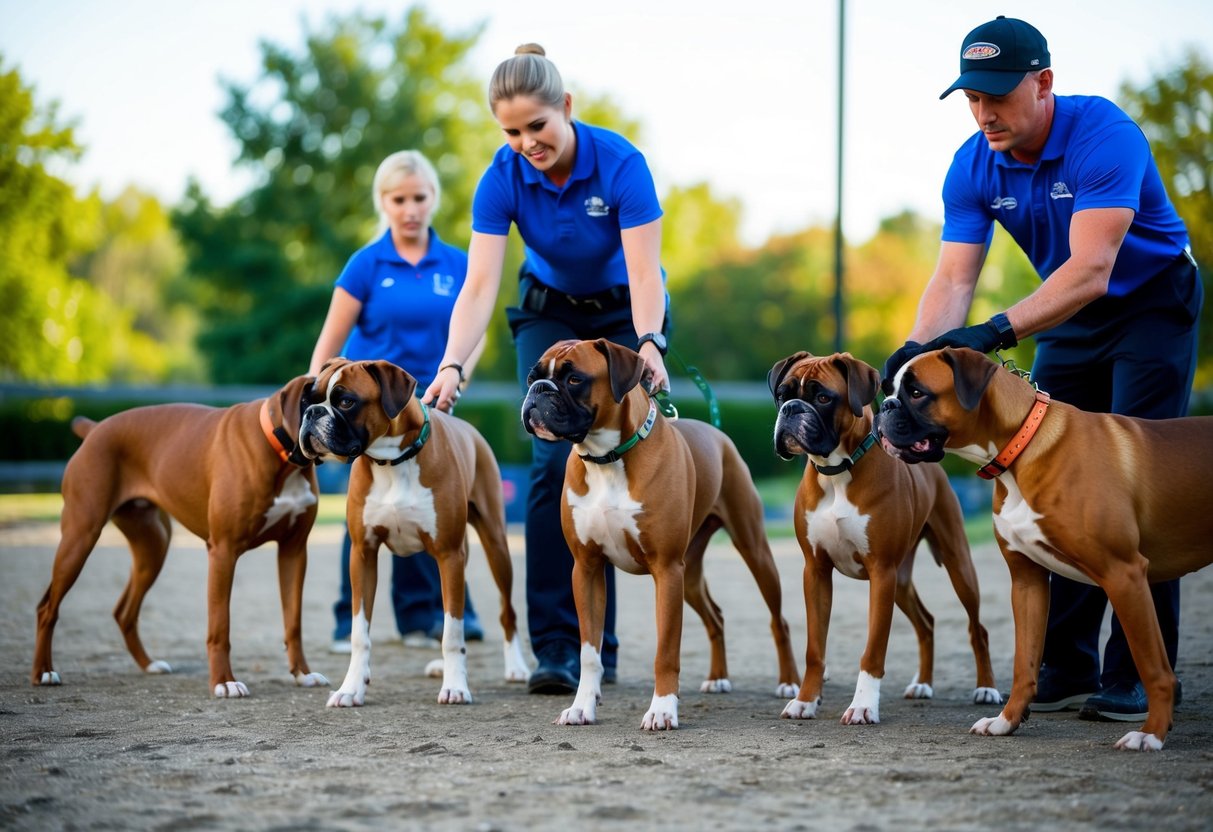
Training and socializing your Boxer dog is key to having a well-adjusted pet. Boxers are intelligent and eager to learn, making them relatively easy to train. Proper training lays the groundwork for a strong relationship built on trust and respect.
Socialization is just as important as training. It ensures your Boxer can comfortably interact with various people and animals.
Importance of Obedience Training
Obedience training is essential for Boxers. It helps establish rules and boundaries, ensuring your dog understands what is expected.
Start with basic commands like sit, stay, and come. Consistency and patience are crucial.
Using positive reinforcement techniques, such as treats or praise, encourages good behavior. This not only builds trust but also energizes your training sessions.
Make sure to keep each session short and fun to maintain your dog’s focus. Regular training can prevent behavioral issues down the line. It also helps your Boxer feel secure, knowing their place in the family structure.
Socialization and Its Benefits
Socialization is just as important as training. Exposing your Boxer to different environments, people, and other animals helps them learn how to behave in various situations.
A well-socialized dog is less likely to develop fearfulness, anxiety, or aggression.
Start socializing your Boxer early. Puppy classes are excellent opportunities for controlled interactions with other dogs. Gradually introducing them to new experiences, like car rides or different parks, ensures they become more adaptable.
A confident Boxer is a happy Boxer. They will enjoy trips to the dog park and meeting new friends. Socialization helps your pet thrive in everyday life and enhances their personality, making them a beloved member of your family.
Healthcare and Maintenance of Boxers

To keep your Boxer healthy and happy, you need to pay attention to their exercise needs, diet, and common health issues. A well-rounded approach will ensure they thrive in your home.
Exercise Needs and Active Lifestyles
Boxers are known for their high energy levels. They require regular exercise to stay fit and happy.
Aim for at least 30 to 60 minutes of vigorous activity each day. This can include walks, runs, or playtime in the yard.
Interactive games like fetch will also help burn off that energy. Group activities such as obedience classes or agility training can be fun and beneficial.
Consistent exercise can prevent behavioral issues that arise from boredom. Make sure to mix up the routine to keep things interesting.
Nutritional Diet and Healthy Living
Your Boxer’s health largely depends on a balanced diet. Invest in high-quality dog food that meets their specific nutritional needs.
Look for options that are rich in protein and contain essential vitamins and minerals.
Avoid foods filled with fillers or artificial additives. Regular feeding schedules can help maintain their energy levels throughout the day. Fresh water should always be available.
Don’t forget occasional treats, but keep them healthy to prevent excess weight. A proper diet contributes significantly to a longer, healthier life.
Common Health Concerns in Boxers
Like any breed, Boxers can face some health challenges. It’s essential to be aware of issues such as hip dysplasia, heart conditions, and certain types of cancers.
Regular veterinary check-ups are vital for early detection and treatment.
Make sure to follow responsible breeding practices when choosing a Boxer. This can reduce the risk of inherited health problems. Keeping an eye on their weight and ensuring a healthy lifestyle can also help prevent complications. Don’t hesitate to consult your vet if you notice any changes in your Boxer’s health.
Boxers as Family Pets and Companions
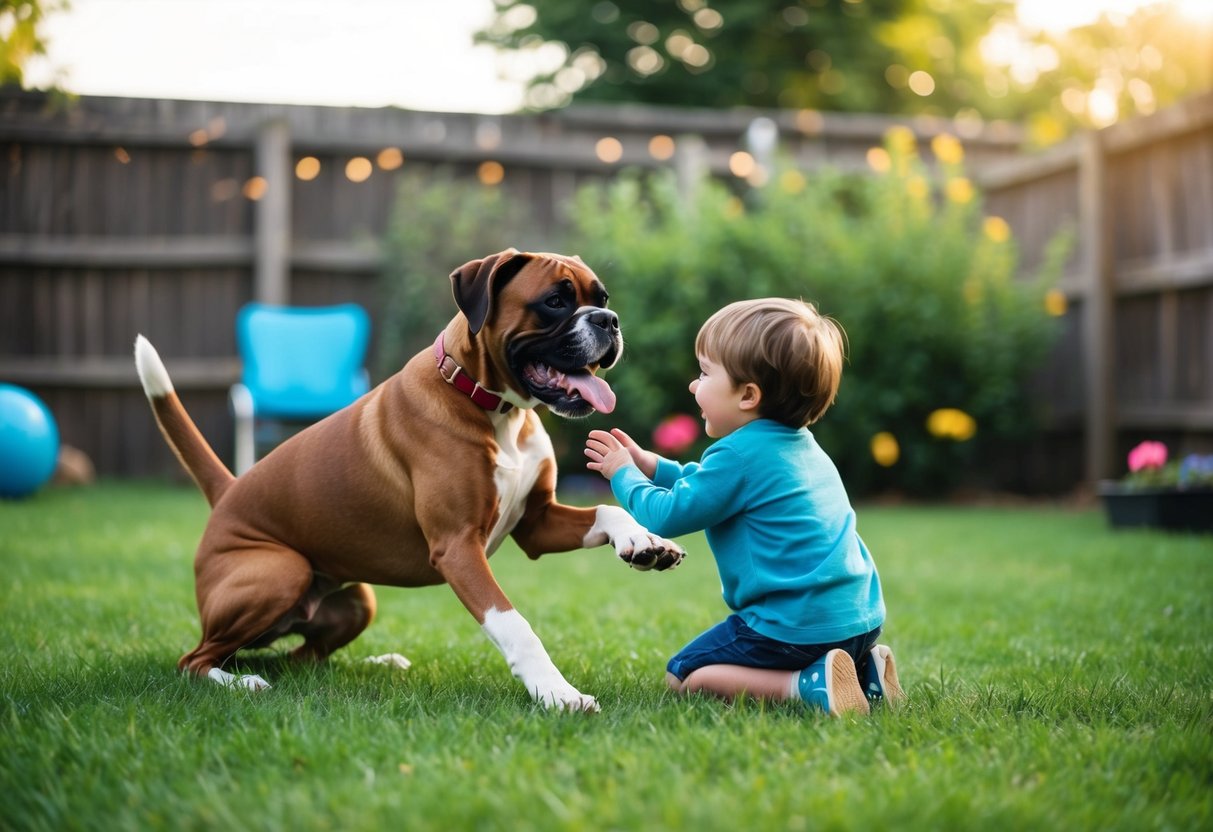
Boxers are known for their affectionate nature and playful spirit, making them excellent companions in active households. Their loyal and protective traits add to their appeal as family pets. Let’s explore how Boxers interact with children, their protective nature, and considerations for first-time dog owners.
Interacting with Children and Other Pets
Boxers are incredibly patient and gentle with children. Their playful nature means they often enjoy engaging in games and physical activities.
It’s important, however, to supervise interactions between your Boxer and young kids.
Boxers can also get along well with other pets. Early socialization is key to help them adjust.
If you introduce your Boxer to other dogs and animals during puppyhood, they are more likely to develop positive relationships. This makes for a warm and loving family environment.
The Protective Nature of Boxers
One noteworthy trait of Boxers is their protective instincts. They are known to be alert and watchful, making them great watchdogs for families.
Boxers form strong bonds with their owners and may instinctively protect their loved ones if they sense danger.
This protective nature also means they can be wary of strangers. Proper training and socialization can help your Boxer feel comfortable around new people. You can have peace of mind knowing your Boxer is looking out for you and your family.
Considering Boxers for First-Time Dog Owners
If you’re a first-time dog owner, Boxers can be an excellent choice. Their loyal and friendly disposition makes them ideal companions, but they do require consistent training and socialization.
Boxers thrive on companionship and can experience separation anxiety. It’s essential to spend quality time with them, especially during their early years.
Incorporating routine activities can help them adjust and feel secure in their new home. With love, patience, and commitment, your Boxer can fit perfectly into your family’s lifestyle, providing endless joy and companionship.


