
When considering a Boxer as a family dog, you might wonder about their temperament and aggressiveness. Boxers are generally not aggressive, but they can be protective. This makes them great guard dogs for your home. Their strong guarding instincts can lead to assertive behavior if they feel their family is threatened.

These dogs are known for their playful and energetic nature. They thrive on companionship and are often loving and loyal, especially towards their families. With proper socialization and training, a Boxer can become a trustworthy pet that blends well into your home. Understanding their protective instinct helps in nurturing a well-rounded personality.
If you’re thinking about bringing a Boxer into your family, it’s important to know that, like any breed, their behavior largely depends on how they are raised. Early training and positive reinforcement ensure that your Boxer grows up to be a well-adjusted, happy member of your household.
Understanding Boxer Dog Temperament

Boxer dogs are known for their energetic and playful nature, making them wonderful companions. Understanding their temperament involves recognizing their behavioral traits and their protective instincts. These traits contribute to their identity as loyal family members.
Natural Behavioral Traits
Boxers are playful, energetic, and affectionate. They thrive on companionship and are incredibly loyal pets. This breed loves to be part of family activities and enjoys playing games, making them great with children. Boxers require regular exercise to channel their high energy.
A lack of stimulation can lead to boredom, which may cause unwanted behaviors. This dog tends to be intelligent and responds well to training. Early socialization and consistent obedience training are key. Positive interactions help shape a well-adjusted, happy Boxer that fits into your family routine.
Protective Nature and Guarding Behavior
Boxers have a strong protective nature and often display guarding behavior. They are naturally territorial, making them alert watchdogs. While they may not be aggressive, they can be protective when they sense a threat to their family or home.
It’s important to train your Boxer to distinguish between real threats and everyday activities. Socialization will help them feel more comfortable around strangers and new situations. This balance can reduce any unnecessary territorial aggression. When well-trained, Boxers can be both loving pets and effective guardians.
Socialization and Training Influence
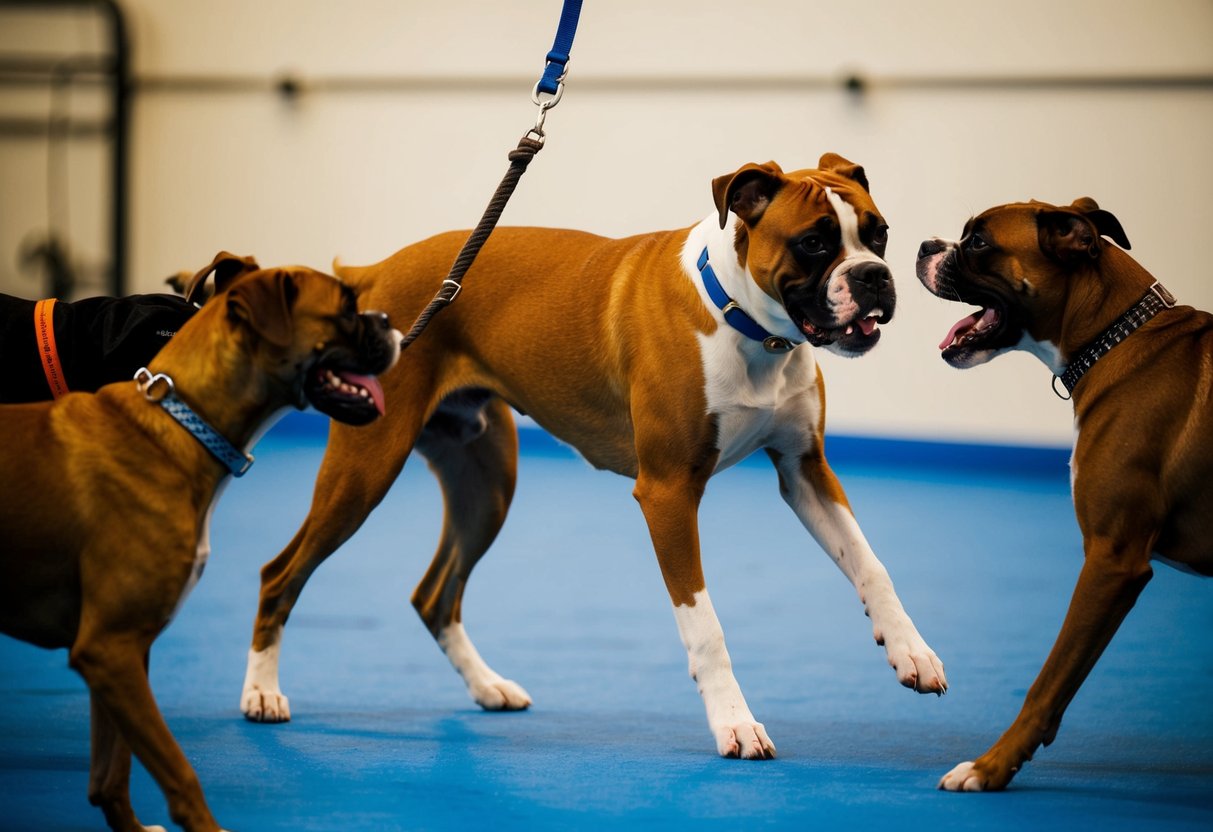
Socialization and training are key factors in shaping a Boxer’s behavior. Properly managing these aspects can help prevent aggression and ensure your Boxer grows into a friendly and well-adjusted companion.
The Role of Early Socialization
Early socialization is vital for your Boxer. Introducing them to various environments, people, and other animals during their first few months helps build confidence. This exposure teaches them how to react calmly to new experiences.
Aim to expose your Boxer to different sights, sounds, and smells. This includes trips to busy parks, pet-friendly stores, and gatherings with other pets. Make these experiences positive by using treats or praise to reward good behavior.
Lack of socialization can lead to fearfulness or aggression, so start early and remain consistent. Your efforts will help your Boxer become well-behaved and adaptable.
Effective Training Techniques
Effective training techniques are necessary for shaping your Boxer’s behavior. Using positive reinforcement training is a proven method. This means rewarding your dog with treats, praise, or playtime when they follow commands.
Start with basic commands like “sit,” “stay,” and “come.” Keep training sessions short and fun to maintain their interest. Use clear commands and always reward your Boxer immediately after they follow through.
Consistency is key. Make sure everyone in your household uses the same commands and rewards. With time and patience, your Boxer will respond better and show less aggression as they learn to trust you and their environment. Prioritize training to foster a strong bond and promote good behavior.
Managing and Preventing Aggression
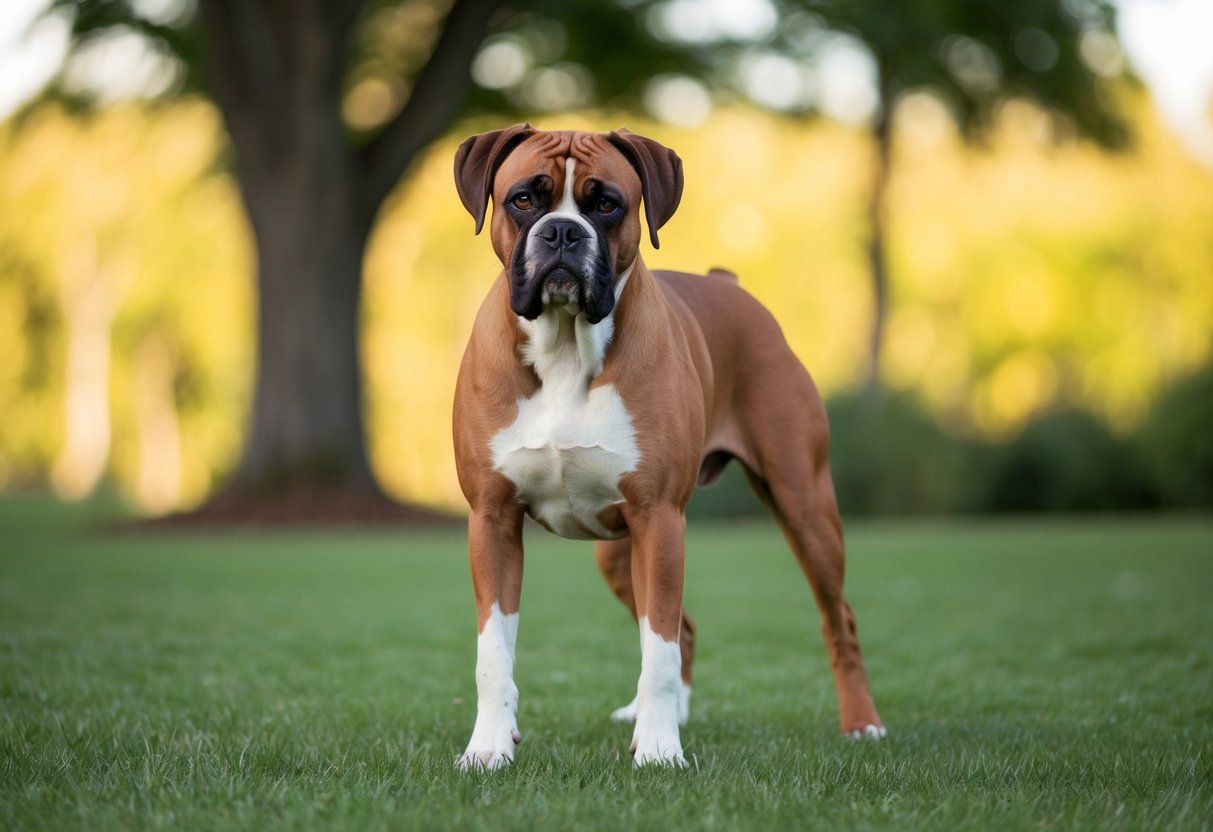
To keep your Boxer happy and safe, it’s important to recognize and address any aggressive behaviors. Understanding these signs can help you manage aggression effectively and create a peaceful environment for your dog and those around them.
Identifying Aggressive Behaviors
Recognizing the signs of aggression in your Boxer is essential. Common behaviors include growling, showing teeth, or stiff body posture. These signals may indicate fear, anxiety, or the desire to protect resources.
Boxers can be prone to resource guarding. This means they may become possessive over food, toys, or space. Pay attention to how your dog reacts when approached during these times. Other signs of dominance aggression include refusing to obey commands or displaying aggressive body language when being challenged.
Intervention and Behavior Modification
If you notice any signs of aggression, act promptly. Start by creating a calm and secure environment for your Boxer. This means providing consistent training and positive reinforcement.
A behavior modification plan can be beneficial. Work on obedience training using treats or praise. Then, gradually introduce your dog to new people, pets, or environments to reduce fear and anxiety.
In cases of severe aggression, seeking professional help is wise. A certified dog trainer or animal behaviorist can work with you to address dominance issues and tailor a plan specific to your dog’s needs. With patience and commitment, you can help your Boxer become a more relaxed companion.


