
Boxer dogs are known for their playful and loyal nature, but when it comes to living outside, there are important considerations to think about. While boxers technically can stay outside, it is not ideal for their health or happiness. These dogs thrive on companionship and can become stressed when left alone outside for long periods.
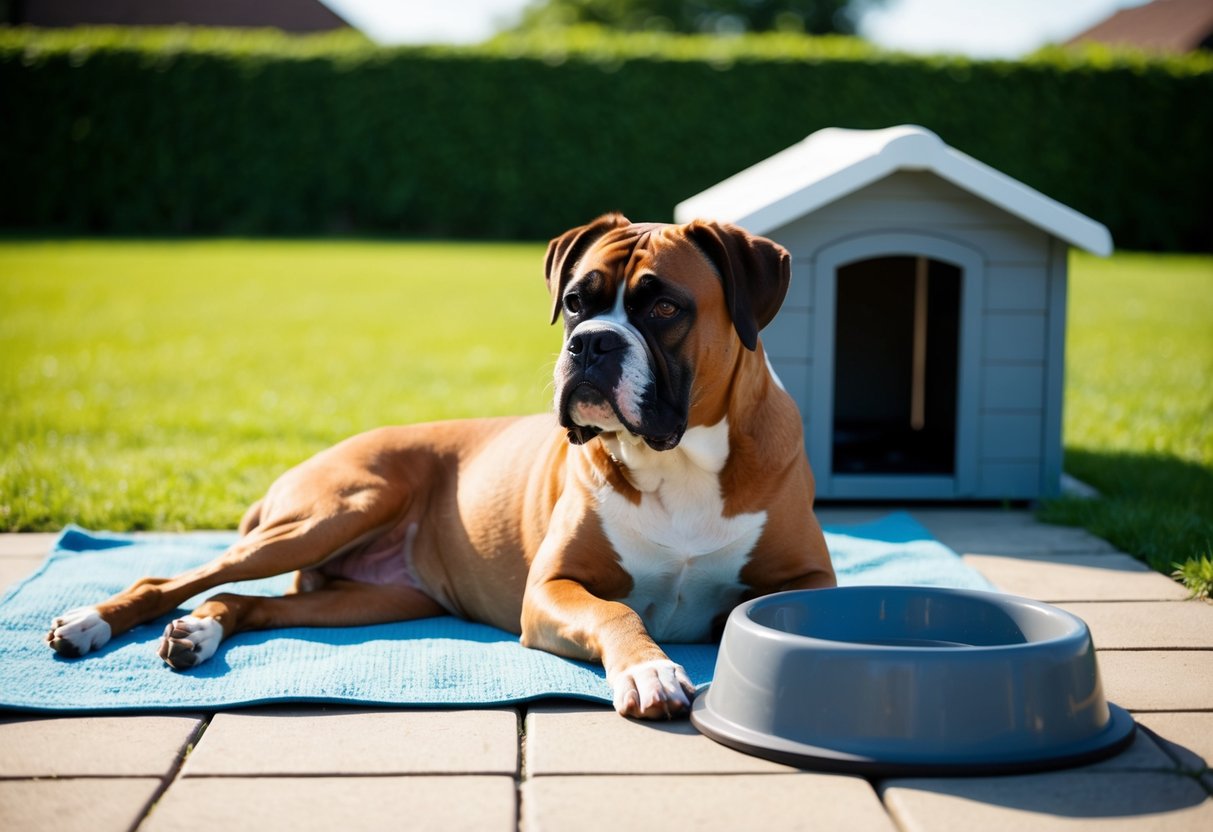
With their short coats and brachycephalic features, boxers have a harder time regulating their body temperature. This makes them vulnerable to extreme weather conditions. Additionally, being outside can expose them to parasites like fleas and ticks, which can pose serious health risks.
If you want your boxer to lead a happy and healthy life, providing a loving indoor environment is the best choice. This way, they can enjoy your company and stay safe from the dangers that come with living outside.
Understanding Boxer Dogs

Boxer dogs are known for their unique physical traits and friendly nature. Understanding their characteristics, temperament, and health needs can help you make the best choices for your furry friend.
Physical Characteristics
Boxers are medium to large dogs with strong, muscular bodies. They have a short, single-layer coat that comes in various colors, including brindle and fawn. This coat doesn’t provide much insulation, which makes them sensitive to temperature changes.
Due to their brachycephalic features, Boxers have flatter faces and can struggle with breathing, especially in hot weather. Their build is designed for agility and playfulness, making them great companions for active families. Their physicality often reflects their highly affectionate nature, requiring regular exercise to stay healthy.
Temperament and Social Needs
Boxers are known for their playful and affectionate temperament. They thrive on companionship and bond closely with their families. Being social dogs, they enjoy being around people and often display loyalty and protectiveness.
However, Boxers can experience anxiety if left alone for long periods. This can lead to behavioral issues, like barking or chewing. Regular interaction and structured activities are important for their mental well-being. Daily walks, playtime, and training sessions can help fulfill their social needs and keep their stress levels low.
Health Considerations Unique to Boxers
Boxers are prone to specific health issues due to their breed traits. Their short coat means they can struggle with temperature regulation, making them vulnerable to both heat and cold.
Watch for signs of stress or anxiety, as these can lead to behavior changes. Common health concerns include heart problems and certain types of cancer. Regular vet check-ups and a healthy diet are crucial for maintaining their health. Preventative care, like vaccinations and parasite control, will help ensure your Boxer stays happy and thriving.
The Impact of Weather on Outdoor Boxers

When considering outdoor living for your Boxer, it’s important to understand how different weather conditions can affect their health and comfort. Both cold and hot weather present unique challenges. Knowing how to protect your dog in these conditions is vital for their safety and well-being.
Challenges of Cold Weather
Cold weather can pose serious risks for your Boxer. Their short, single-layered coat does not provide adequate warmth in freezing temperatures. When exposed to cold for too long, your dog may develop hypothermia, which is dangerous.
Pay attention to signs like shivering or reluctance to go outside. Frostbite is another risk, particularly on the ears and paws. To help keep your Boxer safe, limit outdoor time on very cold days. Consider using paw wax to protect their feet from the cold ground and ice.
Dangers of Hot Weather
Hot weather can be just as harmful for your Boxer. These dogs can overheat quickly due to their muscular build and short snouts. Make sure to provide plenty of fresh water and shade when they are outside.
Signs of overheating include excessive panting, drooling, and lethargy. If you notice these symptoms, bring your dog inside immediately. Keep outdoor playtime to cooler parts of the day, such as early morning or late evening. Don’t forget, Boxers can also get sunburned, especially on their noses and ears, so consider pet-safe sunscreen for protection.
Protective Measures for Outdoor Living
To ensure your Boxer stays safe in both cold and hot weather, consider these protective measures:
- Shelter: Provide a well-insulated dog house for cold weather. In hot weather, a shaded area is essential.
- Hydration: Always have fresh water available to prevent dehydration.
- Limit Time: Reduce outdoor time during extreme temperatures, whether hot or cold.
- Monitoring: Keep an eye on your dog for any signs of distress while they are outside.
Taking these steps will help you manage the challenges brought by the outdoor weather and keep your Boxer comfortable and happy.
Meeting the Needs of an Outdoor Boxer
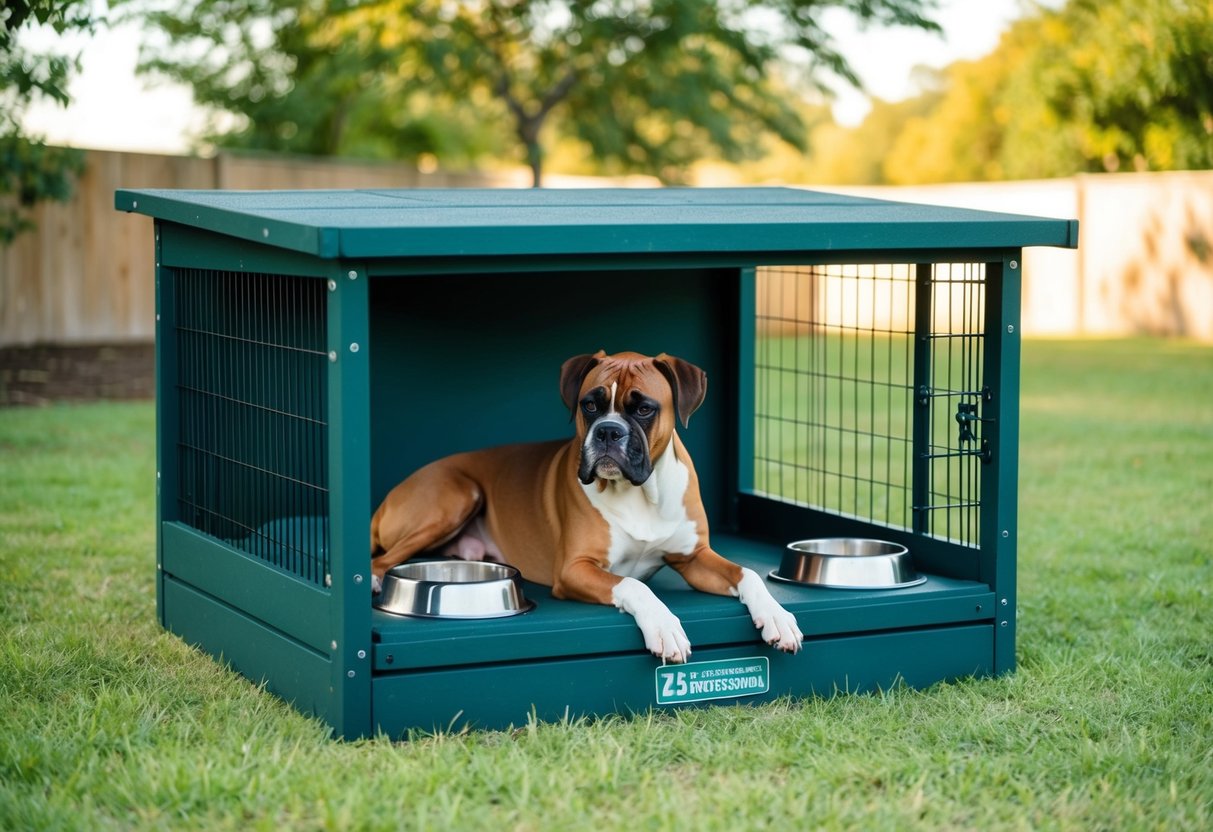
Keeping a Boxer outdoors requires attention to their specific needs. These dogs thrive on exercise, playtime, training, and socialization. Meeting these needs ensures they remain healthy and happy.
Exercise and Playtime
Boxers are energetic dogs. They need daily exercise to stay healthy. Aim for at least an hour of physical activity each day. This can include walks, runs, or play sessions in the yard.
Consider activities like fetch or agility training to keep them engaged. Variety is key. Rotate toys regularly to maintain their interest.
Make sure to supervise their playtime. This ensures they stay safe while running around. Creating a routine helps your Boxer anticipate their exercise times and keeps them energized.
Proper Training and Socialization
Training is crucial for outdoor Boxers. Teach basic commands like sit, stay, and come. These commands help keep your dog safe when they are outside. Consistent training also helps with behavior management.
Socialization is just as important. Expose your Boxer to different environments and people. This helps them become well-rounded dogs. Take your Boxer to parks or neighborhoods where they can meet others.
Remember to use positive reinforcement. Treats and praise work wonders during training. Your Boxer will thrive with the right guidance and experiences.
Ensuring Safety and Health
Outdoor living can pose health risks for Boxers. Make sure your yard is secure and free of hazards.
Check for ticks and fleas regularly, especially after being outside. These pests can carry harmful diseases.
Provide a shaded area for them to escape the sun. Boxers can easily overheat due to their short snouts.
Always ensure access to fresh water.
Consider their coat as well. Boxers have short single-layered coats, making them less suitable for colder weather.
Bring them indoors during extreme temperatures to keep them safe and comfortable.


