
Choosing the best dog for your kids can feel like a big decision. After all, you want a furry friend who will be gentle, playful, and safe around your little ones. The best dog breeds for kids are those that are friendly, patient, and easy to train.
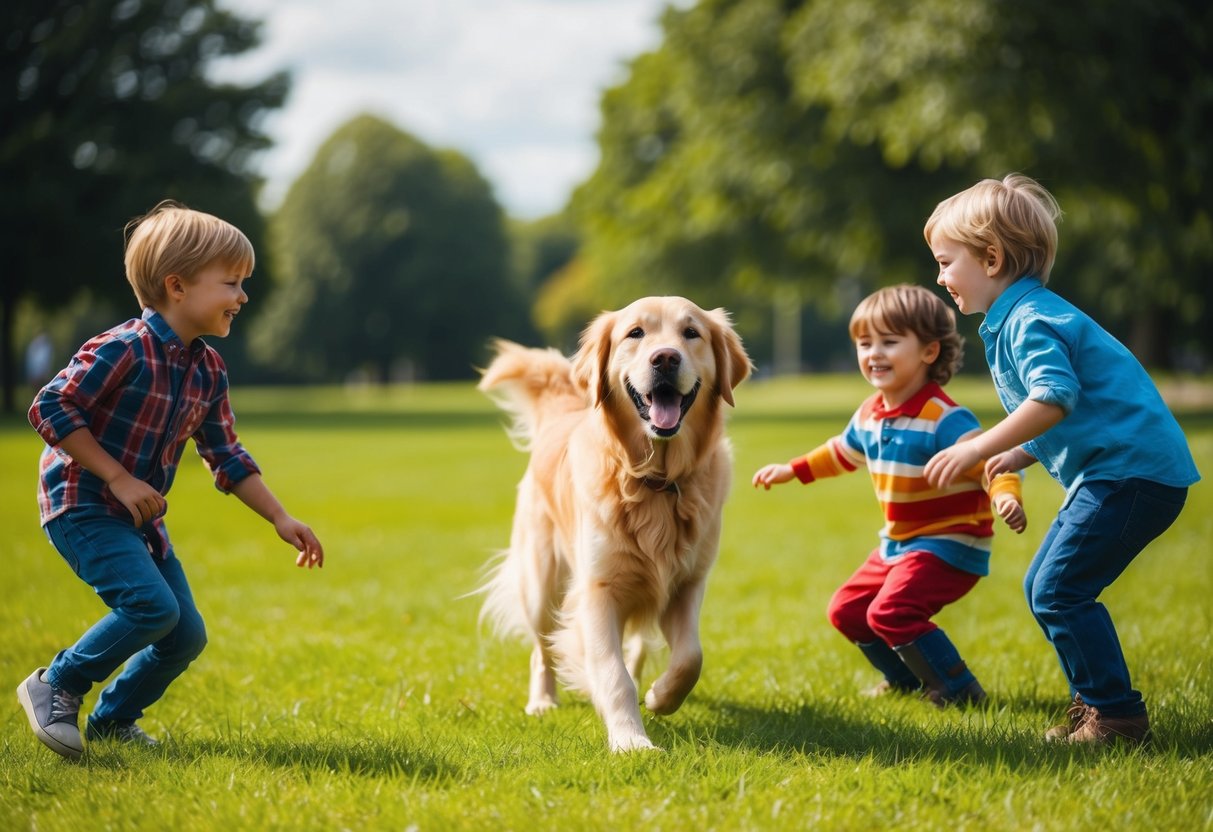
When considering a dog, think about the size, energy level, and temperament that will best fit your family’s lifestyle. Dogs that are sociable and enjoy being part of family activities will thrive in a home with children.
In this article, you’ll discover a variety of dog breeds that are known to get along well with kids. From energetic puppies to calm companions, there’s a perfect match for your family waiting to be found.
Defining a Child-Friendly Dog

When looking for a child-friendly dog, it’s important to consider a few key traits. You want a dog that is gentle, affectionate, and patient. These qualities help create a safe and loving environment for your kids.
Important Traits:
- Gentle Temperament: A dog that is calm and not easily startled can be great for families.
- Affectionate Personality: Dogs that enjoy being around people tend to bond well with children.
- Patience: A patient dog is less likely to react negatively to the energy of kids playing.
Some dog breeds are known for being especially good with families. Consider options like:
- Golden Retrievers: Known for their friendly and loyal nature.
- Labrador Retrievers: These dogs are playful and easy to train.
- Beagles: Friendly and fun-loving, they get along well with kids.
Compatibility with children is a major factor when choosing a family dog. Look for breeds that are recognized as family-friendly, as they’re typically more adaptable to family life.
Involving your child in the dog’s care can also foster a strong bond. Teaching them how to play gently and interact positively helps both the child and the dog grow together. A well-matched dog can be a wonderful companion for your family.
Popular Dog Breeds for Kids
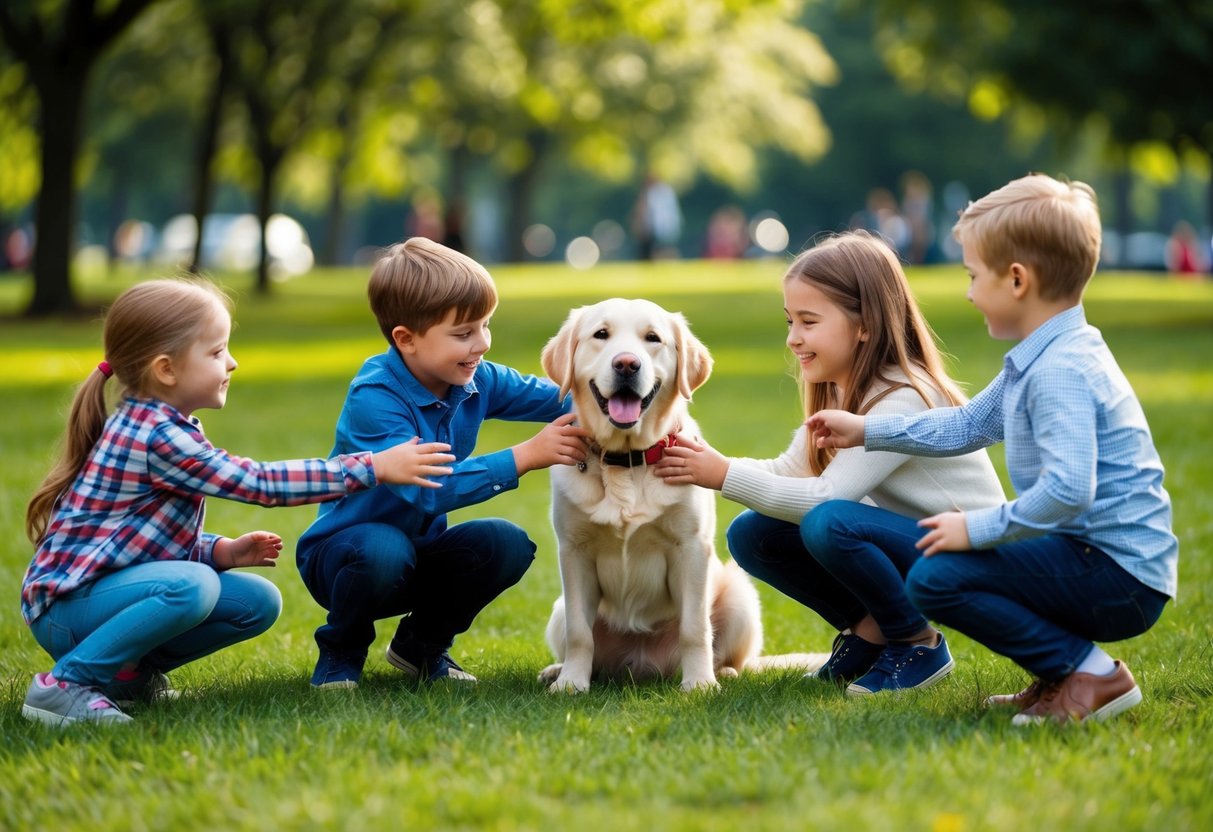
Finding the right dog for your family can make a huge difference in creating a happy home. Some dogs are especially known for being great with kids, whether by being gentle, energetic, or protective. Here’s a look at popular breeds that fit those qualities.
Non-Shedding Dogs for Kids
If allergies are a concern, non-shedding dogs can be an excellent option. Breeds like the Poodle and Bichon Frise are known for their hypoallergenic coats. They don’t shed much, which helps keep your home cleaner.
Poodles come in various sizes and are intelligent, making them easy to train. Bichon Frises are friendly and love to play, which makes them great companions for children. Other breeds like the Havanese also fall into this category, known for their playful nature and minimal shedding.
Choosing one of these breeds can help families enjoy a dog without the worry of excessive fur in your living space.
Energetic and Playful Breeds
If your kids love to play, energetic breeds are a wonderful match. The Labrador Retriever and Australian Shepherd are two very active dogs. They enjoy running and playing fetch, which can keep your children entertained.
Labrador Retrievers are friendly and easygoing, making them great playmates. Meanwhile, Australian Shepherds are known for their intelligence and agility, which means they can easily join in on your kids’ activities.
Boxers and Vizslas are also playful and full of energy. These dogs thrive on interaction and will keep your family engaged and active.
Gentle Giants
For families looking for big dog breeds, Gentle Giants like the Bernese Mountain Dog and Newfoundland are perfect. They may be large, but they have soft tempers and are known to be patient.
Bernese Mountain Dogs are known for their loyalty and calm nature. Newfoundlands are especially gentle and great with children, often described as “nanny dogs.” Both breeds thrive in loving environments and can be reliable companions for your kids.
A Great Dane also fits into this category. Despite their size, they are known to be affectionate and gentle, making them a surprising choice for families.
Loyal and Protective Companions
Many families appreciate dogs that are both loyal and protective. Breeds like the German Shepherd and Boxer are known for their protective instincts.
German Shepherds are intelligent and easy to train, making them excellent family pets. They are caring but also watchful. Meanwhile, Boxers are playful, loving, and naturally protective of their families.
Other loyal breeds include the Collie and Bulldog. Bulldogs have a calm demeanor, while Collies are known for their intelligence and gentleness with kids. Choosing a loyal companion ensures your home feels safe and secure.
Understanding Dog Care and Maintenance
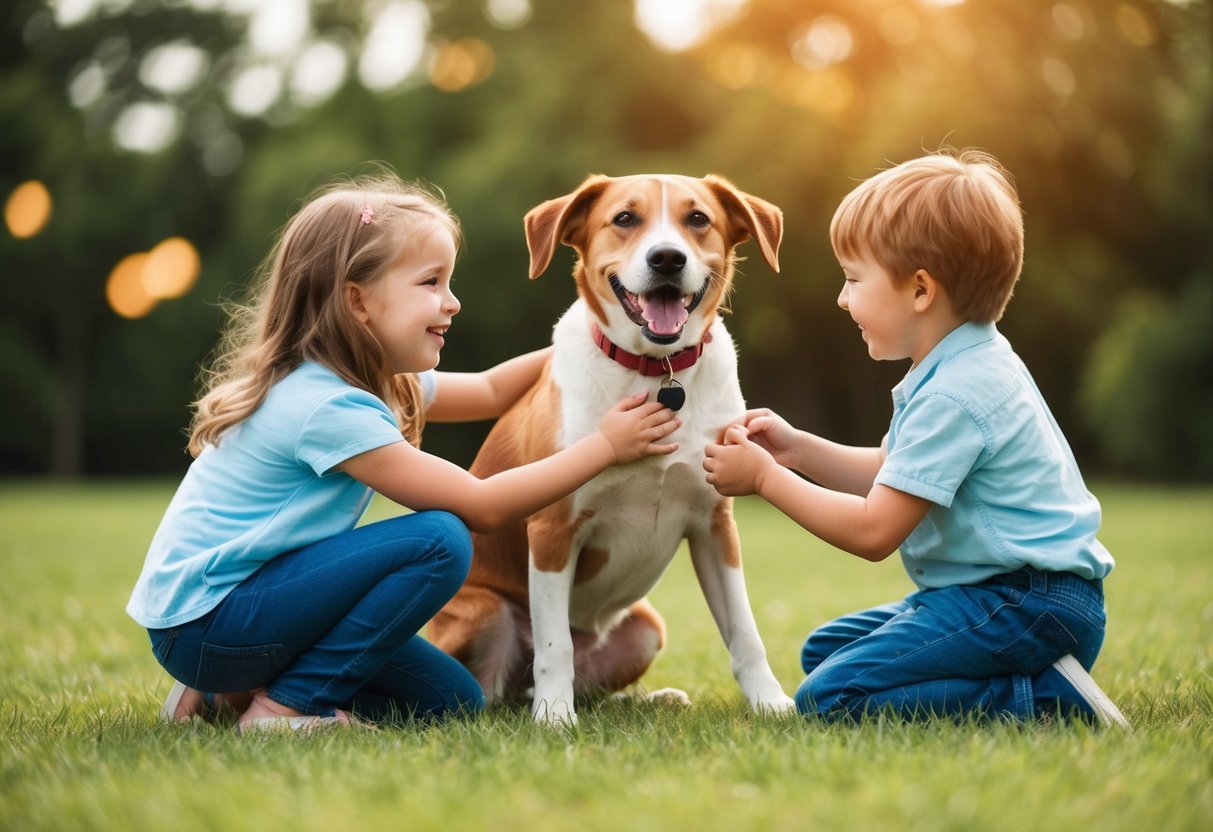
Taking care of a dog is important, especially when you have kids. It involves grooming, exercise, and training. Each of these aspects helps ensure a happy, healthy, and well-behaved companion for your family.
Grooming Needs
Grooming is essential for keeping your dog’s coat healthy and clean. Breeds like the Golden Retriever and Bernese Mountain Dog require regular brushing to manage shedding and prevent matting. You should brush them at least twice a week.
Some dogs have low-shedding coats, like the Labrador Retriever or Australian Shepherd, which may require less frequent grooming. Nonetheless, all dogs need occasional baths, nail trimming, and ear cleaning.
Make sure to use dog-friendly products. Regular grooming also offers a great opportunity to check for signs of skin issues or other health problems in your pet.
Exercise Requirements
Dogs need daily exercise to stay healthy and happy. Energetic breeds like the Vizsla and Australian Shepherd require more active playtime, often up to two hours a day. Regular walks, play sessions, and trips to the dog park can meet their needs.
Conversely, patient dogs like the Golden Retriever may be less energetic but still enjoy daily walks. Be sure to choose activities that your dog enjoys. This bonding time promotes both your pet’s health and your family’s happiness.
Training and Socialization
Training is vital for any dog, especially in a family setting. Start with basic commands like “sit” and “stay.” It’s important for safety and good behavior.
Socialization with various people, pets, and environments also helps improve your dog’s temperament.
Positive reinforcement techniques work best. Patient and affectionate dogs often respond well to these methods. Teaching your pup early on can lead to a family-friendly dog that fits nicely into your home.
Integrating a Dog into Your Family
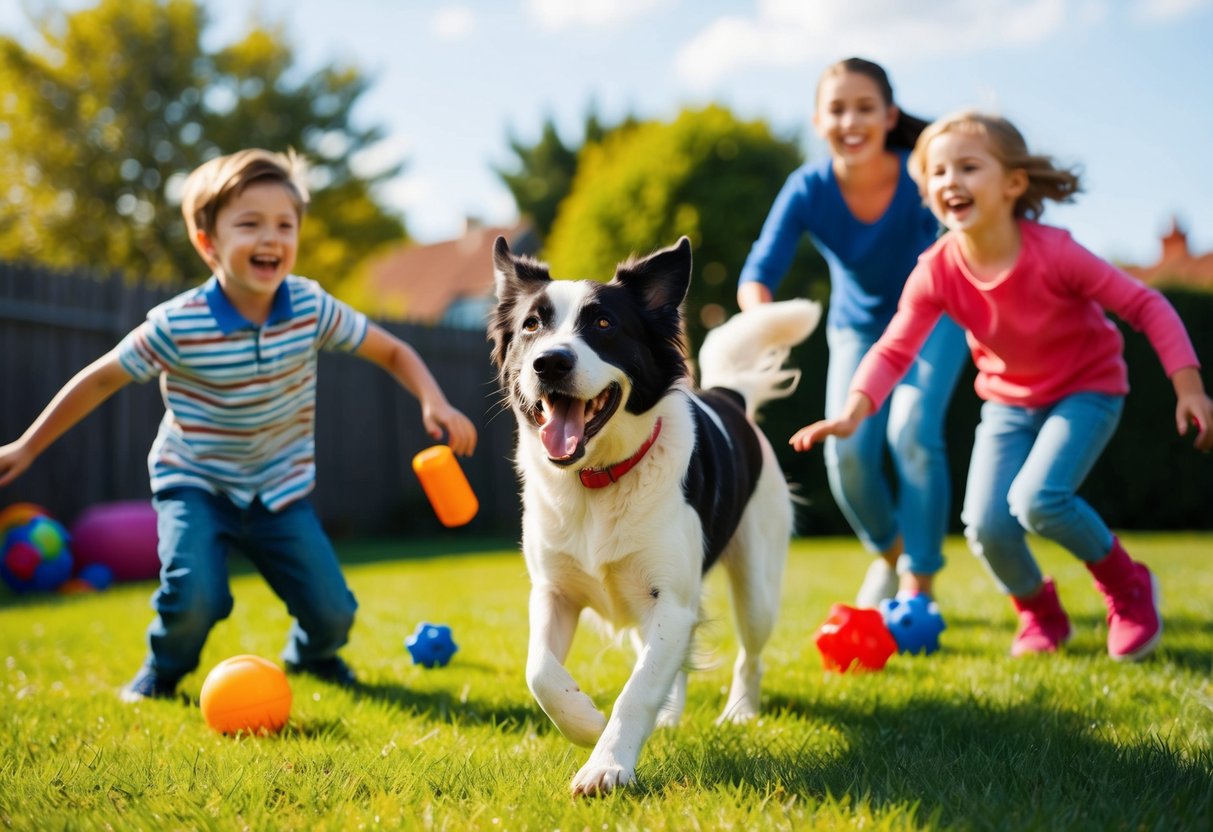
Bringing a dog into your home can be a joyful experience. Start with a careful introduction to help your new pet feel comfortable. While your child is excited, supervise them as your dog explores.
Encourage bonding activities like gentle play and shared treats. This helps build trust between your child and the dog. Simple games like fetch or hide-and-seek can be great fun.
Involve your child in dog responsibilities. Tasks like feeding, grooming, and walking help teach them about care and teamwork. Be sure to set age-appropriate tasks to keep it fun and safe.
Choosing a family-friendly breed is important too. Breeds like Labradors and Golden Retrievers are known for being patient and gentle with kids. Make sure to research to find a dog that fits your family’s lifestyle and energy levels.
Plan family activities that include your dog. Going for walks, playing in the yard, or visiting a dog park allows everyone to enjoy time together. This strengthens your family bond and makes your dog feel included.
It may take time for both your dog and child to adjust. Keep encouraging them to interact, and soon you’ll see a loving relationship grow.


