
When considering whether male or female dogs are more cuddly, many factors come into play. In reality, the cuddly nature of a dog often depends more on individual personality rather than gender. While you may have heard stereotypes suggesting that male dogs are more affectionate, behavior traits can vary widely among each dog.
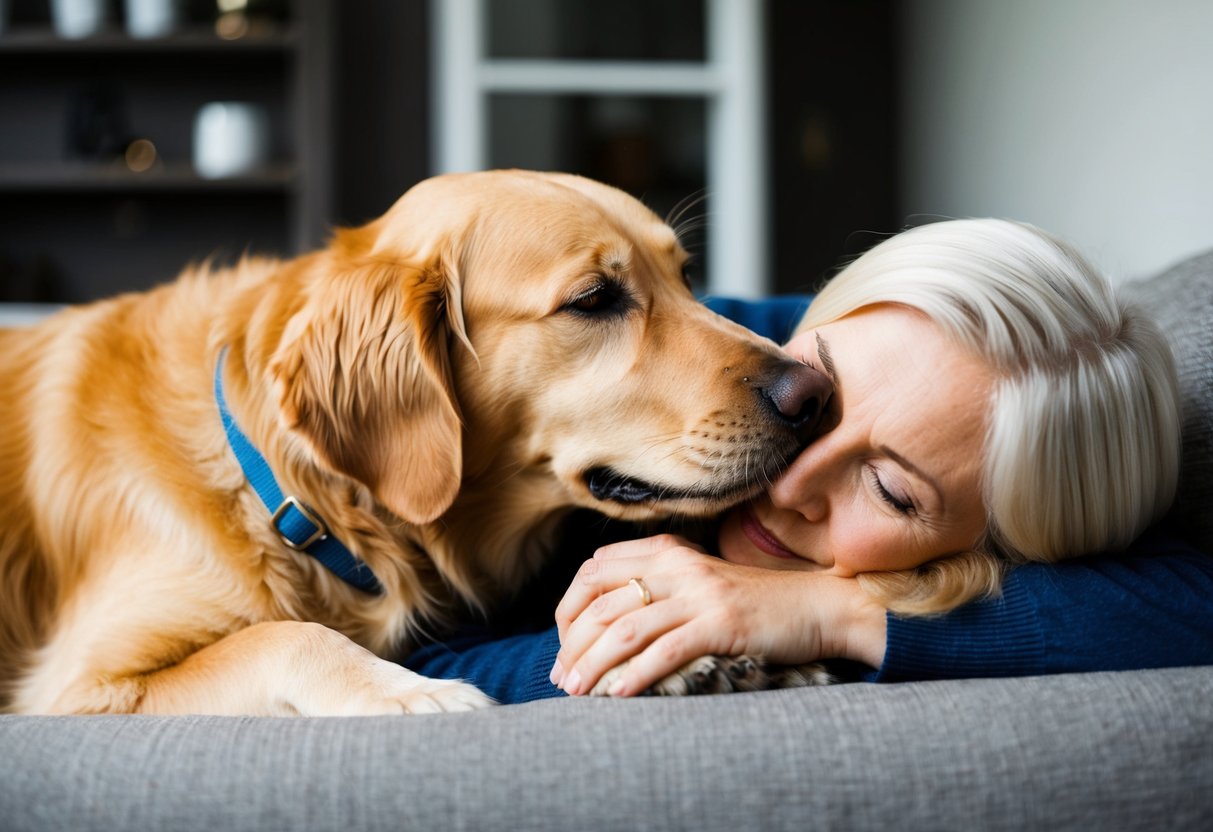
Every dog has its own unique character shaped by its upbringing and experiences. Some female dogs may exhibit nurturing behaviors, while some males are eager for attention and affection.
Understanding these differences can help you find the perfect cuddly companion for your home, regardless of gender.
It’s essential to remember that gender stereotypes can influence our views of dog behavior. The bond you form with your pet is much more about their individual quirks and how they connect with you. By focusing on the specific personality of a dog, rather than its gender, you can discover a loveable friend who is just right for your lifestyle.
Exploring Gender Differences in Dogs

When considering which gender of dog may be more cuddly, it helps to look at specific physical and behavioral traits. Additionally, the effects of spaying and neutering can influence the temperament of male and female dogs, which may affect how cuddly they are.
Physical and Behavioral Traits
Male dogs are often larger and may appear more dominant or assertive. This can lead them to act more playfully, which some owners interpret as needing more attention and affection. They might follow you around and seek your attention more frequently.
Female dogs, on the other hand, can display a blend of independence and affection. Some owners report that female dogs are more nurturing and find comfort in cuddling, often more so than their male counterparts. Their size may be smaller, which can make them easier to cuddle.
Each dog is unique, so behaviors can vary widely. Spend time with both genders to see which one matches your preference for cuddling.
The Impact of Spaying and Neutering
Spaying and neutering can significantly change a dog’s behavior and temperament. Neutered male dogs often show reduced aggression and may become more affectionate. This alteration can make them more cuddly. On the flip side, spayed female dogs may exhibit a calmer demeanor, which can enhance their cuddly nature.
Both procedures can lessen the urge to roam, making your dog more likely to stay close to you. Neutering can also reduce the risk of health issues, such as testicular tumors in males, while spaying female dogs can prevent conditions like mammary tumors.
The Role of Training and Socialization
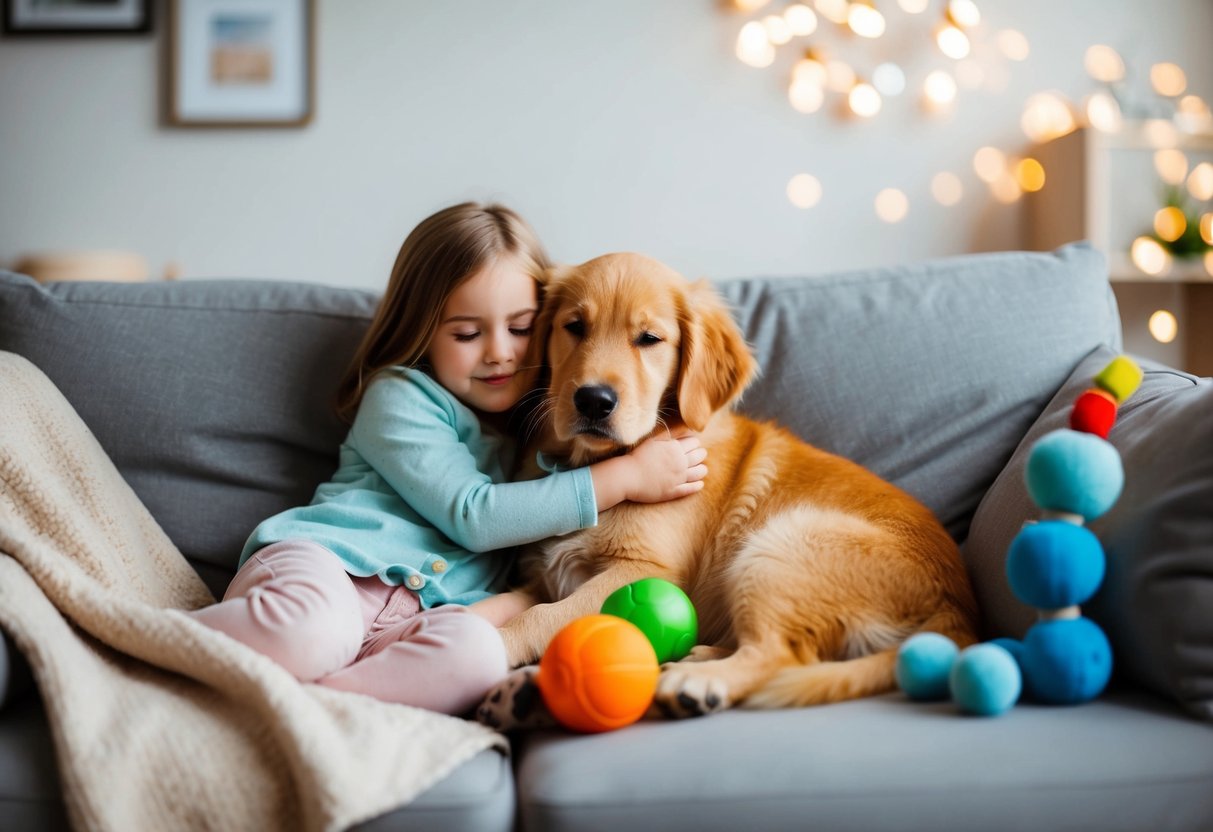
Training and socialization play a vital role in shaping your dog’s behavior and affection levels. These processes help your dog develop important skills, leading to a more cuddly companion.
Behavioral Development and Social Skills
Your dog’s behavior relies heavily on early training and socialization. Proper training helps teach your dog commands and expectations. When dogs know what to do, they feel more secure.
Socialization introduces your dog to new people, animals, and environments. It can reduce fear and anxiety, which are key to cuddly behavior. For example, a well-socialized dog is less likely to experience separation anxiety.
Past experiences also directly influence how affectionate a dog can be. If your dog had positive interactions early on, they are likely to develop trust and show more cuddly behavior. This bond can lead to a happier, more loving pet.
Cuddliness by Breed and Individuality
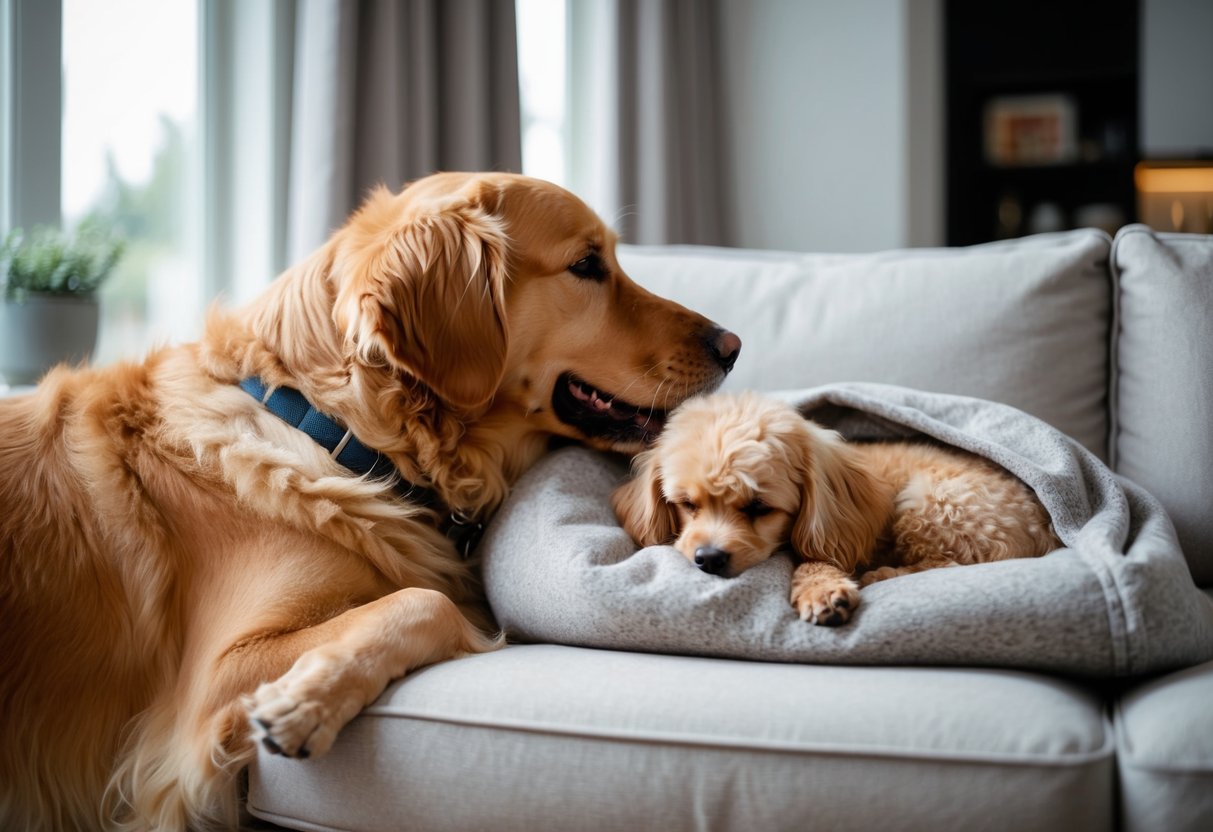
Understanding cuddly behavior in dogs involves looking at breed-specific tendencies and the individuality of each dog. Certain breeds are known for their affectionate nature, but your dog’s personality and temperament also play a crucial role.
Breed-Specific Tendencies
Some dog breeds are renowned for being cuddly. For example, the Golden Retriever is famous for its friendly and loyal nature, making it a great cuddler. The Cavalier King Charles Spaniel is another affectionate breed that loves to snuggle.
Larger breeds like the Newfoundland can also be surprisingly cuddly, despite their size. They are gentle giants. Conversely, breeds such as Greyhounds may seem independent but can be quite affectionate once they trust you.
Other cuddly breeds include the Bichon Frise, Pug, and Chihuahua. Each of these breeds tends to form strong bonds with their owners, making them wonderful companions for cuddling.
Personality and Temperament Factors
Individual personality significantly impacts your dog’s cuddly behavior. A breed known for affection doesn’t guarantee that every dog will be the same. A Chihuahua might be more aloof than a typical Pug, depending on their background and experiences.
Factors like socialization and upbringing influence a dog’s temperament. For instance, a well-socialized puppy will likely be more welcoming to cuddling. On the other hand, a shy dog needs time to feel comfortable.
Your dog’s loyalty to you can also enhance their cuddling behavior. Those who trust you are more likely to seek your affection. Always remember that each dog is unique, so individual personality plays a key role in how cuddly they can be.


